
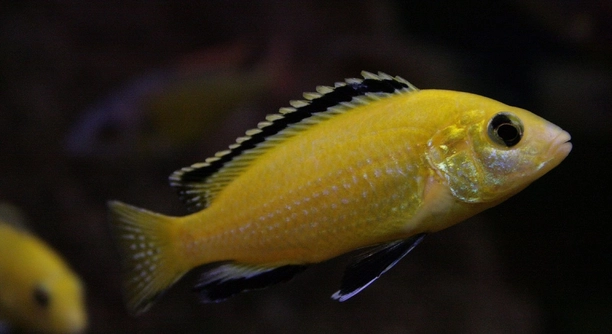
Electric yellow cichlids are popular freshwater fish, admired for their bright, vivid colors. Their appearance can change subtly or dramatically over time, reflecting both natural growth and environmental factors in their tank habitat.
Electric yellow cichlids display seven common color changes, each indicating specific conditions. These changes can signal stress, aggression, health issues, breeding readiness, or age-related transformations, offering insight into the fish’s overall wellbeing and environment stability.
Recognizing these shifts helps maintain a healthy aquarium and ensures your cichlids thrive in their surroundings. Understanding the signs makes it easier to respond appropriately.
Understanding Stress-Related Color Changes
Stress can cause electric yellow cichlids to display duller or darker colors. Common triggers include overcrowded tanks, sudden water changes, and aggressive tank mates. When stressed, their bright yellow tones often fade, and patches of gray or brown may appear along the body. Environmental factors play a major role; improper temperature, poor water quality, or inconsistent lighting can all increase stress levels. Observing these changes early helps prevent long-term health problems. In some cases, stress-related color changes are temporary, but prolonged exposure to stress can affect appetite, behavior, and immunity. Adjusting the tank environment and reducing sources of tension usually restores their vibrant coloration.
Monitoring your fish carefully allows you to intervene before stress becomes harmful. Minor changes in tank conditions can have a noticeable effect on their colors.
Maintaining stable water parameters, providing hiding spots, and ensuring compatible tank mates significantly reduces stress. Stress-related color changes are also influenced by diet, so offering nutrient-rich foods can improve overall health. Consistency in feeding schedules and tank maintenance supports their natural colors. Even simple changes like adding plants or rearranging decorations can make fish feel safer and less stressed. Regular observation and gradual adjustments often restore bright yellow tones, signaling improved wellbeing.
Breeding and Mating Color Changes
Breeding readiness can alter a cichlid’s appearance noticeably.
During mating periods, males and sometimes females intensify their yellow coloration, often developing distinct markings along fins and bodies. These changes signal readiness for spawning and attract potential mates. Color shifts are natural and temporary, usually fading after the breeding period concludes.
Color changes related to breeding are closely tied to hormonal activity. Males often exhibit darker or more vibrant hues along the dorsal and anal fins, while females may show subtle patches of brighter yellow or orange near their bellies. These visual cues are essential for pair recognition and successful reproduction. Environmental conditions, including water temperature, pH, and lighting, also influence these shifts. Breeding tanks with optimal conditions often show more pronounced color changes compared to general community tanks. Observing these signs helps identify healthy, mature fish capable of reproducing. Additionally, providing a stable diet and minimizing stress supports natural breeding behaviors and ensures the fish maintain vivid colors throughout the process.
Aging and Maturity Color Changes
As electric yellow cichlids age, their colors may shift subtly. Young fish often have paler yellow tones, which deepen and brighten as they reach maturity. Older fish can develop slight fading or darker patches due to natural aging processes.
Aging influences pigmentation gradually. Juvenile cichlids start with soft yellow shades that intensify over several months. As they grow, their scales thicken, and the yellow becomes more vivid, signaling sexual maturity. Older cichlids may experience minor fading, often seen along the dorsal fin or near the gill plates. These changes are natural and do not indicate poor health unless accompanied by lethargy or loss of appetite. Maintaining proper nutrition and stable tank conditions helps preserve their vibrant colors throughout adulthood, and careful observation allows for early detection of any potential health concerns.
Environmental stability supports consistent coloration in aging cichlids. Tanks with fluctuating temperatures or high stress can accelerate color fading. Balanced diets with vitamin-rich foods help maintain bright yellow tones, while regular water changes prevent buildup of harmful substances that may dull colors. Even subtle adjustments, such as adding plants or rearranging decorations, can reduce stress and promote overall wellbeing. Recognizing natural aging changes ensures appropriate care without unnecessary interventions, allowing your cichlids to remain healthy and visually striking as they grow older.
Disease-Related Color Changes
Disease can cause sudden or irregular color changes in electric yellow cichlids. Dull patches, streaks, or spots may appear, often accompanied by behavioral shifts such as reduced activity or loss of appetite.
Infections, parasites, and fungal growth commonly affect cichlid coloration. Bacterial infections often manifest as localized darkening or pale patches on scales, while parasitic infestations can create irregular blotches. Fungal issues may produce whitish streaks or fuzzy growths. Early detection is crucial for effective treatment. Quarantining affected fish and adjusting water parameters can prevent the spread of disease. Consistent observation helps distinguish between natural color changes and those caused by illness. Prompt intervention, including medication if necessary, increases the likelihood of recovery.
Maintaining clean, stable tank conditions reduces the risk of disease-related color changes. Regular water testing, proper filtration, and controlled feeding practices help prevent stress that weakens the immune system. Nutrient-rich diets and careful monitoring for early signs of illness support recovery and prevent complications. Observing interactions with tank mates can also reveal issues, as aggression or bullying may exacerbate stress, making fish more susceptible to infection. Understanding these patterns ensures timely action, protecting both color vibrancy and overall health.
Mood and Social Interaction Color Changes
Electric yellow cichlids often change color based on mood. When relaxed, their yellow tones appear brighter, while stress or aggression can cause temporary darkening or dulling. Observing these shifts helps gauge overall comfort and social dynamics within the tank.
Color changes also signal dominance or submission. More dominant fish may display intensified yellow hues, whereas submissive fish often show muted tones. These visual cues guide interactions and reduce conflict, allowing tank mates to establish a natural hierarchy. Monitoring these patterns helps ensure a stable, harmonious environment.
Water Quality Impact
Poor water quality can cause cichlids to lose vibrancy. Ammonia, nitrite, or nitrate spikes, improper pH, or fluctuating temperature often lead to dull or darkened coloration. Consistent maintenance is key to preserving natural brightness.
Nutritional Deficiency Color Changes
A lack of proper nutrients can dull yellow cichlids’ coloration. Insufficient vitamins or proteins affect pigmentation, making their colors appear washed out or pale. A balanced diet with high-quality flakes, pellets, and occasional live or frozen foods restores vibrancy.
Lighting Effects
Lighting intensity and spectrum influence coloration. Strong, natural-spectrum lighting enhances yellow tones, while dim or improper lighting can make colors appear muted or less vibrant. Adjusting lighting carefully supports both health and visual appeal.
FAQ
Why is my electric yellow cichlid turning pale?
Pale coloration usually signals stress, poor water quality, or dietary deficiencies. Check water parameters for ammonia, nitrites, nitrates, and pH fluctuations. Ensure a consistent feeding routine with nutrient-rich foods, including protein and vitamin supplements. Overcrowding and aggressive tank mates can also cause temporary fading.
Can illness cause color changes in cichlids?
Yes, disease often results in sudden or patchy color changes. Bacterial infections, parasites, or fungal growth can create dark spots, streaks, or dull areas. Behavioral changes like reduced activity or loss of appetite often accompany these symptoms. Early detection and prompt treatment increase recovery chances.
Do electric yellow cichlids change color during breeding?
Breeding can intensify their yellow coloration. Males display brighter hues and distinct fin markings, while females may show subtle bright patches on their bellies. These shifts are temporary and signal reproductive readiness. Providing stable water conditions and nutrition supports successful mating and maintains vibrancy.
How does age affect cichlid coloration?
Juvenile cichlids often have paler yellow tones that gradually intensify as they mature. Older fish may develop slight fading or darker patches due to natural aging. Proper nutrition, stable tank conditions, and minimal stress help maintain consistent coloration throughout their life span.
Can tank lighting impact color?
Yes, lighting affects how vivid their colors appear. Strong, natural-spectrum lighting enhances yellow tones, while dim or poor-quality lighting can make colors look muted. Adjusting light duration and intensity can improve visual appeal without stressing the fish.
Will stress permanently change color?
Stress usually causes temporary dulling or darkening of colors. Chronic stress, caused by poor water quality, aggressive tank mates, or overcrowding, can lead to longer-term fading and health issues. Addressing environmental factors promptly helps restore natural coloration.
How does diet influence color?
Nutrition directly affects pigmentation. Diets lacking in protein, vitamins, and carotenoids can result in washed-out or pale colors. Feeding high-quality flakes, pellets, and occasional live or frozen foods helps maintain bright yellow tones and overall health.
What water conditions keep colors vibrant?
Stable water parameters are essential. Maintain consistent temperature, pH, and low levels of ammonia, nitrites, and nitrates. Frequent water changes, proper filtration, and tank monitoring reduce stress and support vivid coloration. Sudden changes can cause temporary dulling.
Do social interactions affect color?
Yes, dominance and submission influence appearance. Dominant cichlids often show brighter colors, while submissive fish may appear muted. Recognizing these visual cues can help maintain a peaceful tank environment and reduce aggressive behavior that stresses fish.
How quickly do color changes appear?
Color changes can be immediate in response to stress or aggression, gradual during aging, or slow when related to diet and water quality. Observing your fish daily helps detect subtle shifts and address underlying issues before they worsen.
Can environmental enrichment improve coloration?
Adding hiding spots, plants, and decorations reduces stress and encourages natural behavior, which often restores brightness. A well-structured tank supports comfort, health, and optimal pigmentation. Gradual adjustments are best to prevent sudden stress-induced color changes.
Is it normal for colors to fluctuate daily?
Minor daily fluctuations are natural, especially with lighting cycles and activity levels. Sudden, persistent fading or patchiness indicates environmental or health problems. Monitoring water parameters, diet, and tank dynamics ensures consistent color and wellbeing.
Can multiple factors combine to affect color?
Yes, diet, stress, water quality, age, breeding, and lighting can interact. Observing patterns and correcting multiple aspects simultaneously usually restores brightness. Focusing on only one factor may not solve the issue if other conditions remain suboptimal.
How can I distinguish natural changes from health issues?
Natural changes are gradual and predictable, like deepening yellow in juveniles or temporary brightening during breeding. Health-related changes are often sudden, irregular, or accompanied by abnormal behavior. Close observation and timely water testing help identify the cause.
What is the best long-term approach to maintain color?
Consistent tank maintenance, high-quality nutrition, stable social dynamics, and appropriate lighting keep cichlids vibrant. Monitoring behavior, water parameters, and minor changes ensures timely intervention, supporting overall health and natural coloration over time.
Word count: 502
Electric yellow cichlids are striking fish, and their color changes can tell a lot about their health, mood, and environment. Understanding these changes helps you care for them more effectively. Their yellow tones may vary due to stress, diet, water quality, aging, breeding, or social interactions. Observing these shifts carefully allows you to address any potential issues before they become serious. Consistency in tank conditions and nutrition plays a major role in maintaining their natural brightness. When fish display sudden or unusual changes, it is often a sign that something in their environment needs attention. Monitoring water parameters, feeding routines, and tank dynamics can prevent many common problems and keep your fish healthy. Regular observation is key, as even small adjustments can have noticeable effects on color and overall wellbeing.
Stress is one of the most common reasons for color changes in electric yellow cichlids. Overcrowding, aggressive tank mates, and rapid environmental changes can cause their bright yellow hues to fade or darken. By keeping a stable and calm environment, you can help them regain their natural vibrancy. Providing hiding spots, plants, or decorations allows fish to feel secure, reducing tension and promoting healthy behavior. Diet also affects coloration. A balanced diet with high-quality flakes, pellets, and occasional live or frozen foods ensures proper nutrition, which supports pigmentation and overall health. Even minor improvements in diet or water maintenance can produce visible results. Paying attention to both physical and behavioral signs can help differentiate natural color shifts from potential health concerns, making timely intervention possible.
Color changes related to breeding, age, and social hierarchy are normal and can be fascinating to watch. Juveniles may start with paler yellow tones that intensify as they mature, while older fish may show slight fading. Breeding periods often bring temporary brightening or distinct markings, signaling readiness for reproduction. Social interactions influence color as well, with dominant fish displaying brighter hues while submissive fish appear muted. Lighting conditions also play a role in how vibrant their yellow tones appear. By maintaining clean water, stable conditions, proper lighting, and a nutritious diet, you support both their health and appearance. Observing these factors allows you to care for electric yellow cichlids effectively, ensuring they thrive in your tank and display their best colors consistently. With regular attention and proper care, these fish can maintain their beautiful yellow shades for years, offering both visual appeal and insight into their wellbeing.
Word count: 409

Hello,
If you enjoy the content that we create, please consider saying a "Thank You!" by leaving a tip.
Every little bit helps us continue crafting quality advice that supports the health, happiness, and well-being of pets around the world, for pets of all shapes, sizes, and species.
We really appreciate the kindness and support that you show us!