
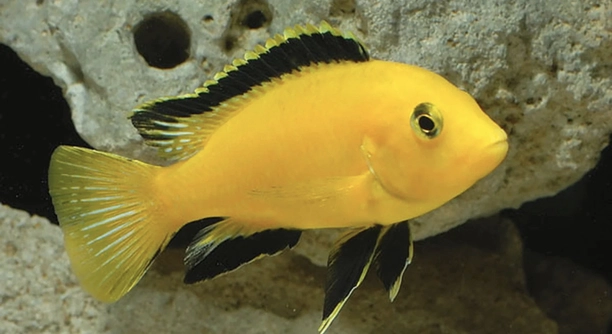
Have you ever noticed your cichlid acting a bit more protective around certain spots in the tank, giving off a sense of energy while keeping close to specific areas that seem more important than usual.
Cichlids guarding eggs display strong territorial behavior, frequent fanning of the nest, and steady hovering near the breeding site. These behaviors protect the developing eggs by improving oxygen flow, maintaining cleanliness, and reducing risks from nearby fish within the environment.
As you learn how these signs appear in daily tank life, you gain a view of your cichlids caring habits.
Identifying Protective Behavior
When a cichlid begins guarding eggs, its behavior shifts in clear and steady ways, and these changes can feel noticeable as you watch your tank each day. The fish focuses on one specific area, often a flat surface or a small pit it prepared earlier for the eggs. It stays close to this space, moving with slow and calm motions while monitoring everything nearby. You may see it chase other fish away, even those it usually ignores. This sudden firmness is a normal part of caring for eggs. The cichlid is keeping them safe, clean, and supplied with enough oxygen, which helps them develop without trouble. As you observe these behaviors over time, they become easy to recognize, and you get a better sense of how your cichlid protects its nest with steady attention and gentle dedication.
These behaviors form the core signs that show your cichlid has entered a protective phase around its eggs, creating a calmer rhythm in the tank.
Understanding these signs helps you respond with care, making the environment safer and more supportive for your cichlid as it watches over its developing eggs with quiet confidence.
Why Territorial Shifts Matter
A clear increase in territorial behavior shows that your cichlid is guarding something important, and this shift often begins the moment the eggs are laid.
When a cichlid guards its eggs, territorial changes play a large role in keeping the nest secure. The fish becomes more alert, reacts more quickly to movement in the tank, and pushes other fish away from the breeding site. These actions may seem intense, but they help maintain order and reduce stress during this sensitive period. The cichlid focuses on keeping the eggs free from debris, fanning them to improve oxygen flow, and preventing intruders from coming too close. Giving the fish enough space, stable water conditions, and minimal distractions supports its efforts. Over time, the behavior eases, especially once the fry begin to move on their own. Understanding this pattern helps you manage your tank more effectively and keeps your cichlid comfortable during this important phase.
Recognizing Nest Cleaning Patterns
Cichlids often begin cleaning their chosen nesting area with steady attention, removing small debris and keeping the surface clear. This simple behavior keeps the eggs safe and helps them receive enough oxygen as they develop in the calm space the fish has prepared.
During this stage, the cichlid spends long periods tending to the same spot, brushing the surface with gentle mouth movements and fanning the area with slow, controlled fin motions. These actions improve water flow and prevent harmful buildup around the eggs. You may also notice the fish pausing to inspect the space before returning to its cleaning routine. This pattern continues throughout the early development period and can be one of the easiest signs to recognize when observing your tank day by day.
Some cichlids become more selective about their surroundings, moving small objects or smoothing surfaces to make the spot more suitable. This extra effort helps keep the eggs in better condition and reduces stress. Paying attention to these details lets you understand how your cichlid actively prepares and maintains a safe nesting site with quiet care.
Noticing Changes in Feeding Behavior
Cichlids guarding eggs often shift their feeding habits, eating less and staying close to the nest. This decrease helps them remain alert and focused on the eggs, allowing them to respond quickly to anything approaching their chosen space.
As the guarding continues, the cichlid may take shorter trips to food, returning almost immediately to the nest. This adjustment is normal during egg protection and shows how seriously the fish prioritizes the area. The reduced feeding can also reflect mild stress from the increased responsibility, so offering food in smaller amounts and keeping the tank calm makes things easier for the fish. Avoid disturbing the space near the nest and try to maintain stable water conditions. These small steps support the cichlid’s routine and help it stay comfortable while it protects its developing eggs with steady dedication.
xxxxxxxxxxxxxxxxxxx
A guarding cichlid often stays close to its eggs, moving in small loops around the area to maintain order and keep other fish away. This steady motion helps protect the developing eggs and shows how strongly the fish focuses on the nesting space with calm daily attention added naturally always.
You may also see the cichlid pausing at the nest to inspect the eggs, gently fanning them to support healthy development. These simple actions keep the environment clean and stable, reducing risks and giving the fish a routine that supports constant care of its delicate clutch through each careful moment.
xxxxxxxxxxxxxxxxxxx
When a cichlid guards eggs, its movements become more deliberate and sharply focused on maintaining steady conditions around the nest. The fish watches every shift in the tank and adjusts its behavior to preserve calm water and safe surroundings. This heightened awareness helps limit disturbances and keeps the developing eggs protected from sudden changes. You might notice the cichlid reacting quickly to shadows or small motions nearby, then returning to slow, controlled movements once the area feels secure again. These patterns reveal how closely the fish monitors its environment while giving consistent attention to the needs of its eggs daily.
xxxxxxxxxxxxxxxxxxx
Strong guarding behavior often continues until the eggs begin to hatch, with the cichlid staying alert and ready to respond to anything approaching the nest. This steady vigilance shows how much care the fish gives to its developing offspring, creating a calm and protected space for them at all times.
How long do cichlids guard their eggs
Cichlids usually guard their eggs from the moment they are laid until the fry become strong enough to move on their own. This often lasts several days to a few weeks, depending on the species. During this period, the parent remains close to the nest, tending to the eggs with frequent fanning and cleaning. These actions keep the environment stable and help the eggs develop without issues. Once the fry begin to swim freely, the parent may continue watching over them for a short time, but the intensity of the guarding slowly decreases. Each species has its own pace, but the pattern remains steady across most types.
Do all cichlid species guard their eggs the same way
Different cichlid species show a range of guarding behaviors, though many follow similar patterns. Some keep their eggs on a flat surface, while others dig shallow pits or use hidden spots in the tank. Mouthbrooding cichlids carry the eggs or fry inside their mouth for protection, offering a different style of care. Even with these differences, the goal stays the same, which is to keep the eggs safe and stable. Water quality, tank size, and tank mates can affect how much guarding behavior you see. Each species brings its own habits, but the protective nature remains a defining trait.
Is aggressive behavior normal during egg guarding
Aggressive behavior is common when cichlids guard eggs. The parent becomes more alert and protective, chasing away fish that come too close to the nest. This behavior helps shield the eggs from possible threats and keeps the surroundings calm. The level of aggression can vary depending on the tank setup and the species. Giving the fish enough space and keeping tank mates peaceful can reduce tension. Providing caves or sheltered areas also helps create a safer environment. While aggression may seem intense at times, it is a normal response during this phase and usually settles once the fry hatch.
How can I support my cichlid while it guards eggs
Supporting your cichlid during this time includes maintaining stable water conditions and reducing unnecessary stress in the tank. Regular water changes, gentle filtration, and a calm environment help the fish stay comfortable. Feeding smaller portions more often keeps the parent close to the nest without adding extra waste to the tank. Avoid moving decorations or disturbing the area around the nest. Keeping bright lighting to a minimum can also help the fish feel less exposed. Simple adjustments like these give your cichlid the conditions it needs to protect its eggs without added pressure.
Should I separate the guarding cichlid from other fish
Separating the parent is helpful in some cases, especially if tank mates are active or curious. Other fish may try to explore the nest, leading to stress and tension. A dedicated breeding tank allows the cichlid to guard its eggs without interference. If moving the parent is not possible, creating natural barriers or using plants and shelters can help divide the space. This gives the parent a defined area to guard and reduces conflict. Watching how your cichlid reacts will guide you in choosing the best option for your tank.
What should I expect once the eggs begin to hatch
Once the eggs hatch, the fry remain close to the nest while the parent continues to guard them. The cichlid may slowly shift its attention to helping the fry stay grouped and safe. Feeding fry-safe food becomes important as they begin to move more confidently. The parent may still chase away other fish, but the intensity of the behavior starts to lessen. Over time, the fry become more independent, and the parent resumes a calmer routine. Watching this process can be rewarding, giving you a clear view of how much care cichlids invest in raising their young.
Final Thoughts
Cichlids show a steady and caring approach when protecting their eggs, and watching this behavior can teach you a lot about how these fish respond to new responsibilities in the tank. Their actions are simple but meaningful, and each movement carries a purpose. You see them clean, fan, inspect, and stay close to the nest with a quiet sense of focus. These small moments help you understand how much attention they give to their developing offspring. When you keep the environment stable and calm, the fish responds with confidence and continues its routine without unnecessary stress. This gives you the chance to observe their natural habits and support them without interfering too much. Over time, the patterns become familiar, and you start to appreciate the gentle rhythm of their care. It shows how even small changes in their behavior can reflect a deeper role they have taken on inside the tank.
As you spend more time watching your cichlid guard its eggs, you begin to recognize the effort behind each behavior. Whether it is the way the fish chases others away, how it hovers above the nest, or how it pauses to check the eggs, each action forms part of a larger routine that protects the developing fry. These steps may seem repetitive, but they reveal how strongly the fish values stability during this period. Creating a safe environment makes it easier for your cichlid to complete its task without extra pressure. This includes steady water conditions, fewer disruptions, and enough space for the fish to move comfortably. With these simple adjustments, you help the cichlid carry out its instinctive duties with less difficulty. Watching these shifts gives you a deeper look at a side of their behavior that can feel both calm and meaningful. It also helps you understand how to respond to their needs as they continue to care for their eggs.
Supporting your cichlid during this phase is not complicated when you focus on the basics. You do not need to intervene constantly or make large changes to your setup. Observing the fish and giving it a space where it feels secure can be enough. As the eggs develop and eventually hatch, you will notice the parent slowly adjusting its routine again, shifting from guarding to guiding the fry. This transition can feel rewarding to watch because it shows the full process from start to finish. Each stage gives you a better understanding of how cichlids behave and how their instincts guide them through protecting and raising their young. By staying patient and offering a stable environment, you gain a clearer look at their natural behavior and create a tank where the fish can carry out their roles without unnecessary obstacles. This simple approach helps you appreciate the experience and supports your cichlid as it continues to care for its developing family.

Hello,
If you enjoy the content that we create, please consider saying a "Thank You!" by leaving a tip.
Every little bit helps us continue crafting quality advice that supports the health, happiness, and well-being of pets around the world, for pets of all shapes, sizes, and species.
We really appreciate the kindness and support that you show us!