
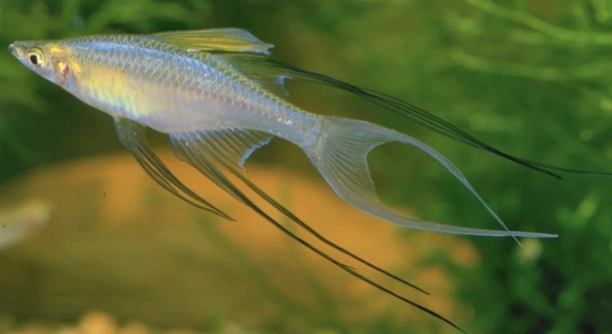
Have you ever noticed threadfins lingering near the heater, seemingly avoiding the rest of the room? This unusual behavior can be puzzling, especially for those keeping them in home aquariums or observing them in controlled environments.
Threadfins may hide behind heaters primarily due to their need for warmer, stable water temperatures. This behavior minimizes stress by creating a microenvironment with less turbulence, allowing them to conserve energy and maintain optimal physiological conditions for growth and activity.
Observing their preference for warmer spots can reveal much about their natural tendencies and environmental needs, offering insight into proper care and habitat management.
Understanding Threadfin Behavior
Threadfins often seek out heaters or warm areas because they are highly sensitive to temperature changes. In cooler water, their metabolism slows, which can make them lethargic and more prone to stress. When they find a consistently warm spot, they can maintain activity levels and support normal bodily functions. Observing this behavior closely can help you ensure that their environment meets their needs. Some threadfins also prefer areas with less movement in the water, so hiding near a heater can give them a sense of safety. Additionally, consistent warmth can encourage feeding and growth, as their bodies do not have to expend extra energy regulating temperature. For many owners, noticing these patterns provides valuable insight into their fish’s health and well-being. Adjusting tank conditions to provide stable, slightly warmer zones can prevent stress and improve overall vitality in your threadfins.
This behavior is a natural adaptation, not a sign of illness.
Properly managing their environment allows threadfins to thrive, reducing stress-related issues and promoting long-term health. Observing where they spend most of their time can guide temperature adjustments, tank layout, and water flow management. Creating a gentle gradient of temperature ensures they can choose their preferred conditions. While threadfins are hardy, sudden changes in water temperature can lead to immune suppression or reduced feeding. Maintaining a predictable, stable environment, along with clean water and adequate space, supports their natural behaviors and minimizes hidden stressors. Over time, owners will notice improved energy levels, better feeding responses, and more consistent growth when threadfins have access to warm, calm areas. Incorporating small hiding spaces around the heater can also satisfy their instinctive need for shelter while allowing easy observation. Attention to these details makes it easier to meet their needs without constant intervention.
Adjusting Tank Conditions
Warm spots near heaters can be complemented with gentle water flow to balance comfort and oxygenation.
Temperature gradients should be subtle, avoiding extremes that could stress threadfins. Careful monitoring of heater settings is essential. Providing slightly warmer zones while keeping the overall tank within safe limits helps threadfins regulate their activity naturally. Introducing plants, decorations, or rocks near heaters offers shelter while allowing them to escape if needed. Avoid placing heaters in direct high-traffic areas to minimize disturbance. Gradually acclimating fish to any temperature changes can prevent shock. Regular testing ensures consistency. By observing where your threadfins prefer to stay, you can adjust lighting, water flow, and decoration placement to match their natural behavior patterns. Over time, these small changes create a more balanced environment.
Consistent tank management improves overall fish health. Monitoring temperature preferences, maintaining stable conditions, and providing subtle gradients allow threadfins to choose their comfort zones. Overheating or stagnant areas can cause stress, so small adjustments matter. Balancing warm zones with adequate oxygenation ensures they remain active without risking water quality. Observing behavior informs future modifications, making care more precise. Creating this environment requires attention to heater placement, water circulation, and shelter, allowing threadfins to thrive naturally. Small interventions, like adding plants or decorations near warm spots, support instinctive behavior while maintaining visual access for observation. Maintaining consistent parameters avoids sudden shocks that can affect appetite or immune response. Over time, this careful management reduces health risks, supports growth, and encourages natural activity patterns. By tuning the environment thoughtfully, threadfins can display normal behaviors, feeding reliably and interacting confidently with their surroundings. This approach ultimately enhances both the fish’s well-being and the owner’s ability to maintain a healthy tank.
Tank Layout Considerations
Positioning the heater in a quiet corner helps threadfins feel secure. Avoid placing it in high-traffic areas, as sudden movement can make them retreat. Creating a clear area around the heater encourages natural exploration while maintaining their preferred warm spot.
Threadfins prefer consistent, calm environments with subtle temperature gradients. Introducing decorations, rocks, or plants around the heater provides shelter without restricting movement. These elements also break up open spaces, giving the fish choices for hiding or swimming freely. By observing where threadfins linger, adjustments can be made to improve comfort. Keeping water flow gentle near warm zones prevents stress while still maintaining oxygen levels. Over time, a carefully arranged tank encourages healthy behavior, reduces anxiety, and supports normal feeding and activity patterns.
Balancing space is crucial. Too many decorations can restrict movement, while too few leave the fish exposed. Providing hiding spots near the heater satisfies instinctive needs for shelter while allowing access to warmer water. Gradual rearrangements help threadfins adapt without triggering stress responses. Monitoring their behavior after changes ensures that the layout meets both safety and temperature needs. This careful planning encourages natural activity, allowing threadfins to swim confidently and feed consistently while enjoying controlled warmth.
Feeding Patterns Near Heat Sources
Threadfins often feed more actively near warm areas. Warmer water supports digestion and metabolism, encouraging regular eating habits.
Temperature influences appetite and activity. Fish near the heater often display faster responses to food, as energy conservation in cooler areas is unnecessary. Consistently offering food near warm spots can help maintain steady growth and prevent malnutrition. Feeding routines should match their activity patterns, providing small, frequent portions to avoid overfeeding. Observing where they eat most often informs tank adjustments and placement of feeding stations. Over time, this strategy ensures balanced nutrition and supports the fish’s natural behaviors, reducing stress and encouraging vitality.
Light and Shade Preferences
Threadfins often choose areas with moderate lighting near heaters. Bright lights can make them anxious, so shaded spots are preferred.
Providing a mix of light and shaded zones helps them feel secure. Plants or decorations can create gentle shadows without blocking warmth or movement.
Monitoring Water Quality
Heaters can slightly raise localized water temperature, affecting oxygen levels. Regular testing ensures a safe environment. Maintaining stable pH, ammonia, and nitrate levels is essential for their health and comfort. Consistent monitoring allows early detection of issues, preventing stress-related problems and supporting overall vitality in the tank.
Behavioral Observation
Watching threadfins near heaters provides insight into stress, comfort, and feeding patterns. Tracking changes can guide environmental adjustments for optimal care.
FAQ
Why do threadfins hide behind the heater?
Threadfins are sensitive to temperature changes and seek stable, warm spots to conserve energy. Hiding near the heater reduces stress, supports normal metabolism, and provides a calm environment. This behavior is instinctive and helps them maintain activity levels and overall health.
Is it dangerous for threadfins to stay near the heater?
Remaining near the heater is not inherently dangerous if the temperature is regulated. Extreme heat or direct contact with the heater surface should be avoided. Monitoring the tank’s temperature ensures the fish can move freely between warm and cooler areas without risk.
How often should I check the heater?
Regular monitoring is crucial. Checking the heater daily or using a reliable thermometer helps maintain consistent water temperature. Sudden fluctuations can stress threadfins, reduce appetite, and weaken immunity. Consistent temperature encourages feeding, growth, and natural activity.
Can hiding behind the heater indicate illness?
Not necessarily. While illness can affect behavior, threadfins often hide simply for warmth or security. Look for other signs like lethargy, color changes, or loss of appetite to identify potential health issues. Observation over time helps differentiate normal behavior from stress or sickness.
Should I move the heater if threadfins hide too much?
Adjusting heater placement may help balance the tank layout. Providing gentle water flow and shaded areas near warmth encourages exploration while maintaining comfort. Small adjustments ensure they can access warmth without being confined to a single spot, promoting natural activity and reducing stress.
Do all threadfins prefer heaters?
Most threadfins favor warm zones, but preferences can vary with age, size, or individual temperament. Some may explore more of the tank, while others consistently stay near heat sources. Observing each fish’s behavior helps tailor the environment to meet their needs.
How does temperature affect feeding?
Warmer water increases metabolism, leading to more active feeding. Threadfins near the heater often respond faster to food and digest more efficiently. Offering small, frequent meals near warm areas ensures balanced nutrition and encourages consistent growth.
What decorations work best near heaters?
Plants, rocks, and other structures create shaded areas and shelter without restricting movement. This setup satisfies instinctive hiding behaviors and allows threadfins to regulate their exposure to heat. Careful placement ensures adequate water flow and oxygen levels remain consistent.
Can I use multiple heaters for better coverage?
Yes, multiple heaters can create a gentle temperature gradient. This allows threadfins to select their preferred warmth without overcrowding a single area. Ensure heaters are placed to avoid hot spots and maintain uniform temperature control throughout the tank.
How do I know if the tank temperature is right?
Observing behavior is key. Active swimming, regular feeding, and even distribution throughout warm and cooler areas indicate proper temperature. Using a reliable thermometer and consistent monitoring prevents sudden changes that may stress threadfins.
Will hiding behind the heater affect social behavior?
Threadfins may temporarily isolate themselves near warmth, but this is normal and not a sign of aggression. Over time, they will interact with other fish once they feel secure and comfortable in the tank’s temperature gradient.
Are there alternatives to heaters for maintaining warmth?
While heaters are most efficient, other options like controlled lighting or insulating parts of the tank can help maintain stable temperatures. However, heaters provide precise control and consistent warmth, which is important for threadfins’ health.
Can hiding near the heater improve longevity?
Stable, warm conditions reduce stress and support proper metabolism, digestion, and immune function. By allowing threadfins to regulate their environment naturally, consistent warmth can contribute to overall health and a longer lifespan.
How should I acclimate new threadfins to a heated tank?
Introduce new fish gradually. Start with the tank at a moderate temperature, then slowly adjust to their preferred warmth over several hours or days. This reduces stress, encourages healthy feeding, and prevents shock from sudden temperature changes.
Is it normal for some threadfins to never leave the heater?
Yes, some individuals prefer consistent warmth. As long as water quality and oxygen levels are maintained, this behavior is not harmful. Observation ensures they remain active and feed regularly while enjoying their chosen spot.
What signs show a threadfin is comfortable near the heater?
Comfortable threadfins will swim calmly, feed regularly, and explore their surroundings near warm zones. They maintain bright coloration and exhibit normal breathing rates, indicating low stress and good health.
Can multiple threadfins share the same warm spot?
Yes, multiple fish can coexist near a heater, but overcrowding should be avoided. Providing additional hiding spots or shaded areas ensures everyone has access to warmth without causing competition or stress.
How do I balance warmth and oxygen levels?
Gentle water flow near the heater helps maintain oxygen without disturbing warmth. Combining circulation with strategic heater placement ensures threadfins can enjoy warm areas while the tank remains healthy and well-oxygenated.
Does seasonal change affect their behavior near heaters?
Yes, colder ambient temperatures may increase their time near heaters. Warmer seasons can see them exploring more of the tank. Adjusting heater settings to maintain stable water temperature regardless of season prevents stress and supports normal activity.
Can hiding near the heater prevent illness?
While warmth alone does not prevent disease, reducing stress through stable temperature can strengthen immunity. A calm, warm environment lowers vulnerability to infections and supports recovery if minor health issues arise.
How often should I clean near the heater?
Regular cleaning prevents buildup of debris or algae that can trap heat or affect water quality. Gentle maintenance ensures the heater functions properly and the surrounding area remains safe and comfortable for threadfins.
What is the ideal temperature range for threadfins?
Threadfins generally thrive in slightly warmer water, often between 24–28°C (75–82°F). Monitoring and maintaining within this range supports normal metabolism, feeding, and behavior patterns, allowing them to make full use of warm areas in the tank.
Can behavior near heaters indicate water quality issues?
Yes, sudden changes in heater preference, lethargy, or avoidance may indicate problems like low oxygen, poor pH, or high nitrates. Observing behavior alongside regular testing helps catch issues early and maintain optimal conditions.
Are there long-term effects of frequent heater use?
Consistent, moderate heater use is beneficial. Problems arise only if temperatures fluctuate widely or hot spots form. Maintaining steady, appropriate warmth encourages healthy growth, reduces stress, and supports regular feeding and activity patterns.
How do I prevent heater-related accidents?
Secure heaters properly, avoid direct contact with decorations, and ensure cords are safely positioned. Regular inspections prevent malfunction or overheating. Following manufacturer guidelines reduces risks to both fish and equipment.
Do threadfins need additional hiding spots beyond heaters?
Yes, multiple shelters like plants, rocks, or caves support natural behavior. This allows fish to move freely between warm and cooler areas while satisfying their instinct to hide without overcrowding or stress.
How can I tell if the heater is too warm?
Signs include rapid breathing, constant surface swimming, or avoidance of the heater. Use a thermometer to check exact temperature and adjust gradually. Maintaining a gentle gradient prevents stress while still providing warmth.
Can stress from improper heating affect reproduction?
Yes, inconsistent or excessive heat can suppress reproductive behavior. Providing stable temperatures and comfortable zones encourages normal mating patterns and supports egg or fry survival.
What is the best way to observe threadfins near heaters?
Watch quietly during feeding or rest periods. Note movement patterns, hiding preferences, and interactions. This insight guides adjustments in heater placement, tank layout, and feeding strategies without disturbing natural behavior.
How do I combine heater use with filtration?
Position heaters and filters to avoid direct clashes of strong flow with warm zones. Gentle circulation ensures even temperature and oxygenation while preventing stress. Observation and small adjustments maintain balance.
Can hiding near the heater affect social hierarchy?
Occasionally, dominant individuals may monopolize warm spots. Providing multiple warm areas or shaded shelters reduces competition, allowing all fish to access comfort without conflict.
How long should a threadfin stay near a heater each day?
Time varies based on temperature, activity, and individual preference. Some may spend most of the day there, while others rotate between warm and cooler areas. Observing behavior ensures they remain healthy and active.
Do heaters impact water chemistry over time?
Properly maintained heaters have minimal effect. Extreme localized heat can slightly reduce oxygen, so monitoring and gentle circulation maintain water quality. Balanced maintenance prevents long-term chemical changes.
Is it better to use a submersible or external heater?
Submersible heaters provide consistent warmth directly in the tank, while external options may be less precise. Submersible heaters are generally preferred for threadfins, as they allow controlled, evenly distributed heat and safer integration with tank decorations.
How do I prevent threadfins from injuring themselves on heaters?
Use protective guards or place heaters in areas where fish cannot make direct contact with hot surfaces. Safe placement and monitoring prevent accidental burns or stress-related injuries.
What is the ideal setup for multiple threadfins with one heater?
Provide enough space, additional hiding spots, and gentle water flow. This ensures all fish can access warmth comfortably without overcrowding or competition, promoting health and natural behavior.
Can hiding near heaters affect feeding competition?
Some fish may dominate feeding near warm spots. Spacing feeding areas, offering multiple portions, or adjusting heater placement reduces competition and ensures balanced nutrition.
Do juvenile threadfins behave differently near heaters?
Juveniles often stay closer to heaters for warmth and energy conservation. They may be less exploratory than adults, so providing gentle gradients and shelters supports growth without limiting movement.
How can I track changes in behavior over time?
Keep notes or photos of preferred locations, feeding responses, and activity levels. Tracking trends helps identify stress, health changes, or needed environmental adjustments, ensuring consistent care.
Are there natural alternatives to heaters for maintaining warmth?
Insulating tanks or controlling room temperature can help, but heaters provide precise, consistent warmth. Threadfins benefit most from predictable heating, which supports feeding, growth, and overall health.
Can multiple heaters improve fish comfort?
Yes, multiple heaters create subtle gradients, allowing fish to choose optimal warmth. Proper spacing and monitoring prevent hot spots and encourage natural behavior across the tank.
Do threadfins sleep near heaters?
They often rest near warm areas, as consistent temperature reduces stress and supports metabolism during rest periods. This behavior is normal and indicates comfort.
How do I avoid sudden temperature spikes?
Use reliable thermostats, check heaters regularly, and avoid placing heaters near fluctuating heat sources. Gradual adjustments maintain safe, stable conditions for threadfins.
Can hiding near heaters reduce aggression?
Yes, providing warm, calm areas can reduce stress-induced aggression. Multiple zones allow fish to avoid confrontation while maintaining preferred temperature, supporting a balanced tank environment.
How important is observation for long-term care?
Regular observation ensures threadfins’ needs are met. Noting heater use, feeding patterns, and behavior helps maintain proper temperature, water quality, and social balance, promoting health and longevity.
Do environmental changes affect heater preference?
Yes, lighting, decorations, or water flow changes can alter where threadfins spend time. Gradual adjustments help them adapt without stress.
Can stress near heaters lead to disease?
Prolonged stress weakens immunity, increasing susceptibility to illness. Maintaining stable warmth, gentle flow, and hiding spots minimizes stress and supports overall health.
Are there signs of overheating near heaters?
Rapid gill movement, frantic swimming, or avoidance indicate excessive heat. Adjusting temperature gradually restores comfort and reduces risk of stress or injury.
Can hiding behavior indicate preference for certain tank areas?
Yes, consistent hiding near the heater or shaded areas reflects preferred conditions. Observing these patterns helps optimize temperature, layout, and decoration placement for comfort.
How do I balance activity and rest near heaters?
Provide gentle water flow, shaded areas, and appropriate warmth. This supports both movement and rest while allowing fish to regulate exposure according to comfort.
Is it necessary to have a backup heater?
A backup ensures temperature stability in case of failure. Sudden drops can stress threadfins, so redundancy supports consistent warmth and long-term health.
How do I prevent uneven heating in the tank?
Position heaters strategically, combine with gentle circulation, and monitor temperature at multiple points. This creates a stable gradient, ensuring all areas remain suitable for threadfins.
Does tank size affect heater placement?
Larger tanks may require multiple heaters or careful placement to maintain even warmth. Observing fish distribution helps determine optimal heater positions for comfort and safety.
Can hiding near heaters affect growth?
Access to warmth supports metabolism and efficient feeding, promoting steady growth. Ensuring balanced exposure prevents stagnation while encouraging healthy development.
How often should I observe behavior near heaters?
Daily or frequent checks help identify stress, feeding patterns, and social interactions. Timely observations allow adjustments to temperature, layout, or feeding routines, ensuring ongoing comfort.
Can heater proximity impact water evaporation?
Yes, localized warmth can increase surface evaporation. Monitoring water levels and topping up as needed prevents rapid changes in chemistry or temperature.
Are there risks of overcrowding near heaters?
Too many fish in a single warm area can cause stress or reduced oxygen. Providing multiple warm zones and shelters prevents competition and supports health.
How do I maintain oxygen levels near heaters?
Gentle circulation, proper filtration, and monitoring ensure oxygen remains sufficient. Combining these with heater placement supports safe, comfortable conditions.
Do threadfins prefer specific spots on the heater side?
They often choose corners, shaded areas, or spots with gentle flow. Observing preferences helps optimize layout, decorations, and water movement for comfort.
Can changing heater settings affect social behavior?
Yes, sudden changes may disrupt hierarchy or feeding patterns. Gradual adjustments maintain stability and reduce stress-related aggression or hiding.
How important is gradual acclimation to new heaters?
Slow introduction prevents shock and stress. Gradual warming allows threadfins to explore and select comfortable zones while maintaining feeding and activity patterns.
Does hiding near heaters indicate fear of predators?
In home tanks, it is usually temperature-related. In natural environments, warm hiding spots can also provide safety. Providing shelter satisfies instinctive behaviors without indicating immediate danger.
Can prolonged hiding affect exercise?
Limited movement may reduce activity, but providing additional spaces encourages swimming while maintaining access to warmth. Balanced layout supports fitness and metabolism.
How do I optimize tank temperature for multiple species?
Ensure all species’ ranges overlap safely. Creating gradients and multiple warm areas allows threadfins and other species to coexist comfortably. Observation ensures harmony and prevents stress.
Are there seasonal adjustments needed for heaters?
Ambient temperature changes may require minor adjustments. Maintaining stable water conditions regardless of season prevents stress and ensures consistent feeding and growth.
Can threadfins become dependent on heaters?
They rely on stable warmth, but proper tank setup allows freedom to move between areas. Consistent gradients prevent over-dependence while supporting comfort.
What maintenance is required for heaters?
Regular inspections, cleaning, and monitoring prevent malfunction. Ensuring proper placement and safe operation supports fish safety and consistent warmth.
Does hiding near heaters affect interaction with other fish?
Temporary isolation is normal. As long as shelters are adequate, threadfins will engage socially when comfortable, maintaining natural group behaviors.
Can heaters influence water circulation patterns?
Warm zones can create gentle convection currents. Combining this with filtration ensures even temperature and oxygen distribution without disturbing fish.
How do I safely test new heater models?
Monitor temperature with a reliable thermometer, check for uneven heat, and gradually integrate new heaters to prevent shock or sudden changes in water conditions.
Is it normal for some threadfins to avoid heaters?
Individual preferences vary. Some fish may favor cooler areas, especially if the tank provides a balanced gradient. Observation ensures all fish can choose preferred conditions.
Can multiple hiding spots reduce stress near heaters?
Yes, providing various shaded and sheltered zones allows fish to escape competition or disturbances while maintaining access to warmth, promoting calm and natural behavior.
How do I prevent algae buildup near heaters?
Regular cleaning, balanced lighting, and water flow prevent excessive algae near heated areas. Maintaining clean surfaces ensures proper heating efficiency and a healthy environment.
Does hiding near heaters affect sleep patterns?
Stable warmth supports normal rest, allowing threadfins to sleep without disturbance. Consistent temperature contributes to overall health and natural activity cycles.
Are there specific heater types preferred for threadfins?
Submersible heaters with reliable thermostats are ideal. They provide consistent warmth, safe operation, and compatibility with decorations, supporting fish comfort and tank stability.
How do I avoid temperature swings during water changes?
Pre-warm replacement water and add gradually. Matching tank temperature prevents stress and allows threadfins to maintain regular activity near preferred warm zones.
Can hiding behavior indicate preference for water chemistry?
While primarily temperature-related, stable conditions like pH and low toxins influence comfort. Fish often select areas with optimal chemical and thermal conditions.
What is the impact of heater failure on threadfins?
Sudden temperature drops can stress or weaken fish. Backup heaters or monitoring systems prevent rapid changes, ensuring stability and health.
How can I encourage movement without stressing threadfins?
Create multiple warm and shaded zones. Gentle water flow and varied decorations encourage exploration while allowing safe return to comfort spots near heaters.
Does hiding near heaters affect color or appearance?
Proper warmth supports metabolism and reduces stress, helping maintain bright coloration and healthy scales. Excessive heat or poor water quality may negatively affect appearance.
Are there risks of prolonged inactivity near heaters?
Limited activity is normal if fish remain healthy. Providing additional spaces for swimming and exploration prevents stagnation and supports growth, muscle tone, and metabolism.
How do I combine heater use with lighting schedules?
Ensure lights do not create excessive heat or stress. Maintaining separate temperature control with gentle lighting supports natural activity patterns and comfort.
Can hiding near heaters indicate preference for certain water depth?
Yes, fish may select mid or lower depths near warmth depending on oxygen levels and comfort. Observing depth preferences helps optimize tank layout and heater placement.
How often should I test water temperature near heaters?
Daily checks are ideal initially. Once stable, regular monitoring ensures heaters remain effective and fish continue to access preferred zones safely.
Can stress near heaters affect feeding hierarchy?
Yes, dominant fish may monopolize warm feeding areas. Providing multiple feeding spots and warm zones prevents competition and ensures all fish maintain proper nutrition.
Does heater placement impact social interactions?
Strategic positioning reduces stress and allows natural hierarchy to develop. Multiple warm and shaded areas prevent aggression and promote balanced group behavior.
How do I prevent accidental burns from heaters?
Use protective guards, safe placement, and avoid direct contact with fish. Monitoring and following manufacturer instructions ensure safety for both threadfins and the tank environment.
**Can
Final Thoughts
Threadfins are naturally drawn to warm, stable areas in their environment. This behavior is instinctive and serves several important purposes, including regulating metabolism, reducing stress, and conserving energy. Hiding near heaters is a way for threadfins to create a comfortable microenvironment where they can feel secure while maintaining normal physiological functions. Observing these patterns in your aquarium can provide valuable insight into their needs and overall health. By understanding why threadfins prefer warm spots, you can make informed decisions about heater placement, tank layout, and environmental adjustments to support their well-being. It is important to remember that consistent temperature and a calm environment contribute to their activity levels, feeding habits, and long-term vitality.
Maintaining a proper balance between warmth and other tank conditions is essential. While heaters provide the stable temperature threadfins seek, additional factors like water flow, oxygenation, and hiding spots play a significant role in creating a healthy habitat. Gentle circulation prevents stagnant water while still allowing fish to enjoy the warmth near the heater. Decorations and plants can provide shaded areas and shelter, giving threadfins the option to retreat or explore as they choose. Monitoring their behavior regularly helps ensure that all areas of the tank meet their needs and prevents potential stress caused by overcrowding or uneven conditions. Gradual adjustments to heater placement, temperature, and tank setup make it easier for threadfins to adapt without sudden disruption. Attention to these details ensures they remain active, feed regularly, and exhibit natural behaviors.
Consistent care and observation are the keys to a thriving environment for threadfins. By noting their preferences for specific areas, feeding patterns, and social interactions, you can make small, thoughtful changes that enhance their comfort and health. Stable, warm areas near heaters not only support growth and metabolism but also reduce the likelihood of stress-related issues. Providing multiple hiding spots and a gentle temperature gradient allows all fish in the tank to access warmth comfortably. Over time, these efforts result in a more balanced, calm, and natural aquarium environment. Understanding threadfins’ tendencies and responding with careful tank management ensures they can thrive, remain active, and enjoy a safe, comfortable home. Paying attention to temperature, layout, and behavior creates a positive setting where threadfins can display normal activity, interact naturally, and maintain overall health and well-being.

Hello,
If you enjoy the content that we create, please consider saying a "Thank You!" by leaving a tip.
Every little bit helps us continue crafting quality advice that supports the health, happiness, and well-being of pets around the world, for pets of all shapes, sizes, and species.
We really appreciate the kindness and support that you show us!