
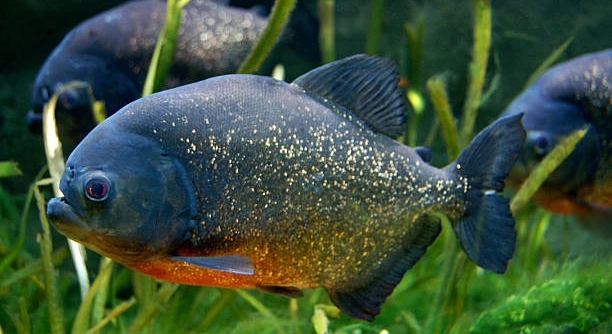
Piranhas are fascinating fish to keep, but they can sometimes show signs of stress or conflict within their group. Observing their behavior closely can help you understand if your piranhas are comfortable or if tensions are rising. It is important to recognize these signs early.
Aggressive behaviors such as chasing, biting, or constant hiding indicate that piranhas are not getting along. These conflicts can lead to injury, stress, and poor health, negatively impacting the overall environment of the tank. Early detection is essential for intervention.
Knowing these clues will help you maintain a peaceful aquarium and ensure your piranhas thrive together without unnecessary stress or harm.
Signs of Aggression Between Piranhas
When piranhas are not getting along, aggressive behavior is the most noticeable sign. They may chase each other around the tank repeatedly, often snapping their jaws or biting. Some piranhas might hide more frequently or become withdrawn to avoid conflict. You may also see torn fins or small wounds caused by bites. These signs point to stress and dominance struggles within the group, which can worsen if not addressed.
Constant fighting can disrupt the tank’s balance and harm the health of your fish. It is important to act quickly to prevent injuries or long-term stress.
Managing aggression often requires changing the tank environment. Adding plants, hiding spots, or rearranging decorations can break sightlines and reduce tension. Feeding more frequently or increasing food quantity may also help decrease competition. These simple adjustments can improve harmony and make your aquarium a healthier place for your piranhas.
Changes in Eating Habits
Loss of appetite or aggressive food guarding can indicate conflict.
Piranhas that are stressed or injured might eat less or refuse food altogether. Aggressive individuals might dominate feeding times, preventing others from eating properly. This behavior can lead to malnutrition and weaken the less dominant fish, worsening the problem. Monitoring feeding behavior closely is essential. Adjusting feeding routines by offering food in multiple places or increasing feeding frequency can reduce competition and help all fish maintain their health.
Restlessness and Excessive Movement
Piranhas that are constantly swimming without resting might be stressed due to conflict. This restless behavior often signals discomfort within the group.
Restlessness can lead to exhaustion and weaken the immune system of your fish. When piranhas are not getting along, they may chase each other or swim nervously around the tank, unable to settle. This constant movement reduces their ability to rest properly and increases stress levels. Over time, this behavior can cause illness or make injuries worse. Providing enough hiding spots and space can help reduce restlessness and give piranhas a chance to calm down.
In some cases, restlessness is caused by water quality issues or overcrowding, which may increase aggression. Ensuring proper filtration, regular water changes, and enough space in the tank is essential. Reducing stress by maintaining a stable environment helps piranhas coexist more peacefully.
Visible Injuries and Fin Damage
Injuries such as torn fins or bite marks are clear signs that piranhas are fighting.
Frequent injuries can lead to infections and serious health problems if untreated. These wounds usually occur when piranhas establish dominance or defend territory. Injured fish may become more vulnerable to disease or may hide to avoid further attacks. Regular inspection of your piranhas’ fins and bodies is necessary to catch injuries early.
To minimize damage, rearrange tank decorations to create more hiding spots and break direct sightlines between aggressive fish. Keeping the tank clean and monitoring water quality supports healing. If injuries become severe, separating the most aggressive individuals may be needed to protect the group’s overall health.
Increased Hiding Behavior
Piranhas that hide more often may be avoiding conflict. This behavior indicates stress or fear caused by aggressive tankmates.
Excessive hiding can limit feeding and social interaction. It is important to ensure hiding places are balanced with open swimming areas to reduce stress and encourage natural behavior.
Changes in Coloration
Piranhas may show duller or faded colors when stressed or injured. Color changes can signal poor health or ongoing conflicts within the tank. Monitoring coloration helps identify problems early before they worsen. Healthy piranhas usually have bright, consistent colors, while stressed ones appear pale or blotchy. Adjusting tank conditions and reducing aggression can improve their appearance and well-being.
Uneven Growth or Weight Loss
If some piranhas are smaller or thinner, they may be bullied or stressed by others. This affects their development and overall health.
How can I tell if my piranhas are stressed?
Stress in piranhas often shows through changes in behavior. They may swim restlessly, hide more than usual, or lose interest in food. Aggression like chasing or biting also indicates stress. Physical signs include torn fins, faded colors, or unusual lethargy. Monitoring these clues regularly helps catch problems early.
What causes piranhas to fight?
Piranhas fight primarily due to territorial disputes, overcrowding, or competition for food. Limited space increases stress and aggression, especially in smaller tanks. Inadequate hiding spots or lack of environmental enrichment can also provoke fights. Ensuring proper tank size and setup reduces tension between fish.
Can I keep multiple piranhas together?
Yes, but it requires careful planning. A large tank with plenty of hiding places helps. Grouping piranhas of similar size reduces bullying. Avoid overcrowding and provide enough food to minimize competition. Regular observation is essential to intervene if aggression arises.
What should I do if my piranhas are fighting?
First, check tank conditions. Improve hiding spaces and rearrange decorations to break sightlines. Increase feeding frequency or distribute food in different areas. If aggression continues, separate the most aggressive individuals temporarily. Maintaining water quality and stable conditions supports recovery.
How often should I feed my piranhas to reduce aggression?
Feeding smaller amounts multiple times a day helps lower competition. Overfeeding is not advised, but consistent feeding prevents hunger-driven fights. Offer food in several spots to ensure all fish get access without stress.
Is it normal for piranhas to be aggressive sometimes?
Some aggression is natural, especially when establishing hierarchy. However, constant fighting and injuries are not normal and should be addressed. Balanced aggression in a well-maintained tank is part of piranha behavior.
Can stress affect the health of piranhas?
Yes, prolonged stress weakens their immune system, making them prone to disease. Injuries from fighting can become infected. Stress also reduces appetite and growth rates. Minimizing stress through proper care improves their lifespan and well-being.
What tank size is ideal for multiple piranhas?
A minimum of 75 gallons is recommended for a small group. Larger tanks provide more territory and reduce conflicts. Overcrowding in smaller tanks increases aggression and stress, leading to health problems.
Are there specific tank setups that help reduce aggression?
Yes, including plenty of plants, rocks, and hiding spots helps break sightlines. Using driftwood or other decorations creates territories and refuge areas. Avoid sharp objects that can injure fish during fights. Maintaining a natural environment improves comfort and reduces conflict.
Can I use tank mates with piranhas?
Piranhas are best kept alone or with their own kind. Most other fish are at risk of being attacked or stressed. If tank mates are introduced, they should be large, fast, and able to defend themselves, but this is generally not recommended.
How do I treat injuries caused by fighting?
Isolate injured fish in a quarantine tank if possible. Clean water and good filtration help wounds heal. Adding aquarium salt can reduce infections, but use it cautiously. If infections develop, consider appropriate medication after identifying the problem.
How often should I clean the tank to keep piranhas healthy?
Regular water changes of 25-30% weekly help maintain water quality and reduce stress. Clean the substrate and filter as needed but avoid disturbing the tank too much, as this can increase aggression temporarily.
What signs show that piranhas are feeding properly?
Healthy piranhas eat regularly and maintain good body condition. There should be little leftover food after feeding sessions. Uneaten food can pollute the water, so adjust feeding amounts accordingly.
Can stress cause color changes in piranhas?
Yes, stressed or sick piranhas often lose their vibrant colors. Dull or faded coloration is a warning sign that something is wrong. Improving tank conditions and reducing aggression usually restores their natural colors.
How can I prevent aggression from starting in a new tank?
Introduce piranhas simultaneously to reduce territorial behavior. Provide plenty of hiding places and ensure the tank is spacious. Avoid sudden changes and keep the environment stable. Careful planning limits stress and conflict from the beginning.
Final Thoughts
Keeping piranhas together can be challenging, especially if they are not getting along. It is important to recognize the signs of conflict early to prevent serious problems. Behaviors such as constant chasing, hiding, restlessness, and physical injuries indicate that the group is under stress. Addressing these issues quickly helps maintain a healthier and calmer environment for all the fish. Proper care involves watching their behavior closely and making changes when needed.
Creating the right tank setup is key to reducing aggression among piranhas. This includes providing enough space, hiding places, and maintaining good water quality. Overcrowding often leads to fights, so a large tank with plenty of territory is necessary. Decorations like rocks, plants, and driftwood help break up the space and give fish places to retreat. Consistent feeding schedules and distributing food in multiple spots also lower competition. When the environment is stable and comfortable, piranhas tend to be less aggressive.
Despite best efforts, sometimes conflicts still happen. In these cases, separating the most aggressive fish may be needed to protect the rest of the group. Monitoring injuries and treating them promptly is also important to prevent infections. Keeping stress levels low and providing proper care supports the health and well-being of your piranhas. Understanding their behavior and needs is essential to keeping them peaceful and thriving in a shared tank.

Hello,
If you enjoy the content that we create, please consider saying a "Thank You!" by leaving a tip.
Every little bit helps us continue crafting quality advice that supports the health, happiness, and well-being of pets around the world, for pets of all shapes, sizes, and species.
We really appreciate the kindness and support that you show us!