
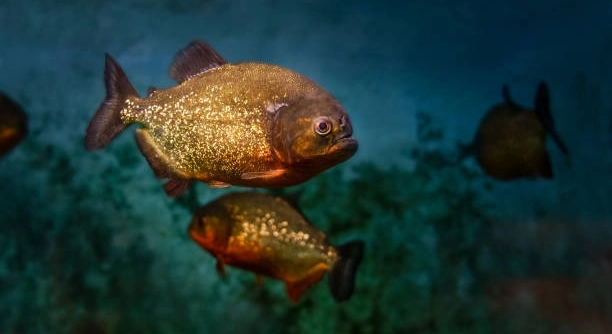
Keeping piranhas comfortable in their tank requires attention to their natural behaviors and needs. Proper tank habits help reduce stress and encourage healthy interactions among these fish. Maintaining a suitable environment is key to their overall well-being.
Seven tank habits contribute to making piranhas feel safe, including maintaining consistent water conditions, providing adequate hiding spaces, avoiding sudden disturbances, controlling lighting, offering proper diet, ensuring enough space, and minimizing overcrowding. These factors collectively support their sense of security.
Understanding these habits will improve your ability to create a calm and stable environment for piranhas. Implementing them helps ensure the fish remain healthy and display natural, relaxed behaviors in captivity.
Consistent Water Conditions
Maintaining stable water conditions is essential for piranhas to feel secure. Sudden changes in temperature, pH, or water chemistry can stress them out, causing defensive or erratic behavior. Regular testing of water parameters helps detect any fluctuations early. Consistency creates a predictable environment where piranhas can relax. Using a reliable heater and filtration system supports maintaining the right temperature and cleanliness. Water changes should be done carefully and gradually to avoid shocking the fish. Keeping the tank free from toxins and waste also contributes to their comfort. Observing how piranhas respond during water maintenance can give clues about their stress levels. Overall, a steady environment helps piranhas maintain their health and natural behavior.
Gradual water changes help keep the tank environment steady and reduce stress for piranhas.
Creating stable water conditions requires regular monitoring and gentle maintenance routines. Using equipment designed for precise temperature control is important. Testing kits allow quick checks of pH and ammonia levels to ensure safe water quality. Avoid sudden, large water changes that can disrupt the balance. Instead, change smaller amounts more frequently. Maintaining cleanliness with an efficient filter removes debris and toxins. Good water quality supports healthy respiration and feeding habits in piranhas. This stability prevents illness and encourages a peaceful tank atmosphere where the fish feel secure.
Providing Adequate Hiding Spaces
Piranhas need places to hide to feel safe and reduce stress. Hiding spots mimic their natural habitat, giving them refuge when they feel threatened. This encourages natural behaviors and reduces aggression. Without shelter, piranhas may become more defensive or anxious. Using plants, rocks, or decorations creates a variety of hiding areas. These should be arranged thoughtfully to avoid overcrowding but still offer enough space for each fish. Providing adequate cover helps piranhas feel less exposed and vulnerable, which is important for their well-being and social stability within the tank.
Avoiding Sudden Disturbances
Sudden movements or loud noises can startle piranhas, causing stress and defensive behavior. Keeping the tank area calm helps maintain their sense of safety.
Frequent disturbances create an unpredictable environment, which increases piranha anxiety. Avoid tapping the glass or making abrupt changes near the tank. When performing maintenance, move slowly and calmly. This reduces stress and helps fish stay relaxed. Over time, piranhas become accustomed to gentle activity around their tank, which encourages normal behavior and less aggression. Minimizing disturbances also prevents injuries caused by panic swimming or collisions.
A peaceful environment supports the piranhas’ natural instincts and prevents them from feeling threatened. When the tank area remains quiet and stable, fish spend more time exploring and feeding. This improves their health and overall well-being. Establishing a routine around the tank reduces surprise elements, making piranhas more comfortable in captivity.
Controlling Lighting
Proper lighting is important for piranhas to feel secure and maintain their natural rhythms. Bright or constant light can cause stress.
Using a lighting schedule that mimics natural day and night cycles supports their internal clock. Avoid overly bright lights that may make piranhas feel exposed. Dimmer lighting or shaded areas in the tank allow fish to retreat when needed. Gradual transitions between light and dark help reduce sudden shocks. This controlled lighting creates a balanced environment where piranhas can rest and stay active at appropriate times.
Lighting influences piranhas’ behavior and health by regulating sleep patterns and feeding habits. A well-lit tank during the day encourages activity and interaction, while a darker period at night promotes rest. Consistent lighting cycles reduce stress hormones and support the immune system. Adjusting the intensity and duration based on tank setup and species needs helps optimize comfort. Proper lighting management is a simple yet effective way to improve tank conditions for piranhas.
Offering Proper Diet
A balanced diet keeps piranhas healthy and less aggressive. Feeding them high-quality food that matches their needs is essential.
Regular feeding schedules prevent hunger-driven stress and aggression. Avoid overfeeding to maintain water quality and prevent health problems.
Ensuring Enough Space
Piranhas need enough space to swim freely and establish territories. Crowding causes stress and fights. A larger tank helps maintain peace and supports natural behavior.
Providing ample room reduces competition for resources and gives each fish a safe area. It improves water quality by diluting waste and allows for better filtration.
Minimizing Overcrowding
Overcrowding increases stress and aggression in piranhas. Keeping the number of fish appropriate for the tank size helps maintain a stable environment.
Too many fish in one tank lead to poor water quality and frequent conflicts. Proper stocking levels promote healthy social interactions and reduce the risk of disease.
FAQ
How often should I change the water in my piranha tank?
Water changes are vital to maintaining a healthy environment. Generally, changing 20-30% of the tank water every week works well. This keeps harmful substances like ammonia and nitrates at safe levels. Make sure the new water matches the temperature and pH of the tank to avoid shocking the fish. Gradual changes are best, so avoid replacing too much water at once.
What is the ideal temperature for piranhas?
Piranhas thrive in water temperatures between 74°F and 82°F (23°C to 28°C). Maintaining a consistent temperature within this range supports their metabolism and immune system. Sudden temperature drops or spikes can stress piranhas, making them vulnerable to illness. Use a reliable aquarium heater and thermometer to monitor conditions regularly.
Can piranhas live with other fish?
Piranhas are generally aggressive and territorial. They do best in species-specific tanks or with carefully chosen tank mates that are large and fast enough to avoid attacks. Smaller or slow-moving fish are at risk of being eaten. It’s important to research compatible species and provide plenty of hiding spots to reduce conflicts.
What do piranhas eat?
Piranhas are omnivores but lean heavily toward carnivorous diets in captivity. They enjoy live or frozen foods such as fish, shrimp, and insects, alongside high-quality pellets designed for carnivorous fish. Providing a varied diet ensures they receive necessary nutrients and reduces boredom. Avoid overfeeding to maintain water quality.
How can I tell if my piranha is stressed?
Signs of stress include erratic swimming, loss of appetite, hiding excessively, or aggression beyond normal behavior. Stressed piranhas may also show faded colors or damaged fins. These behaviors often indicate poor water quality, improper tank conditions, or overcrowding. Regular observation helps catch problems early and adjust care accordingly.
Is it necessary to use a filter in a piranha tank?
Yes, filtration is essential to keep the water clean and free of toxins. Piranhas produce waste that can quickly pollute the tank. A good filter removes debris, excess food, and harmful chemicals. It also helps oxygenate the water. Choose a filter suitable for the tank size and clean it regularly to maintain efficiency.
How large should my tank be for piranhas?
A minimum tank size of 40 gallons is recommended for a single adult piranha. For groups, increase the tank size by at least 20 gallons per additional fish. This space helps reduce aggression by allowing territories and provides enough swimming room. Larger tanks also make it easier to maintain water quality.
Do piranhas need special lighting?
Piranhas do not require special lighting but benefit from a natural light cycle. Moderate lighting with periods of dimness or darkness mimics their natural environment. Avoid bright, constant lighting as it can stress the fish. Providing shaded areas with plants or decorations gives them places to retreat.
Can piranhas recognize their owners?
Piranhas can become accustomed to regular feeding routines and may recognize the person who feeds them. They might follow movement near the tank or come to the surface when food is presented. This recognition is more about learned behavior than affection but shows they can respond to consistent care.
How often should I feed my piranhas?
Feeding adult piranhas two to three times per week is sufficient. Juveniles may need more frequent feedings. Avoid daily feeding as overfeeding can pollute the water and cause health issues. Offer only as much food as they can eat in a few minutes to prevent leftovers from decaying in the tank.
Final Thoughts
Maintaining a tank where piranhas feel safe requires attention to several important habits. Consistency in their environment helps reduce stress and aggressive behavior. Providing proper space, controlling lighting, and feeding a balanced diet are key elements. These habits contribute to a healthy, stable habitat where piranhas can thrive. Following them ensures the fish remain calm and display natural behavior, which is beneficial for both the fish and the tank owner.
Tank conditions play a major role in how piranhas respond to their environment. Avoiding sudden disturbances and minimizing overcrowding help keep the fish comfortable. Stress from noisy or unpredictable surroundings can lead to health problems or fighting among tank mates. Regular water changes and a good filtration system also support clean water and stable living conditions. Attention to these factors creates a peaceful atmosphere that meets the needs of piranhas.
Ultimately, creating a safe environment takes patience and careful management. Observing the fish regularly allows quick responses to any signs of stress or discomfort. Adjusting tank setup and care routines based on piranhas’ behavior improves their well-being over time. The goal is to provide a space that feels secure, encouraging calmness and natural activity. This thoughtful approach benefits both the fish and the overall success of maintaining a piranha tank.

Hello,
If you enjoy the content that we create, please consider saying a "Thank You!" by leaving a tip.
Every little bit helps us continue crafting quality advice that supports the health, happiness, and well-being of pets around the world, for pets of all shapes, sizes, and species.
We really appreciate the kindness and support that you show us!