
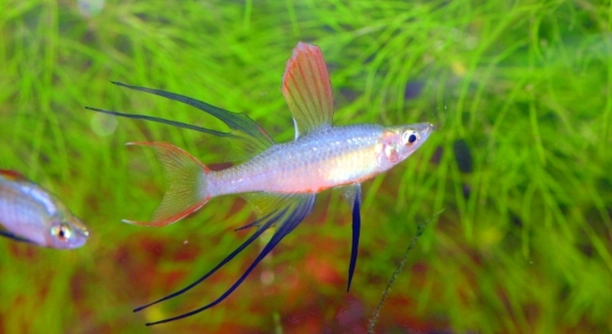
Threadfin are social fish that thrive in carefully balanced groups. Even minor disruptions in their environment or handling can disturb their interactions, causing stress and unexpected behaviors within the school of fish. Observing their dynamics helps maintain harmony.
Threadfin social structures are sensitive to human interference and environmental inconsistencies. Common mistakes, such as overcrowding, improper feeding schedules, or abrupt changes in habitat, can disrupt hierarchy, increase aggression, and reduce overall health within the group.
Recognizing these missteps early ensures the school remains stable and healthy, allowing threadfin to display their natural behaviors without unnecessary stress.
Overcrowding and Space Issues
Threadfin require ample space to move freely and establish territories. When their tank or natural environment is too crowded, stress levels increase, and social hierarchy becomes unstable. Fish may begin to compete aggressively for resources, which can lead to injury or prolonged tension within the group. Providing adequate space allows individuals to maintain personal areas, reducing conflict and promoting natural behavior patterns. Observing how fish interact in less crowded conditions often reveals a calmer, more cohesive school. Regularly assessing tank size and population density is crucial. Overcrowding also affects water quality, which can have indirect consequences on social behavior. Ensuring each fish has enough room to swim, forage, and retreat contributes to their overall well-being and stability. Space management is a simple but often overlooked factor in maintaining harmony.
Maintaining proper spacing reduces stress and supports natural social interactions, allowing threadfin to thrive without unnecessary conflicts or disruptions.
Providing enough space encourages natural schooling behavior, reduces aggressive encounters, and allows fish to establish clear roles within the group. Regular monitoring ensures long-term stability and healthier interactions.
Improper Feeding Practices
Feeding inconsistencies can unsettle threadfin social order. Irregular feeding times or uneven distribution of food can trigger competition and aggression.
Feeding should be predictable and balanced, providing all fish with adequate nutrition without favoring dominant individuals. Unequal access may lead to weaker fish being bullied or stressed, affecting their health and social standing. Small, frequent meals can help reduce tension and prevent fights over limited resources. Monitoring feeding behavior ensures all fish receive their share and maintain strength, supporting a stable hierarchy. Overfeeding can also harm water quality, indirectly affecting interactions. By observing responses during feeding, adjustments can be made to maintain calm and equitable conditions. Consistency in diet and timing reinforces expected behavior, minimizing surprises that disrupt group dynamics.
A structured feeding approach prevents stress-induced aggression and supports both health and social balance. Consistent routines are key to maintaining order.
Sudden Environmental Changes
Sudden changes in water temperature, salinity, or lighting can stress threadfin and disrupt their social interactions. Consistency is essential to maintain calm and predictable behavior.
Rapid alterations in the environment can cause fish to become disoriented, increasing aggression or withdrawal. Threadfin rely on stable conditions to recognize hierarchy and maintain regular schooling patterns. Abrupt shifts may trigger defensive behavior, reducing cooperative feeding and territorial stability. Even minor changes in pH or oxygen levels can provoke tension. Gradual adjustments allow fish to adapt without compromising social cohesion, preserving natural roles within the group. Observing fish reactions to environmental factors helps prevent repeated disruptions. Maintaining stable water conditions reduces stress and ensures smooth daily interactions.
Unexpected fluctuations in their habitat can disturb feeding, mating, and movement patterns. Ensuring predictable conditions supports calm behavior, strengthens social bonds, and protects health, preventing long-term negative effects on the group’s structure.
Dominance Conflicts
Threadfin occasionally test boundaries to establish dominance, which can escalate if left unchecked. Understanding these interactions prevents long-term tension.
Dominance conflicts arise when multiple fish compete for territory, mates, or food. Without proper monitoring, disputes can lead to injury or chronic stress for lower-ranking individuals. Observing patterns allows adjustments, such as rearranging tank decor or providing additional hiding spaces, which help reduce friction. Intervening too aggressively, however, may confuse the fish and disrupt natural social order. Allowing minor challenges while preventing escalation ensures hierarchy is respected. Careful management of dominant behavior maintains balance, allowing each fish to feel secure within the group. Recognizing subtle signs, like chasing or fin displays, provides insight into potential problems before they intensify.
Managing dominant interactions with attention and patience helps preserve stability, allowing the school to function effectively. Providing clear boundaries and support spaces keeps tension minimal.
Inadequate Hiding Spots
Threadfin need places to retreat when stressed or challenged. Lack of shelters increases tension and aggression within the group.
Providing rocks, plants, or artificial caves helps fish establish safe zones. These areas allow lower-ranking individuals to rest, reducing stress and preventing unnecessary confrontations.
Overhandling and Disturbances
Frequent handling or tapping on the tank disrupts social balance. Fish can become skittish, leading to unpredictable behavior and temporary hierarchy shifts.
Consistent minimal disturbance allows threadfin to interact naturally. Limiting handling and sudden noises preserves their established roles, reduces stress, and supports overall social cohesion.
Poor Water Quality
Dirty or imbalanced water affects behavior and health. Pollutants can trigger aggression, weaken immune systems, and disturb school stability.
FAQ
How often should I check water quality for threadfin?
Water quality is essential for maintaining social stability among threadfin. Testing for ammonia, nitrites, nitrates, pH, and temperature at least once a week is recommended. Regular monitoring allows you to detect small fluctuations before they stress the fish or disrupt hierarchy. Maintaining consistent levels keeps the school calm and reduces aggressive behaviors.
What are the best hiding spots for threadfin?
Threadfin benefit from rocks, dense plants, or artificial caves. Hiding spots allow lower-ranking fish to retreat when stressed or threatened. These shelters reduce conflict and provide areas for rest. Positioning them throughout the tank ensures all fish have access, promoting overall stability and preventing constant chasing or bullying.
Can feeding frequency affect social structure?
Yes. Irregular or uneven feeding can create competition and dominance struggles. Small, consistent meals distributed evenly reduce stress and aggression. Observing fish during feeding helps ensure weaker or shy individuals get their share, supporting both health and hierarchy. Avoid overfeeding, as it can harm water quality and indirectly affect behavior.
How do I manage dominance conflicts?
Dominance conflicts are natural but should not escalate. Minor challenges help establish hierarchy, but frequent aggression can be harmful. Rearranging tank decorations, adding hiding spots, or temporarily separating aggressive individuals can prevent injury. Intervene carefully, allowing natural social behavior while preventing stress or prolonged disputes.
What environmental changes should I avoid?
Threadfin are sensitive to sudden changes in temperature, lighting, salinity, or pH. Abrupt alterations can cause disorientation, stress, and social instability. Gradual adjustments are safer and allow fish to adapt without disrupting hierarchy. Consistent water parameters maintain calm, predictable behavior and preserve the social order within the school.
How much space do threadfin need?
Adequate space is crucial for schooling behavior and territorial boundaries. Overcrowding increases stress, aggression, and disease risk. Ensure each fish has room to swim, forage, and retreat. Proper spacing supports natural interactions, reduces conflict, and helps maintain long-term social balance. Regularly reassess tank size and population density.
What signs indicate social stress in threadfin?
Signs include increased chasing, hiding, loss of appetite, or erratic swimming. Dominant individuals may frequently harass lower-ranking fish. Sudden color changes or lethargy can also indicate stress. Observing daily behavior allows early detection and correction of environmental or social factors causing tension, keeping the school healthy.
Can overhandling affect behavior?
Frequent handling or tapping on the tank can make threadfin skittish, temporarily shifting social hierarchy. Limiting disturbances preserves established roles, reduces stress, and allows natural interactions. When necessary, handle fish gently and minimally to avoid disrupting group dynamics or provoking aggressive responses.
How does water cleanliness impact social structure?
Poor water quality weakens immune systems and increases irritability, causing aggressive behavior or social imbalance. Regular cleaning, proper filtration, and monitoring chemical levels prevent stress and maintain harmony. Clear, balanced water supports stable interactions, reduces disease risk, and helps threadfin exhibit natural behaviors.
Is it normal for threadfin to show occasional aggression?
Yes. Minor aggression is part of establishing and maintaining hierarchy. However, constant or severe aggression indicates stress, overcrowding, or environmental issues. Addressing these factors ensures conflicts remain controlled and hierarchy remains stable, protecting both weaker and dominant fish.
How can I support weaker fish in the group?
Provide hiding spots, distribute food evenly, and minimize disturbances. Observing interactions allows intervention if aggression becomes excessive. Ensuring access to safe areas and consistent feeding supports health and social stability, allowing all individuals to thrive without chronic stress.
Do changes in lighting affect social behavior?
Sudden changes in lighting can startle threadfin, increasing aggression or withdrawal. Gradual adjustments in intensity or photoperiod allow adaptation. Consistent light cycles help fish maintain predictable activity patterns, reducing stress and maintaining hierarchy. Proper lighting supports both social and physical well-being.
How long does it take for social balance to re-establish after disruption?
Re-establishing balance depends on the severity of the disruption. Minor disturbances may resolve in hours or days, while significant environmental or social changes can take weeks. Monitoring interactions, providing hiding spots, and stabilizing conditions accelerates recovery, helping fish return to normal schooling and hierarchy.
What role does diet quality play in behavior?
Nutritious, balanced diets keep fish healthy and resilient. Poor nutrition weakens fish, increasing vulnerability to aggression and stress. High-quality food ensures energy for normal activity, reduces irritability, and supports proper growth, all of which contribute to maintaining stable social structures in the school.
Can tank decorations influence social harmony?
Yes. Properly arranged decorations create territories, reduce line-of-sight conflicts, and provide retreat spaces. Avoid overcrowding with decor, as this can restrict movement. Thoughtful placement encourages natural interactions, prevents prolonged harassment, and supports the school’s hierarchy, contributing to overall stability and well-being.
Are temperature fluctuations a serious concern?
Yes. Threadfin are sensitive to sudden temperature changes, which can trigger stress and aggressive behaviors. Gradual adjustments are safer, allowing fish to adapt without disrupting social order. Stable temperature ensures predictable interactions, reduces stress, and maintains long-term group cohesion.
How can I tell if hiding spots are sufficient?
If all lower-ranking fish can retreat without being chased constantly, the arrangement is sufficient. Observing fish behavior during feeding and conflicts indicates whether more shelters are needed. Adjust placement or add additional spots to prevent chronic stress and allow all fish to feel secure.
Do threadfin recover quickly from short-term stress?
They can recover if conditions stabilize quickly. Short-term disturbances, like minor environmental changes, may temporarily alter behavior. Providing safe spaces, consistent feeding, and stable water conditions helps fish regain confidence, resume normal schooling, and restore social balance efficiently.
What common mistakes disrupt threadfin social structure?
Overcrowding, inconsistent feeding, sudden environmental changes, lack of hiding spots, and frequent handling are the most frequent mistakes. Each factor can increase stress, trigger aggression, and destabilize hierarchy. Awareness and careful management of these elements maintain calm, healthy interactions within the group.
How do I prevent long-term social stress?
Regular monitoring, adequate space, consistent feeding, clean water, and environmental stability prevent prolonged stress. Providing hiding spots, observing behavior, and addressing conflicts early help maintain a balanced, peaceful school where all threadfin can thrive.
Can stress affect breeding or growth?
Yes. Stressed fish may show reduced appetite, slower growth, and lower reproductive success. Maintaining stable conditions, proper nutrition, and minimal disturbances supports healthy development and ensures the social structure does not interfere with natural behaviors like mating or schooling.
Final Thoughts
Maintaining a stable social structure for threadfin requires consistent attention to their environment and behavior. Each factor, from tank size to water quality, plays an essential role in ensuring fish can interact naturally without unnecessary stress. Overcrowding is a common issue that many caretakers overlook, yet it directly affects how fish establish hierarchy and move within the space. Threadfin need enough room to swim freely, forage, and retreat when challenged. Providing proper spacing reduces aggression and helps weaker fish maintain their health while allowing dominant individuals to assert their roles without creating excessive tension. Observing the group regularly helps identify whether space adjustments are needed and ensures the school functions smoothly. Even small improvements, like adding additional hiding spots or rearranging decorations, can have a noticeable effect on overall social stability.
Feeding routines are another critical element that impacts group dynamics. Inconsistent feeding times or unequal distribution of food can quickly disrupt the established hierarchy. Lower-ranking fish may be bullied or pushed aside, which not only affects their health but also stresses the entire group. Small, frequent meals delivered evenly can minimize competition and prevent aggressive behaviors from becoming persistent. Overfeeding is also harmful, as it affects water quality and indirectly causes behavioral issues. Ensuring a balanced diet and monitoring interactions during feeding allows all fish to thrive while maintaining order. Over time, predictable routines help threadfin feel secure and comfortable in their environment, which supports both physical well-being and social cohesion.
Environmental stability and careful handling are equally important. Sudden changes in water temperature, salinity, or lighting can confuse fish and temporarily disrupt social balance. Frequent disturbances, such as tapping on the tank or unnecessary handling, can make fish skittish and alter interactions. Gradual adjustments and minimal interference allow threadfin to adapt without stress. Clean water with stable chemical levels is critical, as poor conditions weaken immune systems and can trigger aggressive or defensive behaviors. Paying close attention to these factors ensures the school remains harmonious, reducing long-term problems. By combining thoughtful care, proper space management, consistent feeding, and a stable environment, threadfin can maintain their natural behaviors, establish clear social roles, and live in a healthy, balanced community.

Hello,
If you enjoy the content that we create, please consider saying a "Thank You!" by leaving a tip.
Every little bit helps us continue crafting quality advice that supports the health, happiness, and well-being of pets around the world, for pets of all shapes, sizes, and species.
We really appreciate the kindness and support that you show us!