
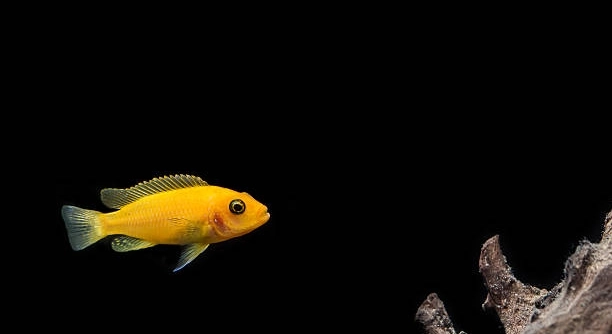
Cichlids are fascinating fish that display strong territorial behaviors in their aquariums. Watching them interact with their environment can reveal a lot about their comfort and overall well-being in the tank.
Cichlids often seek new territory due to overcrowding, stress, or lack of suitable hiding spots. Changes in behavior, aggression, or frequent swimming near tank boundaries indicate a need for a more appropriate or enriched space.
Recognizing these signals early helps ensure your cichlid stays healthy and content, preventing long-term stress and promoting a balanced aquarium environment.
Increased Aggression Toward Tank Mates
When a cichlid becomes more aggressive than usual, it is often a sign that its current territory no longer feels sufficient. You may notice it chasing or nipping at other fish more frequently. This behavior can increase during feeding times or near favorite hiding spots, and it may escalate to persistent bullying if not addressed. Territorial disputes can stress both the aggressive cichlid and the other fish in the tank, leading to potential injuries or long-term health issues. Observing these interactions carefully can provide insight into whether the aggression is situational or consistent. Adjusting decorations, adding more hiding spots, or expanding the tank are practical ways to reduce stress and improve harmony. Monitoring the cichlid’s behavior over several days ensures that interventions are effective and helps determine if it truly needs a larger or different territory to feel secure.
Aggression is a strong indicator that your cichlid is struggling with its current space. Proper adjustments can prevent harm and stress.
Aggression can escalate quickly if ignored. Even minor nips can cause wounds that lead to infection, especially if water quality is not optimal. It’s essential to provide visual barriers like rocks or plants, which allow fish to retreat and reduce confrontations. Rearranging tank décor can create new territory boundaries, giving the cichlid a sense of ownership over a fresh area. In some cases, increasing tank size is necessary, particularly when multiple territorial fish are involved. Watching feeding behaviors and interactions closely helps identify specific triggers. Consistently aggressive fish may also require temporary separation to allow other species to thrive. A calm and enriched environment ultimately improves social dynamics and reduces stress, benefiting all tank inhabitants.
Frequent Patrolling of the Tank
Cichlids that swim continuously along the tank edges or corners may be signaling territorial discomfort. This behavior shows restlessness and a need for more space.
Restless patrolling often indicates that the fish feels confined. Expanding the habitat or adding visual boundaries can reduce this stress.
Patrolling is a natural behavior for cichlids when exploring or defending territory, but excessive movement often points to frustration. Fish may circle repeatedly, linger near tank glass, or hover over favorite hiding spots. Stress from limited space can impact appetite and immune function, so recognizing early signs is important. Introducing plants, rocks, or caves creates zones within the tank, giving the cichlid a sense of control and security. Adjusting tank layout periodically prevents monotony and reduces repetitive swimming. In larger setups, adding partitions can simulate multiple territories, allowing more peaceful interactions among fish. Observing how the cichlid responds to these changes helps determine if the adjustments meet its territorial needs, ensuring a healthier, more balanced environment.
Frequent Hiding
Cichlids that spend most of their time in caves or behind decorations may feel insecure in their current territory. Limited space or aggressive neighbors often push them to seek refuge more often than normal.
Constant hiding can indicate stress and discomfort in the tank. Fish that rarely come out may struggle to feed properly or interact with other tank mates. Adding additional shelters or rearranging the tank layout can provide multiple safe zones, reducing stress. Observing the fish’s behavior over several days helps determine if the hiding is temporary or a consistent need for security.
Even with adequate food and clean water, persistent hiding shows the cichlid may not feel in control of its environment. Creating vertical and horizontal structures allows the fish to claim small sections as its own. This can reduce stress and aggression, as it knows safe spaces exist. Monitoring changes in hiding behavior after adjustments shows whether the territory meets the cichlid’s comfort needs.
Changes in Feeding Behavior
A drop in appetite or selective eating often signals territorial discomfort or stress. The fish may feel unsafe coming out to feed.
When cichlids alter their feeding habits, it often reflects broader environmental issues. Stress from overcrowding or lack of hiding spots can make the fish hesitant to eat. Some may only feed in sheltered areas or avoid feeding altogether. Adjusting tank layout, introducing more space, and ensuring calmer conditions can help restore normal feeding behavior.
Feeding behavior is a reliable indicator of how comfortable a cichlid feels in its territory. If a fish consistently avoids food or shows irregular eating patterns, it suggests a need for change. Providing multiple feeding spots, reducing competition, and ensuring hiding spots are near food can encourage natural feeding routines. Observing interactions with other fish during feeding helps identify stress sources. Over time, these adjustments allow the cichlid to regain confidence and establish a secure area, promoting better nutrition and overall well-being.
Restless Swimming
Cichlids that swim back and forth repeatedly may feel confined. Continuous movement along the tank edges often signals a need for more territory or an unsettled environment.
This restlessness can stress the fish and affect its health. Adding decorations or creating defined zones can help reduce continuous swimming and give the cichlid areas to claim as its own.
Color Fading
A noticeable dulling of colors often reflects stress or dissatisfaction with the current environment. Fish may lose vibrancy when they feel threatened or cramped.
Cichlid coloration is closely tied to comfort and confidence. When a fish cannot establish a secure area, its colors may fade, signaling stress. Improving territory boundaries and offering visual barriers or hiding spots can help restore its natural vibrancy.
Frequent Displaying
Cichlids showing fins, gill flaring, or head-down postures often indicate attempts to assert dominance over limited space. This behavior signals a need for clearer territory or separation.
FAQ
How do I know if my cichlid really needs a new territory?
Signs like increased aggression, constant hiding, frequent patrolling, or fading colors often indicate that your cichlid is stressed or uncomfortable. Observing changes in feeding, resting, or swimming patterns can confirm whether the current space is insufficient. Consistent behavior over several days usually signals a genuine need for a larger or rearranged habitat.
What is the best way to expand a cichlid’s territory?
Adding decorations, rocks, caves, and plants can create distinct zones within the tank, giving the fish multiple areas to claim. Rearranging the layout periodically also allows the cichlid to feel ownership over different sections. In larger setups, introducing partitions or increasing tank size can prevent overcrowding.
Can adding hiding spots really reduce aggression?
Yes. Cichlids feel more secure when they have multiple hiding areas. These shelters allow them to retreat when threatened, reducing stress and territorial disputes. Plants, rocks, and small caves provide visual barriers and safe zones, helping maintain calmer interactions among all tank inhabitants.
How do I handle a cichlid that constantly patrols the tank?
Frequent patrolling usually shows restlessness. You can break up open spaces with decorations and plants to create boundaries. This gives the fish the feeling of controlled territory. Observing behavior after rearranging the tank helps determine whether changes are sufficient to reduce constant swimming.
Why is my cichlid’s color fading?
Color fading is a stress response. Limited space, aggressive neighbors, or lack of hiding spots can cause the fish to lose vibrancy. Providing a secure, enriched environment with defined zones allows the cichlid to regain confidence, which often restores its natural coloration over time.
Is decreased feeding a serious concern?
Yes. Reduced appetite often signals stress or discomfort in the environment. Consistent changes in feeding behavior may affect growth and immune function. Ensuring multiple feeding areas, fewer aggressive interactions, and more territory options can encourage normal eating patterns.
How do I prevent territorial conflicts in the first place?
Establish adequate space and visual barriers from the start. Maintain proper stocking density, provide hiding spots, and group compatible species together. Early interventions reduce aggression, stress, and long-term health problems, creating a balanced environment for all cichlids in the tank.
Can two aggressive cichlids share a tank successfully?
It is possible but requires careful planning. Provide enough space, separate zones, and multiple hiding spots. Regularly monitor interactions and adjust decorations or partitions as needed. If conflicts persist, separating the fish temporarily or permanently may be necessary to maintain peace.
How often should I rearrange the tank?
Rearranging every few weeks can help break established dominance patterns and create new territories. Avoid sudden, frequent changes, as these may stress the fish. Gradual adjustments give the cichlid time to explore and claim new areas safely.
Are there signs that a cichlid has fully adjusted to a new territory?
Yes. Reduced aggression, regular feeding, normal swimming patterns, and vibrant colors indicate that the fish feels secure. Observation over several days confirms that the territory meets its needs and supports overall health and well-being.
What should I do if behavior doesn’t improve after changes?
Persistent stress signals may require increasing tank size or separating aggressive fish. Consulting experienced aquarists or specialists can provide tailored advice. Continuous monitoring ensures that adjustments are effective and that all fish remain healthy, reducing the risk of long-term stress or injury.
How can I make a small tank work for territorial cichlids?
Use vertical space, dense plants, rocks, and caves to create micro-territories. Visual barriers are crucial to prevent constant confrontation. Regular maintenance and careful selection of compatible species help small tanks function smoothly despite limited space.
How do I balance multiple cichlids in one tank?
Divide the tank into clear zones with decorations and plants. Provide multiple hiding spots to reduce competition. Monitor aggression levels and adjust layout or separate fish as needed. Strategic placement of food and shelters helps each fish claim a comfortable area without constant disputes.
Can environmental enrichment reduce stress for cichlids?
Yes. Varied décor, hiding spaces, and territories reduce stress, promote natural behaviors, and prevent aggression. Enrichment encourages exploration and confidence, allowing fish to establish boundaries and thrive in a controlled, secure environment.
Final Thoughts
Cichlids are fascinating fish with strong territorial instincts. Observing their behavior closely can reveal much about how comfortable they feel in their environment. Aggression, hiding, patrolling, and changes in feeding are common signs that a cichlid may need a new or adjusted territory. These behaviors are not random; they are signals that the fish is responding to stress or insufficient space. Understanding these signals is important for maintaining a healthy aquarium. By paying attention to the cichlid’s habits, you can address problems early and make necessary adjustments to the tank. Simple changes in tank layout or décor can have a significant impact on the fish’s behavior and overall well-being.
Providing a suitable territory helps reduce stress and aggression while promoting natural behaviors. Adding hiding spots, visual barriers, and defined zones allows the fish to feel secure and in control. In some cases, enlarging the tank may be necessary, especially when multiple territorial fish share the space. Rearranging decorations periodically helps prevent monotony and gives the cichlid a chance to explore and claim new areas. Monitoring interactions with tank mates and observing how the fish responds to these changes are essential steps in ensuring a peaceful environment. Addressing territorial needs not only improves behavior but also supports feeding habits, coloration, and overall health.
Regular observation and thoughtful adjustments are key to keeping cichlids happy and thriving. Each fish is unique, and what works for one may not work for another. By recognizing the signs of territorial discomfort early, you can provide solutions that minimize stress and promote balance in the tank. Consistent attention to tank conditions, careful placement of hiding spots, and consideration of tank size can prevent long-term issues. Ultimately, creating a well-structured and enriched environment helps cichlids feel secure, confident, and healthy, making the aquarium a more enjoyable and stable habitat for everyone.

Hello,
If you enjoy the content that we create, please consider saying a "Thank You!" by leaving a tip.
Every little bit helps us continue crafting quality advice that supports the health, happiness, and well-being of pets around the world, for pets of all shapes, sizes, and species.
We really appreciate the kindness and support that you show us!