
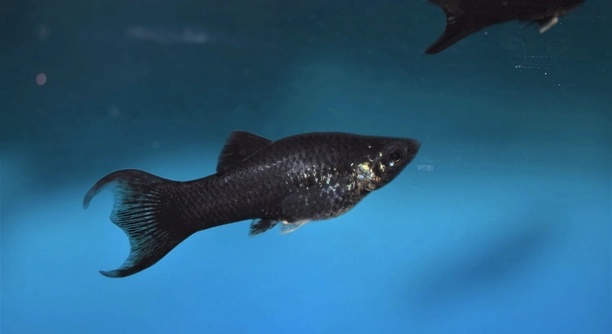
Black Mollies are lively and social fish, often admired for their striking black color and playful nature in home aquariums. Observing them pace can be concerning for owners who want a healthy, stress-free environment.
Pacing in Black Mollies is primarily caused by stress, inadequate tank conditions, or health issues. Factors such as overcrowding, poor water quality, lack of hiding spots, and insufficient stimulation can trigger repetitive swimming behavior, signaling discomfort or environmental dissatisfaction.
Identifying the causes early can help improve their well-being and create a more balanced aquarium environment for these active fish.
Overcrowding in the Tank
When Black Mollies are kept in a tank that is too small or too full, pacing can become a common behavior. Overcrowding increases competition for space, food, and oxygen, making the fish feel stressed and uneasy. Mollies naturally like to swim freely and maintain territories, so when their environment is limited, they may continuously swim back and forth as a response. This constant movement is an attempt to find personal space and cope with the confined conditions. Overcrowding can also lead to more aggressive behavior, with some fish nipping fins or chasing others. Proper stocking levels, regular monitoring of fish numbers, and providing a spacious tank are crucial to reducing this type of pacing. Along with space, creating hiding spots and structured areas allows Mollies to retreat, feel safe, and reduce stress. Observing your fish regularly helps you identify signs of overcrowding before serious health issues appear, ensuring a calmer, healthier aquarium environment.
Keeping fewer Black Mollies in a sufficiently sized tank reduces pacing and promotes natural, relaxed swimming behavior, improving overall health.
Providing environmental enrichment, such as plants, rocks, or décor, helps Black Mollies feel secure. These features break up open space, giving fish areas to explore or hide, reducing repetitive pacing. Without such structures, fish may feel exposed, triggering stress responses. Additionally, rotating or changing decorations periodically keeps the tank interesting and mentally stimulating. By balancing fish numbers and enhancing the habitat, you can support more natural behavior and prevent stress-related pacing. Regular observation allows adjustments before problems escalate, supporting long-term well-being for your Black Mollies.
Water Quality Issues
Poor water quality can quickly lead to pacing behavior in Black Mollies. High levels of ammonia, nitrites, or nitrates make the environment uncomfortable, forcing fish to swim continuously.
Maintaining clean water through regular changes, filtration, and testing is essential for preventing stress and supporting healthy behavior.
Dirty or imbalanced water can harm Black Mollies physically and mentally. Ammonia or nitrite spikes irritate gills, reducing oxygen absorption and causing discomfort. Nitrate buildup over time stresses the fish, prompting them to swim excessively in an attempt to escape unfavorable conditions. Temperature fluctuations, improper pH, or hardness levels can also trigger similar reactions. Consistent testing, partial water changes, and stable filtration prevent harmful chemical accumulation. Black Mollies thrive in slightly alkaline water with moderate hardness, so monitoring these parameters is critical. Proper water circulation and aeration ensure oxygen reaches all areas, minimizing panic swimming or pacing along tank edges. Observing behavior alongside water tests provides early warning of environmental stress, allowing timely corrections to maintain a calm, healthy tank.
Lack of Hiding Spots
Black Mollies pace more when there are not enough places to hide or feel secure. They need plants, rocks, or decorations to reduce stress and establish safe areas within the tank.
Providing sufficient hiding spots allows Mollies to rest, explore, and retreat from other fish when needed. Without these areas, they feel exposed and vulnerable, causing continuous swimming along the tank walls. Dense plants or caves mimic natural environments and give them comfort. Hiding spots also reduce aggression from other tank mates, creating a calmer atmosphere. Regularly rearranging décor can refresh the tank environment and keep Mollies engaged, decreasing repetitive pacing.
Even small additions like floating plants or PVC pipes make a noticeable difference. By giving Black Mollies these safe spaces, their behavior becomes more relaxed, and they show more natural, varied swimming patterns. Environmental enrichment supports mental health and prevents stress-induced behaviors, which is essential for a harmonious aquarium.
Poor Diet and Nutrition
Black Mollies often pace when their diet is unbalanced or insufficient. A proper mix of protein, vegetables, and supplements is necessary to keep them healthy.
Feeding only flakes or a single type of food can lead to deficiencies, low energy, and stress. Mollies need a combination of high-quality flake food, live or frozen options like brine shrimp, and occasional vegetable matter to meet their nutritional requirements. A varied diet not only supports physical health but also encourages natural foraging behaviors, which can reduce pacing caused by boredom or hunger. Monitoring portions and feeding schedules prevents overfeeding and keeps the tank clean.
Malnutrition can manifest as lethargy, stunted growth, or abnormal swimming patterns, including pacing. Ensuring that every fish receives adequate nutrition improves overall vitality. Supplementing with vitamins or specialized foods enhances coloration, immunity, and digestion. Feeding in different areas or using feeding rings can make mealtime engaging, encouraging exploration rather than repetitive swimming. With consistent, balanced nutrition, Black Mollies remain active, healthy, and less likely to develop stress-driven behaviors.
Temperature Fluctuations
Sudden changes in water temperature can stress Black Mollies, causing them to pace. They thrive in stable, warm water, ideally between 75 and 82°F, which supports normal behavior and reduces anxiety.
Using a reliable heater and thermometer helps maintain consistent temperature. Avoid placing the tank near windows, vents, or drafts that create fluctuations. Gradual adjustments are essential when changing water or relocating the tank. Stability in temperature supports metabolism, immune function, and swimming patterns. Even small drops or spikes can trigger continuous movement as fish attempt to find a comfortable area. Regular monitoring ensures the tank remains suitable, keeping Mollies calmer and healthier.
Aggression from Tank Mates
Aggressive behavior from other fish can make Black Mollies pace nervously. Territorial or larger species often intimidate them, forcing continuous swimming to avoid confrontation.
Ensuring compatible tank mates and adequate space reduces stress. Separate aggressive fish or increase hiding spots to protect Mollies and restore calm.
Illness or Parasites
Black Mollies may pace excessively when sick or infested with parasites. Lethargy, rapid gill movement, or visible spots often accompany the behavior, indicating health issues that need attention.
Regular observation and quarantine of new fish prevent outbreaks, keeping the tank safer and reducing stress-induced pacing.
Why is my Black Molly pacing constantly?
Pacing in Black Mollies usually indicates stress, discomfort, or environmental problems. Overcrowding, poor water quality, lack of hiding spots, and incompatible tank mates are common triggers. It can also signal health issues like parasites or illness. Observing other behaviors, such as rapid gill movement, loss of appetite, or changes in coloration, can help identify the cause. Addressing environmental conditions, maintaining proper nutrition, and monitoring water parameters usually reduce pacing. Providing a well-structured tank with plants, décor, and sufficient space allows Black Mollies to feel secure and swim naturally.
Can tank size affect my Black Molly’s behavior?
Yes, small or overcrowded tanks significantly influence pacing. Black Mollies need room to swim freely and maintain territories. In a cramped environment, they may repeatedly swim along the walls as they try to find space. A tank of at least 20 gallons for a small group is recommended, with extra space for each additional fish. Adding plants, rocks, or caves helps break up open space, giving fish areas to explore or hide, which reduces stress-related pacing. Proper stocking levels and a thoughtfully arranged tank create a calmer atmosphere and healthier fish.
How does water quality influence pacing?
Poor water quality can make Black Mollies anxious and restless. Ammonia, nitrite, or nitrate buildup irritates gills and affects oxygen absorption, prompting continuous swimming. Temperature swings, pH changes, and inadequate filtration also contribute. Regular testing, partial water changes, and stable filtration maintain ideal conditions. Mollies thrive in slightly alkaline water with moderate hardness, so keeping parameters consistent prevents stress. Proper water flow and aeration ensure oxygen reaches all parts of the tank. When water is clean and balanced, Mollies are calmer, display natural swimming patterns, and show fewer stress behaviors like pacing.
Do hiding spots really help reduce pacing?
Yes, hiding spots give Black Mollies a sense of security. Plants, caves, and décor allow fish to retreat from aggressive tank mates or feel safe when stressed. Without these spaces, Mollies feel exposed, often resulting in continuous swimming along the tank walls. Rearranging décor periodically can stimulate exploration and reduce boredom, keeping the fish mentally engaged. Even small additions like floating plants or PVC pipes can make a significant difference. By providing adequate hiding spots, Mollies display more natural, relaxed behavior, and overall tank harmony improves, reducing repetitive pacing.
Can diet affect Black Molly behavior?
Diet plays an important role in behavior. A poor or unbalanced diet can make Mollies restless and lead to pacing. Black Mollies require a mix of high-quality flake food, live or frozen options, and occasional vegetables. Nutritional deficiencies can cause low energy, stress, and abnormal swimming. Feeding in varied locations and offering engaging foods encourages natural foraging behaviors, which reduces repetitive pacing. Balanced nutrition supports immunity, coloration, growth, and overall health. Monitoring portions and maintaining a feeding schedule prevents overfeeding and keeps the tank clean. A proper diet keeps Mollies active, healthy, and calmer in their environment.
How can I tell if pacing is due to illness?
If pacing is accompanied by lethargy, rapid gill movement, visible spots, frayed fins, or loss of appetite, it may indicate illness or parasites. Sick Mollies often show irregular swimming patterns and may isolate themselves. Quarantining new fish, observing daily behavior, and checking water quality help prevent outbreaks. Treating confirmed illnesses early reduces stress on other fish and helps restore normal activity. Monitoring behavior alongside physical symptoms allows you to distinguish between environmental stress and health problems. Prompt action improves recovery and reduces persistent pacing caused by discomfort or infection.
Will changing tank mates stop pacing?
Yes, introducing compatible tank mates or separating aggressive fish can reduce pacing. Territorial or larger species may intimidate Black Mollies, forcing them to swim continuously to avoid confrontation. Ensuring enough space, hiding spots, and a balanced community minimizes conflict. Observation helps identify which fish are causing stress, allowing adjustments before serious behavioral issues develop. Proper tank mate selection creates a calmer environment and supports natural swimming patterns. By reducing social stressors, Mollies are less likely to exhibit pacing, and overall tank dynamics improve, creating a more harmonious and healthy aquarium.
How can I prevent pacing in the long term?
Maintaining stable water conditions, providing adequate space, and ensuring a balanced diet are key to preventing pacing. Regular monitoring, environmental enrichment, and compatible tank mates all contribute. Observing daily behavior allows early detection of stress or illness. A well-planned, consistent routine supports long-term health and natural behavior. Environmental variety, such as plants and décor, combined with proper nutrition and water care, helps keep Black Mollies mentally stimulated and physically healthy. Preventive measures reduce repetitive pacing, improve well-being, and create a more peaceful aquarium where Mollies can thrive naturally.
Are temperature fluctuations a common trigger?
Yes, sudden changes in water temperature can stress Black Mollies, causing them to pace. Even minor drops or spikes make them uncomfortable and may trigger constant swimming. Using a reliable heater, thermometer, and avoiding drafts ensures a stable environment. Gradual adjustments during water changes help maintain normal behavior. Stable temperature supports metabolism, immune function, and overall health, preventing stress-induced pacing. Regular monitoring and careful placement of the tank reduce the risk of fluctuations, keeping Black Mollies calmer and more active in a natural swimming pattern.
Black Mollies are sensitive fish that rely heavily on their environment to feel safe and comfortable. Pacing is often a visible sign that something in their habitat is not meeting their needs. This behavior can be triggered by many factors, including overcrowding, poor water quality, lack of hiding spots, or incompatible tank mates. Understanding the reasons behind pacing is key to improving their well-being. Observing their daily behavior and making adjustments early can prevent stress from developing into more serious health issues. Paying attention to their environment and routines shows that even small changes can have a big impact on their comfort and overall behavior. By addressing these needs, you create a more stable and supportive environment where Black Mollies can thrive.
Maintaining a clean and balanced aquarium is essential for reducing pacing. Regular water testing, proper filtration, and consistent partial water changes help keep water parameters within safe limits. Mollies are sensitive to ammonia, nitrites, nitrates, pH changes, and temperature fluctuations, so keeping these factors stable prevents stress. In addition to water quality, providing sufficient space and environmental enrichment is important. Plants, rocks, and decorations give Black Mollies places to hide and explore, which reduces repetitive swimming and provides mental stimulation. Thoughtful tank design also helps minimize aggression from other fish, allowing Mollies to feel more secure. A balanced diet that includes a variety of high-quality flakes, live or frozen foods, and occasional vegetables supports their health, coloration, and energy levels. Nutrition, combined with proper water care and enrichment, promotes natural swimming patterns and reduces anxiety.
Consistency and observation are the best tools for keeping Black Mollies healthy and stress-free. By monitoring behavior, water conditions, and tank mates regularly, you can spot problems early and make timely adjustments. Addressing pacing involves a combination of factors: adequate space, compatible tank mates, clean water, proper diet, and a stimulating environment. Even small improvements, like adding a few hiding spots or rearranging décor, can significantly reduce stress. With careful attention and ongoing care, Black Mollies are more likely to swim naturally, interact normally, and enjoy a stable, comfortable home. Supporting their needs ensures long-term health, vibrant coloration, and a calm, active aquarium. Providing the right environment encourages positive behaviors and helps prevent pacing, giving your fish the best chance to thrive.

Hello,
If you enjoy the content that we create, please consider saying a "Thank You!" by leaving a tip.
Every little bit helps us continue crafting quality advice that supports the health, happiness, and well-being of pets around the world, for pets of all shapes, sizes, and species.
We really appreciate the kindness and support that you show us!