
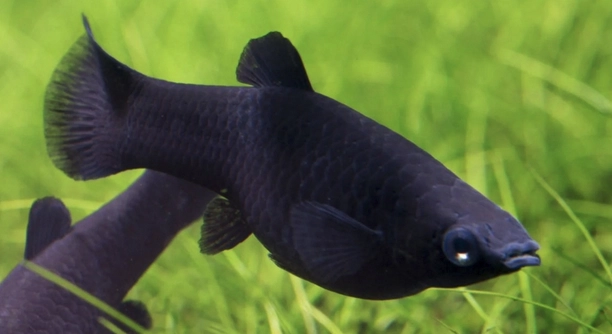
Have you ever noticed changes in your black molly and wondered if she might be expecting? These small, lively fish can show subtle signs that hint at pregnancy, making observation key for any careful fish owner.
Black mollies display several signs when pregnant, including a swollen belly, dark gravid spot near the rear, changes in appetite, slower swimming, fin clamping, increased hiding, and frequent resting near the water surface. Monitoring these indicators helps ensure proper care throughout gestation.
Knowing what to expect can help you provide a safer, more comfortable environment for your black molly during this important stage.
Swollen Belly
A swollen belly is usually the most obvious sign that your black molly is pregnant. Over time, the lower part of her body will start to appear rounded and fuller than usual. Early in pregnancy, the change may be subtle and easy to miss. As days pass, the abdomen expands noticeably, particularly near the middle and lower regions. This change happens gradually, so observing her daily helps you notice small differences. Swelling may increase more quickly during the final weeks of pregnancy. Alongside the belly, other changes such as a slightly darker gravid spot may appear. The size of the swelling can vary depending on the number of fry she carries. Fish with fewer babies might show only a slight increase in belly size, while those carrying more will look visibly larger. Regular observation and gentle handling can help reduce stress while monitoring these physical changes.
Swelling is a reliable early indicator of pregnancy, signaling that your molly is progressing toward giving birth.
Monitoring belly size allows you to adjust feeding and tank setup to keep your black molly safe and healthy before birth.
Dark Gravid Spot
The dark gravid spot develops near the rear vent of a pregnant black molly. It usually appears as a grayish or black area and becomes more pronounced as pregnancy progresses. The spot indicates the developing fry inside, and its darkness often correlates with the stage of gestation. Observing the spot daily can help you estimate how close she is to giving birth. This area may also be slightly larger or more defined in some fish, depending on their genetics and overall health. Changes in lighting or tank conditions can make the spot appear more or less visible. While it is a strong sign of pregnancy, it is best combined with other indicators such as swelling and behavior to confirm. Avoid handling your fish roughly while checking, as stress can affect both her health and the fry. Consistent observation without interference is key to supporting a healthy pregnancy in black mollies.
The gravid spot is just one sign among several that your molly is expecting. It provides visual confirmation of developing fry and helps track gestation progress. Careful observation of this feature along with feeding habits, activity levels, and swimming patterns will give you a clear picture of her condition. Pregnant mollies may also show minor behavioral changes, like resting near the surface or avoiding long swims, which complements what you notice from physical changes. Proper care involves maintaining clean water, appropriate temperature, and a calm environment to reduce stress. By combining visual and behavioral cues, you can better understand her needs, adjust feeding to prevent overfeeding, and prepare for the fry’s arrival. Knowing how to recognize and interpret these signs ensures that both the mother and her babies remain healthy until birth.
Changes in Appetite
Pregnant black mollies often eat more or less than usual, depending on their stage of gestation. Appetite changes are a natural response to the body preparing for developing fry.
Some black mollies may seem hungrier, swimming eagerly toward food during feeding times. Others may lose interest in eating temporarily. These changes usually happen gradually, so daily observation is important. Adjusting the type and amount of food can help keep her healthy. Feeding smaller portions more frequently can prevent overfeeding while ensuring she gets enough nutrients to support both her and the developing fry.
Monitoring appetite also helps identify potential health issues. If your molly stops eating completely or shows unusual behavior alongside appetite changes, it could indicate stress or illness. Ensuring clean water, proper tank temperature, and minimal disturbances supports healthy feeding habits. By responding to these changes thoughtfully, you help maintain her energy levels and prepare her body for the demands of pregnancy. Careful observation ensures both mother and fry remain safe and healthy.
Slower Swimming
Pregnancy can make black mollies swim slower or more cautiously. This behavior is linked to the extra weight and the need to conserve energy.
Slower swimming often appears in the final weeks of gestation. The fish may spend more time near the bottom or in calmer areas of the tank. This change can also indicate discomfort from the growing fry or stress from sudden movements in the environment. Reducing tank disturbances and providing gentle water flow helps the fish move comfortably.
It’s normal for pregnant mollies to avoid long swims or rapid turns. Observing these patterns gives insight into her comfort and overall health. Providing hiding spots and open swimming areas ensures she can move freely without strain. This behavior, combined with other signs like swelling and a dark gravid spot, helps confirm pregnancy. Supporting her with stable water conditions, proper diet, and minimal stress improves her chances of a healthy birth. Consistent monitoring allows you to notice any sudden changes that might require attention.
Fin Clamping
Pregnant black mollies may hold their fins close to their body more often than usual. This behavior helps reduce strain on their body as they carry developing fry.
Clamped fins can also indicate stress or discomfort. Observing her environment and ensuring calm conditions can help her feel more comfortable.
Increased Hiding
Pregnant mollies tend to seek out hiding spots more frequently. This behavior provides a sense of security and reduces stress during gestation. Hiding also protects her from more active tank mates that may cause unnecessary pressure.
Providing plants, decorations, or small shelters encourages natural hiding behavior. Observing her preferred spots can help you arrange the tank for comfort.
Resting Near the Surface
Pregnant black mollies sometimes rest near the water surface. This is a normal behavior, often linked to reduced energy and easier access to oxygen. Ensuring gentle water flow near the top helps her remain comfortable while resting.
Preparing for Birth
As the due date approaches, black mollies show more signs of readiness to give birth. She may pace slowly across the tank, hide frequently, and display a noticeably fuller belly. This period requires close observation to ensure she has a stress-free environment and easy access to clean water and safe hiding spots for the upcoming fry.
How long is a black molly pregnant?
A black molly’s pregnancy typically lasts between 50 and 60 days. The exact timing can vary depending on water temperature, diet, and the individual fish’s health. Warmer water can slightly speed up gestation, while cooler water may slow it down. Monitoring her belly and behavior helps estimate when the fry will arrive.
What is a gravid spot?
A gravid spot is a dark area near the rear vent of a pregnant black molly. It becomes more noticeable as the fry develop. The spot helps indicate pregnancy and can give clues about how far along she is. Its size and darkness often increase as birth approaches.
Can black mollies have multiple pregnancies at once?
Yes, black mollies are livebearers and can become pregnant again shortly after giving birth. Their bodies can store sperm, allowing them to produce multiple batches of fry over time. Proper care, diet, and monitoring are essential to support repeated pregnancies without harming the mother.
How many fry can a black molly have?
A typical black molly can have anywhere from 20 to 100 fry in a single pregnancy. The number depends on her size, age, health, and genetics. Younger or smaller females usually produce fewer fry, while larger, mature mollies can produce more.
Do black mollies eat their fry?
Yes, black mollies may eat their fry if given the chance. Fry are vulnerable immediately after birth, so providing hiding spots like plants or breeding boxes increases survival rates. Many owners separate pregnant mollies before birth to protect the fry from being eaten.
What should I feed a pregnant black molly?
A pregnant black molly benefits from a nutrient-rich diet. High-quality flake food, freeze-dried bloodworms, or brine shrimp help support her health and the development of the fry. Feeding smaller portions several times a day ensures she gets enough nutrition without polluting the tank.
How do I know when my molly is about to give birth?
Signs that birth is near include a significantly swollen belly, frequent hiding, slower swimming, and resting near the water surface. She may also become more protective of her space. Observing these behaviors helps you prepare the tank and consider separating her from other fish to protect the fry.
Is it necessary to use a breeding box?
Using a breeding box is not strictly necessary, but it can improve fry survival rates. A breeding box separates the mother from the fry immediately after birth, preventing accidental predation. It also allows easier observation of both mother and fry and makes cleaning the tank simpler.
Can pregnant black mollies get stressed easily?
Yes, pregnant black mollies are more sensitive to stress. Sudden movements, aggressive tank mates, or poor water quality can affect her health and the fry’s development. Maintaining a calm, stable environment with clean water, gentle flow, and hiding spots is crucial.
What happens if a pregnant molly dies?
If a pregnant molly dies, the fry inside will not survive. Sudden death is often due to illness, stress, or poor water conditions. Monitoring water quality, feeding appropriately, and observing her health throughout pregnancy can help prevent this outcome and protect both mother and fry.
How can I increase fry survival?
To improve fry survival, separate the mother before birth, provide dense plants or shelters, and feed the fry small, nutritious foods once they are free-swimming. Maintaining clean water and stable tank conditions also reduces stress and increases the chances that more fry will reach maturity.
Can I keep multiple pregnant mollies together?
Yes, but overcrowding can increase stress and competition for food. Multiple hiding spots, proper tank size, and regular monitoring are necessary. Ensuring each molly has enough space helps reduce aggression and allows them to give birth safely without disturbing each other.
How soon can fry eat on their own?
Fry begin eating independently a few days after birth. Initially, they require tiny foods such as infusoria, newly hatched brine shrimp, or finely crushed flake food. Feeding small amounts several times a day helps them grow quickly while minimizing waste in the tank.
Do pregnant black mollies need special water conditions?
Pregnant mollies thrive in stable water with a temperature around 75–80°F, pH between 7.0–8.0, and clean, filtered water. Frequent water changes and monitoring help prevent stress, disease, and complications during pregnancy, ensuring both mother and fry remain healthy.
Can black mollies skip pregnancies?
Black mollies can experience skipped pregnancies if stressed, unhealthy, or lacking proper nutrition. They may store sperm but fail to develop fry due to poor conditions. Providing consistent care, good diet, and low-stress environments encourages regular, healthy pregnancies.
How long should I keep the fry separated?
Fry should remain separated until they are large enough to avoid being eaten by adults. This usually takes 3–4 weeks, depending on tank conditions and size. Once strong and free-swimming, they can be gradually introduced back to the main tank under supervision.
What is the best tank setup for pregnant mollies?
A tank with moderate plants, gentle filtration, hiding spaces, and stable water parameters supports pregnant mollies. Avoid overcrowding and aggressive tank mates. Providing calm areas, easy access to food, and safe spots for fry ensures a healthier environment for both mother and babies.
How can I tell if my molly is stressed during pregnancy?
Signs of stress include clamped fins, hiding excessively, erratic swimming, or loss of appetite. Pregnant mollies are particularly sensitive, so addressing water quality, tank mates, and environmental factors is essential to reduce stress and support a healthy pregnancy.
What should I do immediately after birth?
After birth, remove the mother from the fry if necessary, provide small amounts of food for the fry, and maintain clean water. Monitoring both mother and fry ensures early intervention if any issues arise. Gradually introduce the fry to the main tank when they are strong enough.
Can black mollies give birth at night?
Yes, black mollies can give birth at any time, including nighttime. Observing a pregnant molly closely in the days leading up to birth ensures you notice early signs and can prepare her environment, even if the actual birth occurs while you are not actively watching.
How often can a black molly become pregnant?
Black mollies can become pregnant frequently, sometimes every 6–8 weeks, due to stored sperm. Frequent pregnancies require careful attention to diet, water quality, and overall health to prevent exhaustion and maintain both mother and fry’s wellbeing.
Can I handle a pregnant black molly?
Handling should be minimal. Pregnant mollies are delicate, and rough handling can stress them or harm developing fry. Observe visually and adjust tank conditions rather than physically handling the fish whenever possible. Gentle care is the safest approach throughout pregnancy.
Is it normal for a molly to rest at the bottom?
Yes, resting at the bottom can indicate fatigue from carrying fry. Ensure the tank has safe, calm areas and monitor for unusual signs, but occasional resting is normal and allows her to conserve energy for delivery.
How do I prevent disease during pregnancy?
Maintaining clean water, feeding high-quality food, and reducing stress helps prevent disease. Avoid overcrowding and sudden changes in temperature or pH. Regular monitoring allows early detection and treatment, protecting both mother and fry during gestation.
Can pregnant mollies fight each other?
Aggression can occur, especially if space is limited. Providing plenty of hiding spots, plants, and open swimming areas reduces competition. Observing interactions ensures pregnant mollies are not stressed or harmed by tank mates.
Do black mollies need extra oxygen during pregnancy?
Pregnant mollies often benefit from slightly higher oxygen levels. Gentle aeration or plants that produce oxygen helps maintain a healthy environment. Avoid strong currents, which can cause stress, while ensuring the water is well-oxygenated for both mother and fry.
How can I tell if a fry is healthy?
Healthy fry are active, swim steadily, and respond to food. Their bodies are proportionate, and they avoid lethargy or abnormal swimming. Observing growth and behavior over the first weeks helps ensure they are developing properly and thriving in the tank environment.
How long do fry take to grow into adults?
Black molly fry typically reach maturity in 4–6 months. Growth depends on diet, water quality, and tank conditions. Providing proper nutrition and clean, stable water encourages faster, healthier development. Gradual introduction to the main tank ensures survival and adaptation.
Can water temperature affect pregnancy?
Yes, water temperature affects gestation. Too cold may slow development, while too hot can cause stress or illness. Keeping temperature stable within the ideal range supports healthy fry growth and reduces complications during pregnancy.
Should I remove other fish during birth?
Removing other fish is recommended to protect the fry. Adult fish may eat newborns, reducing survival rates. Providing separate areas or breeding boxes ensures both mother and fry remain safe during and immediately after birth.
How do I care for a molly after giving birth?
After birth, provide clean water, proper nutrition, and calm conditions. The mother may need rest before becoming pregnant again. Monitoring her health ensures she recovers fully and is ready for future pregnancies without complications.
Can stress affect fry development?
Yes, stress can impact both the mother and developing fry. Poor water conditions, aggressive tank mates, or sudden changes can lead to weaker fry, miscarriages, or health issues. Reducing stress is essential for a healthy pregnancy.
Is it normal for a molly to hide for days before birth?
Yes, hiding is a natural behavior. Pregnant mollies instinctively seek quiet, safe areas to give birth. Providing dense plants, shelters, or breeding boxes supports this instinct and helps reduce stress during delivery.
Can black mollies give birth without warning?
Yes, births can happen suddenly. Observing her behavior and physical signs beforehand increases preparedness. Having a safe, calm environment ensures the mother and fry are protected even if birth occurs unexpectedly.
Do fry need special food immediately after birth?
Yes, fry require tiny, nutritious foods like infusoria or finely crushed flakes. Regular, small feedings support growth and survival until they are strong enough for standard foods. Proper nutrition is crucial in the first days after birth.
Can I keep fry with adult mollies right away?
No, fry are vulnerable to adult fish. Separating them until they are large enough to avoid predation ensures higher survival rates. Gradually reintroduce fry once they are strong and healthy.
How can I tell if my molly is sick during pregnancy?
Signs include lethargy, loss of appetite, unusual swimming, clamped fins, or discoloration. Early detection and treatment help prevent complications for both mother and fry. Maintaining clean water and monitoring behavior reduces risks.
What should I avoid feeding a pregnant molly?
Avoid overfeeding, low-quality foods, or anything that can pollute the tank. Excessive fatty or processed foods can harm digestion and water quality, affecting both mother and fry. Stick to high-quality flakes, frozen, or live foods in measured portions.
Can pregnant mollies survive in a community tank?
Yes, but careful observation is required. Aggressive or overly active tank mates can stress her. Provide hiding spots, plants, and calm conditions to reduce risk and protect the developing fry.
How do I clean the tank during pregnancy?
Perform partial water changes, avoid sudden movements, and clean gently. Maintain stable temperature, pH, and water quality. Gradual, careful cleaning prevents stress while keeping the environment safe for the mother and developing fry.
Do black mollies need extra calcium during pregnancy?
Extra calcium is not usually required if the diet is balanced. High-quality flake foods and occasional live or frozen foods provide sufficient nutrients. Proper nutrition supports both mother and fry development.
What signs indicate labor has started?
Labor signs include pacing, tail quivering, frequent hiding, and a very swollen belly. She may press against plants or tank surfaces as the fry begin to emerge. Observation ensures you can provide a safe environment for delivery.
How long does birth take?
Birth usually lasts a few hours but can vary depending on the number of fry. Some mollies release fry continuously over several hours. Remaining calm and providing hiding spots helps ensure a safe delivery for both mother and babies.
Can pregnant mollies get injured in the tank?
Yes, strong currents, sharp decorations, or aggressive tank mates can cause injury. Providing smooth surfaces, gentle water flow, and a calm environment reduces the risk of physical harm during pregnancy.
How do I handle a molly in labor?
Minimal handling is best. Ensure she has access to clean water, hiding spots, and calm surroundings. Only intervene if there are signs of distress or complications. Stress-free conditions support a smoother delivery for both mother and fry.
Can pregnancy affect a molly’s lifespan?
Frequent or poorly managed pregnancies can shorten lifespan due to stress and depletion of resources. Providing proper care, diet, and rest between pregnancies helps maintain long-term health and wellbeing for the mother.
Is it normal for a molly to lose weight after birth?
Yes, weight loss occurs naturally after giving birth. Providing nutritious food and stable conditions helps her regain strength. Proper post-birth care ensures she recovers fully before the next pregnancy.
How often should I check on a pregnant molly?
Daily observation is ideal. Watching behavior, appetite, belly size, and movement helps detect signs of stress, illness, or impending birth. Gentle, consistent monitoring ensures her and the fry’s health.
What should I do if fry are weak?
Provide clean water, small frequent feedings, and calm surroundings. Weak fry may need separation from adults until they are strong enough to survive independently. Ensuring proper nutrition and environment supports their growth and development.
Can water changes trigger birth?
Sudden water changes can stress a pregnant molly and sometimes induce early birth. Perform gradual, partial changes to maintain stability while minimizing risk. Stability in water parameters is key during late gestation.
Do black mollies need a partner to become pregnant?
No, they can store sperm from previous matings and give birth without a current male. However, new pregnancies require either stored sperm or access to a male to produce additional fry.
Can stress cause miscarriage?
Yes, high stress can lead to miscarriage or weakened fry. Avoid sudden changes, overcrowding, and aggressive tank mates. Calm, stable conditions support healthy development and successful delivery.
Is it normal for a molly to stop eating right before birth?
Yes, reduced appetite is common in the final days. This behavior helps the mother focus energy on delivery. Ensure she has clean water and calm surroundings to support her during this stage.
How can I tell if the fry are thriving?
Healthy fry are active, swim normally, and grow steadily. Observing behavior and responsiveness to food indicates proper development. Maintaining water quality and feeding appropriately ensures their continued growth.
Can pregnant mollies survive alone in a small tank?
Yes, as long as water quality, temperature, and oxygen levels are stable. Provide hiding spots, gentle flow, and proper nutrition. Avoid overcrowding to reduce stress and support a healthy pregnancy.
Do mollies need extra vitamins during pregnancy?
If the diet is balanced with high-quality flakes, live, or frozen foods, additional vitamins are usually unnecessary. Proper nutrition supports both mother and fry.
How do I prevent aggression from tank mates?
Provide plants, decorations, and open swimming areas. Avoid overcrowding and aggressive species. Monitoring interactions and separating pregnant mollies if necessary reduces stress and ensures a safe environment for birth.
What are the first signs of fry movement inside the mother?
Some owners notice slight twitching or subtle bulges in the belly. These movements indicate developing fry and are more noticeable as birth approaches. Regular observation helps track pregnancy progress.
Can pregnancy affect a molly’s coloration?
Yes, colors may darken or fade slightly during pregnancy. These changes are normal and often return to usual hues after birth. Monitoring overall health is more important than color changes.
Do pregnant mollies need a heater?
Maintaining stable water temperature is essential. A heater ensures the tank remains in the ideal 75–80°F range, supporting healthy fry development and reducing stress for the mother.
How do I know if a fry is in danger?
Signs include lethargy, poor swimming, or failure to eat. Weak fry may need separation or special feeding. Quick action and stable tank conditions improve survival chances.
Can black mollies give birth without a male?
Yes, if she has stored sperm from previous mating, she can produce fry without a current male. Fresh pregnancies require mating or stored sperm to develop.
How do I prevent overfeeding during pregnancy?
Feed smaller portions multiple times a day. Monitor intake and remove excess food promptly. Overfeeding can harm water quality and the mother’s digestion. Balanced nutrition is more important than quantity.
Do pregnant mollies need special lighting?
No special lighting is required. Natural or standard aquarium lighting is sufficient. Consistent light cycles help maintain a healthy environment without stressing the mother or fry.
Can black mollies give birth in planted tanks?
Yes, plants provide hiding spots for both mother and fry. Dense vegetation increases fry survival by reducing predation risk and creating a comfortable environment during birth.
How soon after birth can a molly become pregnant again?
Mollies can become pregnant within weeks if sperm is available. Providing proper rest, nutrition, and low-stress conditions ensures she is healthy enough for another pregnancy.
Is it normal for fry to hide immediately after birth?
Yes, hiding is instinctive. Fry seek shelter among plants or decorations to avoid predation. Providing sufficient cover ensures higher survival rates and reduces stress for the newborns.
What should I do if a pregnant molly seems lethargic?
Lethargy can indicate stress, illness, or overexertion. Check water quality, temperature, and diet. Ensure calm surroundings and proper nutrition to support her health and the development of fry.
How can I tell if a molly is overdue?
An overdue molly may have a very swollen belly, reduced activity, and prolonged hiding. Consult experienced aquarists or veterinarians if labor does not occur within the typical 50–60 day period.
Can black mollies give birth more than once a month?
Yes, frequent pregnancies are possible due to stored sperm, but excessive frequency can weaken the mother. Ensure proper care, nutrition, and rest to maintain health.
Do fry need separate filtration?
Fry can share the main tank filtration if it is gentle. Strong currents should be avoided. Breeding boxes with fine mesh or sponge filters help protect delicate fry while maintaining water quality.
How do I handle complications during birth?
Minimize handling, provide calm surroundings, and monitor closely. If the mother shows signs of distress or stuck fry, consult experienced aquarists or veterinarians for guidance to
Observing a pregnant black molly can feel both exciting and a little intimidating at first. These small fish show several clear signs when they are expecting, from a swollen belly to a dark gravid spot, changes in appetite, and more cautious swimming. Paying attention to these physical and behavioral changes allows you to care for her properly and prepare for the arrival of fry. Each molly is unique, so changes may appear slightly differently from one fish to another. Watching her every day helps you notice subtle differences and respond to her needs in time. By keeping the tank clean, maintaining a stable temperature, and providing plenty of hiding spots, you create an environment that supports both the mother and her developing fry. Even small adjustments, such as ensuring gentle water flow or separating her from overly active tank mates, can make a big difference in her comfort and safety.
Feeding a pregnant molly properly is another important aspect of care. High-quality flake foods, live or frozen options like brine shrimp or bloodworms, and smaller, more frequent meals help maintain her energy levels while avoiding overfeeding. The right diet not only supports the mother but also contributes to healthier fry with better chances of survival. Observing her appetite can provide insight into her stage of pregnancy, since some mollies eat more while others temporarily reduce feeding. Ensuring that she is not stressed while eating and that all tank mates have equal access to food is important. A calm, stable routine helps prevent unnecessary stress, which can affect both the mother and her fry. Taking note of her behavior and adjusting feeding patterns as needed can improve her overall health and support a smooth birthing process.
Preparing for birth involves more than just observing physical signs; it also requires thoughtful tank setup and monitoring. Providing areas for hiding and rest, separating her from aggressive or overly active fish, and keeping water conditions consistent ensures that she can give birth safely. After the fry are born, making sure they have access to appropriate food and shelter will improve their survival rates. It is natural for the mother to rest and recover after birth, so giving her space and time is important. By carefully observing, feeding, and adjusting the environment, you can support a healthy pregnancy and successful birth. Each step, from noticing early signs to caring for the fry afterward, contributes to a safe and comfortable experience for your black molly and her babies, creating a positive and rewarding experience for you as an aquarist.

Hello,
If you enjoy the content that we create, please consider saying a "Thank You!" by leaving a tip.
Every little bit helps us continue crafting quality advice that supports the health, happiness, and well-being of pets around the world, for pets of all shapes, sizes, and species.
We really appreciate the kindness and support that you show us!