
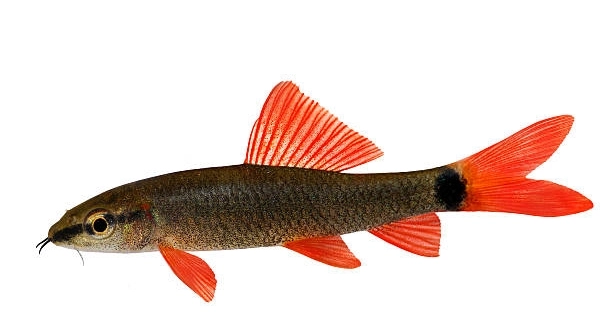
Rainbow sharks are popular aquarium fish known for their striking colors and active behavior. Many owners want to ensure their fish are happy and well-adjusted in their tank environment. Loneliness can affect their wellbeing and behavior.
Rainbow sharks may show signs of loneliness through decreased activity, loss of appetite, hiding, or increased aggression toward tank mates. These behaviors indicate stress or boredom, often caused by insufficient social interaction or inadequate tank conditions. Addressing these signs early helps maintain their health.
Recognizing these behaviors can improve how you care for your rainbow shark. The following points will guide you in understanding and responding to your fish’s needs effectively.
Signs of Decreased Activity and Hiding
When a rainbow shark feels lonely, one of the first noticeable changes is a drop in activity. You might find your fish resting more often or spending a lot of time hiding behind decorations or plants. This behavior is a way for the fish to avoid stress or discomfort. Normally, rainbow sharks are quite active swimmers, so a sudden change to inactivity can signal that something is wrong. These fish need stimulation and companionship, either from their environment or other fish. If the tank is too small or lacks enough hiding spots, the fish may feel vulnerable and retreat. Paying attention to these signs is essential for keeping your rainbow shark healthy and comfortable.
Hiding is a coping mechanism for loneliness or stress in rainbow sharks. It reduces their exposure to potential threats and provides a sense of security.
Ensuring your aquarium has plenty of plants, caves, or decorations gives your rainbow shark places to explore and feel safe. A larger tank with suitable companions also helps prevent boredom and loneliness. Regular interaction and environmental enrichment can encourage your fish to be more active and visible. Keeping the tank clean and stable in temperature supports overall wellbeing. Observing changes in activity levels and hiding patterns helps you respond quickly to your fish’s needs.
Changes in Appetite and Eating Habits
Loss of appetite is a common sign that a rainbow shark might be lonely or stressed. When fish don’t feel comfortable, they tend to eat less or sometimes stop eating altogether. This can affect their health if it continues for several days. It’s important to watch for this behavior because it often means your fish is unhappy or unwell.
Feeding a balanced diet and offering a variety of foods can encourage your rainbow shark to eat regularly. Try to feed small amounts multiple times a day rather than one large meal. Consistent feeding routines provide comfort and reduce stress.
If your fish refuses food, check tank conditions like water quality and temperature, as these factors also impact appetite. Social environment matters too. Rainbow sharks are semi-aggressive and can benefit from tank mates, but overcrowding should be avoided. Providing a peaceful and stimulating environment reduces stress and improves eating habits. Consider adding plants or hiding spots to create a balanced space where your fish feels secure. Observing feeding behavior closely can help you catch early signs of loneliness or illness and take proper action before the situation worsens.
Increased Aggression Toward Tank Mates
Lonely rainbow sharks often show aggression to other fish. This behavior is a sign of frustration and stress. It can cause injuries or constant chasing that disturbs the tank’s balance.
Aggression usually occurs when the tank is too small or overcrowded. Rainbow sharks need enough space to establish their territory. Without it, they feel threatened and act out. Aggressive behavior also shows when they lack social interaction or environmental enrichment. Adding hiding spots and proper companions helps reduce stress and fights. Monitoring fish interactions regularly can prevent serious conflicts and keep the community peaceful. Providing a suitable environment benefits everyone in the tank.
Managing aggression includes avoiding overcrowding and selecting compatible tank mates. Rainbow sharks do best with fish that can hold their own without provoking fights. Keeping the water clean and stable also reduces stress, helping to calm aggressive tendencies.
Unusual Swimming Patterns
Lonely rainbow sharks may swim erratically or spend more time near the tank surface. These unusual patterns suggest discomfort or stress. Swimming in circles or sudden darting motions can indicate agitation caused by loneliness or a poor environment.
Changes in swimming behavior may also relate to water quality issues or health problems. Regular testing of water parameters ensures a safe habitat. Observing your fish’s movement closely helps detect early signs of distress. If the behavior continues, consider evaluating the tank setup or consulting a specialist. Adjusting tank conditions and providing enrichment often improves swimming patterns and overall well-being. Encouraging natural behaviors through plants, decorations, and proper companions supports mental health and reduces stress.
Swimming near the surface may also indicate oxygen levels are low. Ensuring proper aeration helps your rainbow shark feel more comfortable and reduces restless swimming.
Lack of Interaction
A lonely rainbow shark may avoid interacting with other fish or its environment. This withdrawal is a sign of stress and dissatisfaction in the tank. Interaction is important for their mental health and wellbeing.
Reduced social behavior can lead to boredom and further isolation. Providing companions and stimulation encourages activity and engagement.
Changes in Coloration
When rainbow sharks feel lonely or stressed, their colors may fade or become dull. Vibrant colors often indicate good health and happiness. Dullness can signal underlying issues, including poor water quality, illness, or emotional distress. Monitoring color changes helps identify when your fish needs extra care or adjustments to its environment.
Excessive Hiding
Excessive hiding is a clear sign that your rainbow shark feels unsafe or lonely. If your fish spends most of its time out of sight, it needs a better environment or companions to feel secure.
Creating a balanced habitat with enough space and places to hide will encourage your fish to be more active and comfortable.
FAQ
How can I tell if my rainbow shark is lonely?
Loneliness in rainbow sharks often shows through changes in behavior. Look for signs like decreased activity, hiding, loss of appetite, or increased aggression toward other fish. These behaviors suggest stress or boredom. Monitoring these changes closely helps you address the issue early and improve your fish’s environment.
Can rainbow sharks live alone?
Rainbow sharks can live alone but may become stressed or bored without interaction. While they are semi-aggressive and territorial, providing proper tank size and enrichment is essential to prevent loneliness. Some owners keep them singly to avoid conflicts, but loneliness symptoms can still appear if the environment lacks stimulation.
What is the ideal tank size for rainbow sharks?
A minimum of 55 gallons is recommended for one rainbow shark. This size provides enough space for swimming and establishing territory. Larger tanks allow more hiding places and reduce stress, especially if you want to keep multiple fish. Crowded or small tanks often lead to aggression and loneliness.
What kind of tank mates work best with rainbow sharks?
Choose fish that are peaceful but can hold their own. Avoid slow or delicate fish that may be bullied. Good tank mates include larger tetras, danios, and some catfish species. Avoid keeping two rainbow sharks together in small tanks to prevent fights. Proper selection reduces stress for all fish.
How do I reduce aggression in my rainbow shark?
Increase tank size and add hiding spots like plants or decorations. These give the fish places to retreat and reduce territorial disputes. Also, avoid overcrowding and select compatible tank mates. Keeping water clean and stable improves overall fish health, which lowers aggression caused by stress.
Why is my rainbow shark hiding all the time?
Hiding often signals stress, fear, or discomfort. It can happen if the tank lacks enough cover or if the fish feels threatened by other tank mates. Sometimes water quality issues cause hiding too. Providing more hiding spots and maintaining good water conditions usually helps your fish feel safer.
What foods are best for rainbow sharks?
Rainbow sharks eat a variety of foods, including high-quality flakes, pellets, and live or frozen options like bloodworms or brine shrimp. A varied diet helps keep them healthy and active. Feeding small amounts twice a day encourages regular eating and prevents leftover food from fouling the tank.
How important is water quality for rainbow sharks?
Water quality is critical. Poor water conditions cause stress, illness, and changes in behavior like hiding or loss of appetite. Regular testing for ammonia, nitrite, nitrate, and pH levels ensures the tank stays safe. Frequent partial water changes and good filtration keep water clean and stable.
Can loneliness cause health problems in rainbow sharks?
Yes, loneliness and stress weaken the immune system, making your fish more prone to diseases like fin rot or fungal infections. Stress can also affect appetite and growth. Providing a suitable environment with proper social interaction supports their health and longevity.
How often should I clean my rainbow shark’s tank?
Partial water changes of about 20-25% once a week are ideal. This keeps toxins low and water fresh without disturbing beneficial bacteria. Cleaning the substrate, filter, and decorations regularly also helps maintain a healthy environment for your fish.
What if my rainbow shark refuses to eat?
Refusal to eat often signals stress or illness. Check water quality and tank conditions first. If everything is normal, try offering different foods or adjusting feeding times. Sometimes adding tank mates or improving the environment can encourage eating by reducing loneliness or boredom.
Is it better to keep one or multiple rainbow sharks?
Keeping multiple rainbow sharks can cause aggression unless the tank is very large and well-structured. Most owners keep one rainbow shark to avoid fighting. If you want more, make sure the tank is spacious and has plenty of hiding places to reduce territorial disputes.
How can I make my rainbow shark feel less lonely?
Provide a spacious tank with plenty of hiding spots and decorations. Adding peaceful tank mates can offer social interaction. Regularly changing the environment or introducing new stimuli helps keep your fish engaged. Maintaining stable water conditions also supports their wellbeing.
What signs show my rainbow shark is stressed?
Signs of stress include hiding, reduced appetite, faded colors, rapid breathing, erratic swimming, and aggression. Stress can result from poor water quality, overcrowding, lack of stimulation, or improper tank mates. Addressing these factors quickly helps your fish recover.
Are there specific plants or decorations that help rainbow sharks?
Yes, live or artificial plants, caves, and driftwood provide shelter and reduce stress. Dense plants offer hiding spots and break lines of sight, helping reduce aggression. Choose decorations without sharp edges to prevent injuries and ensure the tank is easy to clean.
How long do rainbow sharks usually live?
With proper care, rainbow sharks live around 5 to 8 years. Good water quality, a balanced diet, and a well-maintained environment contribute to a longer, healthier life. Reducing stress and loneliness plays a key role in their overall lifespan.
Rainbow sharks are beautiful and active fish that bring life to any aquarium. Like many pets, they need more than just food and clean water to thrive. Their mental and emotional wellbeing is just as important as their physical health. Loneliness can affect their behavior and overall happiness, leading to issues like hiding, loss of appetite, or aggression. Recognizing the signs of loneliness early can help you take the right steps to improve their environment and quality of life. Paying attention to their behavior helps you create a better home for your rainbow shark.
Creating a healthy and stimulating environment is key to preventing loneliness in rainbow sharks. This means providing enough space for swimming and territory, as well as adding plants, decorations, and hiding spots. These features give your fish places to explore and feel secure. Tank mates should be chosen carefully, as some fish can cause stress or conflict. Proper water conditions, including regular cleaning and monitoring, also support their wellbeing. When your rainbow shark has a comfortable environment, it is more likely to stay active, eat well, and show its vibrant colors.
Taking care of a rainbow shark involves observing its behavior and responding to its needs. Loneliness is not always obvious, but subtle changes in activity, appetite, or interactions with other fish can give important clues. Being proactive and making adjustments to the tank setup, feeding routine, or social environment can prevent many common problems. Maintaining a balance between space, stimulation, and companionship helps your rainbow shark live a healthy, stress-free life. With consistent care and attention, your fish can remain a bright and lively addition to your aquarium for many years.

Hello,
If you enjoy the content that we create, please consider saying a "Thank You!" by leaving a tip.
Every little bit helps us continue crafting quality advice that supports the health, happiness, and well-being of pets around the world, for pets of all shapes, sizes, and species.
We really appreciate the kindness and support that you show us!