
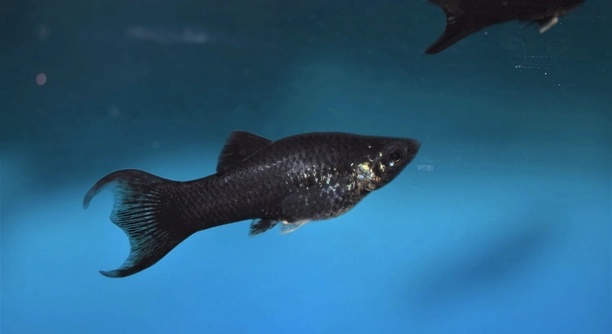
Black Mollies are popular freshwater fish known for their striking black color and peaceful nature. Many aquarium enthusiasts enjoy keeping them, but caring for them properly requires understanding their environment and comfort needs.
Black Mollies show a preference for soft substrates in aquariums, as such surfaces reduce stress on their delicate fins and bodies. Providing a soft, smooth substrate supports natural behaviors like grazing and swimming with minimal risk of injury.
Knowing the right substrate can improve the overall health and happiness of Black Mollies, ensuring they thrive in a home aquarium setting.
Choosing the Right Substrate for Black Mollies
Selecting a suitable substrate is one of the easiest ways to improve your Black Mollies’ environment. Soft substrates like fine sand or smooth gravel are gentle on their fins and bodies. Rough or sharp-edged substrates can cause small tears, stress, or infections over time. A soft base also allows the fish to exhibit natural behaviors such as grazing for algae or sifting through the sand. Some aquarists prefer sand because it mimics the shallow riverbeds these fish naturally inhabit. Soft substrates are also easier to clean, as debris tends to settle on top rather than getting trapped in jagged gravel. Over time, maintaining a soft substrate contributes to healthier fish and a more attractive tank, as it encourages natural coloration and activity. Considering substrate type is a simple yet effective step in creating a safe, comfortable, and visually appealing environment for Black Mollies.
Soft substrates support natural grazing and reduce injuries, helping Black Mollies remain active and stress-free in their tank.
Substrate depth also plays a role in comfort. A layer of 1-2 inches of sand is usually enough for small tanks. This depth allows the fish to explore without compacting too much, which could harm plants or alter water flow. While gravel may work, smooth, fine grains are better for preventing abrasions. Substrate choice also affects filtration and water movement; softer surfaces allow debris to settle, simplifying maintenance. In planted tanks, soft substrates help roots anchor and grow naturally. Choosing the right substrate benefits not only the fish but the entire tank ecosystem, balancing aesthetics, cleanliness, and the wellbeing of all aquatic life.
Benefits of Soft Substrate on Fish Health
Soft substrate reduces the risk of fin damage and infections for Black Mollies.
A gentle substrate helps maintain overall fish health by preventing injuries from sharp edges and promoting natural activity. Fish can graze, swim, and explore without stress, which improves their immune systems. Soft surfaces also reduce stress-related behaviors, such as hiding or lethargy, because fish feel safer when the tank base is comfortable. Over time, tanks with soft substrate tend to have fewer health problems, including torn fins or scale abrasions, compared with tanks that use coarse or jagged gravel. Additionally, soft substrates are easier to clean and maintain, which helps preserve water quality and reduces harmful bacteria buildup. Incorporating soft substrate not only improves the daily life of Black Mollies but also creates a more stable and balanced environment. It ensures that the fish can grow, feed, and interact naturally, promoting a lively and resilient tank that is easier to care for in the long term.
How Substrate Affects Behavior
Soft substrate encourages natural behaviors in Black Mollies. They can graze, explore, and swim freely without risk of injury or stress.
Behavior changes are noticeable when Black Mollies are kept on a soft substrate. They often spend more time near the bottom, sifting through sand or grazing on algae. This exploration supports mental stimulation and physical activity. In contrast, rough or sharp substrates can cause hesitation, hiding, or reduced movement. Fish may become less active, which can affect feeding and overall health. Providing a smooth, gentle base encourages normal swimming patterns, interaction with tank mates, and natural foraging behavior, which contributes to a stable and healthy aquarium environment.
Substrate type also impacts social behavior. Black Mollies feel more secure when the tank base is soft, leading to reduced aggression and better group dynamics. A comfortable substrate supports both individual well-being and harmonious interactions among tank mates, promoting a balanced aquatic environment. Observing the fish over time can reveal improvements in activity, coloration, and overall confidence within their space.
Maintenance Tips for Soft Substrate
Regular cleaning is essential to keep soft substrate healthy and free of waste.
Soft substrates require careful maintenance to prevent debris buildup and water quality issues. Using a gentle siphon or vacuum designed for sand helps remove waste without disturbing the surface too much. Stirring the substrate lightly can prevent compacting while maintaining a healthy environment for plants and bacteria. Over-cleaning can disturb beneficial bacteria, so it is important to balance cleaning frequency. Soft substrates may also trap small food particles, so monitoring feeding habits is necessary to prevent overaccumulation. A clean substrate supports overall fish health and reduces the risk of diseases caused by poor water conditions.
Choosing the right tools and cleaning methods ensures soft substrates remain functional and attractive. Fine sand is less forgiving than gravel, so handling must be careful to prevent displacement or clouding of water. Keeping a consistent routine, such as weekly light cleaning and occasional deeper maintenance, helps maintain tank balance. Soft substrate also interacts with filtration systems differently than gravel, so monitoring water parameters is important. Regular checks prevent issues like compacting, anaerobic spots, or nutrient imbalances. With proper care, soft substrates can last years, providing a safe, comfortable base for Black Mollies and any live plants.
Choosing Between Sand and Gravel
Sand is gentler on Black Mollies’ fins and allows natural grazing. It also settles debris on top, making cleaning easier.
Gravel can work but may be rougher, causing minor injuries. Smooth, small-grain gravel is a safer option if sand is not available.
Substrate Depth Considerations
A 1-2 inch layer of soft substrate is usually sufficient for small to medium tanks. This depth allows fish to explore and sift through the substrate without compacting it excessively. Plants can root naturally, and water flow remains balanced, preventing debris buildup. Too thin a layer reduces comfort, while too thick can complicate cleaning. Maintaining the right depth ensures Black Mollies can engage in natural behaviors safely, supporting overall tank health.
Planting with Soft Substrate
Soft substrate helps plant roots anchor securely and grow naturally, supporting a healthier aquarium ecosystem.
FAQ
Do Black Mollies need soft substrate to survive?
Black Mollies do not strictly need soft substrate to survive, but it greatly improves their comfort and reduces the risk of injuries. Soft sand or smooth gravel allows them to swim and graze naturally without damaging delicate fins. Over time, a gentle substrate supports healthier, more active fish.
Can I mix sand and gravel in the tank?
Yes, mixing sand and smooth gravel is possible if done carefully. Layering sand over gravel or creating separate zones can give your Black Mollies variety while keeping soft areas for grazing. Ensure the gravel pieces are small and rounded to prevent fin damage.
How often should soft substrate be cleaned?
Cleaning frequency depends on tank size and fish load, but light cleaning once a week is usually enough. Use a gentle siphon or sand vacuum to remove debris without disturbing beneficial bacteria. Avoid over-stirring, as it can cloud water and stress fish.
Will soft substrate affect water quality?
Soft substrate can slightly alter water movement, allowing debris to settle more on top. Regular siphoning prevents waste buildup, while compacted areas may trap organics. Monitoring water parameters ensures that ammonia and nitrite levels stay safe for your Black Mollies.
Is sand better than gravel for planted tanks?
Sand is generally easier for small plants to root in and keeps the substrate smooth for Black Mollies. Fine-grain sand prevents roots from being dislodged during grazing. Gravel can work, but choose smooth, small pieces to avoid injury. Soft substrate also retains nutrients, benefiting plant growth.
Can soft substrate cause compacting issues?
Yes, over time, sand can compact, which may create low-oxygen spots harmful to plants and beneficial bacteria. Light stirring occasionally and proper water flow prevent this problem, keeping the substrate safe and functional.
Do Black Mollies prefer darker or lighter substrate?
They tend to feel safer and display natural behavior on darker substrates, which mimic their natural riverbeds. Darker sand or gravel also enhances their black coloration, making them visually stand out while reducing stress.
Will substrate type affect tank mates?
Yes, some species may react differently depending on substrate texture. Bottom-dwelling fish enjoy soft substrates, while delicate-finned species may be injured by sharp gravel. Choosing a compatible substrate ensures harmony among tank mates.
Can I use decorative rocks on soft substrate?
Decorative rocks are fine as long as they are stable and smooth. Avoid sharp or porous stones that could trap waste or injure fish. Rocks can provide hiding spots and visual interest while complementing the soft substrate base.
How do I switch from gravel to soft substrate?
Gradually replacing gravel with sand is safest. Remove small amounts at a time while monitoring water quality. Introduce the soft substrate in layers to prevent clouding and give fish time to adapt to the new environment.
Does soft substrate help with algae control?
Indirectly, yes. Soft substrate allows natural grazing by Black Mollies and other algae-eating species. Smooth surfaces are easier to clean, reducing algae accumulation. However, regular maintenance and balanced lighting remain key to preventing algae overgrowth.
Is a deep substrate necessary for Black Mollies?
A moderate depth of 1-2 inches is sufficient for most tanks. It allows fish to sift and explore safely while supporting plant roots. Too deep a layer may complicate cleaning and create compacted areas, while too shallow reduces grazing comfort.
Can soft substrate affect filtration?
Soft substrate does not negatively impact filtration if proper equipment is used. Siphoning removes debris efficiently, and water flow is generally unaffected. Keeping substrate free of compacted areas ensures filters can maintain water quality effectively.
Will soft substrate increase tank maintenance?
It may require slightly more attention during cleaning to prevent debris buildup, but the benefits outweigh the effort. Using gentle siphoning techniques and monitoring fish activity keeps the tank healthy while maintaining a safe environment.
Are there any risks to using sand in Black Molly tanks?
Sand is safe if fine-grain and smooth. Risks include compaction, clouding during cleaning, and trapping uneaten food. Proper care, including occasional stirring and regular siphoning, mitigates these issues and keeps the tank healthy for Black Mollies.
Does substrate choice influence breeding?
Yes, soft substrate can encourage natural breeding behaviors. Black Mollies feel secure on smooth surfaces, making them more likely to spawn. Providing shallow areas or gentle slopes allows fry to avoid strong currents and increases survival rates.
Can I switch substrates without stressing the fish?
Gradual changes minimize stress. Slowly replace old substrate in sections while monitoring water quality. Introducing soft substrate in layers gives fish time to adapt to the new environment without sudden disruptions.
Do soft substrates affect aquarium aesthetics?
Soft substrates can enhance visual appeal by creating a natural look and complementing Black Mollies’ black coloration. Darker sand or smooth gravel provides contrast and highlights fish activity, making the tank appear cleaner and more lively.
How does soft substrate support overall tank health?
It reduces fin injuries, supports natural behaviors, allows better plant rooting, and helps maintain water quality. Fish are more active and less stressed, and the substrate’s smooth surface simplifies cleaning and monitoring, promoting a stable, balanced aquarium environment for Black Mollies.
Are there any alternatives to sand for a soft substrate?
Smooth, small-grain gravel or specialized aquarium soil can substitute for sand. Ensure it is non-abrasive, safe for fish, and compatible with plants. Some aquarists mix fine gravel with sand to create gentle, diverse areas for grazing and exploration.
Will soft substrate affect tank temperature?
Soft substrate has minimal effect on water temperature. However, it may retain heat slightly differently than gravel. Regular monitoring ensures a stable environment, which is more critical for Black Mollies’ comfort than the substrate type itself.
Can I use colored sand safely?
Yes, as long as it is non-toxic and designed for aquariums. Avoid sand treated with dyes or chemicals that can leach into the water. Natural or lightly colored sand is safest for maintaining water quality and fish health.
How do I prevent soft substrate from floating during cleaning?
Move water gently with a siphon and avoid strong currents. Layering sand gradually and allowing it to settle before heavy cleaning prevents floating particles and keeps the tank clear while protecting the fish.
Does substrate type influence feeding habits?
Yes, soft substrates allow Black Mollies to forage naturally, sifting through sand for food. Smooth surfaces reduce the chance of food being trapped in sharp gravel, ensuring efficient feeding and reducing waste accumulation in the tank.
How long does soft substrate last?
With proper care, soft substrate can last for years. Occasional light stirring, regular siphoning, and monitoring for compaction or trapped debris keep it functional and safe for Black Mollies over the long term.
Can soft substrate help with stress reduction?
Yes, a gentle substrate creates a safer environment, reducing accidental injuries and encouraging natural behaviors. Fish feel more secure and less stressed, leading to improved activity, coloration, and overall well-being in the aquarium.
Is there a best brand of soft substrate?
Brands vary, but the key factors are smoothness, fine grains, non-toxicity, and compatibility with plants. Researching options and reading reviews from aquarists who keep livebearers like Black Mollies helps ensure a safe choice.
Does soft substrate affect water hardness or pH?
Most sand and smooth gravel are inert and have little effect on water chemistry. Specialized substrates for planted tanks may release nutrients, so check specifications if using such products. For general Black Molly care, neutral sand or gravel works well.
Can substrate layering create problems?
Improper layering, such as thick sand over gravel, may trap debris or compact unevenly. Layering gently and monitoring the tank prevents issues while giving fish access to soft areas for grazing and exploration.
Do Black Mollies scratch themselves on hard substrates?
Yes, rough gravel or jagged stones can cause small fin or body injuries. These abrasions increase stress and risk of infection. A smooth, soft substrate minimizes this risk and promotes safer swimming and grazing.
Are there special substrates for fry?
Yes, very fine sand or soft soil provides safe spaces for fry to explore and hide. Fry are delicate, and soft substrate prevents injuries while allowing them to feed and grow in a secure environment.
Does substrate choice impact algae growth?
Soft substrates can help by making grazing easier for fish and reducing areas where algae attach. Regular tank maintenance, including water changes and lighting management, remains essential to control algae effectively.
How do I remove debris without disturbing soft substrate?
Use a fine-tip siphon or vacuum slowly over the surface. Avoid stirring too aggressively. Light movements remove waste while preserving substrate structure, keeping the tank clean and fish safe.
Are there fish that dislike soft substrate?
Some species prefer harder surfaces or digging opportunities in gravel. Bottom-dwellers with armored bodies may not mind, but delicate-finned or grazing fish like Black Mollies benefit most from soft substrates. Consider tank mates when selecting substrate type.
Does soft substrate influence breeding success?
Yes, gentle surfaces encourage spawning by creating secure areas for egg-laying. Fry are less likely to be injured and can explore safely, improving survival rates and supporting healthy population growth in the tank.
How do I transition a tank with existing fish to soft substrate?
Remove old substrate in sections while adding soft substrate gradually. Monitor water parameters carefully, as changes can cause clouding or temporary stress. Fish will adapt quickly if changes are slow and gentle, maintaining a healthy environment.
Can soft substrate prevent fin rot?
Indirectly, yes. By reducing injuries and abrasions, soft substrate minimizes entry points for bacterial infections that cause fin rot. Combined with proper water quality and diet, it contributes to overall fin health.
Does substrate color affect fish activity?
Darker substrates often make Black Mollies feel safer, encouraging swimming and grazing. Lighter substrates may make shy fish more cautious, though this varies by individual. Color choice can enhance visual contrast and highlight natural coloration.
How do I manage soft substrate in high-traffic tanks?
In tanks with many fish or frequent activity, light cleaning and monitoring prevent compaction and clouding. Layering the substrate properly and maintaining water flow ensures stability even in busy aquariums.
Can I use soft substrate in nano tanks?
Yes, fine sand or smooth gravel works well in small tanks. Keep the layer thin to avoid compacting and allow proper filtration. Soft substrate supports fish comfort and natural behaviors even in limited spaces.
How does soft substrate affect plant fertilization?
Soft substrates can hold nutrients for plant roots and support healthy growth. Fertilizer is absorbed evenly, while roots anchor securely. Proper substrate management enhances plant health, indirectly benefiting Black Mollies by providing natural grazing areas.
Does substrate choice influence fish coloration?
Yes, darker, soft substrates make Black Mollies’ black coloration appear more vivid. Comfortable substrate reduces stress, which can also positively affect coloration. A visually appealing tank promotes both fish health and aesthetic enjoyment.
Is rinsing soft substrate before use necessary?
Always rinse sand or smooth gravel to remove dust and fine particles. This prevents cloudy water during initial setup and helps maintain water quality, ensuring a safe start for Black Mollies.
Can soft substrate trap harmful bacteria?
If compacted or poorly maintained, yes. Light stirring and proper siphoning prevent anaerobic spots while preserving beneficial bacteria. Regular monitoring of water parameters ensures a healthy balance.
Do Black Mollies interact differently with soft substrate?
Yes, they tend to explore more, graze actively, and exhibit natural swimming patterns. A comfortable base encourages activity, reduces stress, and improves overall well-being in the tank.
How does soft substrate affect water clarity?
Initially, sand may cloud water if disturbed, but gentle cleaning and proper setup prevent ongoing issues. Soft substrate can even improve clarity by allowing debris to settle for easier removal during maintenance.
Is layering different substrates safe?
Yes, if done carefully. Layering soft sand over smooth gravel can provide zones for exploration and safety. Avoid thick layers that may trap waste or compact unevenly, which can harm fish or plants.
Do soft substrates require special tools for maintenance?
Yes, a fine-tip siphon or sand vacuum works best. Standard gravel vacuums may be too aggressive and disturb the substrate, so gentle tools help maintain cleanliness without stressing the fish.
Can substrate affect Black Molly lifespan?
Indirectly, yes. A soft substrate reduces injuries, stress, and risk of infection, promoting overall health. Combined with proper diet, water quality, and tank care, it supports a longer, healthier life for Black Mollies.
Are there DIY options for soft substrate?
Yes, washed play sand or rounded aquarium gravel can be used if free from toxins. Ensure materials are aquarium-safe, clean thoroughly, and avoid sharp edges to prevent harm to Black Mollies.
Does soft substrate impact water flow in the tank?
Lightly, as sand settles and slows flow near the bottom. Proper filtration and gentle siphoning maintain circulation without disturbing the substrate or harming fish.
Can I combine soft substrate with caves or decorations?
Yes, decorations can be placed directly on soft substrate, but ensure they are stable. Heavy or sharp items should be avoided or secured to prevent crushing or injury to the fish.
Does soft substrate help with fry hiding spots?
Yes, fine sand provides shallow areas where fry can explore safely. Hiding spots reduce predation from adults and improve survival rates for young Black Mollies.
Can soft substrate retain nutrients for plants?
Yes, soft sand or aquarium soil holds nutrients effectively. Roots can access minerals while fish activity distributes nutrients naturally, supporting both plant and fish health.
Are there long-term benefits to using soft substrate?
Yes, long-term benefits include reduced stress, fewer injuries, healthier fins, better plant growth, improved coloration, and a more stable tank environment. Soft substrate contributes to sustained fish health and natural behaviors.
How do I prevent soft substrate from shifting?
Layer evenly, avoid strong currents, and place decorations carefully. Proper setup and maintenance prevent displacement while keeping the tank safe for Black Mollies.
Can soft substrate affect oxygen levels?
If compacted, it may create low-oxygen zones. Light stirring and proper water flow prevent this, maintaining healthy conditions for both fish and plants.
Does soft substrate influence fish feeding patterns?
Yes, it allows natural grazing and foraging behaviors. Fish can sift through sand, find leftover food, and engage in active feeding without harming themselves on rough surfaces.
Is soft substrate compatible with all freshwater plants?
Most freshwater plants thrive in soft substrates. Fine sand supports rooting, while nutrient-enriched options provide additional benefits. Choose plant-friendly sand or soil to ensure growth and stability.
Can I layer nutrient-rich soil under sand?
Yes, placing soil beneath a thin sand layer combines plant nutrition with a gentle surface for Black Mollies. This setup supports healthy plant growth without exposing fish to rough textures.
Does substrate type influence stress levels in Black Mollies?
Yes, soft substrates reduce accidental injuries and provide a comfortable environment. Lower stress levels lead to healthier fish, more active behavior, and better color expression.
How do I transition fry to soft substrate?
Use a shallow layer of fine sand or soil. Allow fry to explore gradually and provide hiding spots. Monitor feeding and water quality to ensure safe adaptation.
Can soft substrate trap uneaten food?
Yes, small particles can settle in sand. Regular siphoning and careful feeding prevent waste buildup, maintaining water quality and fish health.
Does soft substrate require special lighting considerations?
No, standard aquarium lighting works well. Ensure light levels match plant needs, but substrate type does not significantly affect lighting requirements for Black Mollies.
Are there specific sand types for livebearers?
Yes, fine-grain, rounded, non-toxic sand is ideal. It supports grazing, prevents injuries, and allows natural behaviors, making it suitable for Black Mollies and other livebearing species.
Does soft substrate affect tank pH?
Most inert sand has minimal effect. Specialized substrates may slightly influence pH or hardness. Monitor water parameters if using nutrient-enriched options.
Can soft substrate be used with strong filtration?
Yes, but avoid strong currents that disturb sand. Use adjustable filters or baffles to maintain flow without disrupting the substrate or stressing fish.
Is soft substrate suitable for community tanks?
Yes, gentle substrates are generally compatible with most peaceful species. Ensure tank mates are not aggressive diggers that could uproot plants or injure Black Mollies.
Can soft substrate improve fish activity levels?
Yes, fish are more likely to explore, graze, and swim actively on safe, smooth surfaces. This encourages natural behavior and promotes overall well-being.
Does substrate type affect tank cleaning frequency?
Soft substrate may require more careful siphoning but does not necessarily increase cleaning frequency. Gentle maintenance keeps debris manageable and preserves substrate integrity.
Can soft substrate be used in cold-water tanks?
Yes, it is safe for most freshwater species, including Black Mollies. Temperature has more impact on fish than substrate type, provided it remains non-toxic and smooth.
Does soft substrate influence tank aesthetics?
Yes, it provides a natural, clean appearance and highlights Black Mollies’ coloration. Dark or neutral tones enhance contrast, creating a visually appealing aquarium.
Are there risks with colored or treated sand?
Yes, some colored sands contain dyes or chemicals that may leach into water. Always choose aquarium-safe, non-toxic options to avoid harming Black Mollies.
Can substrate layering affect filtration efficiency?
Improper layering may trap debris and reduce water flow. Layer gently and monitor tank conditions to maintain effective filtration while providing soft areas for fish.
Does soft substrate affect fish hiding behavior?
Yes, Black Mollies feel secure and may use substrate areas for shelter. It encourages natural exploration and reduces stress by providing safe zones.
Can soft substrate improve fry survival?
Yes, fine sand offers shallow hiding spots and reduces injury risk, giving fry a safer environment to feed and grow, improving overall survival rates.
How do I prevent substrate from compacting over time?
Light stirring, proper water flow, and occasional siphoning prevent compaction, maintaining a safe and comfortable surface for Black Mollies and supporting plant health.
Does soft substrate affect water clarity long-term?
If maintained properly, soft substrate keeps water clear. Gentle cleaning and controlled feeding prevent excessive clouding, ensuring a visually clean and healthy tank environment.
Are there natural alternatives to commercial soft substrates?
Yes, washed river sand or smooth, rounded gravel can be used. Ensure materials are free from toxins, sharp edges, and contaminants to protect Black Mollies.
Can soft substrate be used in breeding tanks?
Yes, it supports natural spawning, provides hiding spaces for fry, and reduces stress for adult Black Mollies, improving reproductive success.
Does substrate color affect fry behavior?
Darker substrates provide contrast, making fry feel more secure and encouraging natural hiding and exploration. This can improve survival rates in breeding setups.
Black Mollies are delicate, beautiful freshwater fish that thrive in environments tailored to their comfort and natural behavior. One of the most important aspects of creating a suitable tank is the substrate. A soft substrate, such as fine sand or smooth gravel, provides a safe base for these fish to swim, graze, and explore. Unlike rough or jagged surfaces, soft substrates prevent injuries to fins and bodies, reducing the risk of stress and infection. In addition to protecting your fish, a gentle substrate encourages natural behaviors like sifting through sand for food, which is an important part of their daily activity and overall health. Over time, a comfortable substrate contributes to stronger immune systems and more vibrant coloration, as Black Mollies are able to move freely and engage in behaviors that feel natural to them.
Soft substrates also benefit other aspects of the tank ecosystem. Plants can anchor roots securely, which promotes healthy growth and helps maintain water quality. Debris tends to settle on top of smooth substrates, making regular maintenance easier and more effective. This means that while some cleaning is required, it is simpler to remove uneaten food, waste, and other particles without disturbing the fish or compacting the substrate. Additionally, soft substrates allow for safer tank layouts with decorations, hiding spots, and breeding areas, creating a more balanced environment. Fish are less stressed when they feel secure in their space, which can reduce aggressive behaviors and improve social dynamics within the tank. For Black Mollies, a soft substrate is not just a comfort—it is a foundation for their health, activity, and well-being.
Choosing the right substrate and maintaining it carefully also supports long-term tank stability. Gradually introducing soft substrate and monitoring water quality ensures that the change does not stress your fish or disrupt the tank’s balance. Regular siphoning, light stirring, and attention to feeding practices prevent debris buildup and compacting, keeping the substrate functional and safe. Over time, these small efforts create a thriving environment where Black Mollies can live longer, healthier lives. The right substrate helps sustain natural behaviors, encourages breeding success, and supports overall tank health. By paying attention to the base of the aquarium, aquarists can provide Black Mollies with both comfort and security, ultimately creating a vibrant, active, and visually appealing home that benefits every aspect of the fish’s daily life.

Hello,
If you enjoy the content that we create, please consider saying a "Thank You!" by leaving a tip.
Every little bit helps us continue crafting quality advice that supports the health, happiness, and well-being of pets around the world, for pets of all shapes, sizes, and species.
We really appreciate the kindness and support that you show us!