
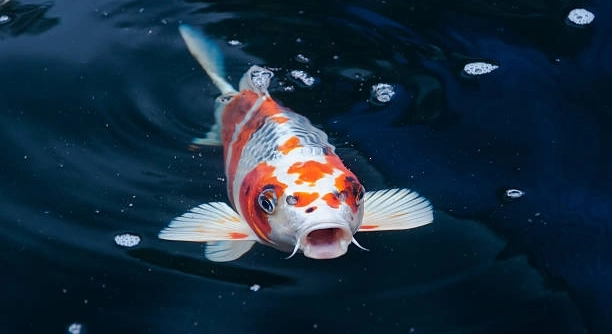
Small circles often appear in art, design, and nature, drawing attention quietly but effectively. These simple shapes invite a sense of movement and curiosity. They can suggest exploration without overwhelming the viewer’s eye or mind.
Small circles act as visual anchors that guide the observer’s gaze across a composition. Their repetition and placement can imply motion, focus, and connection, encouraging the viewer to mentally explore the space around them in a subtle yet intentional way.
These seven small circles reveal how minimal elements can inspire curiosity and engagement. The following examples show their power in different contexts and designs.
The Power of Small Circles in Design
Small circles can create a calm and inviting atmosphere in any design. They help break up larger shapes and add balance without stealing attention. When placed thoughtfully, they can lead the eye from one part of the design to another, making the overall piece feel connected and purposeful. The simplicity of circles means they rarely clash with other elements, making them perfect for guiding viewers gently. I often notice how even the smallest circle can make a big difference in the way I perceive a layout or artwork. This subtle guidance encourages me to keep looking, to find more within the design. The shape feels familiar and comforting, yet it invites exploration in a quiet way.
Small circles help create movement and balance without overwhelming a design’s main elements.
Using small circles is a smart way to add rhythm and flow. They can suggest a pattern or path that guides viewers naturally, helping them take in the design step-by-step. When designers use circles this way, they add depth and interest without needing extra colors or complex shapes. This approach keeps the design clean and focused but still full of life. It’s a simple trick that works well in many styles, from modern to classic.
Small Circles in Nature
Small circles often appear in natural patterns like bubbles, seeds, or droplets. These shapes repeat quietly, creating textures that feel alive. In nature, circles can symbolize wholeness and continuity. They invite you to look closer and notice the small details that make each scene unique. The way circles cluster or space themselves can suggest growth or movement. This natural repetition can inspire designs that feel organic and balanced. When I see these shapes in nature, it reminds me how simplicity can carry deep meaning and encourage discovery. It’s a gentle invitation to explore the smaller parts of something larger.
Nature uses small circles to create patterns that feel balanced and alive.
These natural patterns show how small circles can influence human creativity. They often serve as models for designers looking to evoke harmony or flow. By studying how circles appear in plants, water, or textures, it’s possible to learn how to guide attention and suggest movement. The unpredictability of natural patterns makes each circle placement feel purposeful but fresh. Incorporating these ideas into design adds a layer of subtle exploration, making visuals more engaging. The connection between nature and design becomes clear when small circles bring quiet energy to a composition.
Small Circles as Focal Points
Small circles often serve as subtle focal points in designs or artworks. They draw attention without overwhelming the entire composition. Their size makes them easy to spot, but their simplicity keeps them gentle on the eyes.
These small circles can anchor a viewer’s gaze, guiding it naturally across the piece. When placed strategically, they help balance other visual elements, creating harmony. I find that these tiny shapes often bring a quiet strength to a design, offering a clear point to rest on amid more complex details. Their presence encourages a gentle exploration rather than a forced or hurried look.
In many designs, small circles act like stepping stones. They create a visual path that the eye follows smoothly. This subtle guidance enhances the viewer’s experience, making the design feel more intentional and complete. Their effectiveness lies in their simplicity and placement, showing that small details can make a big impact.
Circles in Movement and Flow
Small circles can suggest motion even when static. Their repetition or arrangement often creates an implied path or rhythm, leading the eye in a specific direction.
This ability to suggest movement is useful in many contexts, from graphic design to photography. I notice that when small circles are spaced evenly or clustered with purpose, they create a sense of flow that feels natural and calming. This flow can mimic waves, pulses, or gentle steps, making the viewer feel as if they are moving through the piece.
The rhythmic quality of circles helps break visual monotony and keeps attention engaged. Designers use this effect to add life and energy without making things chaotic. The viewer experiences a smooth transition from one area to another, guided by these small shapes. This technique subtly encourages further exploration and a deeper connection with the design.
Circles Creating Connection
Small circles often link different parts of a design, creating a sense of unity. They act like tiny bridges, making separate elements feel related.
These connections help the design flow smoothly. Without them, elements can seem isolated or disconnected, losing impact.
Circles Evoking Curiosity
Small circles naturally attract attention because they stand out as simple, complete shapes. They encourage viewers to pause and look closer. This quiet invitation sparks curiosity, making people want to explore more.
Circles Balancing Composition
When small circles are added to a design, they balance heavier or larger shapes. Their presence softens the overall look and prevents any one area from feeling too crowded or empty.
Circles Suggesting Depth
Small circles can create an illusion of depth by overlapping or fading into the background. This subtle layering adds dimension and interest to a flat design.
FAQ
What makes small circles effective in suggesting exploration?
Small circles are effective because their simplicity naturally draws the eye without overwhelming it. They create subtle paths or points of interest that encourage the viewer to look deeper. When arranged thoughtfully, small circles guide attention gently across a design, making exploration feel effortless and calm. Their minimal size allows them to work as quiet markers that don’t dominate but instead invite curiosity.
How can I use small circles to improve my design?
Start by adding small circles to areas where you want to draw gentle focus or create movement. Use them to connect different parts of your design or to break up empty space without cluttering. Experiment with spacing and repetition to create rhythm or flow. Small circles can help balance your composition by softening sharp edges or heavy shapes. Keep the size and color subtle to maintain a natural, inviting feel.
Are small circles better than other shapes for exploration?
Small circles have a unique quality because they feel complete and harmonious. Unlike sharp angles or complex shapes, circles are smooth and calming, making viewers more comfortable as they explore. Their simplicity allows them to blend well with various design elements without clashing. While other shapes can also guide exploration, circles do it with a gentle and universal appeal, which is why they’re often preferred for this purpose.
Can small circles be used in photography or just design?
Small circles can be powerful in both photography and design. In photography, circular shapes like droplets, bubbles, or highlights can draw the eye and create natural focal points. Photographers often use small circular reflections or patterns to add depth and interest. In design, circles help organize and connect elements visually. Whether in a photo or a graphic, small circles invite the viewer to notice details and move through the composition more intentionally.
What role does color play in small circles suggesting exploration?
Color can either emphasize or soften small circles. Bright or contrasting colors make circles stand out more and create stronger points of interest. Softer or muted tones help circles blend smoothly into the overall design while still guiding attention. The choice depends on the effect you want—whether to highlight a specific area or create a gentle flow. Using consistent colors for small circles can also unify a design and enhance its rhythm.
How does the placement of small circles affect their impact?
Placement is key for small circles to suggest exploration. Circles placed in a line or curve can create a path for the eye to follow. Grouping them close together suggests focus or importance, while spreading them out encourages a broader scan of the design. Circles near edges can pull attention inward, while those near central elements anchor the gaze. Thoughtful placement ensures small circles work as guides rather than distractions.
Can small circles influence emotional responses in viewers?
Yes, small circles often evoke feelings of calm and curiosity. Their soft, rounded shape feels natural and non-threatening, which can make viewers more comfortable. This comfort invites a slower, more thoughtful look, encouraging exploration. Circles can also suggest completeness and unity, which creates a pleasing emotional effect. When used well, small circles subtly shape how a viewer feels about a piece without overtly directing their emotions.
Are small circles only useful in visual arts, or do they apply elsewhere?
While most common in visual arts, small circles also appear in other areas like architecture, fashion, and even user interface design. In architecture, circular elements can soften harsh lines and create flow in spaces. In fashion, small circular patterns or buttons can add interest and rhythm. In user interface design, small circular icons or buttons guide users intuitively. Their ability to suggest exploration and connection makes them useful in many fields.
How can I balance small circles with other design elements?
Balance small circles by varying their size and spacing according to surrounding shapes. Use them to complement rather than compete with larger or more complex elements. Pair circles with straight lines or angular shapes for contrast and harmony. Avoid overcrowding one area with too many circles to keep the design clean. I find that mixing small circles with other forms carefully creates a dynamic but balanced look that feels complete.
Is there a risk of overusing small circles?
Yes, overusing small circles can clutter a design or make it feel repetitive. Too many circles lose their guiding power and instead become background noise. It’s important to use them sparingly and with intention. Each circle should have a reason for being placed where it is, whether to create flow, focus, or balance. When used thoughtfully, small circles enhance exploration; when overused, they dilute the effect.
Final Thoughts
Small circles may seem like simple shapes, but they have a unique ability to guide attention and suggest exploration. Their gentle curves and modest size make them easy to notice without feeling overwhelming. Throughout this article, it has become clear that these tiny circles work quietly but effectively. Whether in design, nature, or photography, small circles help create connections, balance, and movement. They invite viewers to take a closer look and engage with the composition in a calm, natural way. This subtle guidance encourages exploration without forcing it, which is why small circles remain a popular and useful tool for artists and designers.
The power of small circles lies in their versatility and subtlety. They can act as focal points, create rhythm, or bring harmony to a piece. Unlike more complex shapes or bold colors, small circles don’t demand attention all at once. Instead, they gently pull the viewer’s gaze along a path or link elements together. This helps maintain a sense of order and flow in the design. When used thoughtfully, small circles can balance heavy areas and soften sharp edges, making the entire piece feel more inviting. I often find that the quiet presence of these shapes adds an understated elegance and keeps the viewer interested longer.
Understanding how to use small circles effectively can improve many types of creative work. Paying attention to their size, placement, and color allows for control over how a design or image is experienced. They can evoke calmness, curiosity, or even depth by how they are arranged. Even though they are small and simple, circles carry meaning and influence. Their presence reminds us that sometimes the smallest details have the biggest impact. Taking time to experiment with small circles can lead to more thoughtful and engaging creations, encouraging gentle exploration that feels natural and rewarding.

Hello,
If you enjoy the content that we create, please consider saying a "Thank You!" by leaving a tip.
Every little bit helps us continue crafting quality advice that supports the health, happiness, and well-being of pets around the world, for pets of all shapes, sizes, and species.
We really appreciate the kindness and support that you show us!