
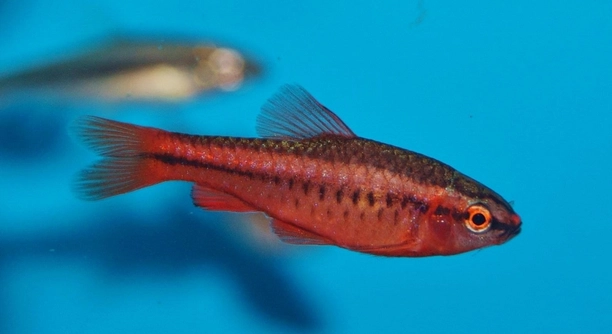
Are your Cherry Barbs swimming in a tank that feels a bit too plain or lacking in natural coverage and color?
The best plants for a Cherry Barb tank are hardy, low-light options like Java Fern, Anubias, and Hornwort. These plants provide shelter, reduce stress, and create a more natural environment suited to their peaceful, active nature.
Each plant on this list was chosen for its easy care and its benefits for Cherry Barbs in home aquariums.
Java Fern: A Reliable Classic
Java Fern is one of the most dependable plants for a Cherry Barb tank. It thrives in low to moderate light and doesn’t require substrate to grow. You can attach it to driftwood or rocks using thread or glue. This makes it perfect for beginners or anyone looking for a hassle-free option. Its long, green leaves create natural hiding spots for Cherry Barbs, helping to reduce stress and encourage healthy behavior. Java Fern also helps maintain water quality by absorbing excess nutrients. It’s slow-growing, so you won’t have to worry about constant trimming or tank crowding.
Its texture and size blend well with other plants, adding depth to your layout without overwhelming the space.
Pairing Java Fern with floating plants or a few rooted varieties can create a layered, natural look that Cherry Barbs enjoy. Plus, its low-maintenance nature makes it easy to care for over the long term.
Hornwort: A Floating Favorite
Hornwort floats freely or can be anchored in substrate, offering flexible placement options and dense coverage for Cherry Barbs.
Hornwort grows quickly and provides excellent cover for active fish. Its fine, feathery leaves are ideal for fry to hide in and for adult Cherry Barbs to weave through. This plant doesn’t require much light or special care, which makes it suitable for new aquarists. It’s also known to improve water quality by reducing ammonia and nitrate levels. However, it can shed needles if lighting changes drastically or water conditions shift, so stable parameters are helpful. Its rapid growth may need regular trimming to prevent it from overtaking the tank. Hornwort looks especially attractive when floating, giving the tank a soft, forest-like appearance. It’s a solid choice if you’re looking for something fast-growing that benefits both your fish and your tank’s balance.
Anubias: Low-Light and Long-Lasting
Anubias is a hardy plant that does well in low-light tanks and doesn’t need to be planted in substrate. You can attach it to rocks or wood, making it easy to position throughout your setup.
Its thick, dark green leaves create shady spots that Cherry Barbs like to explore and rest in. Anubias grows slowly, so it won’t need frequent trimming, and it’s resistant to most plant-eating fish. This makes it a long-term addition to your tank. It also helps improve water quality by taking in nutrients that could otherwise lead to algae. You’ll want to avoid burying the rhizome in substrate, as it may rot. Instead, let it grow attached to decor where it can spread out gently.
Over time, Anubias becomes a stable part of the tank’s design, adding texture and height without needing much attention. Its sturdy leaves also resist damage, keeping the plant looking tidy and healthy.
Amazon Sword: Bold and Beautiful
Amazon Sword is best suited for larger tanks due to its size. It grows fast with moderate light and nutrient-rich substrate. Cherry Barbs love swimming through its wide leaves and resting underneath for shelter.
This plant anchors well in the substrate and grows tall, creating a dramatic backdrop. If you’re using root tabs or nutrient-rich soil, Amazon Sword will thrive. Regular pruning is needed to keep it from overshadowing other plants. It’s a good idea to plant it toward the back of the tank to avoid blocking the view. Although it requires more maintenance than some other options, its benefits are worth it. Amazon Sword contributes to a more natural feel, and its broad leaves help fish feel secure. With proper lighting and care, this plant can be a centerpiece that supports your Cherry Barbs’ comfort and well-being.
Water Wisteria: Light and Lively
Water Wisteria grows quickly and adapts well to most freshwater setups. Its bright green, lace-like leaves give tanks a fresh look while offering Cherry Barbs plenty of space to swim through or rest beneath the plant.
You can plant it in the substrate or let it float. Either way, it helps reduce nitrates and improves oxygen levels in the tank. Its fast growth may require some trimming, but it’s easy to manage and spreads quickly with good lighting.
Vallisneria: Tall and Flowing
Vallisneria is known for its long, ribbon-like leaves that reach toward the top of the tank. It’s great for creating natural barriers and background coverage, especially in taller tanks. Cherry Barbs enjoy darting through the swaying leaves, and the plant provides steady cover without taking up too much space in the foreground. Vallisneria thrives in moderate light and grows well with a nutrient-rich substrate. It also spreads through runners, so one plant can multiply over time. While trimming may be needed to keep it from overgrowing, it’s a low-maintenance option overall that supports a balanced tank environment.
Cryptocoryne: Compact and Colorful
Cryptocoryne adds variety in shape and color, from deep green to bronze. It stays compact, making it ideal for midground planting without overwhelming the tank layout. Cherry Barbs can explore around it easily.
FAQ
Do Cherry Barbs need live plants in their tank?
Cherry Barbs don’t need live plants to survive, but they definitely benefit from them. Live plants provide shelter, improve water quality, and help Cherry Barbs feel safe. These fish are active but can be shy at times, especially in new setups. Plants give them places to explore and retreat when needed. They also help lower stress, which supports better behavior and stronger immunity. While artificial plants are fine for decor, live ones offer natural benefits like oxygen production and waste reduction that plastic versions can’t. For a healthier tank and happier fish, live plants are a smart choice.
How much light do these plants need?
Most of the plants listed in this article grow well in low to moderate light. Java Fern, Anubias, and Cryptocoryne are all low-light options that do fine without expensive lighting setups. Hornwort and Water Wisteria will grow faster in brighter light but still do okay in basic conditions. Amazon Sword and Vallisneria do better with medium lighting and may benefit from a full-spectrum LED. It’s best to match your plant choice to your lighting instead of upgrading lights just for a specific plant. Overexposure to light can also lead to algae growth, so a balanced schedule of about 8 hours a day usually works best.
Can Cherry Barbs damage plants?
Cherry Barbs are peaceful and don’t usually nip at plants. Unlike some other species, they don’t have a habit of uprooting or shredding leaves. You might notice them exploring plants or resting near the base, but they won’t cause harm. However, if they’re stressed, underfed, or kept in overcrowded conditions, their behavior could change. Even then, it’s rare for them to bother plants. Most planted tanks with Cherry Barbs remain clean and tidy, especially with sturdy species like Java Fern or Anubias. Fragile leaves might get knocked around during their swimming, but damage is uncommon.
What substrate is best for planted Cherry Barb tanks?
For rooted plants like Amazon Sword or Vallisneria, a nutrient-rich substrate is ideal. You can use planted tank soil, or supplement sand or gravel with root tabs. Java Fern, Anubias, and Hornwort don’t need substrate at all—they grow attached to decor or float freely. If you’re aiming for a fully planted look, using a base layer of aqua soil with a sand or fine gravel cap can provide nutrients without making the tank look too busy. Cherry Barbs don’t dig, so there’s no worry about them disturbing plant roots. Choose what suits your layout and plant selection best.
How do I stop plants from taking over the tank?
Fast growers like Hornwort and Water Wisteria can quickly fill out a tank if not trimmed. Regular maintenance helps prevent this. Trim overgrown stems and remove floating pieces weekly or biweekly. Vallisneria spreads through runners, so you’ll want to pull out new shoots if it starts spreading too far. Amazon Swords grow large, so placing them at the back keeps them from blocking the view. It’s all about balance—mix slower growers like Anubias or Cryptocoryne with faster plants, and your tank will stay manageable. A small trim here and there can keep the tank tidy without disrupting the fish.
Final Thoughts
Cherry Barbs are peaceful and active fish that do well in a planted tank. The right plants help create a calm and healthy space for them to swim, rest, and explore. Choosing plants that match your lighting and care routine is key. Low-maintenance options like Java Fern and Anubias are great for beginners, while faster-growing ones like Hornwort or Water Wisteria can help keep the tank clean by soaking up extra nutrients. You don’t need a complicated setup to make a big difference—just a few well-placed plants can improve your tank’s look and your fish’s comfort.
When picking plants for your Cherry Barb tank, think about where they’ll go and how much trimming you’re willing to do. Background plants like Vallisneria add height and movement. Midground plants like Amazon Sword and Cryptocoryne give your fish places to hide and swim through. Foreground or floating plants add softness and variety. If you mix a few types, you’ll get a natural-looking tank that’s easy to care for. Remember, some plants grow faster than others. You may need to do light pruning now and then to keep everything tidy, but most of these plants are beginner-friendly.
A planted tank does more than just look nice—it also supports the health of your Cherry Barbs. Live plants help improve water quality by reducing waste and producing oxygen. They also create a more natural environment that encourages good behavior in your fish. Cherry Barbs tend to be more active and colorful when they feel safe, and plants help with that. Whether you want a low-maintenance setup or enjoy tinkering with different layouts, there are plants that will work for your space. As long as you give your plants light, clean water, and occasional care, they’ll grow well and support a peaceful, balanced aquarium.

Hello,
If you enjoy the content that we create, please consider saying a "Thank You!" by leaving a tip.
Every little bit helps us continue crafting quality advice that supports the health, happiness, and well-being of pets around the world, for pets of all shapes, sizes, and species.
We really appreciate the kindness and support that you show us!