
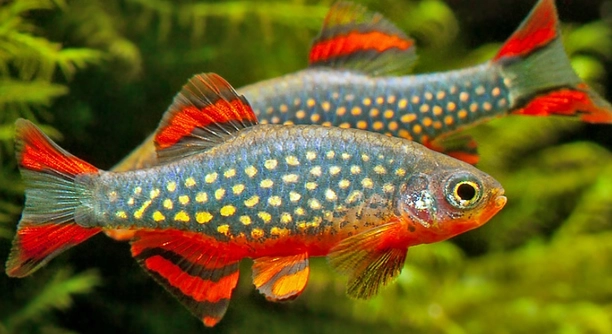
Watching a busy danio tank can be overwhelming with constant movement and flashes of color. Even in the busiest tanks, there are moments when the fish slow down, offering calmness amidst the activity. Observing these pauses can be surprisingly relaxing.
Calm moments in a busy danio tank occur when fish rest near plants, glide together in unison, or hover gently around corners. These behaviors reduce stress, promote social harmony, and provide observable periods of stillness within an otherwise active environment.
Recognizing these peaceful intervals can enhance your appreciation of tank life and improve the overall care of your danios. Small observations often reveal patterns that are otherwise easy to miss.
Resting Among Plants
Danios often find quiet spots among the plants in a tank. When the fish tuck themselves between tall stems or hover near leaves, their movements slow noticeably. This behavior gives them a break from constant swimming and allows them to feel secure. Plants provide cover, making the tank feel more like a natural habitat. These resting moments are subtle, but once noticed, they bring a sense of calm to anyone observing the tank. Over time, you may spot certain fish that prefer specific plants, while others choose open spaces. Even when the tank seems busy, these small pauses happen regularly. The presence of plants not only enhances the tank’s aesthetics but also supports the fish’s well-being. Careful placement of stems, moss, or floating greenery can encourage these peaceful moments. Observing where fish rest can help in understanding their individual behaviors and preferences. It’s satisfying to see the balance between activity and calmness emerge naturally in the tank environment.
Calm periods among plants are brief but noticeable. Fish appear less tense, moving gently without sudden bursts of speed.
Monitoring these interactions helps improve tank design and overall fish comfort. Plants act as both shelter and a visual break, creating more consistent calm periods that support healthy behavior and reduce stress in active danio communities.
Mid-Tank Gliding
Some of the most peaceful moments occur in the middle of the tank, where fish glide smoothly in groups. These periods happen when they swim slowly together, coordinating movements without abrupt changes in direction. It’s almost hypnotic to watch. Unlike frantic darting near the surface or bottom, mid-tank gliding shows social harmony and comfort. Fish use these spaces to navigate safely between resting spots, often moving in predictable patterns that feel calming to observe. The openness allows them to maintain visibility of each other, reducing sudden reactions that might trigger bursts of speed. Mid-tank gliding also signals that the tank environment meets their needs, including water quality, space, and enrichment. These periods are usually short but repeat multiple times a day, offering quiet moments amid high activity. Noticing these intervals helps in understanding group dynamics and establishing a rhythm within the tank. By observing patterns, caretakers can ensure the fish have both active and peaceful spaces for a balanced life.
Mid-tank gliding is subtle yet mesmerizing. It shows coordination and comfort within the group, creating brief but significant quiet moments.
Regular observation of these glides provides insight into social structure. Adjustments in tank layout, flow, or lighting can enhance these calming behaviors, supporting both individual and group well-being. Watching them move together slowly can help you notice changes in health, stress levels, or relationships within the tank, making it easier to provide proper care consistently.
Corner Resting Spots
Fish often find calm in corners of the tank. They hover quietly near the glass or behind decorations, moving slowly and conserving energy. These small retreats give them a break from constant motion. Even in an active tank, corners provide predictable shelter and comfort for individual danios.
Corners act as safe zones where fish can observe the rest of the tank without being exposed. Danios often return to these spots after bursts of activity, using them to rest and recover. The placement of rocks, small caves, or ornaments encourages this behavior, making corners natural points for quiet periods. Observing which fish favor which corners can reveal personalities and preferences.
During corner resting, fish reduce sudden movements and show less stress. It is a sign that the tank environment feels secure and well-managed. These moments allow for easier monitoring of individual health and behavior. By keeping decorations stable and avoiding overcrowding, corners remain effective resting areas, supporting the overall balance of activity and calm in the tank.
Slow Surface Loops
Danios sometimes swim slowly near the water’s surface in repeated loops. This behavior is calm, measured, and different from rapid surface dashes. Fish appear relaxed while maintaining slight movement, often circling plants or floating objects.
Surface loops serve multiple purposes. They allow gentle exploration, help with oxygen intake, and give fish predictable routines in a busy tank. These loops are often synchronized with others, creating visually calming patterns. When surface loops are observed regularly, it indicates low stress and proper tank conditions. Maintaining a consistent feeding schedule and gentle water flow supports this activity, making it a reliable signal of contentment.
Watching these slow loops can be surprisingly peaceful. Fish move in gentle, curved paths without collisions or frantic bursts. Observing their patterns helps track health, social interactions, and environmental comfort. Adjustments in lighting, surface agitation, and floating plants can enhance these calm behaviors. Surface loops also provide subtle entertainment, showing how even active fish can create quiet moments naturally. Maintaining these routines benefits both the fish and the overall harmony of the tank.
Hovering Near Decorations
Fish often hover quietly near decorations like rocks or driftwood. This behavior allows them to feel secure while observing the rest of the tank without moving quickly. Hovering is subtle but signals a comfortable and low-stress environment for danios.
Decorations create microhabitats where fish can rest without interruption. Small caves, arches, and textured surfaces encourage these calm pauses. Fish often return to the same spots, showing preference and a sense of routine.
Gentle Group Circles
Danios sometimes form small circles while swimming slowly together. These group loops are calm and coordinated, reducing individual stress and promoting social balance. Fish glide in rhythm, often changing direction together, which creates a sense of harmony within the tank.
Bottom-Level Pauses
At the bottom of the tank, some fish slow down or remain still near the substrate. These pauses allow rest and reduce overall activity, providing quiet moments in a tank that is otherwise busy. Fish often use these lower areas to stay out of direct light and avoid sudden disturbances.
FAQ
Why do danios suddenly stop and hover in one spot?
Danios often hover in one spot to rest or observe their surroundings. This behavior is normal and indicates they feel safe. It usually happens near plants, decorations, or corners where they feel sheltered. Hovering reduces energy expenditure and provides short, calm breaks between bursts of swimming.
Is it normal for danios to swim in circles together?
Yes, gentle circular swimming in groups is common. It is a form of social behavior that reduces stress and promotes cohesion in the tank. When they swim in circles, it shows they are comfortable with each other and the environment. These loops are calm, slow, and predictable.
How can I encourage calm moments in a busy tank?
Providing plants, decorations, and small hiding spots helps danios find resting areas. Balanced lighting and gentle water flow support calm behavior. Avoid overcrowding the tank and maintain proper water quality. Predictable feeding schedules also contribute to moments of rest and reduced stress.
Why do some danios prefer the tank corners?
Corners give a sense of safety. Fish feel more secure in areas where they are less exposed to sudden movement or changes. Decorations or rocks in corners enhance this effect. Observing which fish use corners most often can help identify shy or more cautious individuals.
Do danios need to rest like other animals?
Yes, though fish don’t sleep like humans, they enter restful states. During these moments, activity slows, and energy is conserved. Rest periods are essential for health, growth, and proper functioning. Signs of rest include hovering, slow movement, or staying in one spot near shelter.
Can surface swimming indicate calmness or stress?
Surface swimming can be either, depending on speed and behavior. Slow, gentle loops indicate comfort and oxygen intake, while frantic dashing may signal stress. Observing the pattern and frequency helps determine the tank’s conditions and the fish’s well-being.
How long do these calm moments usually last?
Calm moments are often brief, ranging from a few seconds to several minutes. They occur multiple times a day. The frequency and duration depend on tank conditions, individual fish behavior, and overall group dynamics. Healthy, well-maintained tanks encourage more frequent peaceful intervals.
Do decorations really impact fish behavior?
Yes, decorations provide visual barriers and resting spots. Driftwood, rocks, and plants create microhabitats for hiding or hovering. The presence of structures reduces stress, encourages exploration, and allows fish to alternate between active swimming and calm resting. Even small adjustments in tank layout can influence behavior.
Can I track calm moments for monitoring health?
Observing calm behavior is a useful tool for monitoring fish health. Changes in resting patterns, reduced hovering, or constant frantic movement can indicate stress, illness, or environmental issues. Regular observation helps maintain a balanced tank environment and ensures fish remain healthy and active.
What other factors affect calm behavior?
Water quality, temperature, lighting, and diet all influence calm periods. Stable conditions, minimal disturbances, and regular feeding contribute to peaceful moments. Avoiding sudden loud noises or tank movements also supports natural resting behaviors. By maintaining a consistent environment, calm behaviors become easier to observe.
Are calm moments more common in certain types of danios?
Individual temperament plays a role. Some danios are naturally more active, while others prefer slower, more deliberate movement. Observing each fish helps understand these differences. Tankmates, space, and environmental enrichment also affect how frequently calm moments occur and which fish utilize resting spots most.
Can calm moments improve social interactions?
Yes, rest periods reduce tension among tankmates. During calm moments, dominant or aggressive behavior is minimized, and fish can regroup without conflict. This balance supports social cohesion, ensures fair access to food, and allows shy individuals to feel safer within the group.
Do lighting and time of day influence calm behavior?
Danios are sensitive to light changes. Gentle, consistent lighting promotes calm moments, while abrupt shifts can trigger rapid swimming. Natural day-night cycles help regulate activity patterns, with more calm behavior typically observed during lower light periods or mid-tank resting intervals.
How often should I observe these calm moments?
Daily observation is best. Frequent checks allow you to see patterns, notice changes in behavior, and adjust tank conditions if necessary. Even short periods of monitoring provide insight into individual fish preferences, overall stress levels, and group dynamics, supporting better care and maintenance of the tank environment.
Can calm moments indicate that the tank is well-balanced?
Yes, regular calm behavior shows that fish feel secure, water quality is stable, and the environment is enriching. A tank that supports both activity and peaceful resting indicates a healthy balance, benefiting fish health, social harmony, and the overall visual appeal of the aquarium.
Final Thoughts
Observing a busy danio tank can feel overwhelming at first, but paying attention to calm moments changes the perspective completely. These brief pauses, whether near plants, corners, or decorations, show that fish can find comfort even in a lively environment. Watching them hover, glide, or loop slowly helps in understanding their natural behaviors. It also provides insight into which areas of the tank are most supportive for rest and which may need adjustments. Over time, you begin to notice individual preferences—some fish favor the bottom, others the surface, and some consistently return to certain decorations. These patterns are subtle but meaningful, reflecting both the personality of each fish and the overall balance of the tank. A well-designed tank encourages these calm moments by providing shelter, space, and predictable conditions.
Calm behaviors are more than just visually soothing—they are an indicator of health and well-being. When fish have opportunities to rest, their stress levels decrease, which contributes to longer, healthier lives. Regular calm moments also support social harmony within the group. In a tank where dominant or aggressive behaviors are minimized, shy or smaller fish feel safer, which improves overall dynamics. Environmental factors like water quality, temperature, and lighting all play a role in supporting these behaviors. Even minor changes can affect how frequently fish pause or hover, making observation an essential part of proper care. By understanding where and when calm moments occur, caretakers can optimize the tank layout, ensuring that every fish has access to safe resting spots. Predictable feeding schedules and gentle water flow further encourage peaceful intervals, creating a healthier and more balanced environment.
Finally, paying attention to these quiet moments enhances the enjoyment of owning a danio tank. While the constant motion and bursts of color are exciting, the calm periods provide a chance to observe subtler details, like how fish interact with each other and their surroundings. Over time, these observations can guide decisions about tank arrangement, plant placement, and decoration choices, leading to a more harmonious space. Recognizing calm moments also encourages more thoughtful care, helping you maintain water quality, avoid overcrowding, and reduce stress for the fish. These brief intervals of stillness are small but important parts of a busy tank. They reflect the natural rhythm of the fish, showing that even in an active environment, there are moments of balance, peace, and quiet that contribute to a healthier, more enjoyable aquarium.

Hello,
If you enjoy the content that we create, please consider saying a "Thank You!" by leaving a tip.
Every little bit helps us continue crafting quality advice that supports the health, happiness, and well-being of pets around the world, for pets of all shapes, sizes, and species.
We really appreciate the kindness and support that you show us!