
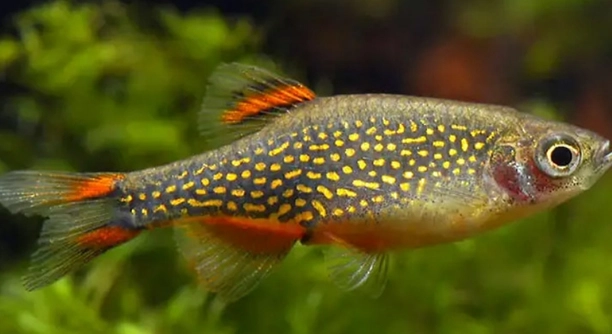
Observing natural danio behavior can be both relaxing and insightful. These small, vibrant fish offer fascinating glimpses into their daily routines. Watching them carefully can reveal subtle patterns in swimming, feeding, and social interactions within their environment.
To effectively observe danios, maintain a calm and consistent environment, minimize sudden movements, and provide natural lighting. Recording their behavior over time, offering suitable hiding spots, and understanding their social hierarchy allows for accurate assessment of typical and stress-related actions.
By learning these techniques, you can gain a clearer understanding of your danios’ natural habits and ensure their environment supports healthy and authentic behaviors.
Preparing the Tank for Observation
A well-prepared tank is essential for observing danios naturally. Start by arranging plants, rocks, and decorations to create hiding spots and open swimming areas. Use gentle filtration and avoid strong currents, as danios prefer moderate flow. Keep the water temperature stable and within the recommended range of 22–26°C, as fluctuations can stress the fish. Clear water is crucial, so perform regular maintenance without disturbing the environment too much. Position the tank where there is natural light during the day, but avoid direct sunlight that can overheat or promote algae growth. Provide a substrate that allows natural foraging behaviors. Minimal disturbances from household activity help the fish feel secure. Observing a calm tank with stable conditions allows you to notice authentic behaviors, including schooling, feeding patterns, and resting habits. Over time, you will see subtle cues of health, stress, or social dynamics among the danios, which are easy to miss in chaotic setups.
Careful preparation ensures the danios display their natural behavior without stress. Consistency in their environment is key for accurate observation.
Setting up the tank properly is the first step to meaningful observation. Plants and decorations should mimic natural habitats while providing swimming and hiding spaces. Maintaining clean, stable water and moderate lighting reduces stress. Gentle filtration ensures comfort without disrupting natural swimming patterns. Over time, a stable environment allows you to notice feeding routines, social interactions, and individual personality traits. Minimizing sudden movements near the tank encourages the fish to behave naturally. Paying attention to these small details creates a tank where danios feel secure and curious, making their natural behaviors more visible. Regular observation in this setup can reveal subtle changes in activity, schooling formation, and responses to environmental changes. This foundation makes every subsequent observation more insightful and accurate.
Understanding Schooling Behavior
Danios naturally swim in groups and rely on social cohesion for safety and movement. Observing their patterns helps identify stress or health issues.
Schooling behavior is a complex interaction influenced by individual fish personalities, environmental conditions, and social hierarchy. Each danio contributes to group movement, adjusting speed and direction to stay synchronized. Dominant individuals often lead while subordinate fish follow, though leadership can shift dynamically. Close proximity during swimming provides protection against perceived threats, mimicking survival strategies in the wild. Changes in school formation can indicate health concerns, poor water quality, or insufficient space. By monitoring these behaviors, you can detect early signs of illness or discomfort. Offering adequate space, hiding spots, and visual barriers ensures the school can form naturally without overcrowding or conflict. Over time, observing schooling allows for understanding individual roles within the group and maintaining a harmonious tank environment. Paying attention to details such as spacing, alignment, and responsiveness provides insights into both group and individual well-being, supporting better care and more accurate behavioral assessment.
Observing Feeding Patterns
Danios show clear behaviors when feeding, often forming a quick, coordinated rush. Watching how they approach food can reveal health and social dynamics within the tank.
Feeding behavior reflects both physical condition and social hierarchy. Healthy danios actively chase food, while weaker or stressed individuals may hang back. Offering food in small portions at consistent times encourages natural foraging and reduces aggression. Observing which fish get priority helps identify dominant and subordinate members. Using live, frozen, or high-quality flake foods provides variety while supporting natural instincts. Timing and placement of food influence how the school reacts and interacts. Recording these patterns over several days shows consistent routines and highlights unusual behaviors.
Paying attention to subtle changes during feeding helps detect illness, stress, or compatibility issues. It allows for adjustments in diet, portioning, and tank setup to maintain healthy and natural behaviors consistently.
Monitoring Rest and Hiding
Danios rest in short bursts and often seek shelter among plants or decorations. Noticing these spots helps you understand their comfort level.
Resting and hiding behaviors indicate overall well-being. Fish that spend excessive time hiding or appear lethargic may be stressed or unwell. Providing adequate plants, caves, or overhangs allows them to rest safely while feeling protected. Observe patterns of activity during day and night cycles to differentiate between normal rest and potential problems. Fish resting in open areas usually feel secure, while those hiding more frequently may require environmental adjustments. Monitoring these behaviors helps maintain a balanced tank and supports their natural rhythms.
Subtle variations in resting habits can show stress, illness, or changes in hierarchy. Consistently observing where and how danios rest helps identify needs for improved shelter, lighting, or tank layout. Adjustments based on these observations promote a healthier, calmer environment where fish exhibit natural behaviors without constant disturbance.
Noticing Social Interactions
Danios engage in frequent social behaviors, including chasing, nipping, and synchronized swimming. Observing these interactions reveals their hierarchy and relationships within the group.
Pay attention to repeated patterns of dominance and submission. Some fish may assert control over feeding areas or preferred spots, while others follow or avoid conflict.
Reacting to Environmental Changes
Danios respond quickly to changes in light, water flow, or tank decorations. Shifts in behavior, such as increased hiding or erratic swimming, indicate stress or discomfort. Adjusting conditions gradually helps maintain calm and natural routines. Consistent monitoring ensures fish adapt smoothly without affecting social structure or health.
Tracking Growth and Development
Regular observation allows you to see growth differences between individuals. Notice body size, coloration, and fin condition to ensure all fish are thriving and receiving proper nutrition.
FAQ
How can I tell if my danios are stressed?
Signs of stress include frequent hiding, erratic swimming, loss of appetite, or faded coloration. Stress often arises from sudden changes in water temperature, poor water quality, overcrowding, or aggressive tank mates. Observing their normal behavior over time helps you identify deviations that may indicate discomfort. Maintaining stable water conditions, providing hiding spaces, and minimizing disturbances supports calmer, healthier fish.
What is the best way to feed danios?
Danios thrive on a varied diet. Use small portions multiple times a day to encourage natural foraging behavior. High-quality flake food, micro-pellets, frozen or live foods such as brine shrimp or daphnia offer balanced nutrition. Feeding slowly prevents overeating and reduces waste accumulation in the tank. Observing which fish eat first helps monitor hierarchy and identify weaker individuals that may need attention.
How often should I clean the tank?
Partial water changes of 20–30% weekly help maintain water quality without disturbing the fish. Avoid cleaning the entire tank at once, which can stress danios. Gently vacuum the substrate and rinse decorations to prevent algae and debris buildup. Monitor ammonia, nitrite, and nitrate levels regularly to ensure safe conditions for all tank inhabitants. Consistent maintenance supports natural behavior and overall health.
Why do danios school tightly sometimes and loosely at other times?
Schooling patterns change with perceived threats, feeding, or rest. Tight formations often signal alertness or mild stress, while loose swimming occurs during calm conditions or exploration. Observing these patterns over time provides insight into the tank’s environment and social dynamics. Changes in light, water flow, or nearby movement can influence schooling behavior.
Can I observe danios at night?
Danios are diurnal and less active at night, often resting in hiding spots. Low light or red lighting can allow observation without disturbing them. Nighttime behaviors, though minimal, provide insight into their choice of shelter and preferred resting areas. Regular monitoring ensures that nocturnal conditions remain safe and comfortable.
How do I know if a danio is sick?
Illness signs include clamped fins, lethargy, loss of appetite, abnormal swimming, or spots on the body. Observe the school for changes in interactions or activity levels. Isolated or weaker fish may need attention. Early detection allows for treatment while minimizing stress to healthy individuals and preventing the spread of disease.
Is it normal for danios to nip each other?
Minor nipping is a natural social behavior that establishes hierarchy. Persistent aggression, injury, or stress indicates overcrowding or insufficient hiding spaces. Monitoring interactions and adjusting tank setup reduces conflict. Providing a balanced number of individuals prevents dominant fish from stressing the group.
How long should I watch danios to understand their behavior?
Short, consistent observation periods, 10–20 minutes daily, are sufficient to notice patterns in feeding, schooling, and rest. Recording notes over several weeks reveals trends and helps identify anomalies. Long-term observation builds a clear understanding of individual personalities and group dynamics.
Do tank decorations affect behavior?
Yes, decorations provide shelter, exploration opportunities, and territory boundaries. Plants, rocks, and caves reduce stress and support natural resting and hiding habits. Avoid overcrowding, which can limit swimming space and increase aggression. Adjust placement gradually to observe reactions without startling the fish.
Can danios recognize their owner?
Danios respond to familiar movement, feeding routines, and consistent interaction. They may swim closer when they see a person near the tank, though this is driven more by expectation of food than recognition. Gentle, predictable interaction fosters comfort and reduces stress during observation.
What should I do if a danio stops schooling?
A fish that isolates itself may be sick, stressed, or weaker in the social hierarchy. Check water quality, observe feeding, and monitor interactions. Providing additional hiding spots and ensuring adequate nutrition can help reintegrate the fish. Persistent isolation may require medical attention.
Are danios affected by tank mates?
Yes, compatible species reduce stress and allow natural behavior. Aggressive or slow-moving tank mates can cause hiding, erratic swimming, or aggression within the school. Observe interactions closely and adjust species selection or numbers to maintain harmony and healthy social behavior.
How can I encourage natural behavior?
Maintain consistent water parameters, provide hiding spaces, use moderate lighting, and offer a varied diet. Minimize sudden disturbances and allow the fish to establish routines. Observing over time helps you see authentic behaviors, including schooling, foraging, and resting habits. Gradual adjustments support comfort and natural activity.
Why do some danios appear bolder than others?
Individual personalities influence activity and exploration. Dominant fish may take lead roles in schooling and feeding, while shy individuals prefer edges or hiding spots. Recognizing these differences helps in understanding hierarchy and ensuring all fish have access to food and shelter.
Is it okay to use a mirror to observe behavior?
Mirrors can temporarily stimulate activity but may cause stress or aggression. Use sparingly, only to observe reactions, not as a regular tool. Prolonged exposure can lead to repeated fighting behavior or fatigue. Observation should rely on natural interactions within the school for accurate assessment.
How do water temperature changes affect behavior?
Sudden temperature shifts can cause stress, erratic swimming, or reduced feeding. Maintaining stable water within 22–26°C supports normal activity, schooling, and feeding patterns. Gradual adjustments during seasonal changes or tank relocation help fish acclimate without disrupting natural behavior.
Can lighting schedules influence activity?
Yes, consistent day-night cycles encourage normal rest and activity. Too much light can stress fish, while prolonged darkness reduces activity. Using timers ensures predictable routines, supporting feeding schedules, schooling, and natural behaviors without unnecessary disturbance.
What is the best way to record observations?
Keep a notebook or digital log noting feeding times, schooling patterns, rest periods, and any unusual behavior. Track water parameters and environmental changes. Consistent records allow for trend analysis, early detection of problems, and better understanding of individual and group behavior over time.
How do I handle aggressive behavior within the school?
Separate injured or persistently aggressive individuals if necessary. Increase hiding spaces and adjust stocking density. Observing interactions helps identify triggers, such as competition for food or territory. Minor chasing is normal, but consistent harm requires intervention.
Can observing behavior improve care?
Yes, understanding natural behaviors allows tailored feeding, tank setup, and monitoring for health issues. It informs adjustments to environment and social conditions. Regular observation enhances overall well-being, reduces stress, and ensures danios maintain authentic, natural patterns in the tank.
Observing danios in their natural tank environment can be rewarding and insightful. Paying attention to their schooling, feeding, resting, and social interactions allows you to understand how they behave when comfortable and healthy. Small details, like how they move through plants, interact with other fish, or respond to changes in lighting and water flow, can reveal a lot about their overall well-being. Providing a stable, clean tank with hiding spots, moderate filtration, and a varied diet encourages natural behaviors and reduces stress. Over time, these observations allow you to notice subtle changes that may indicate health or social issues, giving you the chance to respond appropriately.
Consistent monitoring of danio behavior also helps you recognize individual differences within the group. Some fish may be more active, assertive, or bold, while others are shy or prefer staying near the edges or hiding spots. Understanding these personality traits is helpful when feeding, maintaining social balance, or introducing new fish to the tank. Observing behavior regularly makes it easier to detect early signs of illness, poor water conditions, or overcrowding. It also allows you to make gradual adjustments to the environment without causing unnecessary stress. Keeping notes on patterns over time can provide a clearer picture of group dynamics, preferred hiding areas, or activity levels during day and night cycles. Paying attention to these small details ensures that each fish has an environment that supports its natural instincts, while also maintaining harmony within the school.
Finally, observing danios is not only about detecting problems but also about enjoying their natural behaviors and learning more about them. Watching how they school, explore, and interact can be both calming and educational. Regular observation provides a better understanding of what is normal for your specific fish, which helps in creating a tank that meets their needs. Maintaining consistent care, a clean environment, and balanced social conditions supports their health and longevity. Over time, you develop a stronger connection with your fish and gain confidence in recognizing behavioral cues. Understanding danios’ natural patterns ensures that your tank remains a healthy, stable, and engaging space, allowing the fish to thrive while giving you a more fulfilling experience as a caretaker.

Hello,
If you enjoy the content that we create, please consider saying a "Thank You!" by leaving a tip.
Every little bit helps us continue crafting quality advice that supports the health, happiness, and well-being of pets around the world, for pets of all shapes, sizes, and species.
We really appreciate the kindness and support that you show us!