
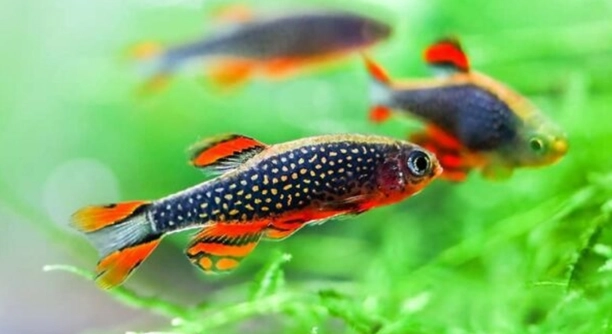
Danios are lively fish that benefit from a stimulating tank environment. Their activity and overall well-being can improve when their surroundings include varied textures and surfaces to explore and interact with.
Incorporating a mix of smooth, rough, and patterned substrates into a tank helps maintain danios’ interest and encourages natural behaviors. Varied textures offer sensory stimulation, promote exercise, and create an enriched environment that supports their physical and mental health.
These textures can transform an ordinary tank into a more engaging space, keeping your fish active and fostering healthier behavior patterns.
Smooth Gravel
Smooth gravel is a simple and effective texture for danio tanks. It provides a comfortable surface for swimming and resting. Danios can glide over it easily, reducing stress on their fins and bodies. Smooth gravel also helps keep tanks clean, as debris does not easily get trapped, making maintenance easier for caretakers. Using neutral colors can mimic natural habitats, which can make danios feel more secure. It can be combined with other textures to provide variety, encouraging exploration. Smooth gravel also allows plants to root well, creating natural hiding spots. Avoid very small or sharp pieces to prevent injury. Some danios like to sift through gravel occasionally, which keeps them occupied and active. Gravel depth should be moderate to prevent it from shifting too easily during cleaning. A layer of 1–2 inches is usually enough for stability. Overall, smooth gravel offers both functionality and comfort for your fish while enhancing the tank’s visual appeal.
Smooth gravel reduces stress and promotes natural behaviors while being easy to clean and maintain.
Choosing smooth gravel can improve tank hygiene and give your danios a safe surface to explore and rest, complementing other textures for a balanced habitat.
Sand Substrate
Fine sand offers a soft texture that danios enjoy exploring.
Sand allows danios to exhibit natural digging behavior. It is gentle on their fins and creates a calm tank environment.
Sand is one of the gentlest substrates you can use for danios. It provides a smooth and soft surface that mimics shallow riverbeds in their natural habitats. Danios may enjoy sifting through sand while searching for small food particles, which keeps them active and engaged. Fine sand also supports rooted plants well, adding both functionality and aesthetic appeal to your tank. Unlike gravel, sand does not trap as much debris in its surface, making it easier to maintain clean water. It can be paired with other textures such as rocks or driftwood to create an interesting landscape. When adding sand, rinse it thoroughly to remove dust that could cloud the water. Sand depth should be sufficient for plants and small burrowing behaviors but not too deep to cause anaerobic spots. Properly maintained sand creates a safe, stimulating environment for danios while enhancing their natural behaviors and promoting tank hygiene.
Driftwood Surfaces
Driftwood adds natural texture and hiding spots for danios. Its irregular shapes create swimming challenges and resting areas, promoting activity and curiosity.
Driftwood pieces provide varied surfaces for danios to explore, swim around, and sometimes even nibble. The natural grooves and crevices mimic elements of rivers and streams, encouraging natural behavior. It also offers shaded areas that make danios feel secure. Different types of wood can vary in density and shape, which adds visual interest and complexity to the tank. Driftwood slowly releases tannins, slightly tinting the water and softening it, which can benefit certain species while supporting a more natural habitat. Positioning wood carefully is important to avoid sharp edges that might harm the fish. Combining driftwood with plants and substrates like sand or gravel increases environmental enrichment and overall tank stability.
Driftwood surfaces enhance tank complexity, encourage exploration, and provide security. Pairing them with plants or textured substrates supports danios’ activity and overall well-being.
Rock Formations
Rock formations create hiding spots and vertical space for danios to navigate. Irregular surfaces encourage swimming and exploration, keeping fish active.
Rocks offer both vertical and horizontal structures for danios. Their surfaces vary from smooth to slightly rough, providing tactile interest and opportunities for foraging. Stacking rocks carefully creates caves, overhangs, and tunnels that danios can dart through, promoting exercise and natural behavior. Rocks also stabilize plant roots and help anchor heavier decorations. Selecting rocks without sharp edges is essential to prevent injuries. The visual contrast of rocks can break up the tank environment, making it more engaging for the fish. When arranging formations, leave open swimming paths so danios can move freely while still exploring crevices. The combination of height, texture, and hiding places supports a stimulating, dynamic habitat that encourages regular activity and reduces stress.
Adding rock formations increases environmental complexity, offers secure resting spots, and enhances swimming opportunities. Using varied sizes and textures keeps danios engaged while promoting healthier, natural behaviors.
Leaf Litter
Leaf litter provides a soft, natural surface that danios enjoy swimming through. It creates shaded areas and small hiding spots, making the tank feel more secure and interesting.
Decomposing leaves slowly release nutrients, supporting microfauna in the tank. Danios may explore or nibble on these tiny organisms, adding stimulation and encouraging natural foraging behaviors.
Floating Plants
Floating plants give danios shaded areas and break up open swimming spaces. Their movement creates gentle currents, encouraging exercise and curiosity in fish.
Rubber or Artificial Plants
Artificial plants can be arranged to create varied textures and hiding spots. They are durable, easy to clean, and maintain consistent structure in the tank.
Caves and Hiding Structures
Caves and small hiding structures encourage exploration and provide security. Danios use these spaces to rest or avoid aggression, supporting natural behaviors and overall well-being.
FAQ
What type of substrate is safest for danios?
Smooth gravel and fine sand are generally the safest options for danios. Both provide soft surfaces that prevent injury and support natural behaviors. Avoid sharp-edged stones or overly coarse gravel, as these can damage fins or make swimming difficult. Smooth textures also make cleaning easier.
Can driftwood affect water quality?
Yes, driftwood can release tannins into the water, slightly lowering pH and giving the water a light brown tint. This is usually safe for danios and can mimic their natural habitat. Pre-soaking driftwood can reduce the initial release of tannins and help stabilize water conditions.
How often should I rearrange decorations?
Rearranging decorations occasionally can stimulate curiosity and reduce boredom. Small changes like moving rocks, plants, or driftwood encourage exploration. Avoid frequent major changes, which may stress the fish. Gradual adjustments provide enrichment while maintaining a stable environment.
Are artificial plants safe for danios?
Artificial plants are safe if they are made of non-toxic materials and have no sharp edges. They provide hiding spots and varied textures without decomposing like natural plants. Cleaning them regularly prevents algae buildup and keeps the tank hygienic.
Do caves and hiding spots reduce aggression?
Yes, caves and hiding spots give danios places to retreat when stressed or to avoid dominant fish. Multiple hiding areas prevent territorial disputes and support natural social behavior. Combining caves with plants and textured substrates increases the sense of security in the tank.
How does leaf litter benefit tank health?
Leaf litter creates shaded areas and provides surfaces for beneficial microfauna. Danios may forage among the leaves, which stimulates activity. The gradual decomposition of leaves releases nutrients, supporting plants and microorganisms, contributing to a balanced ecosystem within the tank.
Is it necessary to mix textures in the tank?
Mixing textures is highly beneficial. Different surfaces, such as gravel, sand, driftwood, and rocks, encourage exploration and exercise. Varied textures mimic natural habitats, reduce stress, and promote mental stimulation. Using multiple types of substrate and structures enhances both physical and behavioral health.
Can danios injure themselves on rough surfaces?
Yes, very rough or sharp surfaces can cause fin tears or abrasions. Always inspect rocks, driftwood, and artificial decorations for sharp edges. Smoothing or choosing safer alternatives helps prevent injuries while still offering exploration opportunities.
Do floating plants change swimming patterns?
Floating plants alter water flow and create shaded areas, which can influence how danios swim. Fish often explore around and under these plants, increasing activity. The gentle current generated by floating plants adds stimulation and encourages more natural, varied swimming behavior.
How do rock formations help tank maintenance?
Rock formations create structure and anchor plants, helping prevent substrate disturbance. Properly placed rocks reduce debris accumulation and provide resting areas. They also contribute to tank aesthetics, making the environment engaging while maintaining water stability.
Can too many decorations stress danios?
Yes, overcrowding the tank can reduce swimming space and increase stress. It’s important to balance hiding spots and open areas. A well-planned arrangement offers stimulation without restricting movement, allowing danios to swim freely and explore comfortably.
Are natural and artificial textures equally effective?
Both types of textures serve important roles. Natural materials like driftwood and leaf litter offer organic stimulation and ecological benefits, while artificial decorations provide durability and consistent shape. Combining both ensures variety, enrichment, and a visually appealing habitat.
How long does it take for danios to adapt to new textures?
Adaptation varies, but most danios begin exploring new textures within a few days. Gradual introduction of new surfaces or decorations helps them adjust without stress. Observation during the first week ensures fish are comfortable and actively interacting with their environment.
Can textured tanks improve overall health?
Yes, textured tanks encourage activity, reduce stress, and promote natural behaviors. These factors support cardiovascular health, muscle tone, and mental stimulation. Enriched habitats contribute to longer lifespans and more vibrant fish. Variety in textures helps prevent boredom and keeps danios engaged consistently.
Are certain textures better for breeding tanks?
Textured surfaces like fine sand, plants, and smooth gravel provide secure spaces for egg-laying and fry development. Hiding spots and caves protect eggs from aggression and improve survival rates. Combining different textures creates suitable microhabitats within the breeding environment, supporting reproductive success.
How should textures be cleaned without harming danios?
Remove decorations carefully and rinse them with warm water. Avoid soaps or chemicals, which can be toxic. For substrates, vacuuming and gentle stirring keep the tank clean. Regular maintenance of textures prevents algae buildup while preserving the enrichment benefits for danios.
Can danios get bored in a plain tank?
Yes, a plain tank with no variety can lead to reduced activity and stress. Adding multiple textures, plants, and hiding spots encourages natural behaviors, exploration, and mental stimulation. A diverse environment keeps danios engaged and promotes healthier, more active fish.
Do all danios react the same way to textures?
Individual fish may prefer different textures or hiding spots, but all benefit from environmental variety. Observing their preferences allows adjustments to the arrangement, ensuring each danio has access to surfaces and structures that stimulate activity and reduce stress.
What is the easiest way to start adding textures?
Begin with a base substrate like sand or smooth gravel, then gradually add driftwood, rocks, and plants. Introduce one new element at a time, allowing fish to adapt. This method provides enrichment without overwhelming the tank or stressing the danios.
Can textures affect water parameters?
Natural materials like driftwood or leaf litter may slightly alter pH or soften water. Monitoring water parameters regularly ensures conditions remain safe. Choosing compatible materials and pre-treating them when necessary helps maintain a healthy and balanced environment for danios.
Final Thoughts
Creating a tank environment that keeps danios engaged does not have to be complicated. Simple additions like smooth gravel, sand, driftwood, or rock formations can make a big difference in their daily activity. Each texture provides a different kind of stimulation, encouraging natural behaviors such as swimming, exploring, and foraging. Danios are naturally curious fish, and when their tank includes a variety of surfaces and hiding spots, they are more likely to remain active and healthy. Even small changes, like adding a few artificial plants or rearranging decorations, can renew their interest in the tank and prevent boredom. The key is to provide both open swimming space and areas for exploration so that fish feel secure while still having room to move freely.
It is also important to balance the types of textures you include. Natural elements like driftwood and leaf litter offer benefits beyond enrichment, such as supporting microfauna and slightly adjusting water conditions to mimic natural habitats. Meanwhile, artificial plants and smooth rocks provide durability and consistent structure, which is easier to maintain and clean. Combining these elements allows for both visual appeal and functional support for the danios’ well-being. Avoid overcrowding the tank, as too many decorations can restrict movement and create stress. Observing how the fish interact with their environment can guide adjustments over time, helping to create a habitat that meets both physical and behavioral needs. Properly maintained textures, along with clean water and regular care, support the overall health and vitality of your danios.
Finally, the overall goal is to create an environment that is both stimulating and safe. Textures encourage movement, exploration, and natural behaviors that contribute to long-term health. When danios have access to varied surfaces, hiding spots, and shaded areas, they are less likely to experience stress or lethargy. Attention to details such as the shape, size, and arrangement of decorations ensures that the tank remains engaging without introducing hazards. Simple changes like adding a rock formation, introducing floating plants, or layering sand over gravel can keep fish interested and active. A thoughtfully arranged tank not only benefits the danios but also creates a more enjoyable and visually appealing aquarium. Maintaining this balance between enrichment, safety, and cleanliness allows you to support your fish’s natural instincts while promoting a lively, healthy aquatic environment.

Hello,
If you enjoy the content that we create, please consider saying a "Thank You!" by leaving a tip.
Every little bit helps us continue crafting quality advice that supports the health, happiness, and well-being of pets around the world, for pets of all shapes, sizes, and species.
We really appreciate the kindness and support that you show us!