
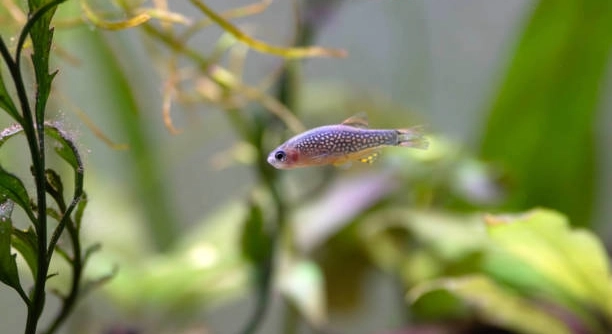
Setting up a tank for danios can be fun, but it does not have to be expensive. Many hobbyists find themselves struggling to create a safe, engaging environment without overspending on decorations or equipment.
Creating a danio-friendly layout on a budget involves careful selection of plants, substrate, and decorations that provide shelter, swimming space, and stimulation. Affordable alternatives, including hardy plants and repurposed materials, can maintain water quality while supporting the fish’s natural behaviors.
These practical ideas will help make your tank attractive and safe without stretching your budget unnecessarily.
Choosing Hardy Plants
When I first set up my danio tank, I quickly realized that delicate plants require too much care and can die easily. Hardy plants like Java fern, Anubias, and hornwort are ideal because they tolerate a wide range of water conditions. They also grow slowly, which keeps the tank manageable and reduces the need for constant trimming. Placing these plants in different areas allows the fish to swim freely while still giving them places to hide. Using pots or attaching them to driftwood can also save money, since they do not need fancy substrates. I often use rocks or simple gravel to anchor them, and they thrive without extra fertilizers. Over time, these plants help maintain water quality by absorbing nutrients, which can reduce algae growth. Choosing hardy plants makes the tank low-maintenance, safe, and attractive for the danios.
Hardy plants are cost-effective and resilient. They survive varied water conditions and provide hiding spots, improving the tank’s health and appearance.
Even though these plants are simple, they create natural hiding spaces for danios. Fish feel secure and explore more actively. Hardy plants also improve water quality and reduce algae. Using rocks, driftwood, or pots is an inexpensive way to arrange them, and they last for years without much care.
Affordable Decorations
Adding decorations does not need to break the budget. Simple stones, driftwood, or repurposed items from home can make the tank lively. Smooth river rocks and small caves give danios places to explore and hide, which reduces stress and encourages natural behavior. Using clean, non-toxic objects ensures the fish remain safe. Even broken clay pots or old aquarium-safe ornaments can be repurposed creatively to make new hiding spots. Arranging these items thoughtfully creates visual interest while giving the fish room to swim freely. Avoid overcrowding the tank; too many decorations can restrict movement and cause stress. I often experiment with different layouts until it feels balanced, keeping both function and aesthetics in mind. By focusing on simple, safe materials, it is possible to create a stimulating environment without spending much.
Decorations can be inexpensive while still effective for fish activity and tank aesthetics.
Budget-friendly decorations encourage natural behavior. Smooth stones, driftwood, and repurposed items make the tank visually appealing and give danios hiding spots. Avoid overcrowding to maintain free swimming space. Thoughtful placement ensures both safety and a pleasing appearance. Simple decorations can last for years and remain functional.
Substrate Selection
Gravel and sand are both good choices for a danio tank. I prefer smooth gravel because it is easy to clean and allows plants to anchor properly. Avoid sharp or jagged materials that could injure the fish.
Choosing the right substrate is important for both aesthetics and fish health. Gravel provides a stable base for plants and decorations, and it traps debris where it can be removed easily during water changes. Sand can look natural but may compact over time, making it harder to maintain. I often mix small amounts of sand with gravel to create a natural look without sacrificing cleaning ease. Substrate color also matters; lighter shades reflect light, brightening the tank, while darker colors can highlight the fish. A proper substrate supports plant growth, encourages natural foraging behavior, and maintains water quality, all without adding unnecessary costs.
Substrate also affects water chemistry. Certain gravels can buffer pH and provide minerals beneficial to plants. Avoid overly reactive materials, as they may alter water conditions. Mixing gravel types or layering sand with gravel creates visual depth, while still allowing easy maintenance and proper plant support.
Budget-Friendly Filtration
A small sponge filter is usually enough for a danio tank. It is affordable, quiet, and effective for biological filtration, supporting healthy water conditions.
Sponge filters offer gentle water flow, ideal for active danios that prefer less turbulence. They are energy-efficient and can be paired with an air pump, which is inexpensive to run. Unlike larger filters, sponge filters are easy to clean; simply rinse in tank water to avoid killing beneficial bacteria. They also provide surface area for bacteria growth, helping maintain water quality. I’ve used these in multiple tanks and found them reliable for years without replacement. Choosing a low-cost filter does not mean compromising on water health, as long as regular maintenance is performed.
Adding a sponge filter also helps oxygenate the water. By combining affordable equipment with routine care, a healthy environment is maintained. This setup allows for clear water, minimal maintenance, and proper filtration while keeping costs low. It supports the biological balance and provides sufficient circulation without stressing the fish. Proper positioning ensures maximum effectiveness and keeps the tank visually simple.
Lighting on a Budget
LED strips or clip-on lights work well for a danio tank. They are affordable, energy-efficient, and provide enough illumination for plants and fish to thrive.
Natural daylight can also help brighten the tank. Placing the aquarium near a window for part of the day reduces the need for expensive lighting systems and keeps costs low.
DIY Hiding Spots
Creating hiding spots with household items is simple and effective. Broken clay pots, PVC pipes, and even small cardboard tubes can be cleaned and arranged to provide shelter for danios. These DIY solutions cost very little and can be adjusted as the fish grow or the layout changes. I like to combine multiple items to create tunnels and shaded areas. Not only do these additions reduce stress, but they also encourage the fish to explore and interact with their environment naturally. By reusing materials, you save money while keeping the tank stimulating and safe for the fish.
Routine Maintenance
Regular water changes keep the tank clean and the fish healthy. A simple schedule prevents buildup of waste and maintains stable conditions.
FAQ
How often should I feed my danios?
I feed my danios once or twice a day, giving only what they can eat in about two minutes. Overfeeding can quickly pollute the water and cause health problems. Small, frequent feedings work best for their metabolism and activity levels.
What is the best water temperature for danios?
Danios thrive in temperatures between 20°C and 24°C. I keep a simple thermometer in the tank to monitor daily. Stable temperatures help prevent stress and disease. Using a heater is optional unless your room temperature drops below their preferred range.
Can I use tap water for my tank?
Yes, but it must be treated to remove chlorine or chloramine. I use a water conditioner whenever adding or changing water. Letting water sit overnight is not enough to remove chemicals in most tap water supplies.
How much space do danios need?
Danios are active swimmers and need room to move. I recommend at least 20 gallons for a small group of 5-6 fish. Crowding can lead to stress, aggression, and stunted growth, so giving them enough space is crucial.
Which plants are easiest to care for?
Hardy plants like Java fern, Anubias, and hornwort work best. I find they survive most water conditions and need little maintenance. They provide hiding spaces and help maintain water quality naturally without extra fertilizers.
How often should I clean the tank?
Partial water changes of 20-30% weekly keep water quality stable. I use a siphon to remove debris from gravel while avoiding disturbing beneficial bacteria. Regular maintenance prevents algae growth and keeps fish healthy.
Are decorations necessary for danios?
Yes, decorations provide shelter, reduce stress, and encourage exploration. I repurpose items like stones, driftwood, and clay pots. They can be inexpensive and safe while making the tank more visually appealing. Avoid overcrowding to maintain swimming space.
Can I mix danios with other fish?
Danios are generally peaceful but active. I usually pair them with other small, non-aggressive species like tetras or guppies. Avoid slow-moving or long-finned fish that may be harassed. Monitoring interactions is important, especially in smaller tanks.
How do I control algae on a budget?
Keeping lighting moderate and avoiding overfeeding helps control algae naturally. I also add fast-growing plants to compete for nutrients. Regular partial water changes prevent excess nutrients from encouraging algae growth without spending extra on chemical treatments.
What should I do if a fish appears sick?
Isolate the fish in a small quarantine tank. I check water parameters first and look for signs like unusual swimming, discoloration, or spots. Simple remedies include adjusting water conditions and using affordable, safe medications when necessary. Early intervention is key to preventing spread.
Do danios need strong water currents?
They prefer moderate water flow that mimics streams. I adjust filter output or use sponge filters for gentle circulation. Strong currents can stress the fish, while stagnant water may reduce oxygen levels, so balance is essential for their activity and health.
Can I use gravel from outside for my tank?
I avoid using outdoor gravel because it may introduce harmful bacteria, chemicals, or parasites. Purchasing aquarium-safe gravel ensures it is clean, safe, and free of toxins that could harm the fish or plants. It is a small cost that prevents major problems later.
How many danios should I keep together?
Danios are schooling fish and need companions. I keep at least 5-6 in a tank. Smaller groups can lead to stress or hiding behavior, while larger groups are more active and display natural social interactions. Space should always be considered when adding more fish.
What kind of food do danios eat?
They eat flakes, pellets, and occasional live or frozen foods like daphnia or brine shrimp. I rotate food types to provide balanced nutrition. Avoid feeding only one type, as variety supports growth, color, and overall health.
Is a heater always necessary?
Not always. Danios tolerate a range of temperatures, but if your room gets too cold, a small heater ensures stable conditions. I only use a heater when the temperature drops below 20°C, which keeps the fish active and prevents stress-related illnesses.
How do I prevent tank stress?
Keeping consistent water parameters, providing hiding spots, and avoiding sudden changes helps. I monitor the fish daily for behavior changes. Gradual adjustments in temperature, decorations, or lighting reduce stress and create a more comfortable environment for danios.
Can danios live in a planted tank only?
Yes, but balance is key. I combine hardy plants with some open swimming space. Too many plants can restrict movement, while too few reduce hiding spots. Proper placement and regular maintenance ensure both plants and fish thrive in the same environment.
What is the lifespan of a danio?
Danios live around 3-5 years with proper care. I maintain clean water, provide a balanced diet, and avoid overcrowding. Healthy conditions and attention to daily behavior help them reach their full lifespan.
How do I acclimate new danios?
I float the bag in the tank for 15-20 minutes to equalize temperature, then slowly add small amounts of tank water. This gradual process prevents shock and helps the fish adjust safely to new water chemistry and surroundings.
What is the best way to observe behavior?
I watch my danios during feeding and daily activity. Healthy fish swim actively, interact with companions, and explore the tank. Noticing subtle changes early helps catch health issues or stress before they become serious problems.
Setting up a danio tank on a budget is more than just saving money. It is about making smart choices that create a safe, comfortable, and stimulating environment for the fish. By focusing on hardy plants, simple decorations, and affordable equipment, it is possible to build a tank that meets the needs of danios without unnecessary expenses. I have learned that careful planning makes a big difference. Choosing the right substrate, plants, and hiding spots early on can reduce maintenance and prevent problems later. Even small details, like the arrangement of rocks or the type of filter, can impact fish behavior and water quality. Spending time observing the tank after each addition or change also helps ensure everything works together. The goal is to provide a balanced ecosystem where the fish feel secure, can swim freely, and show natural behaviors.
Maintaining the tank is another key factor that makes budget setups work well. Regular water changes, cleaning the substrate, and monitoring water parameters keep the fish healthy and reduce the risk of disease. Even inexpensive filters and simple lighting systems can be effective if used consistently. I find that having a predictable routine makes it easier to spot issues before they grow into major problems. Affordable tanks and equipment often encourage more hands-on care, because they require attention and thought rather than relying on expensive automated systems. Small, low-cost adjustments, like rearranging decorations or adding a few hardy plants, can have a large effect on both the tank’s appearance and the fish’s behavior. Over time, these small actions help maintain a clean, safe, and attractive tank without increasing costs.
Ultimately, a budget-friendly danio layout does not mean sacrificing quality or the wellbeing of the fish. Careful selection of plants, substrate, decorations, and equipment allows the creation of an environment that is both visually pleasing and supportive of natural behaviors. Danios thrive when they have space to swim, hiding places to reduce stress, and water that is consistently maintained. Observing the fish, adjusting the layout, and keeping a steady routine ensures they remain healthy and active. Even with limited resources, it is possible to create a balanced, functional, and aesthetically pleasing tank. The process becomes rewarding when the fish are active, the plants grow well, and the tank remains clean and enjoyable. Paying attention to simple details and maintaining a thoughtful approach allows a budget-friendly setup to provide the same comfort and quality as more expensive arrangements, making it possible to enjoy the hobby fully without overspending.

Hello,
If you enjoy the content that we create, please consider saying a "Thank You!" by leaving a tip.
Every little bit helps us continue crafting quality advice that supports the health, happiness, and well-being of pets around the world, for pets of all shapes, sizes, and species.
We really appreciate the kindness and support that you show us!