
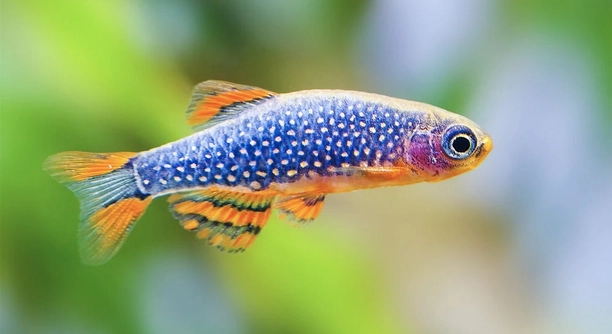
Do your danios sometimes struggle to process their food properly, leaving you unsure about their overall health and well-being? Understanding their digestive patterns can help maintain a thriving and vibrant aquarium environment for these delicate fish.
Several conditions can interfere with Danio digestion, including poor water quality, inadequate diet, internal parasites, bacterial infections, constipation, stress from overcrowding, and improper feeding practices. Addressing these factors is crucial to ensuring optimal nutrient absorption and sustaining their health.
Knowing the common causes of digestive issues will help you take practical steps to support your Danio’s well-being and keep your aquarium thriving.
Poor Water Quality
Poor water conditions can significantly affect Danio digestion. Ammonia, nitrites, and nitrates in the tank can irritate their digestive tract, slowing nutrient absorption. Uneven pH levels or extreme temperatures can also stress Danios, leading to reduced appetite and improper digestion. Regular water changes and monitoring water parameters are essential to maintain a healthy environment. Fish kept in consistently clean water are more likely to process food efficiently and show better overall activity. Even minor fluctuations in water quality can cause stress, which directly impacts digestion. Ensuring proper filtration and avoiding overfeeding are practical steps to prevent digestive disturbances. Observing your Danios daily helps catch early signs of stress or digestive discomfort.
Keeping water clean and stable promotes healthy digestion and reduces the likelihood of illness among your Danios.
A consistent care routine, including partial water changes, filter maintenance, and monitoring water parameters, can prevent most water-related digestive issues. Healthy water conditions improve appetite, reduce stress, and help Danios absorb nutrients effectively, ensuring their overall vitality.
Inadequate Diet
Feeding Danios an unbalanced diet can hinder proper digestion. Foods lacking in essential nutrients or high in fillers may lead to constipation and nutrient deficiencies. A mix of high-quality flakes, pellets, and occasional live or frozen foods provides necessary vitamins, minerals, and fiber. Overfeeding can also cause digestive problems, as uneaten food decomposes and worsens water quality. Observing how much your Danios eat and adjusting portions accordingly supports digestion.
Providing a balanced diet ensures they receive essential nutrients for healthy growth.
Feeding habits play a crucial role in digestive health. Danios require a variety of protein sources, including brine shrimp, daphnia, or bloodworms, alongside plant-based foods. Rotating foods prevents nutrient gaps and encourages natural foraging behavior. Overfeeding may result in bloating, constipation, or slower digestion. Incorporating fiber through blanched vegetables like zucchini or spinach can aid digestive efficiency. Monitoring feeding frequency and adjusting based on fish size, age, and activity levels helps prevent gastrointestinal distress. Regular observation of stools, behavior, and activity indicates if the diet meets their needs, allowing prompt adjustments. A proper feeding strategy supports growth, immunity, and overall vitality, ensuring Danios remain energetic and healthy while reducing the risk of digestive disorders.
Internal Parasites
Internal parasites can disrupt Danio digestion by damaging the gut lining and competing for nutrients. Common signs include bloating, stringy stools, and reduced appetite. Prompt identification and treatment with appropriate anti-parasitic medication are necessary to restore digestive health and prevent long-term harm.
Parasites such as nematodes, protozoa, or flukes can be introduced through live foods, contaminated water, or new tank mates. They interfere with nutrient absorption, causing weight loss and lethargy. Quarantining new fish and maintaining clean tank conditions reduce the risk of infection. Infected Danios often display visible signs like white threads in feces or persistent scratching. Regular observation allows early detection, improving treatment success and recovery rates. Anti-parasitic medications should be used according to instructions to avoid harming the fish or beneficial tank organisms.
Treating internal parasites promptly is crucial, as prolonged infestations can severely affect growth and immunity. A combination of proper medication, improved diet, and clean water helps Danios regain digestive balance. Careful monitoring during recovery ensures long-term health and reduces the likelihood of reinfection.
Bacterial Infections
Bacterial infections can impair Danio digestion, often causing swelling, lethargy, and abnormal feces. Maintaining a clean tank and promptly isolating affected fish are key to preventing the spread of infection. Treatment with suitable antibiotics is often required.
Bacterial overgrowth can result from poor water quality, stress, or injuries. Pathogens such as Aeromonas or Pseudomonas can attack the digestive system, causing inflammation and reduced nutrient absorption. Symptoms include bloating, frayed fins, loss of appetite, and sometimes discoloration of the body. Early detection and isolation of affected Danios prevent the bacteria from spreading to other tank inhabitants. Medications targeting specific bacteria should be administered carefully, following dosage instructions to avoid resistance or harm to the fish. Supporting fish with high-quality, easily digestible food during treatment aids recovery and strengthens immunity.
Ensuring optimal tank hygiene, stable water parameters, and stress reduction minimizes the risk of bacterial infections. Proper nutrition and a consistent observation routine support digestion and overall health, helping Danios recover faster and thrive in their environment.
Constipation
Constipation in Danios often results from low-fiber diets or overfeeding. Fish may appear bloated, have reduced appetite, or produce stringy feces. Adjusting their diet and ensuring proper feeding portions can help restore normal digestion and reduce discomfort.
Increasing fiber through blanched vegetables like zucchini or peas can relieve constipation. Feeding smaller, more frequent meals prevents overeating and allows their digestive system to process food efficiently. Observing feces consistency provides insight into digestive health and helps determine if dietary changes are effective.
Stress from Overcrowding
Overcrowded tanks increase stress, which negatively affects Danio digestion. Limited swimming space and competition for food can cause slower nutrient absorption, reduced appetite, and weakened immunity. Maintaining an appropriate fish-to-tank ratio is essential to support healthy digestion and overall vitality.
Improper Feeding Practices
Feeding Danios too frequently or providing unsuitable foods can disrupt digestion. Uneaten food decays, harming water quality and stressing fish. Portion control and offering easily digestible foods like high-quality flakes or pellets ensure proper nutrient absorption and reduce digestive strain.
Monitoring and Adjustment
Consistent observation of feeding habits, feces, and behavior helps identify digestive issues early. Adjusting diet, water conditions, and feeding frequency based on these observations supports long-term digestive health.
FAQ
How can I tell if my Danio is having digestive problems?
Signs of digestive issues include bloating, loss of appetite, lethargy, and abnormal feces, which may appear stringy, pale, or discolored. Observing your fish daily allows you to notice changes early. Swelling in the belly or erratic swimming patterns can also indicate discomfort related to digestion.
What is the best way to prevent constipation in Danios?
Preventing constipation involves offering a balanced diet that includes fiber-rich foods, like blanched zucchini or peas, alongside high-quality flakes or pellets. Avoid overfeeding, as excess food can slow digestion. Feeding smaller, consistent portions helps their digestive system function efficiently and reduces bloating.
How often should I change the water to support digestion?
Partial water changes of 20-30% weekly are ideal for maintaining clean water. Regular changes remove excess waste and toxins, which stress the fish and affect digestion. Proper filtration combined with consistent monitoring of ammonia, nitrite, and nitrate levels supports a healthy digestive environment.
Can stress from tankmates impact Danio digestion?
Yes, aggressive or overcrowded tank conditions can stress Danios, slowing digestion and reducing appetite. Ensuring adequate swimming space and choosing compatible fish species help reduce stress. Observing interactions and providing hiding spots or plants can further alleviate tension and maintain proper digestion.
Which foods are easiest for Danios to digest?
High-quality flakes, pellets, and occasional frozen or live foods like brine shrimp and daphnia are easy to digest. Rotating protein sources and incorporating small amounts of vegetables ensures they receive fiber and essential nutrients without straining their digestive system. Avoid feeding foods that are overly dense or high in fillers.
How do I treat internal parasites affecting digestion?
Internal parasites require specific anti-parasitic medications available at aquarium stores or through a veterinarian. Quarantining infected fish prevents spread. Clean the tank thoroughly and monitor water quality. Support recovery with a nutritious diet and reduce stress to help the fish regain strength and restore digestive function.
What role does water temperature play in digestion?
Water temperature directly influences metabolism. Danios thrive in moderate, stable temperatures, which allow proper enzyme function and nutrient absorption. Sudden fluctuations or extreme temperatures can slow digestion, reduce appetite, and increase susceptibility to infections or stress-related digestive issues.
How can I know if a bacterial infection is affecting digestion?
Bacterial infections may present as bloating, frayed fins, lethargy, and abnormal feces. Early detection is key. Isolation of affected fish and treatment with targeted antibiotics help control the infection. Supporting water quality and nutrition aids recovery and prevents long-term digestive problems.
Is overfeeding a common cause of digestive issues?
Yes, overfeeding can cause bloating, constipation, and deteriorated water quality, which stresses Danios and slows digestion. Feeding smaller, controlled portions based on tank size and fish activity ensures they consume what they can process efficiently. Uneaten food should be removed promptly.
Can adding fiber improve digestion?
Incorporating fiber from blanched vegetables helps regulate bowel movements and prevent constipation. It aids gut function, promotes nutrient absorption, and reduces digestive strain. Fiber should complement, not replace, protein-rich foods that are essential for growth and overall health.
How long does it take for a Danio to recover from digestive problems?
Recovery time depends on the cause and severity. Minor dietary adjustments may resolve issues within a few days, while bacterial or parasitic infections can take one to two weeks with proper treatment. Consistent care, clean water, and a balanced diet support faster recovery.
Are there preventive measures for digestive health?
Maintaining clean water, feeding a balanced diet, avoiding overfeeding, and reducing stress are essential preventive measures. Regular observation and prompt attention to behavioral changes or feces abnormalities help detect issues early, ensuring your Danios remain healthy and active.
Can probiotics help Danios with digestion?
Probiotics formulated for aquarium use can support gut health by promoting beneficial bacteria. They may aid in nutrient absorption, reduce bloating, and enhance immune function. Use them as a supplement, not a replacement for proper diet and water maintenance.
What should I do if my Danio refuses to eat?
Loss of appetite can indicate stress, poor water quality, illness, or digestive issues. Check water parameters, look for signs of infection or parasites, and provide a variety of palatable foods. Small, frequent feedings and isolating sick fish can help stimulate eating and prevent further digestive decline.
How important is observation in maintaining digestive health?
Daily observation is crucial. Monitoring appetite, behavior, swimming patterns, and feces consistency helps catch early signs of digestive problems. Prompt intervention based on observation can prevent minor issues from becoming serious, ensuring Danios stay healthy and their digestion functions properly.
Can improper tank cleaning affect digestion?
Yes, dirty tanks allow waste buildup, leading to high ammonia and nitrite levels. These toxins irritate the gut, slow digestion, and weaken immunity. Regular water changes, filter maintenance, and substrate cleaning help maintain an environment that supports healthy digestion.
Is it necessary to quarantine new fish for digestive health?
Quarantining new arrivals reduces the risk of introducing parasites, bacteria, or other pathogens that can disrupt digestion. A two to three-week quarantine allows monitoring for illness, ensures the new fish acclimate properly, and protects existing Danios from potential digestive complications.
How can I adjust feeding for young or small Danios?
Young Danios require smaller, more frequent feedings to match their metabolism. Overfeeding can overwhelm their digestive system, while underfeeding may stunt growth. Providing appropriately sized food particles ensures they can consume and digest efficiently.
What signs indicate improvement in digestion?
Improvement is seen through normal feces, consistent appetite, active swimming, and reduced bloating. Observing these changes after dietary adjustments or treatment confirms recovery and helps guide ongoing feeding and tank management practices.
Are live foods necessary for digestion?
Live foods are not essential but provide protein, enrichment, and stimulation of natural foraging behaviors, which can support gut function. They should complement a balanced diet, not replace high-quality flakes or pellets, ensuring nutrition without overloading the digestive system.
Can digestive issues lead to other health problems?
Yes, prolonged digestive problems can weaken immunity, reduce growth, and increase susceptibility to infections. Early intervention, clean water, balanced diet, and stress reduction help prevent secondary health issues and maintain overall vitality.
How do I balance diet, water, and stress for healthy digestion?
Provide high-quality, varied food in proper portions, maintain stable water parameters, and reduce stress from overcrowding or aggressive tankmates. Consistent observation and prompt adjustments to any changes help ensure Danios digest properly and remain active and healthy.
Is fiber supplementation better than dietary adjustments?
Fiber supplementation can aid digestion, but adjusting the diet with natural fiber sources like vegetables is more sustainable. Combining both approaches may be beneficial in cases of constipation or irregular digestion. Regularly monitoring results ensures the method works without causing overfeeding or nutrient imbalance.
What routine checks help maintain digestive health?
Daily observation of appetite, feces, and behavior, weekly water parameter testing, regular partial water changes, and monitoring feeding amounts are key checks. These habits allow early detection of issues and help maintain stable conditions that support proper digestion.
How do I know when to consult a veterinarian?
Persistent digestive symptoms, unresponsive to diet or water adjustments, or severe signs like lethargy, swelling, or bloody feces require professional advice. A veterinarian can provide diagnosis, prescribe treatments, and guide care for serious digestive conditions.
Can changing food suddenly cause digestive upset?
Yes, abrupt diet changes can stress the digestive system, causing bloating or constipation. Gradually transitioning foods over several days allows the gut to adjust and helps maintain stable digestion. Monitoring for signs of discomfort during this period is important.
Are freeze-dried foods safe for digestion?
Freeze-dried foods are generally safe but should be rehydrated before feeding to prevent swallowing difficulties and digestive strain. They can supplement protein needs but should not replace a balanced diet with high-quality flakes, pellets, and occasional live or frozen foods.
Does temperature fluctuation affect nutrient absorption?
Yes, sudden changes in water temperature can slow metabolism, impair enzyme function, and reduce nutrient absorption. Keeping temperature stable within the species’ ideal range ensures efficient digestion and overall health.
How can I support digestion during recovery from illness?
Provide easily digestible, high-quality foods, maintain optimal water conditions, and reduce stress. Monitor feces and appetite closely, and continue treatment as prescribed. Supporting gut function helps restore energy, nutrient absorption, and overall resilience.
What role does observation of feces play in maintaining digestive health?
Feces provide a direct insight into digestive function. Changes in color, consistency, or frequency indicate potential problems. Regular observation helps identify constipation, parasites, or infections early, allowing prompt intervention to maintain digestive health.
How can I encourage proper feeding behavior in Danios?
Feed small, consistent portions, offer a variety of foods, and minimize competition by spacing feeding areas. Observing their behavior ensures all fish eat adequately without overfeeding or causing stress, supporting efficient digestion.
Is it necessary to adjust diet for older Danios?
Older Danios may digest slower and benefit from softer, easily digestible foods. Adjusting portion sizes and including fiber can help prevent constipation and maintain nutrient absorption as metabolism changes with age.
How do I know if my Danios’ digestion has fully recovered?
Full recovery is indicated by normal feces, consistent appetite, active swimming, and absence of bloating or discomfort. Maintaining proper diet, water quality, and stress-free conditions ensures digestion remains stable and prevents recurrence of issues.
Can quarantine tank conditions affect digestion?
Yes, poor quarantine tank conditions can stress fish and slow digestion. Clean water, appropriate temperature, and proper nutrition are essential during quarantine to prevent digestive problems before introducing fish to the main tank.
How often should I observe my Danios for digestive health?
Daily observation of appetite, feces, behavior, and swimming patterns helps catch early signs of digestive problems. Frequent monitoring allows timely intervention, maintaining long-term digestive and overall health.
Can water hardness affect digestion?
Extreme water hardness or softness can stress Danios, impacting enzyme activity and nutrient absorption. Keeping water within recommended hardness levels for the species supports proper digestion and overall well-being.
Are there natural remedies for mild digestive issues?
Blanched vegetables, occasional fasting, and probiotics designed for aquarium use can help mild digestive problems. These remedies support gut function without introducing chemicals, but severe issues require professional treatment.
Can overcrowding in quarantine affect digestion?
Yes, overcrowding increases stress, reduces food intake, and slows digestion. Ensuring enough space, hiding spots, and controlled feeding during quarantine promotes digestive health and reduces disease risk.
How do I track feeding effectiveness?
Observe how much food is eaten within a few minutes, monitor feces consistency, and watch behavior post-feeding. Adjust portions and type of food based on these observations to ensure efficient digestion and avoid overfeeding.
What should I do if digestive issues persist despite intervention?
Persistent problems require veterinary evaluation. Diagnostic tests can identify parasites, bacterial infections, or organ issues. Follow treatment recommendations carefully, maintain water quality, and adjust diet to support recovery. Early professional intervention prevents complications and long-term digestive damage.
How can I make dietary changes without causing stress?
Introduce new foods gradually over 5-7 days, mixing them with familiar foods. Monitor appetite and feces to ensure the digestive system adapts without discomfort. Gradual changes minimize stress and maintain digestive stability.
Do live plants help with digestion?
Live plants indirectly support digestion by improving water quality, reducing stress, and providing minor grazing opportunities. While not a direct food source, they contribute to a healthier environment that supports gut function.
Can poor water circulation affect digestion?
Yes, stagnant water can lead to uneven oxygen levels and toxin buildup, stressing fish and impairing digestion. Proper circulation and aeration ensure even distribution of oxygen and nutrients, supporting digestive efficiency.
Is fasting useful for digestive issues?
Short fasting periods (24-48 hours) can help clear the digestive tract of blockages and reduce stress from overfeeding. It should be combined with high-quality, easily digestible foods afterward to restore nutrient intake.
Can changes in tank mates affect digestion?
Introducing aggressive or competitive fish can stress Danios, reducing appetite and slowing digestion. Careful selection of compatible species and monitoring interactions maintain a calm environment that supports proper digestive function.
How important is consistency in feeding times?
Consistent feeding schedules help regulate metabolism and digestion. Feeding at the same times daily trains Danios’ digestive systems and prevents overfeeding, bloating, or irregular bowel movements.
Can probiotics be used during illness recovery?
Yes, probiotics can help restore gut flora after illness or antibiotic treatment. They support nutrient absorption, reduce bloating, and strengthen the immune system, aiding full recovery and maintaining digestive health.
How do I balance water changes and feeding to avoid digestive stress?
Schedule partial water changes to avoid removing food suddenly. Feed after water changes to reduce stress and ensure digestion is not interrupted by fluctuating conditions. Consistency in both routines supports a stable digestive environment.
Are there signs that dietary fiber is too high?
Excess fiber can lead to loose stools or decreased nutrient absorption. Monitor feces and adjust the amount of vegetable or fiber-based food to maintain a healthy balance without straining digestion.
Can digestive issues affect behavior?
Yes, fish may become lethargic, swim erratically, or isolate themselves. Behavior changes often accompany digestive problems, signaling the need for dietary, environmental, or medical adjustments.
How do I know if feeding quantity is correct?
All food should be consumed within a few minutes. Uneaten food indicates overfeeding, while rapid consumption with leftover hunger may require slightly larger portions. Monitoring appetite ensures proper digestion without water quality issues.
Can temperature consistency prevent digestive problems?
Stable temperature supports enzyme activity and metabolism, reducing digestive disturbances. Sudden changes can stress fish, slow digestion, and increase vulnerability to infections or constipation. Maintaining recommended ranges promotes optimal gut function.
How do I choose suitable medications for digestive issues?
Select medications based on the identified cause, such as anti-parasitic, antibiotic, or antifungal treatments. Follow instructions carefully to avoid overdosing or harming beneficial tank organisms, and combine with supportive care for optimal recovery.
Are there long-term strategies for maintaining digestive health?
Yes, maintain clean water, balanced diet, appropriate tank stocking, stable temperature, and daily observation. Gradually adjust diet when needed, quarantine new fish, and monitor for early signs of digestive distress to prevent chronic problems.
How can I prevent recurring constipation?
Feed a mix of high-quality pellets, flakes, and fiber-rich vegetables. Avoid overfeeding and provide consistent feeding schedules. Regular monitoring of feces and minor fasting periods help maintain regular digestion and prevent recurring blockages.
Can water pH affect digestion?
Extreme or fluctuating pH levels stress Danios and can reduce digestive efficiency. Keeping pH stable within species-specific ranges ensures proper enzyme function, nutrient absorption, and overall gut health.
Is it safe to use multiple digestive aids at once?
Using several aids simultaneously should be done cautiously. Overuse can imbalance gut flora or cause nutrient absorption issues. Introduce aids gradually and monitor response to avoid unintended digestive problems.
How do I adjust care for sensitive Danios?
Sensitive fish benefit from stable water, gentle feeding routines, and high-quality foods. Reducing stressors, monitoring feces, and making gradual environmental or dietary changes help maintain digestion and overall health.
What’s the most common reason for recurring digestive problems?
Recurring issues often stem from poor water quality, overfeeding, or stress. Addressing these consistently and monitoring dietary intake and tank conditions minimizes long-term digestive complications.
Can tank size influence digestion?
Smaller, overcrowded tanks increase stress, reduce oxygen levels, and impair feeding efficiency. Proper tank size allows space for swimming, reduces stress, and supports regular digestion.
Are supplements necessary for digestive health?
Supplements like probiotics or vitamin-enriched foods can support digestion but are not replacements for balanced nutrition and proper tank conditions. They help maintain gut flora and overall nutrient absorption.
How do I handle sudden changes in digestion?
Sudden changes may indicate infection, parasites, or dietary issues. Check water quality, isolate affected fish, and provide suitable treatment or dietary adjustments immediately to prevent complications.
Can improper lighting affect digestion?
Indirectly, yes. Poor lighting can disrupt circadian rhythms, reduce activity, and affect feeding behavior. Stable lighting supports regular feeding schedules and normal digestive function.
How can I track progress after treatment?
Observe feces, appetite, activity, and body condition daily. Improvement is seen through normalized stools, consistent feeding, and active swimming. Maintaining water quality and proper nutrition ensures full recovery and prevents relapse.
Is it normal for Danios to occasionally have irregular stools?
Minor variations are common, especially after diet changes or environmental stress. Persistent abnormal feces require attention, but occasional irregularities usually resolve quickly with stable conditions and proper feeding.
What’s the role of enrichment in digestive health?
Providing plants, hiding spots, or varied feeding methods reduces stress, encourages natural foraging, and supports digestive efficiency. A stimulating environment indirectly improves appetite and gut function.
Can long-term medication affect digestion?
Prolonged use of antibiotics or other treatments may disrupt gut flora. Supplementing with probiotics, providing high-quality food, and monitoring feces helps maintain digestive balance during extended treatment.
How do I know if water flow impacts digestion?
Strong currents may stress small Danios, reducing feeding efficiency, while stagnant water can harm gut function. Moderate, consistent flow ensures proper oxygenation and nutrient availability, supporting healthy digestion.
Are there signs that fiber is too low?
Low fiber often leads to constipation, bloating, or irregular feces. Including vegetables or other fiber sources helps maintain regular bowel movements and proper nutrient absorption.
Can seasonal changes affect digestion?
Temperature fluctuations or variations in light cycles can influence metabolism, appetite, and digestion. Maintaining stable conditions indoors helps prevent seasonal stress on digestive function.
How do I prevent bacterial infections that impact digestion?
Keep water clean, avoid overcrowding, and isolate new fish. Proper nutrition and observation for early symptoms allow prompt treatment, preventing bacteria from disrupting digestion.
Can aggressive tankmates cause long-term digestive issues?
Yes, persistent stress from aggression reduces appetite and slows nutrient absorption. Ensuring compatible species and sufficient space protects digestion and overall health.
Is it necessary to adjust feeding for sick Danios?
Yes, sick fish often need smaller, easily digestible meals. Avoid overfeeding and focus on high-quality, nutrient-rich foods to support recovery and maintain gut function.
How do I know if a digestive aid is working?
Improvement is visible in normal feces, active behavior, and consistent appetite. Track progress over several days and adjust use based on results to ensure effectiveness.
Can overcrowding in a display tank affect digestion?
Yes,
Final Thoughts
Maintaining proper digestion in Danios requires consistent attention to their diet, environment, and overall care. Digestive problems often stem from a combination of factors, including poor water quality, stress, inadequate diet, and infections. Each element of care plays a crucial role in keeping their digestive system functioning efficiently. Ensuring clean water with stable parameters reduces stress and supports nutrient absorption. Regular observation of feeding habits, feces, and activity helps identify early signs of digestive disturbances, allowing for timely intervention before issues become severe. Providing a balanced diet that includes high-quality flakes or pellets, occasional live or frozen foods, and some fiber from vegetables helps promote healthy digestion. Avoiding overfeeding and following a consistent feeding schedule ensures their digestive system can process food effectively and reduces the risk of bloating or constipation.
Addressing digestive problems promptly is essential for long-term health. Internal parasites, bacterial infections, and poor feeding practices can cause serious disruptions if left untreated. Quarantining new fish and treating infections with appropriate medication prevents the spread of disease and supports recovery. Stress from overcrowding, incompatible tankmates, or sudden environmental changes can slow digestion, so maintaining a calm and stable tank environment is equally important. Gradual adjustments in diet, proper portion control, and supplementation with fiber or probiotics can improve gut function and prevent recurring issues. Combining these measures with consistent care routines strengthens overall health, supports immunity, and ensures Danios remain active and energetic. Observing changes in behavior, appetite, and stool consistency provides valuable feedback about how well the digestive system is functioning and whether additional interventions are necessary.
Long-term digestive health relies on proactive and consistent care. Water quality, diet, and stress management are all interconnected, and neglecting any one aspect can create ongoing challenges. Small adjustments, such as offering varied foods, cleaning the tank regularly, and monitoring for signs of illness, can prevent minor issues from escalating into serious problems. Providing a stable environment with appropriate tank size, temperature, and compatible tankmates encourages natural feeding behavior and reduces stress. Over time, these measures promote efficient nutrient absorption, regular bowel movements, and overall vitality. Prioritizing digestive health not only improves the well-being of each Danio but also enhances the enjoyment and success of maintaining a thriving aquarium. Careful attention to these factors ensures that digestive issues are minimized and that the fish can lead healthy, balanced lives within a safe and supportive aquatic environment.

Hello,
If you enjoy the content that we create, please consider saying a "Thank You!" by leaving a tip.
Every little bit helps us continue crafting quality advice that supports the health, happiness, and well-being of pets around the world, for pets of all shapes, sizes, and species.
We really appreciate the kindness and support that you show us!