
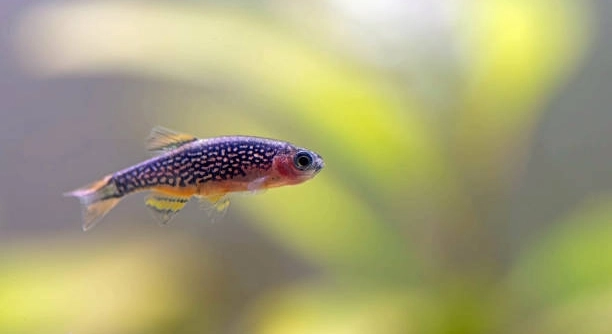
Celestial Pearl Danios are small, colorful fish that brighten up any aquarium. They are sensitive creatures, and subtle changes in behavior or appearance may signal that something is wrong with their environment or health.
Stress in Celestial Pearl Danios often manifests through changes in swimming patterns, appetite, coloration, and social behavior. Recognizing these early indicators allows for timely interventions, ensuring the fish maintain optimal health and continue to thrive in their habitat.
Identifying these early signs can make a big difference in maintaining a healthy, peaceful aquarium for your Danios. Observing them closely provides insight into their overall well-being.
Changes in Swimming Patterns
When I first noticed my Celestial Pearl Danios darting suddenly across the tank or hiding behind decorations more than usual, I realized stress might be affecting them. Healthy Danios usually swim in coordinated groups, gliding smoothly through the water. Sudden, erratic movements, or spending long periods at the bottom, can indicate discomfort or stress. Factors like water temperature, tank size, and the presence of strong currents can influence their swimming behavior. Keeping the water conditions stable and providing plenty of hiding spots helps reduce anxiety. Sometimes, introducing new fish too quickly or overcrowding can disrupt their natural routines, causing them to swim unusually. Observing how they interact with tank mates is also key, as stressed Danios may avoid group activities or display aggression. Small adjustments, such as adding plants or adjusting lighting, often result in calmer swimming and a healthier environment.
Erratic swimming is a clear sign that something in their environment needs attention. Careful observation helps catch problems early.
Noticing changes in swimming can prevent larger health issues. Over time, stress may lead to weakened immunity, loss of appetite, or vulnerability to diseases. Providing stable water conditions, gentle filtration, and hiding spaces helps Danios feel safe. Even subtle shifts in behavior can signal a need for adjustments in tank maintenance, feeding schedules, or social grouping. By paying close attention to their swimming habits, you ensure your Danios stay active and vibrant, keeping the aquarium balanced and stress-free.
Loss of Appetite
A drop in appetite is often one of the first signs of stress in Danios.
Stress can cause your Celestial Pearl Danios to refuse food, nibble less, or even spit out meals they normally enjoy. Consistent feeding schedules and high-quality food are essential. Sudden changes in diet, water quality issues, or overcrowding can make them reluctant to eat. Sometimes, illness is also linked to reduced appetite, so monitoring their behavior alongside feeding is crucial. Even minor stressors, like loud noises or vibrations near the tank, may affect eating patterns. Adjusting the environment to be more peaceful, checking water parameters, and offering small, frequent meals can encourage them to resume normal feeding. Watching closely how each fish reacts helps identify individual needs and prevent malnutrition before it becomes serious.
Tracking feeding habits ensures you can address stress before it impacts overall health, keeping the fish active and thriving.
Reduced appetite can quickly affect energy and immunity. Danios that stop eating may become lethargic, making them more prone to infection. Providing a calm environment, stable temperature, and quality nutrition helps them regain normal feeding patterns. Offering live or frozen foods can stimulate interest if they seem disinterested in pellets or flakes. Consistent monitoring and gentle adjustments often restore appetite and improve their overall condition, ensuring the fish maintain proper growth, coloration, and activity levels. By taking these small steps, you protect your Danios’ long-term well-being.
Faded or Dull Coloration
Stress often shows in the fading of a Celestial Pearl Danio’s bright colors.
When I noticed my Danios losing their usual sparkle, I checked the water immediately. Poor water quality, improper lighting, or sudden changes in the tank can cause their colors to dull. Even minor stressors, like moving decorations or adding new fish, can affect coloration. Healthy Danios display vivid blues, oranges, and whites, so any dimming signals a need for attention. Adjusting the environment, stabilizing water parameters, and reducing disturbances often restores their vibrant appearance over time.
Consistent monitoring of water parameters, including pH, ammonia, and nitrate levels, is crucial. Keeping the tank clean and maintaining regular water changes ensures the colors remain bright. Stress can also affect hormones linked to pigmentation. Providing hiding spots, stable lighting schedules, and avoiding sudden temperature shifts helps prevent prolonged fading. In my experience, calming the environment gradually improves their coloration, which often returns fully after several days of stability.
Nutrition also plays a role in color vibrancy. Feeding high-quality, varied food supports natural pigments and overall health. Even with perfect water conditions, poor diet can make colors appear washed out. Supplementing with live or frozen foods, like daphnia or brine shrimp, can enhance brightness. Maintaining a balanced diet alongside a stable environment ensures that coloration remains vivid. Watching my Danios regain their sparkle after these adjustments reassured me that addressing both stress and nutrition together is essential for long-term well-being.
Hiding More Than Usual
Danios that spend most of their time hiding may be stressed.
My fish started retreating behind plants and ornaments, avoiding open swimming. Stress, overcrowding, or aggressive tank mates can cause this behavior.
Frequent hiding can reduce their activity, appetite, and social interaction. Even subtle changes, like a new filtration system or shifts in lighting, may trigger this response. Providing plenty of cover, maintaining gentle water flow, and keeping consistent schedules often encourages them to explore again. Over time, careful observation helps identify triggers, whether environmental or social, so adjustments can restore comfort.
Hiding may also indicate fear or illness. If a fish is always in corners, check water quality, temperature, and compatibility with tank mates. Overcrowding can worsen stress, so maintaining appropriate stocking levels is important. Gradual acclimation to changes, such as adding new fish or rearranging decorations slowly, prevents prolonged hiding. In my tank, increasing cover and adjusting feeding routines helped the Danios feel safer and gradually return to normal activity, highlighting the importance of both environment and routine in reducing stress.
Gasping at the Surface
Some of my Danios started lingering near the water surface, taking quick, shallow breaths.
This behavior usually signals low oxygen levels or poor water circulation. Adjusting aeration, checking the filter, and ensuring regular water changes quickly improved their breathing and activity.
Clamped Fins
Clamped fins are a clear sign of stress or discomfort in Danios.
When my fish held their fins close to their bodies, I immediately checked water parameters and temperature. Stress from sudden changes, overcrowding, or illness can cause this. Stabilizing the tank environment, maintaining proper temperature, and ensuring compatible tank mates gradually restored normal fin movement, helping the fish feel secure and active again. Observing fin posture daily allows me to catch early signs of stress before they affect overall health.
Lethargy
Occasional lethargy in Celestial Pearl Danios can indicate stress or poor water conditions.
When I noticed a few Danios remaining inactive for long periods, I tested the tank water for ammonia, nitrites, and nitrates. Adjusting water quality, maintaining consistent lighting, and offering regular meals helped them regain energy. Monitoring activity levels ensures early intervention.
Aggression
Some Danios may show aggressive behavior when stressed.
Aggression often appears as chasing or nipping tank mates. Ensuring adequate space, hiding spots, and balanced social groups reduces conflicts and helps maintain a peaceful environment.
What causes stress in Celestial Pearl Danios?
Stress in Celestial Pearl Danios can be caused by several factors, and I’ve noticed that even small changes in their environment can have an effect. Poor water quality, sudden temperature fluctuations, overcrowding, and aggressive tank mates are the most common contributors. Improper lighting, strong water currents, and frequent disturbances near the tank can also make them uneasy. Even changes in feeding routines or introducing new fish too quickly can trigger stress. Observing their daily behavior helps identify which factors might be affecting them. By addressing these elements one by one, the Danios tend to return to normal activity and vibrant coloration, showing that stability is key to reducing stress.
How can I tell if my Danios are stressed?
There are clear signs that indicate stress. I first noticed changes in swimming patterns, such as erratic movements or staying at the bottom for long periods. Dull coloration, clamped fins, hiding more than usual, and loss of appetite are other common signs. Gasping at the surface and lethargy are also red flags. Behavioral changes like aggression or avoiding other fish can indicate social stress. Watching them carefully and taking notes of unusual patterns helps me catch stress early. Early detection allows me to correct environmental issues or adjust tank management before their health declines.
What water conditions do they need to stay healthy?
Celestial Pearl Danios thrive in stable water conditions. I maintain a temperature between 22–26°C (72–79°F) and a pH around 6.5–7.5. Ammonia and nitrites should always be at zero, and nitrates kept below 20 ppm. Gentle filtration is preferred, as strong currents can stress them. Regular water changes, usually 25% weekly, help keep the environment clean. Proper aeration is also important to prevent oxygen shortages, especially in smaller tanks. Keeping these conditions consistent minimizes stress and supports their natural behavior, feeding habits, and vibrant coloration. Even small shifts can have noticeable effects on their health.
How should I manage their diet?
A balanced diet reduces stress and keeps them healthy. I feed my Danios high-quality flake or pellet food as a staple and supplement it with frozen or live foods like daphnia, brine shrimp, or bloodworms. Small, frequent meals work better than one large feeding, helping prevent overeating and maintaining stable water quality. Avoid sudden diet changes, as these can cause stress or loss of appetite. Providing variety ensures they get proper nutrients for energy, color vibrancy, and growth. Observing their eating habits daily helps detect problems early, such as reluctance to eat, which often signals environmental or health issues.
Can tank setup affect stress levels?
The tank setup has a major impact on stress. I make sure there are plenty of hiding spots, such as plants, rocks, and decorations, to give them security. Open swimming areas are also important for group activity. Avoid overcrowding, as too many fish increase competition and anxiety. Gentle water flow, consistent lighting schedules, and a calm environment reduce stress. Even placement of the tank matters; avoiding high-traffic areas with loud noises makes a difference. Proper tank design supports natural behavior and helps Danios feel safe, which prevents prolonged stress and promotes overall health.
How do I handle new fish introductions?
Introducing new fish requires patience. I use a quarantine tank first to observe any signs of illness before adding them to the main tank. Gradually acclimating the new fish to water parameters prevents shock. I also rearrange decorations slightly so territorial boundaries are reset, which reduces aggression. Monitoring interactions closely for the first week helps prevent stress among the original Danios. Gentle introductions and careful observation ensure the social balance is maintained, keeping the tank peaceful and minimizing stress for everyone.
What should I do if a fish shows prolonged stress?
If stress persists, immediate action is needed. I start by testing water quality for ammonia, nitrites, nitrates, and pH. Adjusting temperature or filtration and increasing hiding spots often helps. Reducing overcrowding or separating aggressive fish may be necessary. Offering high-quality food and maintaining consistent routines supports recovery. In some cases, observing for illness is important, as stress weakens immunity. Addressing the root causes promptly allows Danios to regain normal behavior, color, and appetite, improving their chances of long-term health in the aquarium.
This FAQ highlights common questions and practical steps to manage stress, focusing on simple, daily observation and careful tank management to keep Celestial Pearl Danios healthy and active.
Observing stress in Celestial Pearl Danios is an important part of maintaining a healthy aquarium. These small fish are sensitive to changes in their environment, and even minor disruptions can affect their behavior, appetite, or coloration. By paying close attention to early signs of stress, such as erratic swimming, hiding, faded colors, or loss of appetite, it is possible to intervene before more serious problems develop. Keeping water parameters stable, maintaining proper temperature, and ensuring a calm, secure environment are essential steps to minimize stress. Providing hiding spots, plants, and open swimming areas allows the fish to feel safe and express natural behaviors, which contributes to their overall well-being. Overcrowding and aggressive tank mates can also increase stress, so careful consideration of the number and type of fish in the tank is important. Consistent feeding routines and high-quality nutrition support both physical health and coloration, helping the Danios stay vibrant and active.
Regular monitoring is key to preventing prolonged stress. Daily observation allows for early detection of unusual behaviors or changes in appearance. Even small adjustments, such as improving aeration, adjusting water flow, or rearranging decorations, can have a noticeable effect on the comfort and activity levels of your fish. Keeping a close eye on their interactions with tank mates helps identify social stressors, while consistent cleaning and partial water changes maintain a safe and stable environment. It is important to recognize that each Danio may react differently to environmental changes, and what stresses one individual may not affect another as much. Patience and careful observation are necessary to ensure that the aquarium conditions meet the needs of all the fish. By addressing stress factors promptly, it is possible to maintain a harmonious tank where the Danios can thrive.
Ultimately, the health and happiness of Celestial Pearl Danios depend on the care and attention they receive. Stress can reduce their immunity, dull their colors, and make them more susceptible to illness, but most causes are preventable with proper tank management and observation. Maintaining clean water, stable temperatures, and a balanced diet, while providing hiding spaces and minimizing sudden disturbances, will go a long way in keeping the fish calm and active. Paying attention to early warning signs and taking action when needed ensures that your Danios remain healthy, vibrant, and lively. Over time, creating a stable and supportive environment allows these small fish to display their natural behaviors, swim confidently, and enjoy a longer, healthier life in the aquarium. By understanding their needs and responding to signs of stress promptly, you can provide a safe, comfortable home that encourages the Danios to thrive.

Hello,
If you enjoy the content that we create, please consider saying a "Thank You!" by leaving a tip.
Every little bit helps us continue crafting quality advice that supports the health, happiness, and well-being of pets around the world, for pets of all shapes, sizes, and species.
We really appreciate the kindness and support that you show us!