
Write in a simplistic style, 3 paragraphs for the intro of the article: “Do Bristlenose Plecos Like Smooth Rocks?”. Make it sound partially friendly. Follow the format mentioned. Do not say: “Picture this” or “Stay tuned” or “Dive” or “Delve”; Use the Format:; Paragraph: 35 words that will be a short intro to the article. (use a simplistic style and a neutral tone, avoid using questions) Examples:; “Do you love baking pies but find yourself wondering how long your pie dough will stay fresh in the fridge?”; “Have you ever wondered how …”; “Do you ever find yourself …“; “Have you ever …” ; “Are your…”; “Is your…”; “Do your brownies sometimes end up too oily, leaving you with a less-than-perfect treat?”; Paragraph: A straight to the point response to the question in the title that is 40 words long (bold this paragraph, use a formal tone, like you are writing a research paper).; Examples: ; “The simplest way to get your pie to brown on the bottom is by baking it on the lowest oven rack. Placing your pie closer to the heat source allows the bottom crust to crisp up and brown evenly and quicker.”; “The main reason your no-knead bread is too wet is due to overproofing. Allowing the dough to rise for too long can cause it to become excessively hydrated and lose its structure”; “Ferrets stare at their owners as a sign of affection and curiosity. This gaze is a way of bonding and showing trust. Additionally, ferrets are naturally curious creatures, and they may be observing you to learn more about their environment.”; “The most common reason why your bundt cake is not cooking in the middle stems from incorrect oven temperature. Ovens can be finicky and inconsistent, leading to uneven baking. A simple way to avoid this problem is to use an oven thermometer.”; Paragraph: 20 words that will make the reader want to keep reading the rest of the article. (use a simplistic style and a neutral tone) (Do not say ”Curious to“, avoid using questions, avoid saying “Delve”); Examples:; “While the tiny trimmings may seem harmless, there is a deeper story behind your guinea pigs barbering adventures.” ; “Leaving pizza dough refrigerated is a common practice for many, however, it is beneficial to know how leaving it out may impact the cooking process.”; “From the art of toppings and the battle of sauces to the influence of ovens, we will uncover the secrets that make each slice unique.”.; “Understanding these factors will not only help you address current issues but also ensure your axolotls long-term health and happiness in its aquatic habitat. Dive in to explore more!”; “So, what can you do to get your axolotl back on track?“; “Your guinea pigs deserve a well-balanced diet, and we are here to guide you through the ins and outs of incorporating eggplant into their munch-worthy repertoire.”; Note: do not exceed the given word count.; Note: pretend you are a woman.
Why Smooth Rocks Matter for Bristlenose Plecos
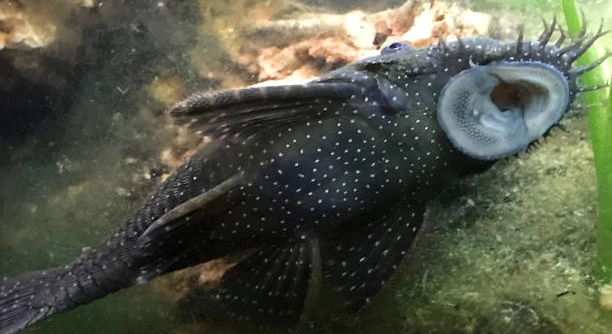
Smooth rocks provide a safe and comfortable environment for Bristlenose Plecos to explore and rest. These fish spend much of their time at the bottom of the tank, grazing on algae and moving slowly along surfaces. Rough or jagged rocks can damage their sensitive undersides and fins, leading to stress or potential infections. Smooth surfaces not only reduce the risk of injury but also make cleaning easier for aquarium owners. Many Plecos also like hiding under rocks, and smoother stones create spaces where they feel secure. By arranging smooth rocks strategically, you can encourage natural behaviors, such as grazing and resting. Smooth rocks also help maintain water quality because debris and algae can be easily wiped off or rinsed. Choosing the right rocks is an important step in creating a tank that supports both the health and natural habits of Bristlenose Plecos.
A tank with smooth rocks is safer and cleaner, giving Plecos space to rest and move freely without risk of harm.
Proper rock selection improves tank functionality and ensures your Plecos display healthy, natural behaviors, while also making maintenance simpler and less stressful.
How to Choose the Right Rocks
Look for rocks that are naturally smooth, like river stones or polished aquarium-safe rocks. Avoid sharp-edged stones that can harm your fish.
Choosing rocks starts with size and texture. Smaller stones allow Plecos to move freely without risk of getting trapped, while larger smooth rocks can provide hiding spots. Always rinse rocks thoroughly before adding them to the tank to remove dirt or residues that could affect water quality. Consider arranging the rocks to create shaded areas where Plecos can rest during the day. Rounded edges reduce the risk of injury, especially when Plecos brush against surfaces while grazing. Over time, algae growth on these smooth rocks can become a natural food source for your fish, supporting their diet. Maintaining smooth rocks also helps keep the tank clean since they are easier to wipe or vacuum without disturbing the fish. Selecting the right rocks is a simple way to enhance both the safety and enjoyment of your aquarium setup.
Arranging Rocks for Pleco Comfort
Placing rocks in a tank should balance hiding spots and open space. Smooth rocks prevent injuries while giving Plecos areas to rest and explore. Avoid overcrowding the bottom with too many stones.
Start by creating a few small caves or gaps between rocks. Bristlenose Plecos enjoy resting under ledges or between stones during daylight hours. Ensure there is enough open space for them to swim freely without bumping into decorations. Layering rocks with gentle slopes rather than steep piles reduces risk of collapse and keeps the tank safe. You can also place some rocks near areas where algae naturally grows, allowing Plecos to graze without traveling far.
Varying the size of smooth rocks adds both functionality and visual appeal. Small stones can help create subtle paths, while larger rocks act as resting platforms. Smooth surfaces throughout the tank encourage natural behavior and reduce stress, keeping your Plecos healthy and active for years.
Cleaning and Maintaining Smooth Rocks
Regular cleaning prevents algae buildup and debris accumulation. Smooth rocks are easier to rinse or scrub without causing damage. Maintaining water quality is essential for Pleco health.
Remove rocks carefully when cleaning to avoid disturbing substrate or other tank decorations. Use a soft brush or sponge to gently scrub off excess algae. Avoid using soaps or chemicals, as residues can harm fish. Cleaning frequency depends on tank size, fish population, and feeding habits, but generally once a month is sufficient. Smooth rocks also allow for easy vacuuming of surrounding substrate, keeping water cleaner and reducing stress on Plecos.
Keeping smooth rocks in good condition enhances the tank’s environment and encourages healthy behavior. Clean rocks reduce bacterial buildup and maintain aesthetic appeal. Proper maintenance ensures that hiding spots remain safe and algae grazing areas are abundant. Smooth rocks not only protect the fish but also simplify regular tank care, making the aquarium safer and more enjoyable for both you and your Bristlenose Plecos.
Benefits of Smooth Rocks for Plecos
Smooth rocks prevent injuries to Plecos’ delicate undersides and fins. They create safe resting spots and reduce stress in the tank environment.
These rocks also support natural grazing behavior. Algae grows evenly on smooth surfaces, allowing Plecos to feed comfortably without sharp edges causing harm.
Enhancing Tank Aesthetics
Using smooth rocks of varying shapes and sizes adds visual interest while maintaining functionality. Rounded stones create natural-looking caves and open spaces that make the tank appear balanced and calming. Proper placement can complement plants and driftwood, improving the overall look without compromising safety.
Common Mistakes to Avoid
Overcrowding the tank with rocks limits swimming space and can cause stress. Sharp or jagged stones should always be avoided.
FAQ
Do Bristlenose Plecos need smooth rocks to be healthy?
Smooth rocks are not strictly necessary for survival, but they significantly improve the well-being of Bristlenose Plecos. These fish have sensitive undersides that can be scratched or injured on rough surfaces. Smooth rocks provide safe resting spots and grazing areas, reducing stress and promoting natural behaviors like hiding and feeding. By offering smooth rocks, you help prevent potential infections from injuries, making the tank environment safer and more comfortable for your Plecos.
Can rough rocks harm Bristlenose Plecos?
Yes, rough or jagged rocks can harm Plecos. Their fins and undersides are delicate, and scraping against uneven surfaces can cause cuts or abrasions. Open wounds can quickly lead to bacterial infections if left untreated. Even small scratches may stress the fish and impact their appetite or activity levels. Smooth rocks prevent this risk, allowing Plecos to move freely and rest safely, which is especially important for younger or smaller individuals who are more vulnerable to injury.
How often should I clean the rocks in my tank?
Cleaning frequency depends on tank size, fish population, and feeding habits. Generally, rinsing or gently scrubbing smooth rocks once a month is sufficient. Frequent cleaning helps prevent algae overgrowth, debris accumulation, and bacterial buildup. Use a soft brush or sponge and avoid soaps or chemicals. Smooth rocks make this process easier because debris does not cling to jagged edges. Regular maintenance keeps the tank safe, visually appealing, and reduces stress for your Plecos, while supporting their natural grazing behavior.
Are certain types of rocks better than others for Plecos?
Yes, rocks like polished river stones or aquarium-safe stones are ideal. Avoid sharp-edged stones or materials that can leach minerals into the water. Rounded, smooth rocks provide resting areas, hiding spots, and surfaces for algae to grow evenly. Selecting rocks of various sizes helps create natural caves and open spaces for movement, enhancing both functionality and aesthetics. Always rinse rocks before adding them to the tank to remove dust or residues. Correct rock choice improves tank safety and encourages natural Pleco behavior.
Can Plecos move heavy rocks on their own?
Bristlenose Plecos generally cannot move heavy rocks, but they may shift small stones slightly while grazing or exploring. Smooth rocks of manageable size are ideal because they reduce the risk of accidents. Heavy or unstable rocks can fall and injure fish or disturb plants and substrate. Properly arranging rocks with stable bases ensures safety while giving Plecos access to hiding spots and grazing areas.
Do smooth rocks affect algae growth for Plecos to eat?
Yes, smooth rocks provide ideal surfaces for algae to grow evenly, which supports the natural diet of Bristlenose Plecos. Unlike jagged surfaces that may harbor debris, smooth rocks allow algae to form thin layers that are easy for Plecos to graze. Positioning rocks in areas with indirect light encourages controlled algae growth, providing a consistent and safe food source for your fish. Regular cleaning maintains a balance between algae abundance and tank cleanliness.
Is it okay to mix smooth and rough rocks in the tank?
Mixing smooth and rough rocks is possible but requires caution. Ensure that rough rocks are stable and do not create sharp edges where Plecos could get injured. Smooth rocks should dominate resting and grazing areas, while rough rocks can add visual interest or support plants. Maintaining safety while providing variety helps Plecos explore naturally without risking harm, combining functionality with a pleasing tank design.
Do smooth rocks help Plecos feel secure?
Yes, smooth rocks create hiding spots and shaded areas where Plecos feel safe. These fish are naturally shy and appreciate secure spaces to rest during the day. Smooth surfaces reduce injury risk, so fish can hide and move without stress. Proper rock placement encourages natural behaviors and promotes overall health.
Can smooth rocks impact water quality?
Smooth rocks themselves do not negatively affect water quality, as long as they are aquarium-safe and properly rinsed before use. Unlike porous or mineral-rich rocks, they do not leach chemicals or change pH levels. Regular cleaning of rocks and surrounding substrate keeps the water clear, reducing stress and supporting Pleco health. Smooth rocks also make it easier to remove debris and maintain a clean environment.
Are there alternatives to smooth rocks for Plecos?
Yes, driftwood, PVC pipes, and other aquarium-safe decorations can provide hiding spots and resting areas. However, smooth rocks are preferred for grazing because algae adhere well to flat, even surfaces. Combining rocks with other hiding spots ensures Plecos have variety while maintaining a safe and functional tank environment.
How do I arrange smooth rocks for the best effect?
Place larger rocks as central resting areas or caves, with smaller rocks around for paths or gentle slopes. Ensure open swimming spaces remain. Layering rocks at different heights creates natural shade and hiding spots. Smooth rocks reduce injury risk while encouraging exploration, grazing, and resting in a safe environment, supporting the overall well-being of your Plecos.
Can smooth rocks help reduce stress in Plecos?
Absolutely. By offering safe resting areas, grazing surfaces, and hiding spots, smooth rocks reduce the risk of injury and provide security. Stress-free fish are more active, feed better, and display natural behaviors. Proper rock arrangement combined with clean water promotes calm, healthy Plecos that thrive in their aquarium.
This FAQ addresses the most common concerns about smooth rocks, helping ensure Bristlenose Plecos stay safe, healthy, and comfortable in their tank environment.
Final Thoughts
Creating a safe and comfortable environment for Bristlenose Plecos is an important part of keeping them healthy and happy. Smooth rocks play a key role in this process because they provide surfaces where Plecos can rest, hide, and graze without risking injury. Their delicate undersides and fins are easily scratched on jagged or rough surfaces, so smooth rocks help prevent cuts, abrasions, and infections. In addition to safety, smooth rocks make it easier for Plecos to explore their tank and exhibit natural behaviors. When arranging rocks, it is important to balance open swimming areas with shaded resting spots. This allows the fish to feel secure while still having enough space to move around freely. Small caves, gentle slopes, and varied rock sizes all contribute to a tank that meets both the physical and behavioral needs of your Plecos. Proper placement ensures the fish can hide when needed, reducing stress and promoting overall well-being.
Regular maintenance is also a critical part of keeping smooth rocks beneficial for your Plecos. Over time, algae, debris, and detritus can accumulate on rocks, which can impact water quality and make the tank less safe. Smooth rocks are easier to clean than jagged or porous ones because algae and dirt do not cling as strongly to their surfaces. Gentle scrubbing or rinsing during routine tank maintenance removes buildup without harming the fish or affecting the tank ecosystem. Avoiding soaps, detergents, or harsh chemicals ensures that your Plecos remain healthy. In addition to cleaning, it is helpful to periodically check that rocks are stable and have not shifted in a way that could injure the fish or damage the substrate. Smooth rocks are practical not just for the safety of your Plecos, but also for making ongoing tank care simpler and more efficient.
Choosing and arranging the right rocks also impacts the overall health and happiness of your Plecos in subtle ways. Smooth rocks encourage natural grazing by allowing algae to grow evenly, providing a steady and safe food source. They also help Plecos establish territories and find comfort in hiding spots. By combining smooth rocks with other decorations like driftwood or plants, you can create a tank that is visually appealing while fully functional. Even small adjustments in rock placement can make a noticeable difference in how comfortable your Plecos feel. Ultimately, paying attention to the type of rocks, their arrangement, and maintenance can make your aquarium a safe, stimulating, and stress-free environment. Smooth rocks are a simple but effective way to support the natural behaviors and overall well-being of Bristlenose Plecos, helping them thrive in a home tank.

Hello,
If you enjoy the content that we create, please consider saying a "Thank You!" by leaving a tip.
Every little bit helps us continue crafting quality advice that supports the health, happiness, and well-being of pets around the world, for pets of all shapes, sizes, and species.
We really appreciate the kindness and support that you show us!