
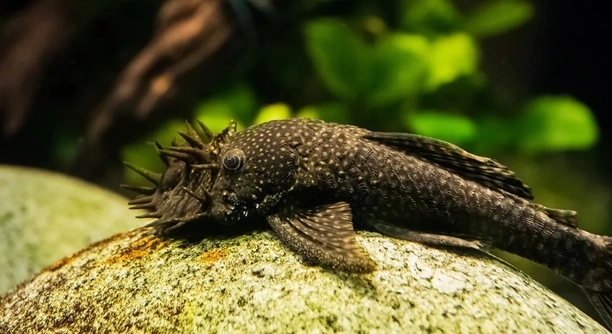
Do you ever notice your pleco acting differently in the tank, seeming more active or secretive than usual? These changes can be subtle, yet they are clear signs that breeding season has begun in your aquarium.
During breeding season, plecos display specific behavioral changes including increased territoriality, heightened aggression, more frequent hiding, nest preparation, intensified foraging, changes in swimming patterns, and vocalizations. Observing these behaviors helps aquarists understand reproductive cycles and manage their tank environments effectively.
Recognizing these behavioral shifts can make caring for your pleco during breeding season much easier and more rewarding.
Increased Territorial Behavior
Plecos can become very territorial during breeding season, often staking out a specific area of the tank. I noticed my own pleco claiming a favorite cave and chasing other fish away. This behavior is natural and helps ensure that the breeding site remains safe for eggs. Providing multiple hiding spots and caves reduces stress and prevents constant conflicts among tank mates. Watching them defend their territory can feel intense but also gives insight into their instincts. During this period, it’s important to monitor the tank closely for signs of excessive aggression or injury. Avoid rearranging the tank too much, as it can increase stress. Feeding them adequately helps keep energy levels up without sparking unnecessary fights. Recognizing these patterns allows you to adjust the tank setup to suit their needs and keep all inhabitants safe. Territoriality peaks before egg-laying, making observation crucial.
Territoriality in plecos includes defending caves, chasing intruders, and asserting dominance over space, ensuring a safe breeding environment for reproduction.
Observing this behavior early can help prevent injuries and maintain harmony in the tank, making the breeding season smoother.
Nest Preparation
Plecos spend time preparing their nests, usually in caves or tight spaces. They clean and guard these areas carefully.
Nest preparation is a meticulous process that plecos engage in before breeding. They may scrape surfaces, remove debris, or shift small stones to create a suitable egg-laying site. I watched my pleco repeatedly inspect the chosen cave, pushing aside leftover food and detritus to ensure the area was clean. This behavior indicates readiness for reproduction and often coincides with increased hiding and reduced interaction with other fish. Providing suitable nesting options, like clay pots or PVC tubes, encourages natural behaviors and increases the likelihood of successful egg-laying. Observing these activities also gives insight into their personality and breeding habits, making tank management more predictable. Understanding the nesting routine allows aquarists to time feeding, cleaning, and monitoring to support reproduction without disturbing the plecos. Proper observation and adjustments can reduce stress and improve breeding outcomes for the entire tank.
Increased Foraging
During breeding season, plecos often eat more than usual. I noticed my pleco spending extra time scavenging along the tank floor, searching for algae and leftover food.
The increased foraging is linked to the energy demands of reproduction. Plecos need extra nutrients to support egg production or sperm development. I made sure to provide a variety of foods, including algae wafers, vegetables, and occasional protein treats. Watching my pleco graze constantly reminded me that even small tank changes, like adding fresh vegetables, could make a big difference in their health. This behavior also helps reduce stress by keeping them occupied and satisfied.
Feeding more frequently and monitoring intake ensures that plecos get enough nutrition without overfeeding the tank. This careful management supports breeding and keeps other fish from competing too aggressively for food.
Hiding and Seclusion
Plecos often seek out hidden spots during breeding. My own pleco spent hours tucked inside a clay pot, barely coming out.
Hiding behavior intensifies as plecos prepare for breeding. They may retreat to caves, under driftwood, or behind decorations to feel secure. This seclusion reduces stress and protects potential eggs from disturbances. I noticed that even minor movements outside the tank caused my pleco to stay hidden longer. Ensuring there are enough hiding spaces for all tank inhabitants prevents conflict and gives breeding plecos a sense of safety. Observing them during this time requires patience, but it also allows me to understand their preferences for nest locations. Providing multiple secluded areas can improve breeding success while maintaining harmony in the tank.
This stage also aligns with changes in water conditions. Slightly increasing oxygen levels and keeping the tank clean helps plecos feel comfortable enough to leave hiding spots briefly for feeding and maintenance behaviors.
Changes in Swimming Patterns
During breeding season, plecos often swim differently. I noticed mine moving more slowly around the tank or circling certain areas repeatedly.
These changes are tied to territory marking and courtship. Plecos may patrol their chosen space or follow potential mates. Observing these movements helps identify when breeding behaviors are at their peak.
Increased Aggression
Aggression rises noticeably among plecos when breeding. My pleco would chase tank mates and flare fins more often than usual, especially near caves and hiding spots.
This aggressive behavior is natural and linked to protecting nests and asserting dominance. Providing multiple hiding areas and monitoring interactions can reduce injury risks. Understanding which fish are most affected helps maintain tank balance and ensures a safer environment for all plecos.
Vocalizations
Plecos sometimes produce clicking or grunting sounds during breeding. My pleco would make these noises more often at night.
These sounds serve as communication signals between plecos, indicating readiness to breed or defending territory.
FAQ
How can I tell if my pleco is ready to breed?
A pleco’s readiness for breeding shows in several behaviors. My pleco became more territorial, spending long periods in one cave and chasing other fish away. Increased hiding, frequent patrolling of specific areas, and changes in swimming patterns are also strong indicators. Providing proper hiding spots and monitoring these signs can help predict breeding activity. Observing these patterns daily helps in understanding when to adjust feeding or tank maintenance routines to support the breeding process.
What kind of environment do plecos need for breeding?
Plecos need secure hiding spots, stable water conditions, and slightly cooler or warmer water depending on species. I added clay pots and PVC tubes to give mine enough space for nests. Soft substrate or smooth surfaces allows egg attachment, while moderate water flow prevents stress. Clean water and proper filtration are crucial, as plecos are sensitive to toxins during breeding. Offering variety in their diet also ensures energy for nest preparation and reproductive activity.
How often should I feed my pleco during breeding season?
Feeding frequency should increase slightly to meet energy demands. I offered my pleco small portions two to three times a day, including algae wafers, vegetables, and occasional protein sources. Overfeeding can harm water quality, so balance is key. Observation of eating patterns helps determine whether adjustments are needed, especially when multiple plecos are in the same tank. Providing nutritious food supports reproductive health and reduces aggression caused by hunger.
Do plecos need a separate breeding tank?
A separate tank is recommended but not always required. I initially tried breeding in a community tank, but frequent chasing stressed the plecos. Moving them to a tank with multiple caves and controlled conditions reduced stress and increased egg survival. A dedicated tank makes monitoring water parameters, feeding, and aggression easier. It also allows protection for eggs and fry, minimizing the risk of other fish eating them.
What signs show eggs have been laid?
Eggs are usually attached inside caves or on smooth surfaces. I saw tiny, translucent clusters tucked deep inside a clay pot. The male often guards the eggs closely, fanning them with his fins to provide oxygen. They remain in place until hatching, and any movement from other fish may stress them. Observing these clusters without disturbing them ensures higher survival rates.
How long does it take for pleco eggs to hatch?
Depending on the species and water temperature, eggs usually hatch in five to ten days. I noticed mine started showing tiny fry around day seven. Temperature stability and water cleanliness are key factors. Frequent observation without handling the eggs ensures better hatch rates and healthier fry development.
What should I do once the fry hatch?
Fry need small, frequent feedings. I provided crushed algae wafers and finely chopped vegetables. Maintaining clean water with gentle filtration is crucial because fry are fragile. Keeping them in a safe, secluded area reduces stress and predation. Gradually introducing them to slightly larger food as they grow helps support steady development. Observing their growth daily allows timely adjustments in diet and tank conditions.
Can adult plecos coexist during breeding?
They can, but conflicts increase. I noticed frequent chasing and fin flaring in shared spaces. Providing multiple hiding spots and separate caves helps reduce aggression. Monitoring interactions and moving overly aggressive individuals prevents injury. Understanding each pleco’s temperament aids in maintaining a safer tank environment for both breeding and non-breeding fish.
How do water parameters affect breeding?
Water temperature, pH, and cleanliness strongly influence breeding success. My pleco responded well when the water was stable and slightly adjusted for the breeding season. Sudden changes or poor water quality can stress them, reducing reproductive behaviors. Regular testing and careful adjustments ensure a supportive environment for both adults and eggs.
Is it normal for plecos to be less active during breeding?
Yes, especially for males guarding eggs. I noticed mine staying in one cave for hours. Reduced activity helps protect eggs and conserve energy. Understanding this behavior prevents unnecessary interference and stress, allowing natural breeding patterns to continue smoothly.
How long does the breeding season last?
Breeding season length varies by species and tank conditions. For mine, heightened behaviors lasted about four to six weeks. Monitoring territoriality, feeding, and nesting behavior helps determine the duration. Adjustments in tank care and feeding routines during this period support overall health and breeding success.
Can diet influence breeding success?
A balanced diet is essential. I noticed my pleco became more active and prepared nests when fed a mix of algae, vegetables, and occasional protein. High-quality nutrition increases energy for egg production, nest preparation, and guarding behavior. Poor diet can delay or prevent breeding altogether.
What should I do if my pleco shows signs of stress during breeding?
Stress can reduce breeding success and harm health. Signs include rapid swimming, hiding excessively, or refusing food. I adjusted tank conditions, added more hiding spots, and ensured water quality remained high. Minimizing disturbances and maintaining stable conditions helps plecos feel secure and continue normal breeding behaviors.
Are there common mistakes to avoid during pleco breeding?
Overcrowding, insufficient hiding spots, inconsistent water parameters, and poor nutrition are common mistakes. I learned that giving plecos space and consistent care improved egg survival. Observing behaviors closely and making timely adjustments is key. Avoid frequent handling of eggs or fry to ensure higher success rates and reduce stress.
How can I encourage multiple plecos to breed in the same tank?
Providing several caves, maintaining high water quality, and offering abundant food helps. I placed multiple PVC tubes in different areas so each pair had a private space. Reducing aggression by monitoring interactions ensures that all breeding pairs can succeed without interfering with each other.
What changes should I expect after breeding season?
After breeding, plecos usually return to normal swimming and feeding patterns. Territorial and aggressive behaviors decrease. I noticed more social interactions and less hiding. Eggs and fry become less of a focus, allowing adult plecos to regain energy and stabilize their routines.
Breeding season in plecos can feel like a whole new chapter in aquarium care. I’ve watched my pleco shift from calm and steady to highly territorial and secretive, and it is fascinating to see these natural instincts come to life. Understanding these changes helps you anticipate what your pleco might do and how to respond appropriately. Small adjustments in the tank, like adding more hiding spaces or checking water conditions regularly, can make a big difference. During this period, plecos are more sensitive, so patience is key. Observing their behavior without constant interference allows them to feel secure while completing their natural breeding routines. Even simple actions, such as providing fresh vegetables or extra algae wafers, can support their energy needs and reduce stress. Recognizing patterns like increased hiding, nest preparation, or aggression can also prevent injuries and maintain harmony in a community tank. It becomes clear that attentive care during breeding season not only helps plecos reproduce successfully but also strengthens your understanding of their natural behaviors.
It is also important to keep in mind that each pleco has its own personality, and breeding behaviors may vary slightly between individuals or species. Some plecos might be extremely aggressive, while others show more subtle signs of territoriality. The way they interact with other fish in the tank can change as well. I noticed that adding multiple caves and secluded areas allowed my pleco to feel less threatened, reducing aggressive encounters. Water quality plays a critical role during this time, as plecos are highly sensitive to changes in temperature, pH, and cleanliness. Maintaining stable conditions supports both adult plecos and their offspring. A consistent feeding schedule with nutritious foods can encourage breeding behaviors while preventing malnutrition or stress. Over time, I learned that simply observing and adapting to these natural changes made the breeding process smoother. With careful attention and preparation, breeding season becomes an opportunity to witness fascinating behaviors and ensure the health of your plecos and the overall tank ecosystem.
Finally, understanding pleco behavior during breeding season highlights the importance of patience, observation, and proper tank management. These fish rely on instinct and environment to reproduce successfully, and giving them the right conditions is essential. I found that by monitoring territoriality, nest preparation, hiding, and feeding habits, I could create a safer and more supportive environment for both adults and fry. Providing adequate hiding spots, balanced nutrition, and stable water conditions allows plecos to focus on reproduction naturally. The changes in behavior, while sometimes challenging to manage, are part of their life cycle and are key to successful breeding. Over time, watching plecos navigate their reproductive behaviors deepened my appreciation for their intelligence and adaptability. Taking a neutral and calm approach helps reduce stress for the fish and fosters a healthier tank. Breeding season is not just about reproduction—it’s about observing and supporting the natural instincts of your pleco, ensuring both their well-being and the overall balance of your aquarium.

Hello,
If you enjoy the content that we create, please consider saying a "Thank You!" by leaving a tip.
Every little bit helps us continue crafting quality advice that supports the health, happiness, and well-being of pets around the world, for pets of all shapes, sizes, and species.
We really appreciate the kindness and support that you show us!