
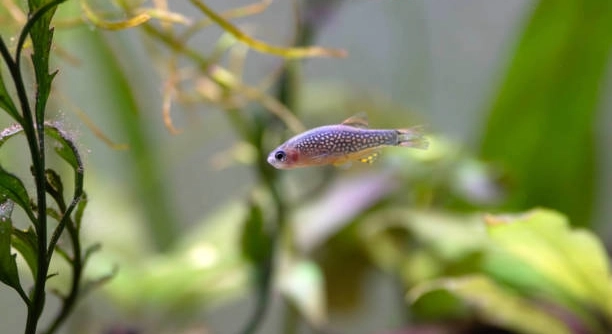
Do you enjoy keeping freshwater aquariums and have a pair of Danios that you watch carefully each day? Observing these lively fish can be both relaxing and educational, especially when noticing subtle changes in their behavior patterns.
Danio breeding behaviors are often indicated by specific interactions, such as chasing, nudging, spawning site preparation, color changes, and fin displays. Monitoring these behaviors provides insight into reproductive readiness and pair compatibility, supporting successful breeding management.
Understanding these signals can improve your aquarium experience and help you care for your Danios more effectively. Observing patterns closely reveals more about their natural instincts and interactions.
Chasing and Nipping
When observing Danio pairs, one of the most noticeable behaviors is chasing. Males often pursue females throughout the tank, sometimes nipping at fins or tails. This action is not aggressive in a harmful way but is a natural part of courtship. It signals readiness to mate and tests the female’s receptiveness. Females may dart away quickly, and the male continues the chase, maintaining close attention. Chasing can also help establish dominance within the pair, as the male asserts interest while the female sets boundaries. Watching this behavior can reveal which fish is more dominant or if the pair is compatible. It is important to ensure that the chasing does not escalate to stress. Providing plants, hiding spots, or visual barriers can help manage prolonged pursuits and maintain a healthy environment for both fish. Overall, chasing is a clear indicator of reproductive behavior and can guide breeders in timing and pairing decisions.
Chasing is primarily a courtship activity that shows mating readiness and pair interaction. It is not harmful when monitored carefully.
Observing chasing patterns over time allows the keeper to understand daily routines, energy levels, and compatibility. Noting when chases occur and how often can indicate whether the fish are ready to spawn. Changes in chasing frequency may reflect stress or environmental issues.
Spawning Site Preparation
Danios often select or clean a specific area before spawning. They may rub against gravel or rearrange plants to prepare a suitable site.
Spawning site preparation is critical for egg laying and successful reproduction. It ensures eggs are safe and accessible for fertilization.
Careful observation of site preparation can help aquarists encourage breeding. Providing soft substrate or spawning mops can support the fish’s natural instincts. This behavior shows planning and instinctive care, highlighting the female’s preference for safe egg placement and the male’s interest in ensuring eggs are fertilized. Monitoring these actions helps determine when the pair is ready to spawn and whether conditions in the tank are optimal. Adjustments in lighting, temperature, and water quality can improve success rates. Recognizing this behavior early allows timely separation of adults from eggs if necessary, preventing accidental consumption. It also provides insight into the pair’s comfort and bonding, which is essential for maintaining healthy breeding pairs. Over time, consistent observation of these behaviors leads to a better understanding of each Danio’s reproductive cycle and natural patterns.
Color Changes
Color shifts in Danios often indicate readiness to breed. Males may display brighter hues, while females can appear slightly more subdued, signaling their receptiveness.
These changes are subtle but important to notice. Brighter coloration in males attracts the female’s attention and demonstrates health and vitality. Females may darken slightly along the belly when ready to lay eggs. Monitoring these color patterns helps determine optimal breeding timing. Sudden dulling can indicate stress or illness, so keeping water conditions stable is essential. Observing these shifts daily allows you to track reproductive cycles accurately and plan breeding activities without causing unnecessary stress.
Color variations also serve as communication between pair members. Males use intensity to assert presence, while females signal readiness. Understanding these cues ensures that pairing is productive, reducing aggression and improving spawning success.
Fin Displays
Danios often flare or extend fins during courtship to signal interest and strength to their partner. This behavior is an important visual cue during breeding.
Extended fins indicate dominance, health, and readiness to spawn. Males display them to impress females, while females may respond with subtle movements or mirroring actions. This behavior strengthens pair bonding and ensures mutual recognition of reproductive intent. Observing how often and how long fins are displayed provides insight into compatibility. It is also a way to detect potential stress; frequent, frantic displays may suggest overcrowding or environmental discomfort. Maintaining clean water and sufficient space encourages natural fin behaviors and supports successful breeding.
These displays also prevent miscommunication between the pair, helping avoid unnecessary chasing or aggression. By noting patterns in fin use, you can better understand the timing of spawning and adjust tank conditions to support healthy reproduction. Consistent observation allows you to anticipate egg-laying and ensure both fish remain comfortable and active.
Nudging and Pushing
Nudging is a common breeding behavior where the male gently pushes or nudges the female’s sides or belly. This helps guide her toward a suitable spawning location.
Females often respond by adjusting position or swimming in the suggested direction. This interaction is part of natural courtship and shows cooperation between the pair.
Egg Scattering
Danios typically scatter eggs over plants or substrate once the female is ready. The male follows closely, fertilizing the eggs immediately.
Observing the timing and location of egg scattering helps determine which areas of the tank are preferred for spawning. Providing fine-leaved plants or spawning mops increases the chances of successful fertilization and reduces egg loss. Proper monitoring ensures eggs are protected and adult stress is minimized.
Post-Spawning Behavior
After spawning, Danios may become restless or swim in different areas to avoid the eggs.
This behavior prevents accidental consumption and shows instinctive care, ensuring eggs remain safe until hatching.
FAQ
How do I know if my Danio pair is ready to breed?
You can tell by observing specific behaviors. Males often chase females, display bright colors, and flare their fins. Females may show a slightly darker belly, respond to nudging, or choose specific spots in the tank. Frequent interaction between the pair usually signals readiness for spawning. Monitoring daily behavior patterns helps confirm timing.
What is the best tank setup for breeding Danios?
A shallow tank with calm water, fine-leaved plants, or spawning mops works best. Stable temperature, clean water, and gentle filtration support healthy breeding. Hiding spots reduce stress, while soft substrate protects eggs. Avoid overcrowding to maintain natural behaviors and reduce aggression during courtship.
How often should Danios breed?
Danios can spawn multiple times during favorable conditions. Typically, a healthy pair may breed every few weeks if water quality, temperature, and diet are ideal. Overbreeding can stress the fish, so it’s important to allow rest periods between spawnings to maintain long-term health.
Do Danios require special food for breeding?
Yes. High-protein diets improve egg production and male fertility. Live foods, like brine shrimp or daphnia, or high-quality frozen options, are effective. Supplementing with vitamins supports overall health and encourages natural breeding behaviors. Feeding several small portions daily is better than one large feeding.
How can I protect the eggs after spawning?
Danios may eat their own eggs, so separating adults from eggs is recommended. Using a fine mesh or moving eggs to a hatching tank with gentle aeration can improve survival. Maintaining stable water conditions and avoiding direct light or strong currents reduces egg stress and increases hatching success.
When do Danio eggs hatch?
Eggs usually hatch within 24 to 48 hours, depending on water temperature. Warmer water accelerates development, while cooler water slows it. Newly hatched fry are very small and require microscopic food initially, gradually transitioning to larger feed as they grow. Close observation during this stage ensures survival.
What should I feed Danio fry?
Initially, fry need infusoria or liquid fry food for the first few days. Afterward, they can eat newly hatched brine shrimp, microworms, or finely crushed flakes. Multiple small feedings a day are ideal to promote growth. Clean water regularly to prevent waste buildup and disease.
How do I know if my Danios are compatible?
Compatibility is shown through calm chasing, mutual nudging, synchronized swimming, and coordinated spawning behavior. Persistent aggression, excessive stress, or avoidance indicates incompatibility. Observing interactions over several days helps determine if the pair will breed successfully without harming each other.
Can I breed more than one pair in the same tank?
It’s possible, but not recommended in small tanks. Multiple pairs can increase aggression, stress, and egg predation. If housing several pairs, provide ample space, plants, and visual barriers to reduce conflicts and encourage natural breeding behaviors for all fish.
What are common problems during Danio breeding?
Stress from poor water conditions, overcrowding, or incompatible pairs can reduce spawning success. Eggs may be eaten, or fry may fail to thrive if conditions are unstable. Monitoring water quality, tank temperature, and behavior helps prevent issues and supports healthy reproduction.
How long do Danios remain active during breeding season?
Breeding activity usually lasts several hours to a full day, depending on conditions. Males remain alert, chasing females and performing fin displays, while females lay eggs. Observing consistent activity helps track spawning success and indicates healthy reproductive behavior.
Can environmental changes trigger breeding?
Yes. Slight temperature increases, improved lighting, or cleaner water can stimulate breeding behaviors. Mimicking natural seasonal changes, such as simulating a rainy period with fresh water changes, encourages spawning and supports instinctive reproductive patterns.
How often should I check on my breeding Danios?
Frequent but calm observation is best. Monitoring 2–3 times daily allows you to note behaviors, ensure eggs are safe, and prevent stress. Avoid excessive handling or sudden movements, as this can disrupt spawning activity and cause aggression or egg loss.
What signs indicate successful fertilization?
Fertilized eggs are typically clear with a visible embryo, while unfertilized eggs may become opaque or turn white. Observing eggs carefully in the first few hours helps determine fertilization rates and decide if intervention, like moving eggs to a hatching tank, is necessary.
How do I prevent adults from eating eggs after spawning?
Immediate removal of adults or using a spawning grid helps. Dense plants or spawning mops can protect eggs, but separation ensures maximum survival. Regular observation during the first 24 hours is critical to prevent predation.
Are Danios affected by overcrowding during breeding?
Yes. Overcrowding increases stress, aggression, and competition for spawning areas. Ensuring sufficient space, hiding spots, and controlled population in the tank promotes natural breeding behaviors and improves egg and fry survival rates.
What is the ideal water temperature for breeding Danios?
Water between 72°F and 78°F supports active courtship and egg development. Stable temperatures reduce stress and increase the likelihood of successful spawning. Gradual adjustments mimic seasonal changes, encouraging natural breeding patterns.
Can I use artificial lighting to influence breeding?
Yes. Consistent light cycles of 12–14 hours help regulate activity and reproductive behavior. Avoid sudden bright light or abrupt changes, as this may stress the fish and disrupt spawning patterns. Controlled lighting supports natural daily rhythms and increases success.
How long until fry are free-swimming?
Fry usually become free-swimming 3–5 days after hatching. At this stage, they require small, frequent feedings and careful observation to ensure they develop normally. Free-swimming fry are less vulnerable but still need clean water and proper nutrition to grow successfully.
Do I need to change water frequently during breeding?
Yes. Gentle water changes keep conditions stable, remove waste, and improve oxygen levels. Avoid strong currents, which can stress adults and fry. Regular monitoring and maintenance are essential to support both spawning behavior and fry survival.
How can I tell if a breeding attempt failed?
Signs include eggs turning white or fungus developing, fry failing to hatch, or adults showing persistent stress. Assessing tank conditions, water quality, and pair behavior helps identify problems and adjust conditions for future attempts.
What is the best way to handle eggs and fry?
Use gentle tools and minimal handling. Transfer eggs carefully to hatching tanks if necessary. Maintain consistent temperature, light, and water quality. Regularly remove debris and provide suitable food once fry begin swimming. Observation ensures healthy growth without stressing either eggs or adults.
How do I encourage repeat spawning?
Maintain optimal water conditions, feed high-quality food, and provide suitable hiding places and spawning areas. Allow resting periods between spawnings to prevent stress. Consistent care and observation support natural reproductive cycles and long-term health of the Danio pair.
Can breeding behavior differ between Danio species?
Yes. While chasing, nudging, and egg scattering are common, timing, color intensity, and spawning preferences vary by species. Observing each species’ unique patterns allows you to adjust care and improve breeding success. Species-specific knowledge is important for effective management.
How do I know if a female is ready to lay eggs?
A swollen belly, slight darkening along the abdomen, and receptiveness to nudging indicate readiness. Pair interactions, chasing, and selecting spawning sites are also reliable signs. Observing these behaviors helps determine the ideal timing for successful egg fertilization.
What precautions should I take for long-term breeding?
Maintain stable water parameters, provide varied diets, prevent overcrowding, and monitor behavior. Regular observation of pairs and fry ensures health and reproductive success over time. Avoid sudden changes in temperature, light, or tank layout, as these can disrupt breeding patterns and stress the fish.
Is it necessary to separate males and females between spawnings?
Separation is not always required, but resting periods reduce stress and allow recovery. Continuous pairing may lead to aggression or fatigue. Observing interactions and adjusting accordingly helps maintain healthy, productive pairs.
How can I track breeding success over time?
Keep a simple log of behaviors, spawning dates, egg counts, and fry survival. Recording color changes, chasing patterns, and fin displays provides insight into reproductive health. Consistent monitoring supports improved management and long-term breeding outcomes.
What common mistakes should I avoid during Danio breeding?
Overcrowding, poor water quality, inadequate diet, and ignoring stress signs are frequent issues. Allowing adults to remain with eggs too long reduces fry survival. Monitoring daily, providing proper environment, and adjusting care based on behavior ensures more successful breeding results.
How long does it take for fry to grow into juveniles?
Fry develop rapidly, typically reaching juvenile stage in 4–6 weeks with proper care. Regular feeding, stable water conditions, and monitoring growth rates ensure healthy development. Proper separation from adults during this period improves survival.
Can environmental enrichment affect breeding success?
Yes. Plants, hiding spots, and gentle water flow reduce stress, encourage natural behavior, and improve spawning rates. Enriched environments allow both males and females to display instinctive courtship behaviors, leading to healthier eggs and higher fry survival.
What signs indicate stress during breeding?
Excessive hiding, frantic swimming, color dulling, or fin clamping indicate stress. Identifying and correcting tank conditions, including water quality, space, and lighting, helps restore normal behavior and supports successful reproduction.
How do I prevent disease during breeding?
Maintain clean water, avoid overcrowding, quarantine new fish, and provide a balanced diet. Regular observation allows early detection of illness, preventing outbreaks that can affect eggs, fry, and adult fish. Stable conditions are critical for breeding success.
Are there indicators of a strong pair bond in Danios?
Frequent coordinated swimming, mutual nudging, calm chasing, and synchronized spawning behavior indicate a strong pair bond. These signs suggest compatibility and higher likelihood of successful breeding with minimal stress.
How much space does a breeding pair need?
A minimum of 10–15 gallons per pair is recommended, with extra plants or hiding areas. Adequate space reduces aggression, supports natural behavior, and increases egg and fry survival rates. Space management is key to productive breeding.
How important is water pH for breeding?
Slightly acidic to neutral pH, around 6.5–7.5, promotes egg viability and fry survival. Extreme fluctuations or unsuitable pH can reduce spawning activity and increase egg mortality. Regular testing and adjustments maintain stable conditions for successful breeding.
Can Danios breed without a partner present all the time?
Partial separation can reduce stress but full isolation is unnecessary if the pair is compatible. Observing interactions and allowing natural courtship cycles ensures healthy reproductive behavior while minimizing aggression or fatigue.
What are the first signs of fry health?
Active swimming, consistent feeding, and gradual growth indicate healthy fry. Lethargy, bloating, or abnormal swimming patterns suggest potential problems that need immediate attention. Monitoring early development is essential for successful rearing.
How do I handle aggressive males?
Provide visual barriers, extra plants, or temporary separation to prevent injury. Aggression often arises from competition or stress. Managing tank layout and monitoring interactions reduces conflict and supports breeding success.
Is water hardness important for breeding?
Moderate hardness is ideal. Extremely soft or hard water can affect egg development and fry survival. Maintaining consistent hardness levels ensures healthier breeding conditions and supports long-term reproductive success.
How long should I wait between breeding cycles?
Allow at least 2–3 weeks for recovery, depending on pair health and previous spawning frequency. This rest period reduces stress, prevents fatigue, and improves egg quality for subsequent breeding attempts.
Can seasonal changes affect breeding?
Yes. Simulating seasonal cues, such as slight temperature changes or water refreshment, can trigger spawning behaviors. Consistent observation helps time these adjustments for optimal results.
How do I reduce egg predation naturally?
Dense plants, spawning mops, or fine mesh grids protect eggs. Removing adults shortly after spawning ensures eggs are not eaten and increases fry survival. Observing pair behavior helps determine the best protection strategy.
What is the average clutch size for Danios?
A typical clutch ranges from 50 to 200 eggs, depending on species, age, and health. Monitoring and documenting clutch sizes helps track reproductive performance and adjust care practices.
How can I improve fry survival rates?
Maintain stable water quality, provide appropriate food, protect eggs from adults, and reduce stress. Observing fry development and addressing issues early ensures higher survival and healthier juveniles.
Are there behavioral differences between first-time breeders and experienced pairs?
First-time breeders may show hesitancy, slower spawning, or less coordinated behaviors. Experienced pairs tend to display predictable patterns, efficient spawning, and higher fertilization success. Monitoring behavior helps adjust care for first-time breeders.
What equipment is essential for successful breeding?
A shallow breeding tank, fine-leaved plants or spawning mops, gentle filtration, thermometer, and water testing kits are critical. Proper equipment ensures stable conditions and supports natural reproductive behaviors.
Can I breed Danios in a community tank?
It is possible but challenging. Other species may stress the pair, eat eggs, or interfere with courtship. A dedicated breeding tank is preferable for higher success and reduced stress.
How can I track fry growth efficiently?
Use small containers or grids to monitor numbers and development. Record size, behavior, and feeding responses. Tracking growth ensures early detection of issues and helps manage nutrition and tank conditions.
What is the ideal lighting for fry development?
Moderate, consistent lighting of 12–14 hours supports feeding and activity without stressing fry. Avoid direct sunlight or sudden brightness. Consistent light cycles encourage normal development and support long-term survival.
Are there differences in breeding behavior between males and females?
Yes. Males chase, display fins, and show bright colors, while females respond, select spawning sites, and lay eggs. Recognizing these roles helps anticipate behaviors and ensures proper care during the breeding process.
How do I prevent fungus on eggs?
Maintain clean water, use gentle aeration, and remove dead or unfertilized eggs. Fungus spreads quickly, so early intervention with anti-fungal treatments or separation improves survival.
What temperature fluctuations should I avoid?
Rapid changes can stress adults, reduce spawning, and harm eggs. Maintain a stable range of 72–78°F, with gradual adjustments if needed. Consistency is critical for healthy breeding and fry survival.
How long do adults recover after breeding?
Recovery usually takes 1–2 weeks depending on health and egg load. During this time, maintain stable conditions, provide nutritious food, and minimize stress to support long-term reproductive success.
Can breeding Danios affect their lifespan?
Excessive breeding without proper care can reduce lifespan due to stress and fatigue. Balanced feeding, rest periods, and stable environmental conditions help maintain health while supporting reproduction.
What is the best method to introduce a new pair for breeding?
Acclimate each fish slowly, provide plants or hiding spots, and monitor interactions. Initial observation ensures compatibility and reduces aggression, increasing the likelihood of successful breeding.
How do I recognize a successful hatch?
Clear, active fry swimming and feeding indicate success. Monitor survival rates and development closely. Proper care during this stage ensures healthy juveniles and improves long-term breeding outcomes.
Are there differences in breeding between wild-caught and tank-raised Danios?
Wild-caught Danios may take longer to adapt, show more cautious behaviors, or require more precise conditions. Tank-raised pairs are generally easier to breed due to familiarity with captive environments and established routines.
Can stress affect egg quality?
Yes. Stress from poor water conditions, overcrowding, or aggressive behavior can reduce egg viability and fertilization success. Minimizing stress ensures healthier eggs and higher fry survival.
What is the typical lifespan of Danio fry?
With proper care, fry grow into juveniles in 4–6 weeks and can reach full adult size in a few months. Maintaining stable conditions and proper nutrition supports healthy development.
How do I encourage natural behavior in a breeding tank?
Provide plants, hiding spots, gentle flow, and consistent lighting. Avoid sudden changes in water or tank layout. Supporting instinctive behaviors improves spawning success and overall fish health.
Can fry survive with adults present?
Only for a short time, as adults may eat eggs or fry. Separating fry ensures survival and allows for careful monitoring and feeding.
How do I prevent overbreeding?
Limit spawning frequency by separating adults between cycles and monitoring egg production. Overbreeding can stress fish and reduce long-term health and fertility.
What is the best diet for long-term breeding health?
A balanced diet with live or frozen protein, high-quality flakes, and occasional vegetable matter ensures reproductive health, vitality, and consistent spawning behavior over time.
How important is regular observation?
Daily monitoring allows early detection of stress, aggression, or abnormal behavior. Observation ensures timely intervention, supports natural breeding cycles, and improves egg and fry survival rates.
How can I identify pairing conflicts early?
Signs include constant chasing without nudging, fin damage, hiding, or refusal to spawn. Early recognition allows adjustments in tank layout or temporary separation to reduce stress.
What role does tank decoration play in breeding success?
Plants, spawning mops, and hiding spots mimic natural habitats, reduce stress, and encourage courtship behaviors. Proper decoration improves egg protection, fry survival, and overall pair compatibility.
Can water flow affect breeding behavior?
Strong currents can stress adults and displace eggs. Gentle flow provides oxygenation without disturbing spawning behavior. Monitoring flow ensures natural activity and higher reproductive success.
How do I know if fry are developing normally?
Consistent growth, active swimming, and regular feeding responses indicate normal development. Deviations, such as stunted growth or inactivity, require adjustments in feeding or water conditions.
What is the best way to handle fry during tank maintenance?
Use gentle siphoning, minimal handling, and avoid direct contact. Ensuring stable water conditions prevents stress or injury, supporting healthy development during routine cleaning.
Are there any signs of disease in breeding adults?
Lethargy, clamped fins, discoloration, abnormal swimming, or refusal to eat may indicate illness. Early treatment is critical to protect eggs, fry, and adult fish.
How do I balance multiple breeding pairs?
Provide adequate space, visual barriers, and separate spawning areas. Observing interactions helps prevent aggression, ensure compatible pairings, and improve overall breeding outcomes.
What are the best materials for a spawning substrate?
Fine-leaved plants, spawning mops, or smooth gravel protect eggs and allow natural scattering. Avoid rough surfaces that may damage eggs or stress adults.
Can temperature drops induce spawning?
Slight, gradual drops followed by stable warmer water can mimic seasonal cues, encouraging courtship and egg laying. Sudden changes should be avoided.
**How do I manage
Breeding Danios can be a rewarding experience for anyone who enjoys observing fish behaviors closely. Throughout the process, it becomes clear how much instinct drives their interactions, from chasing and nudging to color changes and spawning site selection. Paying attention to these subtle signs helps aquarists understand when the pair is ready to reproduce. Each behavior serves a purpose, whether it is to attract a mate, establish dominance, or protect eggs. By monitoring the fish carefully, you can support natural behaviors without causing unnecessary stress. Tank setup, water quality, and diet all play a significant role in facilitating successful breeding. Even small adjustments, such as adding plants or maintaining stable temperature, can encourage activity and improve outcomes. Observing these patterns also provides insight into the overall health and compatibility of the pair, which is essential for long-term care. Spending time noting behavior allows you to anticipate spawning events, making the experience more predictable and enjoyable.
Managing the eggs and fry is another critical aspect of the breeding process. Danios often scatter their eggs, and adults may eat them if not monitored. Separating eggs or using spawning mops can greatly increase survival rates. Maintaining clean water, appropriate temperature, and gentle aeration ensures eggs remain healthy until hatching. Once fry emerge, proper feeding with small, frequent portions and maintaining stable water conditions is essential for growth. Fry are delicate, and any sudden changes in the environment can affect survival. Watching their development closely allows for timely adjustments to feeding or tank conditions, ensuring that juveniles grow steadily. Observing interactions between fry and adults, as well as among fry themselves, can also indicate if any additional measures, such as temporary separation or extra hiding spaces, are necessary. Careful monitoring during these stages is key to achieving a successful breeding outcome.
Over time, consistent attention and careful management of Danio pairs can make breeding more predictable and less stressful for both the fish and the keeper. Understanding natural behaviors and providing appropriate conditions encourages healthy interactions, successful spawning, and higher survival rates for eggs and fry. Each breeding cycle offers an opportunity to refine tank conditions and observe subtle behavioral cues that indicate readiness to reproduce. Maintaining a balance of observation, proper care, and minimal interference helps preserve natural instincts while maximizing reproductive success. The process also allows you to develop a closer understanding of your fish, learning how their behavior changes with environmental conditions, diet, and social interactions. Successful breeding is not simply about producing fry, but about fostering an environment where Danios can exhibit natural behaviors safely and comfortably. With patience and attention to detail, managing breeding pairs can become a rewarding and educational aspect of keeping these lively fish.

Hello,
If you enjoy the content that we create, please consider saying a "Thank You!" by leaving a tip.
Every little bit helps us continue crafting quality advice that supports the health, happiness, and well-being of pets around the world, for pets of all shapes, sizes, and species.
We really appreciate the kindness and support that you show us!