
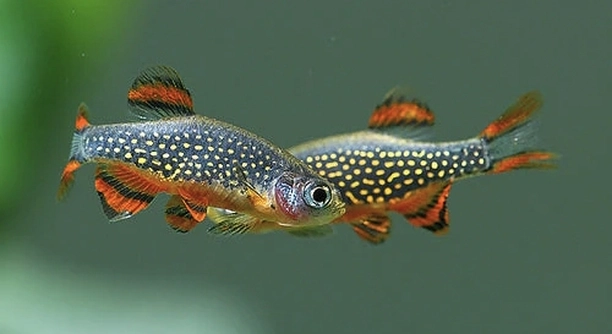
Celestial Pearl Danios are tiny, colorful fish that many aquarium lovers adore. Their small size and peaceful nature make them a popular choice for home tanks, and understanding their needs is key to keeping them healthy.
The optimal temperature for Celestial Pearl Danios ranges between 22°C and 26°C. Maintaining water within this range supports their metabolism, activity levels, and overall health, preventing stress and promoting longevity in a controlled aquarium environment.
Keeping their water at the right temperature is just the beginning. Proper care, tank setup, and consistent monitoring all contribute to these fish thriving happily in your home aquarium.
Ideal Water Conditions for Celestial Pearl Danios
Maintaining the right water conditions is essential for Celestial Pearl Danios to thrive. These fish prefer slightly acidic to neutral water with a pH between 6.5 and 7.5. Soft to moderately hard water is ideal, as it mimics their natural habitat and reduces stress. Regular water changes, about 20–25% weekly, help remove toxins and keep ammonia and nitrite levels low. Temperature stability is also crucial; fluctuations can weaken their immune system, making them more prone to disease. Using a reliable heater and thermometer ensures the tank stays within the 22–26°C range. A well-planted tank with hiding spots provides comfort and reduces aggression among fish. Avoid overcrowding, as Celestial Pearl Danios are small but active swimmers who need space to move. Monitoring water parameters with test kits allows you to make adjustments before problems arise. Consistency in water conditions is one of the simplest ways to keep your fish happy and healthy.
Proper filtration and gentle water flow make the tank more suitable for these small fish, improving oxygen levels and overall health.
By focusing on stable water conditions, you create an environment where Celestial Pearl Danios can grow, display vibrant colors, and behave naturally. Soft, slightly acidic water enhances their activity while a planted environment offers security and stimulates natural behaviors like schooling and exploring. Proper filtration keeps toxins in check, and temperature stability prevents stress-related illnesses. Regular observation ensures that any changes in behavior or health are noticed early, allowing prompt adjustments. Providing a consistent routine, from feeding to maintenance, reduces stress, which is vital for their longevity. By paying attention to these factors, you not only support their physical health but also promote their overall well-being, resulting in lively, colorful, and active fish that add beauty to your aquarium.
Feeding Practices for Healthy Danios
Celestial Pearl Danios thrive on small, frequent meals. A balanced diet includes high-quality flake food, micro pellets, and occasional live or frozen foods like daphnia or brine shrimp.
Feeding two to three times a day in small amounts prevents overfeeding and keeps the water clean.
Feeding properly ensures growth, vibrant color, and strong immunity. Overfeeding can lead to water pollution and digestive issues, while underfeeding can stunt growth and weaken the immune system. Mixing dry and live foods provides essential nutrients and stimulates natural foraging behavior. Observing how quickly your fish eat helps determine the right portion size. Occasionally adding plant-based foods or blanched vegetables introduces fiber and variety. Maintaining a feeding schedule builds consistency, reducing stress and improving health. Adjusting portions based on tank population and fish size is important, as adult Danios eat less than juveniles. By prioritizing balanced nutrition and mindful feeding, your Celestial Pearl Danios remain active, colorful, and healthy for years to come.
Tank Setup Essentials
A tank of at least 20 liters is recommended for a small school of Celestial Pearl Danios. Plants, rocks, and hiding spots reduce stress. Avoid strong currents, as these fish prefer gentle water movement to swim comfortably and feel secure.
Providing a well-planted environment encourages natural behavior. Floating plants can diffuse light, giving Danios areas to retreat when needed. Smooth substrate prevents injury, and small caves or decorations create hiding spots that mimic their natural habitat. Arranging the tank to allow open swimming areas while keeping dense vegetation at the edges helps balance activity and shelter. Regular maintenance, including partial water changes and debris removal, ensures the tank stays clean. By combining proper space, plants, and decorations, the Danios feel safe and remain active, showing off their natural schooling behavior without stress or aggression.
Careful placement of plants and decor can also improve water quality by providing surfaces for beneficial bacteria. Maintaining a natural, comfortable layout directly affects their health, coloration, and activity levels.
Common Health Concerns
Celestial Pearl Danios are generally hardy but can face stress-related illnesses. Poor water quality, sudden temperature shifts, and overfeeding are leading factors affecting their health. Quarantining new fish prevents disease introduction.
Monitoring water parameters consistently helps prevent ammonia spikes and pH fluctuations. Regular observation of behavior and physical appearance allows early detection of issues like fin rot, ich, or swim bladder problems. Prompt treatment with appropriate medications or natural remedies can save affected fish. Avoid overcrowding and maintain proper filtration to reduce stress and exposure to pathogens. Balanced nutrition strengthens their immune system and promotes recovery from minor illnesses. Being proactive in care reduces the likelihood of serious health problems, keeping Danios active, colorful, and thriving in your tank.
Stress management is key to prevention. Gentle handling, stable water conditions, and peaceful tank mates minimize triggers that can weaken the fish, ensuring their long-term well-being.
Lighting and Temperature Control
Moderate lighting works best for Celestial Pearl Danios. Bright lights can stress them, while dim lighting encourages natural activity. Consistent temperature between 22°C and 26°C is crucial, as fluctuations can affect metabolism and immune response.
Using a reliable heater and thermometer helps maintain stable conditions. Avoid placing the tank near windows or vents where temperature can vary. Lighting timers can provide consistency, reducing stress and promoting natural day-night cycles. Combining proper lighting with steady temperature ensures Danios stay active, healthy, and display vibrant colors in the tank.
Compatible Tank Mates
Small, peaceful fish make the best companions for Celestial Pearl Danios. Avoid aggressive or much larger species that may bully them. Schooling species of similar size provide a calm and balanced tank environment, allowing natural behaviors like swimming together and exploring. Proper compatibility reduces stress, ensures safety, and promotes overall well-being in a shared habitat.
Breeding Considerations
Celestial Pearl Danios breed more successfully in slightly warmer water around 25°C. A separate breeding tank with fine-leaved plants encourages egg laying. Regular feeding with live or frozen foods boosts fertility.
Maintaining clean water and gentle flow is critical to protect eggs and fry. Avoid disturbing the tank during the breeding period, and remove adults after spawning if necessary. Fry grow faster with proper nutrition and stable water conditions. Monitoring temperature, water quality, and food ensures a successful breeding process and healthy offspring, contributing to a thriving population in your aquarium.
Observation and Maintenance
Regular observation of Celestial Pearl Danios helps detect early signs of stress or illness. Tracking behavior, color, and activity ensures timely intervention when needed.
FAQ
What is the best temperature range for Celestial Pearl Danios?
The optimal temperature for Celestial Pearl Danios is between 22°C and 26°C. Keeping the water consistently in this range supports their metabolism, swimming activity, and overall health. Sudden temperature changes can stress them and weaken their immune system, making them more prone to illness. A reliable heater and thermometer help maintain stability.
Can Celestial Pearl Danios live in cooler water?
They can survive slightly cooler temperatures for short periods, but prolonged exposure below 22°C slows their metabolism and reduces activity. Extended time in colder water can compromise their immune system and may result in illness. Keeping the tank within the recommended range ensures growth, vitality, and vibrant coloration.
How often should I check the water temperature?
Daily checks are ideal. Even small fluctuations can affect Danios over time. Observing the temperature each day allows you to catch heater malfunctions or drafts from windows and vents before they stress the fish. Consistent monitoring keeps them active and healthy.
What tank size is appropriate for Celestial Pearl Danios?
A minimum of 20 liters is recommended for a small school of six Danios. Larger tanks provide more swimming space, reduce aggression, and allow stable water parameters. Overcrowding can lead to stress, poor health, and color fading.
Are Celestial Pearl Danios compatible with other fish?
Yes, but only with peaceful, similarly sized species. Avoid aggressive or large fish that may bully them. Small schooling fish, rasboras, and gentle tetras make good tank mates. Compatibility reduces stress, ensures safety, and allows natural schooling behavior.
How often should I feed them?
Feed two to three small meals daily. A mix of high-quality flake food, micro pellets, and occasional live or frozen foods like daphnia or brine shrimp provides balanced nutrition. Avoid overfeeding, as leftover food can pollute the tank.
Can they breed in a home aquarium?
Yes, they breed more successfully in slightly warmer water around 25°C. A separate breeding tank with fine-leaved plants encourages egg laying. Regular feeding with live or frozen foods boosts fertility. Removing adults after spawning helps protect the eggs and fry.
How can I prevent common illnesses?
Maintaining clean water, stable temperature, and proper feeding reduces the risk of disease. Quarantine new fish before adding them to the main tank. Observing behavior, color, and activity allows early detection of stress, fin rot, ich, or swim bladder issues. Prompt intervention improves recovery.
Do they need special lighting?
Moderate lighting is best. Too bright can stress them, while too dim reduces activity. Lighting timers help maintain consistent day-night cycles. Proper lighting combined with stable temperature promotes natural behavior, schooling, and vibrant color display.
How often should I change the water?
Perform 20–25% water changes weekly to remove toxins, ammonia, and nitrites. Frequent partial changes maintain stable water conditions without causing sudden fluctuations. Clean water supports immune health, reduces stress, and encourages active, colorful Danios.
Are live plants necessary?
Live plants are not strictly required but improve water quality and provide hiding spots. Fine-leaved plants help fry survival and reduce stress by offering secure areas. Plants also stimulate natural foraging and swimming behavior.
Can Celestial Pearl Danios tolerate slight water hardness or pH variations?
Yes, they prefer slightly soft to moderately hard water with a pH of 6.5–7.5. Minor variations are tolerated, but sudden shifts can stress them. Stable parameters ensure activity, growth, and vibrant coloration over time.
How long do Celestial Pearl Danios usually live?
With proper care, they typically live 3–5 years. Stable water conditions, balanced nutrition, and stress reduction are key factors influencing lifespan. Regular observation and timely intervention when issues arise help maximize their longevity.
How can I tell if my Danios are stressed?
Signs include faded color, erratic swimming, hiding, or reduced appetite. Stress often comes from poor water quality, overcrowding, or aggressive tank mates. Identifying stress early allows adjustments in temperature, tank setup, or feeding to restore health.
Is it safe to keep juveniles with adults?
Yes, but ensure ample hiding spots. Adults generally do not eat healthy, healthy fry, but juveniles may be stressed if space is limited. A planted tank or separate breeding tank helps young Danios grow safely.
What type of filtration is best?
Gentle filtration that maintains clean water without creating strong currents is ideal. Celestial Pearl Danios prefer calm swimming areas, and proper filtration reduces ammonia and nitrite buildup, promoting health and activity.
Can they live without a heater if my room stays warm?
If room temperature stays consistently between 22–26°C, a heater may not be necessary. However, sudden drops at night or during winter can stress them, so a heater ensures stable conditions year-round.
Do they require any special water additives?
No special additives are necessary if water quality is maintained. Beneficial bacteria, regular water changes, and monitoring pH, hardness, and ammonia are sufficient to keep Danios healthy. Additives are only useful when correcting imbalances.
How many Danios should I keep together?
A minimum of six is recommended. They are schooling fish, and smaller groups can lead to stress and hiding. Larger schools create a natural social structure, reduce aggression, and encourage active, visible behavior.
Are Celestial Pearl Danios suitable for beginners?
Yes, they are hardy and small, making them manageable for new fish keepers. Maintaining temperature, clean water, and proper nutrition ensures they thrive without complicated care routines. Their peaceful nature makes them easy to combine with other suitable fish.
Can I use tap water for their tank?
Yes, but it must be treated with a water conditioner to remove chlorine and chloramine. Testing pH, hardness, and temperature before adding water helps prevent stress and maintains a healthy environment.
Do they need a specific diet to enhance color?
A varied diet of high-quality flakes, micro pellets, and occasional live or frozen foods enhances natural coloration. Foods rich in carotenoids and proteins promote vibrant patterns and overall health.
How do I introduce new Danios to an existing tank?
Float the bag in the tank to equalize temperature, then slowly mix tank water over 15–20 minutes. Gradual acclimation reduces stress and prevents shock. Observing behavior after introduction ensures a smooth transition.
Are there seasonal care changes needed?
Minimal changes are required if temperature and water conditions remain stable. Occasional monitoring for growth, activity, and behavior ensures any subtle seasonal variations are addressed. Proper feeding and consistent maintenance remain the priority year-round.
Can I keep them in a planted tank only?
Yes, planted tanks provide security, oxygenation, and natural hiding spots. Open swimming areas are still necessary, so arranging plants along edges while keeping the center open works best. Plants also support fry and reduce stress.
What is the best way to monitor water quality?
Regular testing with kits for ammonia, nitrites, nitrates, pH, and hardness ensures stable conditions. Observing fish behavior complements testing, as changes in swimming, color, or appetite often indicate water issues. Immediate adjustments prevent long-term health problems.
How much space do they need to swim?
Provide open swimming areas alongside plants and decorations. Even though they are small, active schooling requires space to move freely. Crowded tanks cause stress, reduce activity, and can impact growth and coloration.
Are they sensitive to tank decorations?
Smooth rocks, driftwood, and plants are ideal. Avoid sharp objects that can damage fins. Proper arrangement creates hiding spots and swimming lanes, supporting both safety and natural behavior.
How do I know if my Danios are healthy?
Bright coloration, active swimming, normal appetite, and smooth fins indicate good health. Sudden changes in behavior, color, or activity signal stress or illness, requiring prompt observation and action.
Do Celestial Pearl Danios need a lid on their tank?
Yes, they are small and active, and a lid prevents jumping. Secure covers also reduce water evaporation and maintain stable temperature, improving overall tank conditions.
How do I encourage natural schooling behavior?
Keeping at least six Danios together and providing open swimming areas promotes schooling. Calm water, stable temperature, and compatible tank mates further encourage natural social behavior.
Is it safe to mix them with shrimp or snails?
Yes, peaceful shrimp and snails coexist well. Danios do not generally harm small invertebrates, and they can share a planted tank without issues, adding interest to the aquarium environment.
Do they need supplemental vitamins?
Not usually. A balanced diet with varied flake, pellet, and live or frozen foods meets their nutritional needs. Supplements may be used if deficiencies are noted but are rarely required in a proper aquarium setup.
Can Celestial Pearl Danios live in a nano tank?
Small tanks are possible but only for a very small school. Space, water stability, and filtration must be carefully managed, as fluctuations impact health. A minimum of 20 liters is generally recommended for a safe, stable environment.
How often should I clean the tank?
Partial water changes weekly and routine substrate cleaning keep water quality high. Over-cleaning can disrupt beneficial bacteria, so maintain a balance between cleanliness and stability. Consistency prevents stress and illness.
Do they interact with humans?
They do not recognize people but can become accustomed to regular feeding routines. They may swim near the glass during feeding, showing curiosity without direct interaction.
What signs indicate overfeeding?
Excess food, cloudy water, and sluggish fish behavior signal overfeeding. Remove uneaten food and adjust portion size to maintain clean water and healthy Danios.
How quickly do fry grow?
Fry grow faster with proper temperature, water quality, and nutrition. Initially feeding infusoria or finely crushed foods supports early development, gradually moving to micro pellets or baby brine shrimp as they grow.
Can they tolerate mild water movement?
Yes, gentle currents are fine. Strong flow stresses them and disrupts schooling. Proper filtration should create calm swimming areas with adequate oxygenation.
Are they sensitive to light changes?
Rapid or extreme light changes can stress Danios. Gradual day-night transitions using timers or dimming lights maintain natural behavior and reduce stress.
How do I introduce plants safely?
Rinse thoroughly to remove chemicals, pests, or algae. Plant placement should allow open swimming and hiding spots. Properly introduced plants improve water quality and offer security.
Can I use decorations made of plastic?
Yes, smooth plastic decorations are safe. Avoid sharp edges that may tear fins. Decorations create hiding spots and add interest without harming fish.
Do Celestial Pearl Danios show aggression?
They are generally peaceful but may display minor chasing when establishing social hierarchy. Stress, overcrowding, or incompatible tank mates increase aggressive behavior, so maintaining proper conditions prevents conflicts.
Are there signs of aging I should watch for?
Slower swimming, faded coloration, or smaller size can indicate aging. These signs are natural, and maintaining stable conditions supports comfort and longevity for older fish.
Is it safe to keep multiple schools together?
Multiple schools are possible if tank space allows. Ensure sufficient swimming areas, hiding spots, and compatible behavior to reduce stress and maintain harmony between groups.
Can they survive short power outages?
Yes, if the temperature remains within the acceptable range. Extended outages may affect water temperature and oxygen levels, so monitor conditions and restore filtration promptly.
How can I safely acclimate new fish?
Float the bag to equalize temperature, then slowly mix tank water over 15–20 minutes. Gradual acclimation reduces stress and prevents shock, ensuring the new Danios adapt well.
Do they need special substrates?
Fine gravel or sand works best. Avoid sharp or coarse substrates that can damage fins. Substrate also provides surfaces for beneficial bacteria and plant roots, supporting overall tank health.
What should I do if one fish becomes sick?
Isolate the sick fish in a quarantine tank to prevent spreading disease. Treat with appropriate medications and monitor water quality and temperature to aid recovery. Regular observation prevents escalation.
Are they sensitive to water odor or chemicals?
Yes, strong chemicals, perfumes, or cleaning agents near the tank can stress them. Keep the environment clean and chemical-free to maintain health and activity.
Can I keep them with bettas?
It is not recommended. Male bettas are aggressive and may attack Danios. Peaceful, similarly sized fish are better companions to avoid stress and injury.
Do they require frequent feeding changes?
Not usually. A consistent diet of flakes, pellets, and occasional live foods is sufficient. Occasional variety improves nutrition and stimulates natural foraging behavior.
How quickly do they adapt to new tanks?
With proper acclimation and stable water conditions, they typically adjust within a few days. Observation during this period helps identify stress or unusual behavior for timely adjustments.
Are they sensitive to seasonal temperature swings?
Yes, rapid changes stress them. Maintaining consistent water temperature year-round is more important than seasonal adjustments, as they thrive in stable conditions.
Can Celestial Pearl Danios live in a community tank with goldfish?
No, goldfish are larger, produce more waste, and may bully Danios. Smaller, peaceful species are better suited for shared tanks to reduce stress and maintain health.
How do I know if my breeding tank is ready?
A clean, well-planted tank with stable temperature and gentle water flow is ideal. Healthy adults and sufficient food supply indicate readiness for spawning. Observing egg-laying behavior confirms suitability.
Do they need regular water testing?
Yes, testing for ammonia, nitrites, nitrates, pH, and hardness ensures stable conditions. Regular testing prevents stress and supports health, allowing prompt correction of any imbalances.
How can I prevent aggression in the tank?
Maintain proper group size, avoid overcrowding, provide hiding spots, and choose compatible tank mates. Stable conditions reduce stress and aggressive behavior among Celestial Pearl Danios.
Can I keep juveniles with adults safely?
Yes, as long as hiding spots are available. Juveniles may be stressed in small spaces, but plants and decorations allow safe interaction with adults while promoting growth.
Is tap water safe after conditioning?
Yes, with a water conditioner to remove chlorine and chloramine. Testing pH, hardness, and temperature ensures stability and prevents stress.
How do I maintain vibrant coloration?
Provide a balanced diet with varied proteins and carotenoid-rich foods, stable water conditions, and minimal stress. Proper lighting enhances natural color expression.
Can they live without live plants?
Yes, but live plants improve water quality, provide hiding spots, and stimulate natural behavior. Artificial plants can also work if they are safe and smooth.
Are they prone to fin damage?
Yes, from sharp decorations or aggressive tank mates. Smooth substrate, gentle filtration, and peaceful companions prevent injury and maintain health.
Do they need UV sterilizers?
Not necessary in most cases. Proper filtration, water changes, and quarantine measures are sufficient to maintain a healthy tank.
How can I tell if the water is too hard or soft?
Test kits measure hardness. Danios tolerate soft to moderately hard water. Sudden shifts may stress them, so gradual adjustments are recommended.
Are they sensitive to tank vibrations or noise?
Yes, excessive vibrations or loud noises can stress them. Placing the tank on a stable surface away from high-traffic areas reduces stress and promotes natural behavior.
What is the best way to clean decorations?
Rinse with warm water and scrub gently without chemicals. Avoid soaps or detergents, as residues can harm Danios. Cleaning maintains aesthetics and prevents algae buildup.
Do they require seasonal diet changes?
No major changes are needed if water conditions are stable. Regular feeding of balanced dry and live foods maintains health year-round.
Can they live with corydoras?
Yes, peaceful bottom-dwellers like corydoras coexist well. They occupy different tank levels, minimizing stress and supporting harmonious behavior in a shared environment.
How often should I check for fin rot or disease?
Weekly observation is sufficient. Look for fraying fins, white spots, or abnormal behavior. Early detection allows prompt treatment and prevents spread to other fish.
Are they sensitive to water colorants or treatments?
Yes, strong dyes or chemical treatments can stress them. Only use products designed for aquariums and follow instructions carefully to avoid health issues.
Can they survive short-term temperature drops during maintenance?
Yes, brief drops are tolerated, but prolonged exposure can stress them. Minimize maintenance time and ensure water returns to optimal range quickly.
Do they need special acclimation for new tanks?
Yes, gradual acclimation by floating the bag and slowly mixing tank water prevents shock and reduces stress. Observation during the first few hours ensures adjustment.
Can they live in low-light conditions?
Moderate light is preferred. Too dim reduces activity and color expression, while extremely bright light causes stress. Timers or diffused light help maintain natural behavior.
Are Celestial Pearl Danios sensitive to temperature fluctuations at night?
Yes, sudden drops at night can stress them. A heater or stable room temperature ensures consistent conditions for comfort and health.
Can they tolerate mild algae growth?
Yes, mild algae is harmless and may serve as supplemental food. Excessive algae indicates nutrient imbalance or overfeeding and should be managed.
Is it safe to use aquarium salt occasionally?
Occasional, low concentrations can help prevent mild stress or parasites, but overuse can harm sensitive fish. Follow proper dosing instructions carefully.
Do they interact with other schooling species?
Yes, they often swim in harmony with other peaceful schooling fish, improving activity and reducing stress. Compatibility and tank space are important factors.
How long does it take for them to adjust to a new tank?
With gradual acclimation and stable water conditions, most Danios adjust within a few days. Observing swimming and feeding behavior ensures they adapt properly.
Can they tolerate occasional temperature spikes?
Short, minor spikes are usually tolerated, but repeated or extreme fluctuations can stress them. Maintaining consistent conditions is critical for long-term health.
Do they require oxygenation beyond filtration?
Adequate filtration usually provides sufficient oxygen. Adding an air stone or gentle bubble stream can improve oxygen levels in heavily planted or densely stocked tanks.
Are there signs of overpopulation I should watch for?
Crowding, aggressive behavior, and stunted growth indicate overpopulation. Maintaining proper group size and tank volume prevents stress and ensures healthy development.
Can Celestial Pearl Danios survive in tanks without a lid?
No, they are jumpers. A secure lid prevents escapes, reduces evaporation, and maintains temperature stability.
Do they prefer soft or hard water?
They tolerate soft to moderately hard water, with pH between 6.5 and 7.5
Celestial Pearl Danios are small, peaceful fish that bring beauty and life to any aquarium. Their bright colors and active swimming make them enjoyable to watch, but keeping them healthy requires attention to their basic needs. Maintaining stable water temperature between 22°C and 26°C is essential, as fluctuations can stress the fish and affect their immune system. Consistent water quality, regular partial water changes, and careful monitoring of ammonia, nitrite, and nitrate levels help prevent illness. These fish also thrive in slightly soft to moderately hard water with a pH between 6.5 and 7.5, which mimics the natural conditions of their habitat. Small schools of at least six individuals encourage natural schooling behavior and reduce stress, while a well-planted tank with hiding spots gives them a safe environment to explore and interact.
Feeding plays a major role in the health and appearance of Celestial Pearl Danios. A balanced diet consisting of high-quality flakes, micro pellets, and occasional live or frozen foods like daphnia or brine shrimp supports growth, immune function, and vibrant coloration. Feeding small portions two to three times a day is ideal, as overfeeding can lead to water pollution and digestive problems, while underfeeding can weaken the fish and stunt growth. Providing a mix of plant-based and protein-rich foods ensures that they receive all the nutrients they need. Observing how quickly they eat allows you to adjust portion sizes and prevent leftover food from accumulating in the tank. By paying attention to diet and maintaining clean water, you help your Danios stay lively and colorful, which is an important part of keeping them healthy in the long term.
Tank setup and general care are just as important as feeding and water quality. A minimum tank size of 20 liters is recommended for a small school, with open swimming spaces balanced with plants, rocks, and gentle decorations to reduce stress and create hiding spots. Avoid strong currents, as Celestial Pearl Danios prefer calm water and gentle movement. Regular observation of behavior, color, and swimming patterns helps detect early signs of stress or illness, so you can make adjustments before problems develop. Quarantining new fish before introducing them to the main tank prevents disease outbreaks, while proper filtration and moderate lighting ensure a comfortable environment. By keeping a stable, well-maintained tank, feeding appropriately, and monitoring health, you create a safe, supportive space where these fish can thrive, display their natural behaviors, and remain active and vibrant for years.

Hello,
If you enjoy the content that we create, please consider saying a "Thank You!" by leaving a tip.
Every little bit helps us continue crafting quality advice that supports the health, happiness, and well-being of pets around the world, for pets of all shapes, sizes, and species.
We really appreciate the kindness and support that you show us!