
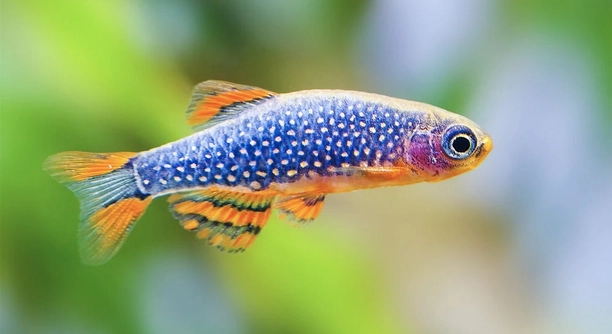
Do your danios seem restless or under-stimulated in their tank? Many hobbyists notice that these active fish display more natural behaviors when paired with compatible companions. Choosing the right tankmates can enhance their liveliness and social interactions.
Suitable tankmates for danios include small, peaceful, and similarly active species such as rasboras, guppies, white cloud minnows, platies, small tetras, cherry barbs, and corydoras. These companions encourage schooling, movement, and natural behaviors without causing stress or aggression.
Observing how each companion influences your danios can reveal subtle behavior patterns and improve the overall harmony of your aquarium.
Rasboras
Rasboras are small, peaceful fish that thrive in similar water conditions as danios. Their active schooling behavior encourages danios to swim in groups, reducing stress and promoting natural movement. These fish are hardy, easy to care for, and generally avoid conflicts. By keeping a small school of rasboras alongside danios, the tank gains more visual interest and energy. Their size and temperament make them ideal companions, ensuring the danios remain active without any risk of bullying. Feeding routines are compatible, as both species accept flakes, small pellets, and occasional live food. Rasboras also occupy the mid to upper levels of the tank, complementing the danios’ activity patterns. Over time, observers can notice more dynamic schooling and playful chasing, reflecting a healthier and more engaged aquarium environment. The color contrast between rasboras and danios adds aesthetic appeal, making the tank visually stimulating while supporting natural behaviors. Overall, rasboras enhance both social interaction and activity.
Their schooling nature makes rasboras reliable partners for danios, encouraging movement and mimicking natural group behaviors.
Introducing rasboras requires a moderate number, typically six or more, to establish consistent schooling patterns. They adapt well to community tanks and rarely display aggression. Regular feeding and monitoring water parameters ensure compatibility, as both species prefer slightly alkaline, well-oxygenated water. By observing how danios interact with rasboras, hobbyists can adjust tank layout or decoration to maximize swimming space. Plants and open swimming areas benefit both species, promoting health and reducing territorial disputes. Rasboras’ peaceful temperament allows them to coexist with danios without stress, while their presence stimulates natural behaviors like chasing and darting. Over time, these interactions strengthen social bonds and maintain activity levels. Selecting healthy rasboras from a reliable source minimizes disease risk and ensures long-term harmony. Tank maintenance, such as routine water changes and filtration, supports stable conditions, benefiting all inhabitants.
Guppies
Guppies are small, colorful fish that match danios’ energy and temperament. Their playful movements encourage danios to explore more areas of the tank.
When pairing guppies with danios, it is important to maintain a proper ratio to prevent overcrowding. Guppies’ adaptability to water conditions and peaceful nature make them suitable companions. They occupy different parts of the tank, creating a dynamic and engaging environment. Guppies’ feeding habits are compatible with danios, accepting flakes, pellets, and small live foods, ensuring no competition arises. Their vibrant colors provide visual contrast, enhancing tank aesthetics while keeping danios stimulated. Observing interactions can reveal subtle social behaviors and schooling patterns. Guppies may occasionally display curiosity towards danios’ movements, prompting more active swimming and exploration. Introducing guppies gradually and monitoring their behavior ensures smooth integration. Proper tank layout, including plants and open swimming areas, benefits both species, reducing stress and encouraging natural behaviors. Over time, guppies contribute to a lively, harmonious tank where danios can thrive and express typical activity patterns.
White Cloud Minnows
White cloud minnows are small, active fish that thrive in cooler water, making them compatible with danios. They are peaceful, swim in groups, and encourage danios to remain active and playful without causing aggression in the tank.
These minnows are hardy and adaptable, tolerating a range of water conditions. Their schooling behavior complements danios, promoting natural movement and social interaction. White cloud minnows occupy mid to upper tank levels, creating visual diversity and stimulating danios to explore more areas. Feeding is simple, as they accept flakes, small pellets, and occasional live food, aligning with danios’ diet. Over time, their presence supports a lively, balanced aquarium, enhancing both activity and engagement among tankmates.
Adding white cloud minnows requires maintaining a small school, usually five to eight fish. Providing open swimming space with plants and hiding spots ensures that both species remain stress-free. Observing interactions helps adjust tank layout or group sizes to maintain harmony. Their peaceful temperament minimizes conflicts, while constant activity encourages danios to express natural behaviors like chasing, darting, and schooling. Maintaining stable water parameters and regular feeding keeps both species healthy and active.
Platies
Platies are moderately active, peaceful fish that interact well with danios and add color variety to the tank. Their calm nature prevents stress, making them compatible with most small, active species.
Platies adapt well to standard aquarium conditions and prefer slightly alkaline, well-oxygenated water. They occupy mid-levels in the tank, leaving open space for danios to swim freely. Their feeding habits match danios, accepting flakes, pellets, and occasional live foods without competition. Platies’ presence encourages danios to explore more and engage in natural swimming patterns. Maintaining a balanced number of platies ensures social stability, preventing overcrowding or dominance behavior. Tank decorations and plants enhance the swimming environment for both species. Gradual introduction and observation help monitor interactions and confirm compatibility. Their peaceful temperament and moderate activity make platies reliable companions that enrich the overall tank environment.
Small Tetras
Small tetras are active, peaceful fish that complement danios’ swimming patterns. Their schooling behavior encourages danios to move in groups, creating a lively and balanced tank environment. These tetras are easy to care for and thrive in similar water conditions as danios.
Their presence stimulates danios’ natural behaviors, including chasing and darting. Small tetras occupy mid-level tank areas, leaving space for danios to swim freely. Feeding habits align with danios, accepting flakes, small pellets, and occasional live food. Maintaining a proper school of tetras ensures consistent activity and minimizes stress, supporting a harmonious community tank.
Cherry Barbs
Cherry barbs are peaceful, moderately active fish that interact well with danios. Their calm temperament encourages danios to swim naturally and remain engaged. These barbs prefer mid-level swimming and coexist peacefully with most small, active fish species, enhancing overall tank harmony and visual appeal.
Corydoras
Corydoras are bottom-dwelling fish that complement danios by occupying lower tank levels. Their peaceful nature and constant scavenging help maintain cleanliness and encourage balanced tank activity. Corydoras rarely interfere with danios, allowing both species to thrive without competition for space or food.
Tank Harmony Considerations
Maintaining harmony among danios and their tankmates requires attention to numbers, tank size, and decoration. Providing plants, open swimming areas, and hiding spots reduces stress. Observing interactions ensures all species remain active and healthy, with minimal aggression. Stable water conditions and compatible feeding routines support long-term compatibility.
FAQ
How many tankmates should I keep with my danios?
The number of tankmates depends on the size of your tank and the species you choose. For small fish like rasboras, tetras, or guppies, a group of six or more is ideal to encourage schooling and reduce stress. Danios themselves are active and prefer to be in groups of at least five. Overcrowding can cause stress and aggression, so always consider both the number of danios and their companions when planning your aquarium. A larger tank allows more room for active swimming and natural behaviors.
Can danios live with other active fish?
Yes, danios do well with other active, peaceful fish. Species like white cloud minnows, small tetras, and cherry barbs complement their energy without causing conflict. The key is to match activity levels and temperament. Active fish in similar size ranges encourage natural schooling and swimming behaviors while minimizing territorial disputes. Avoid pairing danios with aggressive or much larger fish, as this can lead to stress and injury. Monitoring interactions during the first few weeks ensures that all species are compatible and the tank remains harmonious.
Do bottom-dwelling fish bother danios?
Bottom-dwelling fish like corydoras generally do not bother danios. They occupy lower levels of the tank and focus on scavenging leftover food. This behavior complements danios’ activity in mid and upper water levels. Corydoras are peaceful, rarely aggressive, and reduce waste accumulation, promoting a cleaner tank environment. Providing hiding spaces and soft substrate benefits both species. Observing behavior initially can ensure that danios remain active without stress. Overall, bottom dwellers add balance to a tank by occupying different areas and encouraging natural, non-competitive movement.
What should I feed danios and their tankmates?
Danios and compatible tankmates thrive on a mix of flakes, small pellets, and occasional live or frozen foods like brine shrimp or daphnia. Feeding small amounts multiple times a day reduces overfeeding and prevents water quality issues. All species in a community tank should have compatible diets to avoid competition and ensure each fish receives adequate nutrition. Removing uneaten food promptly helps maintain water quality and prevents algae growth. A varied diet supports vibrant colors, energy, and healthy behavior among danios and their companions.
How do I maintain water conditions for a community tank?
Stable water conditions are essential for danios and their tankmates. Regular water changes, proper filtration, and monitoring temperature, pH, and ammonia levels help maintain a healthy environment. Most compatible species prefer slightly alkaline, well-oxygenated water between 70-78°F. Avoid sudden changes in temperature or chemistry, as these can stress fish and lead to disease. Providing open swimming areas, hiding spots, and plants also supports natural behaviors. Consistency in care ensures all species remain active, healthy, and display natural schooling or foraging behavior over time.
Can danios and guppies breed in the same tank?
Yes, danios and guppies can breed in the same tank, but it may lead to overpopulation. Guppies reproduce quickly, so separating males and females or providing a breeding tank is often necessary. Danios can spawn in similar conditions but require careful management to prevent overcrowding. Providing plants or spawning mops gives both species suitable places to reproduce. Monitoring fry is important to ensure survival rates and maintain a balanced tank population. Proper planning and observation prevent stress, competition, and resource shortages in a community aquarium.
How can I tell if my danios are stressed by tankmates?
Signs of stress include hiding, reduced activity, erratic swimming, or loss of color. Aggressive chasing or nipping from tankmates may also indicate incompatibility. Observing interactions over time helps identify potential problems. Stress can be minimized by adjusting tank layout, adding plants or hiding spots, and ensuring proper group sizes. Maintaining clean water, stable conditions, and compatible feeding schedules also reduces stress. Healthy, well-adjusted danios will swim actively, school naturally, and display vibrant colors alongside peaceful tankmates.
Are danios aggressive toward smaller fish?
Danios are generally peaceful but may chase very small fish if confined in a small tank. Choosing appropriately sized, active species reduces aggression. Providing ample swimming space and hiding spots helps all fish coexist. Danios thrive in community tanks where group dynamics encourage natural behavior rather than competition. Observing behavior and adjusting tankmates or layout ensures minimal stress and maintains harmony in the aquarium.
Can I mix danios with livebearers like platies or mollies?
Yes, platies and mollies are compatible with danios due to similar activity levels and peaceful temperaments. Both species enjoy open swimming areas and accept similar diets. Maintaining balanced numbers prevents overcrowding and ensures all fish can move freely. Livebearers reproduce readily, so monitoring population is necessary. Providing plants and hiding spots benefits both species. Over time, this combination encourages natural schooling, active swimming, and a lively, harmonious tank environment without conflicts.
How do I introduce new tankmates to danios?
Introduce new fish gradually using a quarantine tank or acclimation process. Floating the bag to adjust temperature and slowly mixing tank water helps reduce shock. Monitor interactions closely for the first few days. Adding plants or decorations can reduce stress and provide hiding spots. Proper introduction encourages acceptance, reduces aggression, and helps maintain a stable community tank where danios and their companions thrive together.
Danios are active, social fish that benefit greatly from carefully selected tankmates. Choosing companions that match their energy level, size, and temperament can enhance their natural behaviors, reduce stress, and create a balanced aquarium environment. Peaceful, small, and similarly active species such as rasboras, guppies, white cloud minnows, platies, tetras, cherry barbs, and corydoras encourage danios to swim more, school naturally, and explore the tank fully. Avoiding aggressive or overly large fish is important, as these can intimidate danios, leading to hiding, loss of color, or erratic behavior. Providing adequate space, open swimming areas, and decorations like plants and hiding spots ensures that both danios and their companions feel secure while allowing room for active movement. Feeding compatible diets and maintaining proper water conditions supports overall health and longevity for all species in the tank.
Introducing new tankmates should always be done gradually. Floating bags to equalize temperature, slowly mixing tank water, and monitoring initial interactions are essential steps to minimize stress. Observing the behavior of danios and new companions over the first few days helps determine if the pairing is successful. Peaceful fish like bottom-dwelling corydoras do not compete with danios, while active schooling fish such as tetras or rasboras encourage movement and engagement. Regular tank maintenance, including water changes and monitoring ammonia, nitrite, and pH levels, ensures a stable environment that supports activity and natural behavior. The careful balance of numbers, tank size, and compatible species is critical to maintaining a harmonious aquarium where all fish can thrive.
Overall, a well-planned community tank can bring out the best in danios. Thoughtful selection of tankmates, proper introduction, and consistent care lead to lively, healthy fish that display typical behaviors and interact naturally. Observing interactions allows adjustments to layout or stocking levels to maintain harmony. By providing open swimming areas, hiding spots, and appropriate diets, hobbyists can create a visually appealing, balanced, and engaging environment. This approach ensures danios remain active, social, and healthy, while their companions coexist peacefully. With careful attention to water quality, species compatibility, and behavior, the tank becomes a stable and enriching space where each fish thrives. Maintaining this balance supports long-term health, natural activity, and a visually dynamic aquarium.

Hello,
If you enjoy the content that we create, please consider saying a "Thank You!" by leaving a tip.
Every little bit helps us continue crafting quality advice that supports the health, happiness, and well-being of pets around the world, for pets of all shapes, sizes, and species.
We really appreciate the kindness and support that you show us!