
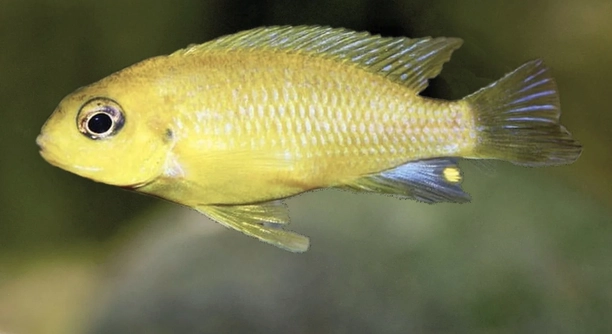
Many aquarists enjoy watching their cichlids swim gracefully, but sometimes these fish appear restless or disengaged. Their behavior can shift subtly when they lack stimulation, which can affect both their health and their interactions in the tank.
Understimulated cichlids often display clear signs of boredom, such as repetitive swimming patterns, reduced interest in food, increased aggression, hiding more frequently, and a lack of interaction with tank mates. Recognizing these behaviors helps maintain a healthy environment for the fish.
Noticing these behaviors early can improve your cichlids’ well-being and make your aquarium a more engaging place for them to thrive.
Repetitive Swimming Patterns
When my cichlids started swimming in loops along the tank glass or following the same route repeatedly, I realized they were bored. This behavior often appears when fish lack stimulation or sufficient space. They may patrol the same area endlessly, showing little curiosity about new tank features or hiding spots. Even when offered food or interacting with other fish, their movement remains predictable and rigid. Repetitive swimming can indicate stress over time, which may affect their immune system or appetite. Adding new decorations, rearranging existing structures, or providing objects to explore can reduce this repetitive behavior. Observing how they interact with changes helps gauge what kind of stimulation they enjoy. Small shifts in tank layout or enrichment, such as rocks, plants, or driftwood, often spark more natural exploration. Recognizing these patterns early prevents long-term stress and ensures your cichlids remain active and engaged in their environment.
Repetitive swimming shows a need for mental and physical stimulation, signaling that adjustments in the tank can improve fish behavior.
Providing diverse hiding spots and interactive objects encourages exploration. This can transform stagnant movement into lively, natural swimming behaviors over time.
Reduced Interest in Food
Loss of appetite is common in bored cichlids and can be subtle. They may approach food slowly or ignore it entirely, even when feeding time arrives.
When fish lose interest in feeding, it is often linked to under-stimulation rather than illness. Inadequate environmental enrichment leaves them disengaged, and normal routines fail to excite them. Over time, this can impact growth, immunity, and overall vitality. Introducing varied diets, live or frozen foods, and occasionally changing feeding locations can reignite their interest. Interactive feeding methods, like scattering pellets or using feeding rings, encourage natural foraging behavior and make mealtime more stimulating. Observation is key—monitoring whether changes in the environment improve feeding habits helps confirm if boredom is the main factor. Adjustments should be gradual to avoid sudden stress. These small interventions often restore healthy feeding patterns and ensure your cichlids maintain a balanced diet while staying mentally engaged. A properly enriched tank supports both physical health and behavioral development in cichlids, reducing the chances of long-term apathy or aggression in the aquarium.
Increased Aggression
Bored cichlids often pick fights over territory or chase tank mates without reason. This behavior can escalate quickly, affecting weaker fish and creating constant stress in the tank environment.
When aggression increases, it is usually linked to insufficient stimulation or lack of space. Fish may repeatedly charge or nip at others, even if territory boundaries are clear. Rearranging tank decorations or adding hiding spots can redirect attention and reduce conflicts. Providing varied stimulation, such as foraging opportunities or enrichment toys, encourages natural behaviors and lessens aggressive interactions. Observing interactions daily helps determine which adjustments are most effective in calming overly aggressive fish.
Managing aggression also involves monitoring tank population. Overcrowding exacerbates tension, while ensuring enough room and visual barriers allows fish to escape confrontations. Pairing compatible species and avoiding sudden changes in tank layout reduces stress-induced attacks. By gradually introducing environmental enrichment and ensuring proper spacing, aggression can be minimized, fostering a healthier and more peaceful aquarium where each cichlid can thrive naturally.
Excessive Hiding
Some cichlids spend hours in caves or behind decorations, avoiding open swimming areas. This behavior often signals under-stimulation or stress.
Hiding becomes a default activity when fish feel bored or insecure. They may retreat to corners, caves, or dense plant areas, ignoring food and interaction. Increasing tank complexity with varied shelters and open spaces encourages exploration. Gradually introducing new objects or rearranging plants motivates them to leave hiding spots while still feeling secure. Tracking changes in hiding frequency helps assess if the environment meets their needs.
Excessive hiding can also indicate a need for mental engagement. Providing foraging toys, feeding enrichment, or rearranged decorations stimulates curiosity. When fish begin exploring again, it reflects improved comfort and engagement. Small, regular changes in the tank environment keep cichlids active, reduce stress, and support natural behaviors. Consistency in monitoring and adjusting enrichment ensures long-term interest and activity, preventing boredom-related withdrawal and improving overall well-being.
Lethargy
Bored cichlids often appear listless, resting for long periods without showing curiosity or energy. They may float in one spot, ignoring tank mates and surroundings, which can affect their overall health if prolonged.
Lethargy is a common sign of under-stimulation. When their environment lacks variety or challenge, fish conserve energy and avoid interaction. Encouraging movement through enrichment, such as new hiding spots, rocks, or plants, helps reduce this behavior. Even small changes, like repositioning decorations or introducing gentle currents, can increase activity. Observing energy levels daily helps identify whether lethargy stems from boredom or other factors like illness. Consistent stimulation promotes natural swimming patterns, ensuring cichlids remain healthy and engaged in their tank environment.
Overgrooming
Cichlids may excessively clean themselves or scrape against surfaces when bored. This behavior is often an attempt to pass time or relieve stress.
Reduced Interaction
Fish may show less interest in tank mates or human presence. They spend time alone and avoid social behaviors they previously displayed.
Repetitive Object Interaction
Some cichlids continuously nudge or move objects like rocks, plants, or decorations without purpose. This repeated interaction is a clear sign of boredom and a need for mental stimulation.
How can I tell if my cichlid is bored?
Boredom in cichlids often shows through repetitive behaviors, like swimming in the same loops or interacting with objects constantly. They may hide more often, ignore food, or appear lethargic. Observing changes in normal activity and social behavior can help identify signs early. Monitoring daily patterns and noting any sudden shifts in swimming, aggression, or interaction helps distinguish boredom from illness.
What can I do to keep my cichlids engaged?
Introducing varied decorations, plants, and hiding spots encourages natural exploration. Rotating tank features occasionally keeps the environment fresh. Interactive enrichment, such as foraging toys or scattered feeding, stimulates curiosity. Even small changes like adding driftwood or rearranging rocks can spark interest. Observing which additions your cichlids respond to helps create a more engaging habitat. Providing open swimming areas alongside hiding spots balances security with stimulation. Gradual changes prevent stress while maintaining mental and physical activity, helping reduce repetitive or aggressive behaviors linked to boredom.
Does tank size affect cichlid boredom?
Yes, space is crucial for cichlids’ activity and engagement. Small or overcrowded tanks limit movement and increase stress, often causing aggression or lethargy. A tank that allows swimming, exploration, and territory establishment reduces the likelihood of boredom. Ensuring appropriate space for each fish, along with visual barriers and hiding areas, helps mimic natural conditions. Observing their behavior in relation to space can reveal whether lack of room contributes to disengagement.
Can diet impact cichlid stimulation?
Providing a varied diet helps maintain interest and encourages natural foraging behaviors. Offering live, frozen, or pellet foods in different ways can simulate hunting and exploration. Bored cichlids may ignore repetitive feeding routines, so occasional changes in food type or presentation can boost engagement. Using feeding rings, scattering pellets, or hiding treats encourages activity while promoting mental stimulation. Nutrition and stimulation are closely linked, as an engaged fish is more likely to feed properly and maintain energy for exploration and interaction within the tank.
How does adding tank mates affect boredom?
Appropriate companions can increase activity and social interaction, reducing boredom. Aggressive or incompatible species, however, can worsen stress and cause hiding or aggression. Observing group dynamics and adjusting species or numbers helps maintain a healthy balance. Adding tank mates should be gradual and carefully monitored to ensure interactions are positive. When cichlids engage with compatible peers, they display natural behaviors like territory marking, chasing, and foraging, which provide both physical and mental stimulation, keeping the tank environment dynamic.
Are there signs of boredom that mimic illness?
Some behaviors, like lethargy, reduced appetite, or hiding, can resemble illness. Observing context, such as repetitive swimming or overgrooming, helps distinguish boredom from health problems. Combining behavioral observation with water quality checks ensures proper care. Regular monitoring of tank conditions, including temperature, pH, and cleanliness, prevents misdiagnosis. Sudden changes without environmental triggers may indicate health issues, while gradual patterns linked to under-stimulation suggest boredom. Understanding these differences ensures both mental and physical well-being.
Can I prevent boredom before it starts?
Providing a complex and variable environment from the beginning reduces the likelihood of boredom. Thoughtful tank design, enrichment, and proper population management help maintain engagement. Routine changes, such as rearranging decorations, adding new plants, or offering interactive feeding, keep cichlids curious. Planning for stimulation early ensures natural behaviors develop and prevents repetitive, aggressive, or withdrawn behaviors associated with under-stimulation. Consistent observation allows small adjustments to meet changing needs, promoting long-term health and activity.
Cichlids are fascinating fish with complex behaviors, and keeping them mentally and physically engaged is essential for their well-being. Boredom in these fish can show in many ways, from repetitive swimming and excessive hiding to reduced appetite or increased aggression. When these behaviors appear, it is usually a sign that their environment is not stimulating enough. A lack of space, variety, or enrichment can make cichlids disengaged, which can eventually affect their health and social interactions. Observing daily behavior closely helps spot boredom early, allowing adjustments before it becomes a serious problem. Simple changes can make a big difference, such as rearranging tank decorations, adding new hiding spots, or introducing objects that encourage exploration. Over time, these adjustments can restore natural behaviors and improve overall activity.
Providing variety in the tank environment is one of the most effective ways to reduce boredom. Rocks, plants, caves, and driftwood create different areas for cichlids to explore and establish territories. Changing the layout occasionally keeps the environment interesting and encourages natural movement. Feeding techniques can also provide mental stimulation. Scattering food, using feeding rings, or offering live or frozen foods encourages foraging behavior, which mimics natural hunting instincts. Even small changes, like moving a rock or adding a new plant, can spark curiosity and activity. Monitoring which changes your cichlids respond to most helps refine the environment to meet their needs. A well-planned tank promotes natural behavior, reduces stress, and keeps the fish engaged for longer periods, which ultimately leads to healthier, more active cichlids.
It is important to remember that every cichlid is unique, and their preferences may differ. Some may enjoy exploring open spaces, while others prefer hiding or interacting with companions. Watching how they respond to changes in their tank can guide decisions about enrichment and tank design. Population management also plays a role; overcrowded tanks can increase stress and aggression, while too few companions may leave fish isolated and under-stimulated. Gradually introducing enrichment, new decorations, or compatible tank mates helps maintain balance without causing sudden stress. Consistent observation and small, thoughtful adjustments create an environment that supports both mental and physical health. By providing a stimulating, varied, and secure habitat, cichlids are more likely to display their natural behaviors, remain active, and thrive in the aquarium for years to come.

Hello,
If you enjoy the content that we create, please consider saying a "Thank You!" by leaving a tip.
Every little bit helps us continue crafting quality advice that supports the health, happiness, and well-being of pets around the world, for pets of all shapes, sizes, and species.
We really appreciate the kindness and support that you show us!