
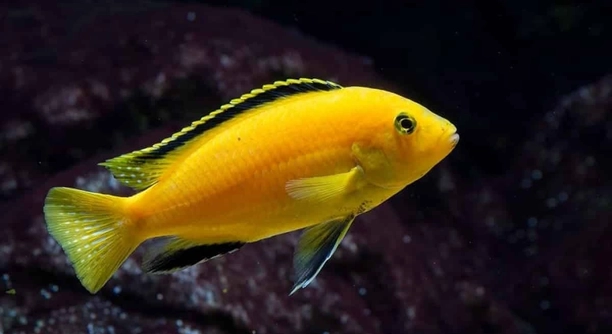
Maintaining a cichlid tank can feel challenging, especially when you want to keep the water clean without stressing the fish. Regular care is essential to ensure a healthy environment, supporting both the fish and the overall ecosystem.
Cleaning a cichlid tank without disturbing the fish requires careful planning and gentle techniques. Methods such as partial water changes, using siphons cautiously, and cleaning decorations gradually help maintain water quality while minimizing stress and preserving the natural behavior of the fish.
These tips will make your tank maintenance smoother and protect your cichlids’ well-being, ensuring a healthier, more stable aquatic environment for them to thrive.
Prepare Your Supplies in Advance
Before starting, gather all necessary tools. You will need a siphon, algae scraper, clean bucket, water conditioner, and a soft cloth. Having everything ready prevents last-minute interruptions that could stress the fish. Prepare water in advance so it is the same temperature as the tank.
Organizing your supplies saves time and keeps fish calm.
Taking a few extra minutes to arrange everything properly makes the cleaning process smoother. It also reduces the chance of accidents, like spilling water or knocking over decorations. I always make sure the siphon hose is long enough to reach all corners and check that the bucket is clean and free of soap or chemicals. Preparing replacement water with the proper temperature and treated with dechlorinator ensures fish do not experience sudden changes. Small steps like these maintain a healthy environment and make cleaning less stressful for both the fish and me.
Perform Partial Water Changes
Partial water changes remove debris and maintain water quality without stressing the fish. Start by removing 20 to 30 percent of the water, avoiding large disturbances. Siphon gently near the substrate to collect leftover food and waste.
Consistent partial changes keep water clear and reduce toxins.
I find partial water changes far less stressful for my cichlids than full cleanings. They allow the beneficial bacteria in the tank to remain intact, which is critical for a stable ecosystem. Using a siphon carefully prevents suction from disturbing the fish or stirring up too much debris at once. Replacing the removed water slowly and at the same temperature prevents sudden shock. Over time, regular partial changes make cleaning easier and keep the tank environment consistent. Observing the fish during this process also helps me notice any signs of illness or stress early, ensuring they stay healthy and active. This method keeps the tank clean while keeping fish comfort a top priority.
Clean Decorations Gradually
Remove decorations one at a time to avoid stressing fish. Use a soft brush to scrub algae and dirt. Avoid harsh chemicals, as they can harm the fish.
I clean each decoration slowly, soaking them in tank water if needed. Hard scrubbing is never necessary; gentle brushing removes buildup. I often rinse them with dechlorinated water before returning them. This approach keeps the fish calm and prevents sudden water changes from shocking the tank. By spacing out the cleaning over several sessions, the tank remains stable, and the fish continue their normal routines without disruption. Patience makes the process much easier.
Cleaning decorations carefully also protects delicate plants and structures. I take extra care with porous rocks or fragile ornaments, ensuring no fragments break off into the tank. Maintaining these items gradually keeps the aesthetic intact while still removing algae and debris efficiently. Over time, regular gentle cleaning prevents heavy buildup, making each session quicker and safer for both fish and tank environment. The key is consistency and slow, careful handling.
Vacuum the Substrate
Siphon the substrate gently to remove waste and leftover food without sucking up fish. Focus on heavily soiled areas first, leaving cleaner sections for later.
I move the siphon slowly across the bottom, tilting gravel to let debris float up. Avoid disturbing the entire tank at once. This technique keeps the fish calm while removing trapped waste. I usually work in small sections, returning fish to normal conditions quickly. Regular substrate cleaning prevents harmful ammonia buildup and keeps water clearer.
Vacuuming is especially important for cichlid tanks, as they stir the substrate frequently. Uneaten food and waste can accumulate quickly, making gradual cleaning necessary. Using a siphon with a gentle flow reduces stress, and I always monitor the fish to ensure none get too close to the suction. Over time, consistent substrate care keeps the tank healthier, reducing algae growth and maintaining natural water chemistry. Gentle, routine cleaning prevents large, stressful interventions later, supporting the overall well-being of the fish.
Monitor Water Parameters
Check temperature, pH, and ammonia levels regularly. Consistent monitoring prevents sudden changes that can stress cichlids.
I keep a small test kit nearby and record readings each week. This habit helps me notice trends and address issues before they affect the fish, keeping the environment stable and healthy.
Clean the Glass Carefully
Use an algae scraper or magnetic cleaner to remove buildup. Move slowly to avoid sudden movements that can scare the fish.
I clean small sections at a time, watching the fish to ensure they stay calm. This method keeps visibility clear without disturbing the tank’s balance.
Avoid Overfeeding
Excess food increases waste and algae growth, making cleaning more difficult. Feed only what the fish can eat in a few minutes.
I measure portions and observe feeding behavior to adjust amounts. Limiting excess food reduces debris in the tank, making maintenance easier and keeping fish healthier.
FAQ
How often should I clean my cichlid tank without stressing the fish?
I clean my tank lightly once a week with partial water changes and glass wiping. Deep cleaning, like substrate vacuuming or decorations, can be done every two to four weeks depending on algae growth and waste buildup. Keeping a routine prevents sudden changes that can upset the fish.
Can I use soap or chemicals to clean decorations?
No. Soap, bleach, or other chemicals can be harmful to cichlids even after rinsing. I always use tank water and a soft brush. For stubborn algae, soaking in dechlorinated water or gentle scrubbing works well without introducing harmful substances.
Is it safe to clean the substrate while fish are in the tank?
Yes, if done carefully. I siphon slowly, section by section, and avoid scaring fish with sudden movements. This method removes waste while maintaining beneficial bacteria, which are essential for water quality and fish health.
How do I prevent algae without stressing my cichlids?
Controlling light and not overfeeding are key. I reduce light to 8–10 hours a day and feed measured amounts. Regular partial water changes and gentle cleaning of decorations keep algae manageable without disturbing the fish.
Can I clean the glass while fish are present?
Yes, with slow, deliberate movements. I use a magnetic cleaner or scraper in small sections. Observing the fish ensures they are not frightened. Gradual cleaning keeps the tank clear without altering the environment suddenly.
What should I do if water parameters suddenly change?
Act immediately but calmly. I perform partial water changes with treated water matching the tank temperature. Sudden large changes can shock the fish, so slow adjustments and careful monitoring are essential to restore balance safely.
How can I clean decorations without removing all fish from the tank?
I remove one or two pieces at a time and soak them in tank water if needed. Gentle brushing removes algae. This approach avoids stressing the fish by keeping the majority of the tank intact.
Is it necessary to clean the filter during tank maintenance?
Yes, but carefully. I rinse filter media in removed tank water rather than tap water to preserve beneficial bacteria. Over-cleaning or using chemicals can disrupt the tank’s biological balance, stressing the fish.
How do I maintain a clean tank with messy cichlids?
Frequent partial water changes and substrate siphoning are essential. I feed in small portions and observe behavior to adjust cleaning needs. Gradual and consistent care minimizes mess while keeping the fish comfortable and healthy.
Can I combine cleaning tasks in one session?
It’s better to spread tasks. I usually do partial water change, glass cleaning, and decoration cleaning in separate stages. Combining everything at once can stress fish and disturb the tank’s balance. Slow, consistent care produces better long-term results.
What signs show that fish are stressed during cleaning?
Hiding, rapid swimming, or sudden color changes are common signs. I pause cleaning if I notice these behaviors and resume slowly. Maintaining calm and gentle actions helps the fish feel safe and minimizes stress.
How do I ensure water added during cleaning is safe?
I treat new water with a dechlorinator and match its temperature to the tank. Sudden temperature or chemical changes can shock fish. I also pour it slowly to avoid disturbing the substrate or decorations.
Can I use tools like nets or siphons without disturbing fish?
Yes, if used carefully. I move slowly and avoid sudden dips near fish. Working section by section allows cleaning without causing panic. This keeps the tank clean and fish comfortable at the same time.
How do I keep long-term maintenance simple?
Regular partial changes, monitoring water parameters, and avoiding overfeeding are key. I schedule tasks weekly, clean decorations gradually, and vacuum the substrate lightly. Consistency prevents buildup and reduces stress for both me and the cichlids.
What is the best approach to avoid overcleaning?
Only clean what is necessary. I focus on debris, algae, and water quality. Overcleaning can remove beneficial bacteria or stress fish. Gentle, targeted maintenance preserves the tank’s natural balance and promotes healthy fish behavior.
Can I clean the tank alone, or should someone help?
It can be done alone if approached slowly. I keep all tools ready and plan each step to minimize stress. Assistance is optional but can help with larger tanks or multiple cleaning tasks.
How do I handle emergencies during cleaning?
If fish appear sick or stressed, I stop and assess water conditions. I adjust temperature, check ammonia or pH levels, and perform small partial changes if necessary. Calm, measured action prevents panic and ensures the fish remain safe.
Does cleaning frequency change with tank size or fish population?
Yes. Larger tanks or more fish require more frequent partial changes and monitoring. I adjust my cleaning schedule based on waste accumulation, algae growth, and the overall balance of the tank. Regular observation guides these decisions effectively.
How can I make cleaning less stressful for fish long-term?
Slow movements, partial water changes, and gradual decoration cleaning help. I maintain stable water parameters and avoid overfeeding. Establishing a consistent routine allows fish to feel secure during regular maintenance sessions.
Is there a risk of stressing fish if I skip cleaning?
Yes. Waste accumulation, algae overgrowth, and poor water quality can stress cichlids. I ensure regular maintenance to prevent harmful buildup, keeping the environment stable and supporting their health consistently.
How do I balance tank cleanliness with fish comfort?
Gentle cleaning, gradual changes, and consistent monitoring are key. I prioritize partial water changes, careful substrate siphoning, and slow decoration cleaning. Observing the fish’s behavior during each step ensures the tank remains both clean and stress-free.
What is the easiest way to clean without removing fish?
Use siphons and brushes gently in sections. I remove only a small portion of water at a time and clean decorations gradually. This approach maintains water quality and keeps fish calm throughout the process.
How important is consistency in cleaning?
Extremely important. I stick to a regular schedule for partial water changes, substrate vacuuming, and decoration cleaning. Consistency maintains stable water parameters and reduces stress, making the tank healthier for cichlids.
Can minor disturbances stress cichlids significantly?
Yes. Even small movements or sudden water changes can cause anxiety. I move slowly, work in sections, and monitor the fish to minimize stress during maintenance. Small, gradual actions are far safer than rapid, large-scale cleaning.
What should I focus on during each cleaning session?
Debris removal, water quality, and gentle cleaning of decorations. I prioritize areas that impact fish health first and save aesthetic tasks for later. This method maintains both hygiene and the comfort of cichlids efficiently.
How do I know if my cleaning methods are working?
Clear water, reduced algae, and calm fish are good indicators. I also track water parameters and watch feeding behavior. Regular observation confirms that my maintenance routine supports a healthy, stable tank.
Are there any shortcuts that don’t stress fish?
Partial water changes, gentle glass cleaning, and sectioned substrate vacuuming are the most effective shortcuts. I avoid full tank emptying or aggressive scrubbing, as these can be more harmful than helpful.
How do I teach myself patience with tank cleaning?
I focus on one task at a time, moving slowly and observing fish responses. Over time, patience becomes natural, and cleaning becomes less stressful for both me and the cichlids. Gradual care produces the best results.
Can I clean multiple tanks at once?
Yes, if careful. I prepare each tank’s tools and water in advance. Working one tank at a time prevents errors and minimizes stress for all fish, ensuring each environment stays stable and healthy.
What is the most important rule for cleaning cichlid tanks gently?
Move slowly, change water gradually, and avoid chemicals. I prioritize fish comfort over speed. Gentle, consistent care maintains water quality, reduces stress, and promotes a thriving tank ecosystem.
How do I deal with stubborn algae or debris?
I remove it gradually using soft brushes or soaking decorations in tank water. Avoid harsh scraping or chemicals. Persistent, gentle cleaning keeps the tank healthy without disturbing fish or damaging the environment.
How do I adjust cleaning for aggressive or territorial cichlids?
I clean during times when fish are less active and work in small sections. Avoid sudden movements near territories. Observing fish behavior helps me decide the safest order for cleaning, reducing conflict and stress.
Can I maintain a healthy tank without full water changes?
Yes, with regular partial changes, careful substrate cleaning, and consistent monitoring. I focus on removing waste and keeping water parameters stable. Full water changes are rarely necessary if maintenance is consistent and gentle.
How do I prevent future stress while cleaning?
Slow movements, sectioned tasks, and consistent schedules are key. I also ensure water parameters remain stable and food is controlled. Over time, this approach minimizes stress while maintaining a clean, healthy tank.
What mistakes should I avoid during cleaning?
Avoid large water changes, harsh chemicals, sudden temperature shifts, and rushing. I focus on gradual cleaning, gentle handling, and careful observation. These practices protect both the fish and the tank ecosystem.
How do I know when to stop cleaning for the day?
If fish appear stressed or water parameters fluctuate, I pause. I also avoid overhandling decorations or substrate. Maintaining calm ensures that the tank remains stable and fish stay comfortable throughout maintenance.
Is it necessary to track cleaning sessions?
Yes, tracking helps maintain consistency and monitor fish responses. I note dates, water changes, and any observations, which makes planning easier and prevents accidental over- or under-cleaning.
Can over-cleaning be harmful long-term?
Yes. Over-cleaning can remove beneficial bacteria, stress fish, and destabilize water chemistry. I focus on essential tasks, keeping cleaning gentle and consistent to support long-term tank health.
How do I handle unexpected waste or algae spikes?
I perform targeted partial changes, siphon substrate carefully, and clean decorations gradually. Sudden large interventions are avoided. I also monitor water parameters to ensure the fish remain safe during cleanup.
What is the best mindset for cleaning cichlid tanks gently?
Patience, observation, and consistency. I approach each session slowly, focus on fish comfort, and maintain regular routines. This mindset ensures the tank stays clean without compromising the well-being of the cichlids.
How can I make cleaning less intimidating over time?
Small, consistent steps and gradual improvements build confidence. I break tasks into manageable sections, observe results, and adjust methods as needed. Over time, cleaning feels routine rather than stressful.
Are there tools that make cleaning easier without disturbing fish?
Yes, soft brushes, siphons with adjustable flow, and magnetic glass cleaners help. I choose tools that minimize sudden disturbances, allowing me to maintain a clean tank efficiently and calmly.
How do I manage multiple cleaning techniques at once?
I prioritize water quality first, followed by substrate and decoration cleaning. I avoid combining everything at once, which can stress fish. Sectioned tasks keep both cleaning and fish well-being manageable.
Can skipping minor maintenance affect fish long-term?
Yes, small debris buildup can lead to stress, illness, and poor water quality. I maintain regular partial changes and gentle cleaning to prevent long-term negative effects on cichlids.
What’s the simplest approach for new tank owners?
Focus on partial water changes, gentle substrate vacuuming, and minimal decoration cleaning. I also monitor water parameters consistently. Simple, consistent routines build a healthy, low-stress environment for cichlids.
How do I balance efficiency and fish comfort?
Slow, sectioned cleaning and pre-prepared tools make the process efficient without alarming fish. I avoid rushing, allowing each step to be completed carefully while maintaining water quality.
What is the single most important action during tank cleaning?
Maintaining stable water conditions. I ensure temperature, pH, and water chemistry remain consistent while performing gentle cleaning. Protecting water stability is key to safe, stress-free maintenance.
How do I adjust cleaning for different species of cichlids?
I observe behavior and territorial tendencies. Some species are more sensitive, requiring slower, sectioned cleaning. Adjusting movements and timing based on species helps maintain calm and reduces risk of stress.
Can I clean my tank while feeding the fish?
No. Feeding can make fish more active, increasing stress during cleaning. I wait until after meals and ensure leftovers are removed before starting maintenance tasks.
How do I manage cleaning during breeding periods?
I clean minimally, avoiding areas near eggs or fry. I perform partial water changes gently and monitor fish behavior closely. Keeping disturbances low prevents aggression or egg abandonment.
Is it okay to let algae accumulate before cleaning?
No. I remove algae regularly to prevent excessive buildup, which can affect water quality and stress fish. Gentle, consistent cleaning keeps algae under control without major interventions.
How do I clean without affecting beneficial bacteria?
I rinse filter media in tank water, avoid full water changes, and clean substrate gradually. Preserving bacteria ensures biological filtration remains effective, keeping water stable and fish healthy.
How do I reduce cleaning frequency safely?
Maintain strict feeding control, regular partial water changes, and careful substrate cleaning. I observe algae growth and water quality to adjust schedule, reducing cleaning without compromising fish health.
Can cleaning affect fish behavior long-term?
Yes, aggressive or rushed cleaning can cause stress and alter routines. I focus on calm, consistent methods, which support natural behavior and reduce fear of maintenance activities.
How do I know if my methods are gentle enough?
Fish remain calm, water parameters stable, and algae or debris gradually decrease. I observe for stress signs, adjusting techniques if fish hide, swim erratically, or show color changes.
How do I incorporate new cleaning habits effectively?
I start slowly, introduce one technique at a time, and monitor results. Gradual integration ensures both the tank and fish adjust without shock. Patience is key to developing safe routines.
What is the long-term benefit of gentle cleaning?
Stable water quality, reduced stress, and healthier fish. I notice fewer illnesses, consistent behavior, and cleaner tanks with less effort over time. Gentle, routine maintenance ensures a thriving aquatic environment.
Can cleaning methods change with seasonal temperature variations?
Yes. I adjust water temperature and cleaning pace based on seasonal changes. Gradual water adjustments prevent shock, while maintaining regular partial changes keeps the tank healthy year-round.
How do I keep cleaning consistent despite a busy schedule?
I set fixed days for partial water changes and cleaning tasks. Preparing tools and water in advance helps me maintain routine without rushing, ensuring the tank remains stable and fish stay comfortable.
Is it better to clean in the morning or evening?
I choose a time when fish are least active, usually mid-morning. This reduces stress, allowing me to work calmly and complete tasks without disturbing feeding or resting periods.
How do I minimize mess during cleaning?
I use buckets, towels, and controlled siphoning to contain water and debris. Preparing tools and layout beforehand reduces spills and keeps the process organized, making cleanup easier.
Can tank size affect cleaning methods?
Yes. Larger tanks require longer siphoning and more sectioned cleaning. I plan accordingly, working gradually to avoid stressing fish or altering water stability.
How do I keep track of cleaning progress?
I record dates, tasks completed, and observations about fish behavior. Tracking ensures consistency, helps identify trends, and prevents accidental over- or under-cleaning.
How do I adapt cleaning techniques for heavily planted tanks?
I clean around plants gently, avoiding uprooting or disturbing roots. I remove debris with siphons carefully and clean decorations gradually. Protecting plants maintains habitat stability for fish.
Can overfeeding interfere with cleaning efforts?
Yes. Excess food increases waste, algae, and substrate buildup. I measure portions and feed only what cichlids consume in a few minutes to make cleaning easier and keep water quality stable.
How do I maintain motivation for regular cleaning?
I focus on visible results like clear water and active, healthy fish. Seeing positive outcomes reinforces consistency and makes routine maintenance feel rewarding rather than tedious.
How do I ensure safety when cleaning large or deep tanks?
I use sturdy buckets, stable surfaces, and carefully plan each step. I avoid rushing or leaning over the tank excessively to reduce risk of spills or accidents while maintaining fish safety.
What is the role of observation during cleaning?
Observation helps identify stress, illness, or abnormal behavior. I watch fish closely during maintenance to adjust techniques, ensuring cleaning remains gentle and effective without causing harm.
How do I balance aesthetics and fish comfort?
I clean gradually, focusing on debris and algae first, decorations second. Slow, careful work maintains a visually appealing tank without compromising fish well-being.
Can I clean while fish are hiding?
Yes, gently. I avoid disturbing hiding spots and clean other areas first. This ensures fish feel secure and allows me to complete maintenance safely.
How do I adjust cleaning for older tanks?
Older tanks often have more established bacteria. I clean gradually, avoid full water changes, and focus on partial maintenance to preserve biological balance and prevent stress.
What is the impact of skipping minor cleaning tasks?
Skipping small tasks can lead to gradual waste buildup, algae growth, and water imbalance. I maintain consistent partial changes and light cleaning to prevent long-term issues.
How do I maintain cleaning effectiveness with minimal effort?
I schedule regular, small cleaning sessions, monitor water parameters, and focus on high-impact areas. Consistency and gentle methods reduce the need for intensive cleaning later.
Can multiple fish species affect cleaning frequency?
Yes. Different species produce varying waste levels. I adjust partial water changes and substrate cleaning based on population density and species behavior to maintain balance.
How do I deal with stubborn debris in corners?
I use a small siphon tip or soft brush gently. I avoid sudden movements that could scare fish, focusing on gradual removal without disrupting the tank.
How do I know if my cleaning tools are appropriate?
Tools should allow gentle work without harming fish or plants. I select siphons, brushes, and scrapers designed for delicate aquatic environments. Regular inspection ensures they remain safe to use.
What adjustments are needed for breeding tanks?
Minimal disturbance is critical. I perform small, targeted partial water changes, avoid cleaning near eggs, and monitor fish closely. Gentle methods prevent aggression or abandonment of offspring.
How do I maintain calm fish during extended cleaning sessions?
I work slowly, take breaks, and avoid sudden movements. Observing fish behavior allows me to adjust pace and methods, keeping them comfortable while completing all tasks.
Can frequent observation reduce stress during cleaning?
Yes. Monitoring fish ensures any signs of discomfort are addressed immediately. I adjust techniques, slow movements, or pause if necessary, preventing stress from escalating.
How do I adapt cleaning for tanks with aggressive species?
I plan tasks carefully, clean
Keeping a cichlid tank clean while minimizing stress to the fish requires patience and consistency. Regular partial water changes, gentle cleaning of decorations, and careful substrate maintenance are key steps. Over time, these small actions help maintain water quality, prevent algae buildup, and keep the fish healthy. By focusing on gradual maintenance rather than aggressive cleaning, the environment remains stable, supporting natural fish behavior and reducing stress levels. I have found that preparing all tools and water in advance makes each cleaning session smoother and less disruptive, which benefits both the fish and the overall tank ecosystem.
Observation plays a critical role in effective tank care. Watching how the fish respond to cleaning activities provides guidance on the pace and methods to use. Signs such as hiding, rapid swimming, or unusual color changes indicate stress, signaling the need to slow down or adjust the approach. Maintaining stable water parameters, including temperature, pH, and ammonia levels, is equally important. Sudden changes in these conditions can have a more negative impact than debris or algae. Consistent monitoring allows for timely adjustments and prevents long-term problems. Over time, this approach builds confidence and ensures the tank remains a healthy, calm environment for the fish.
Long-term success comes from combining consistency, careful techniques, and observation. Cleaning should be broken into manageable tasks, such as partial water changes, gentle glass wiping, and gradual decoration maintenance. Avoiding overfeeding and limiting light exposure also help control algae growth and reduce waste, making cleaning less frequent and less stressful. By focusing on these practical, low-impact steps, the tank stays cleaner, fish remain healthy, and maintenance becomes more predictable. The key is to approach each session deliberately, maintain a steady routine, and always prioritize the comfort and well-being of the cichlids. Over time, this method creates a balanced, thriving aquatic environment that is both visually appealing and safe for its inhabitants.

Hello,
If you enjoy the content that we create, please consider saying a "Thank You!" by leaving a tip.
Every little bit helps us continue crafting quality advice that supports the health, happiness, and well-being of pets around the world, for pets of all shapes, sizes, and species.
We really appreciate the kindness and support that you show us!