
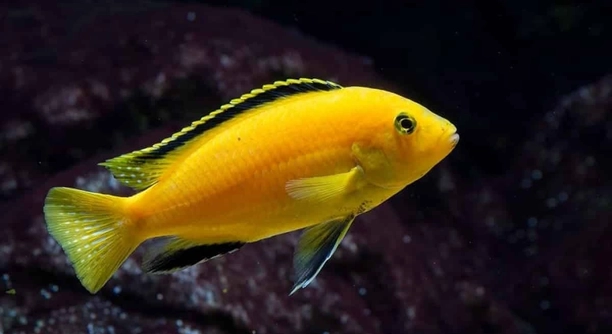
Have you ever noticed how your cichlids seem to organize themselves, moving around the tank with subtle signs of dominance and submission? Their behavior may seem simple, but there is more happening beneath the surface.
Cichlid tank hierarchy is structured through multiple unseen layers, including territory establishment, visual signaling, feeding order, mating privileges, stress responses, age influence, and social alliances. Each layer interacts to maintain balance and reduce conflicts within the tank.
Understanding these layers can improve your tank management and help maintain peace among your cichlids, ensuring a healthier and more harmonious environment for all.
Territory and Space
Cichlids are very particular about their space in the tank. They establish territories based on size, strength, and personality. Larger or more confident fish often claim the best spots near rocks, caves, or hiding places, while smaller ones are pushed to less desirable areas. These territories are not just about comfort—they are crucial for feeding, resting, and breeding. When new fish are added, the hierarchy shifts as they test boundaries, sparking short-term aggression until positions are settled. Observing these interactions helps in predicting potential stress points and preventing long-term disputes. Proper decoration and strategic hiding spots can reduce tension, allowing weaker fish to retreat safely. Overcrowding can escalate conflicts, so ensuring ample space per fish is important. Even subtle changes, like moving a rock or adding a plant, can alter dynamics. Paying attention to how fish patrol and defend their areas can improve overall tank harmony and minimize injuries.
Territory shapes behavior and feeding patterns in subtle ways that often go unnoticed until conflicts arise.
Maintaining distinct zones and providing multiple hiding spots ensures each cichlid feels secure. By monitoring their movement and interactions, you can identify dominant and submissive fish, allowing you to manage aggression. Simple adjustments to décor or tank layout often restore balance, creating a calmer environment where all fish can thrive.
Visual Signals and Body Language
Cichlids communicate constantly through gestures, colors, and postures.
These signals indicate dominance, submission, readiness to mate, or stress. A fish with bright colors and erect fins is usually asserting control, while duller tones and retracted fins show submission. Watching these cues allows you to understand the hierarchy without intervention. Subtle head shakes, tail flicks, and gill displays are also common. Recognizing these patterns helps predict conflicts and prevents accidental disturbances.
Observing and interpreting visual signals provides insight into the social structure of the tank. Each display is a message, whether establishing territory or signaling feeding priority. For instance, a dominant male may flare fins at rivals to maintain control, while subordinate fish respond by keeping distance or hiding. Females may show readiness through gentle circling or color changes, affecting mating order. Even during feeding, body language communicates priority, with dominant fish often approaching first while others wait. By understanding these cues, you can minimize stress, anticipate aggressive encounters, and foster a balanced environment. Consistent monitoring allows subtle adjustments to décor or group composition, helping all fish coexist peacefully while supporting natural behaviors that maintain a stable hierarchy.
Feeding Order
Dominant cichlids eat first, while submissive fish wait their turn. This order reflects hierarchy and reinforces social structure within the tank.
Feeding order is not random; it shows which fish control access to resources. Dominant fish often swim directly to food, sometimes chasing others away. Submissive fish linger at the edges or hide until the main activity settles. This behavior ensures survival but can stress weaker fish if food is limited. Observing who eats first and how others respond gives clear insight into social ranking. Adjusting feeding methods, like spreading food across the tank, can help less dominant fish get enough nutrition without constant conflict.
Providing multiple feeding spots and observing responses reduces stress and encourages all fish to eat. Subordinate fish gradually learn to take advantage of opportunities, while dominant fish maintain position. Over time, feeding patterns stabilize, reflecting a balance in the hierarchy. Monitoring these interactions is essential for maintaining health and preventing aggression during mealtimes, ensuring every cichlid thrives.
Mating Privileges
Mating privileges are reserved for dominant fish, often males with established territories and strong displays.
Dominant fish choose the best spawning sites and control access to potential mates. Submissive individuals rarely breed, and their attempts are often interrupted by higher-ranking fish. Color intensity, fin display, and courtship behavior signal readiness to mate and maintain order during reproduction. In many cases, females select mates based on territory quality, size, and display vigor. This system reduces fights over reproduction and ensures that only the most capable individuals pass on genes. Watching mating interactions reveals the subtle ways dominance influences reproduction and social stability within the tank.
Even small shifts in hierarchy affect mating opportunities. When a dominant fish is removed or weakened, others may attempt to claim territory and mates, leading to temporary disruption. Ensuring enough hiding spots and nesting areas reduces conflict and allows multiple fish to coexist without constant interference. By carefully observing these dynamics, you can support natural reproductive behavior while maintaining a peaceful environment. Recognizing the relationship between hierarchy and mating helps predict future social changes and keeps breeding practices more controlled and less stressful for all cichlids.
Stress Responses
Cichlids show stress through color fading, hiding, and reduced activity. Submissive fish are more prone to stress, especially when dominant individuals patrol aggressively.
Stress affects growth, appetite, and immunity. Recognizing early signs allows adjustments in tank layout, feeding, or group composition to reduce tension and improve overall health.
Age Influence
Older cichlids often maintain dominance due to experience and size, while younger fish are generally submissive. Age impacts territory control, feeding priority, and mating access. Younger fish learn behaviors by observing older, established individuals, which helps maintain a stable social order.
Social Alliances
Some cichlids form temporary alliances to challenge stronger fish or protect weaker members. These alliances shift frequently depending on resources, territory, and group composition. Observing these interactions provides insight into hidden social strategies and can explain sudden changes in behavior.
Subtle Environmental Impact
Small changes in tank structure, like moving rocks or plants, can influence hierarchy. Fish adjust territories and social interactions based on these environmental cues, often altering dominance patterns and creating temporary instability until balance is restored.
How can I tell which cichlid is dominant?
Dominant cichlids often display brighter colors, erect fins, and assertive swimming patterns. They claim the best territories and eat first during feeding. Observing interactions over time helps identify who controls space, resources, and mating opportunities. Dominant fish may chase or intimidate others to reinforce hierarchy, and their behavior is consistent across days. Submissive fish tend to hide, stay on the edges, or retreat when approached. Recognizing these patterns allows you to anticipate conflicts and manage tank composition more effectively. Watching feeding order and response to territory intrusions are also reliable indicators of dominance.
What should I do if my cichlids are constantly fighting?
Frequent fights usually stem from overcrowding, insufficient hiding spots, or poorly defined territories. Increasing space, rearranging decorations, or adding plants and caves gives submissive fish retreat options. Separating overly aggressive individuals temporarily can help reset social order. Feeding in multiple locations reduces competition. Ensuring all fish have enough room to establish personal territory decreases stress and aggression over time. Observation is key; sometimes minor adjustments in layout or tank population can dramatically improve harmony without removing any fish permanently.
Why do some cichlids hide most of the time?
Submissive fish often hide to avoid conflict with dominant individuals. Hiding reduces stress and allows them to feed safely when dominant fish are distracted. Even healthy fish may spend more time out of sight if the tank is crowded or territories are poorly defined. Providing additional hiding spots, such as caves, plants, or rock formations, encourages natural behavior and allows shy fish to build confidence. Over time, some may explore more as they feel secure, but constant hiding can also indicate stress, illness, or a mismatch in tank hierarchy.
How does tank size affect hierarchy?
Tank size directly impacts cichlid behavior. Smaller tanks limit territory and increase tension, often causing more aggression. Larger tanks allow fish to establish distinct areas, reducing frequent encounters and disputes. Providing enough space per fish ensures dominant individuals do not monopolize the best areas, and submissive fish can find refuge. Tank size also influences feeding order and social alliances; a cramped environment forces constant negotiation for resources. Observing interactions and making adjustments based on tank size helps maintain balance, promotes healthy growth, and prevents chronic stress among less dominant fish.
Can hierarchy change over time?
Yes, hierarchy is fluid. Changes in age, size, health, or tank composition can shift dominance. A previously dominant fish may lose power due to illness or age, allowing others to move up. Introducing new fish temporarily disrupts order until positions stabilize. Environmental changes, like rearranging rocks or adding plants, also influence social rankings. Observing these shifts is important for maintaining balance and minimizing aggression. Hierarchy adjustments are natural and usually resolve within days, but persistent instability may require intervention, such as separating highly aggressive individuals or adjusting tank layout to support weaker fish.
Do all cichlids follow the same hierarchy rules?
Hierarchy rules vary by species, temperament, and individual personality. Some cichlids are more aggressive or territorial, while others are peaceful and form alliances. Understanding your specific species’ behavior is essential for predicting interactions. While general patterns like territory, feeding order, and mating privilege apply, subtle differences in communication, alliance formation, and stress responses will influence social dynamics. Researching your species’ natural behavior and observing interactions allows you to make informed adjustments in tank setup, population, and feeding routines to maintain a stable, healthy environment for all fish.
How can I reduce stress in submissive fish?
Stress reduction comes from providing adequate hiding spots, dispersing food, and ensuring enough territory for each fish. Avoid sudden changes in layout, water quality, or lighting, which can trigger aggression. Monitoring dominant fish and intervening when bullying becomes excessive helps protect weaker individuals. Creating areas with visual barriers allows shy fish to retreat safely. Over time, consistent care, space, and feeding adjustments allow submissive fish to thrive alongside more dominant tankmates without constant fear.
When should I intervene in hierarchy disputes?
Intervention is needed if fights cause injury, chronic stress, or starvation. Temporary separation, rearranging the tank, or adjusting feeding locations often resolves issues. Minor skirmishes are natural and help establish order, but prolonged aggression signals imbalance. Consistent observation allows you to recognize when the hierarchy stabilizes versus when human action is necessary. Maintaining harmony ensures health, reduces mortality, and promotes natural behavior, letting all cichlids coexist peacefully.
Cichlid tanks are more complex than they might seem at first glance. Each fish has a role, from dominant leaders to shy, submissive members. Observing their behavior closely helps you understand how they interact, who controls space, and how resources like food and hiding spots are distributed. Even small cues, such as color changes, fin displays, or tail flicks, carry meaning within the social structure. Recognizing these signals can prevent unnecessary stress, as you learn to anticipate conflicts and adjust the tank environment accordingly. Over time, it becomes easier to predict which fish will assert dominance and which will naturally take a more submissive role. Paying attention to these details ensures the tank remains a balanced and healthy space for all inhabitants.
Managing a cichlid tank requires careful attention to territory, feeding, and social alliances. Proper tank setup, including rocks, plants, and caves, allows each fish to establish a personal area without constant confrontation. Feeding strategies, like spreading food across multiple areas, prevent dominant fish from monopolizing resources and help weaker fish stay nourished. Even temporary alliances among certain cichlids can affect how resources are shared or which areas are defended most aggressively. By observing these behaviors, you can make adjustments that support a stable hierarchy while maintaining the natural behaviors of each fish. Stability in the tank reduces stress, encourages healthy growth, and supports natural reproductive cycles. Over time, you can fine-tune the tank layout and population to create an environment where all fish feel secure.
Hierarchy is not fixed; it evolves with age, size, and environmental changes. A dominant fish may lose influence as it grows older or weaker, allowing others to move up. Adding new fish, changing tank decorations, or shifting territories can temporarily disrupt order, but careful observation and minor interventions often restore balance quickly. Recognizing that hierarchy is dynamic helps you respond appropriately, whether by adjusting feeding routines, providing additional hiding spaces, or temporarily separating aggressive fish. Understanding these unseen layers of social structure improves the well-being of all your cichlids, reduces injuries, and creates a peaceful environment. By observing, adjusting, and supporting natural behaviors, you can maintain a tank where every fish thrives and the social structure remains balanced over the long term.

Hello,
If you enjoy the content that we create, please consider saying a "Thank You!" by leaving a tip.
Every little bit helps us continue crafting quality advice that supports the health, happiness, and well-being of pets around the world, for pets of all shapes, sizes, and species.
We really appreciate the kindness and support that you show us!