
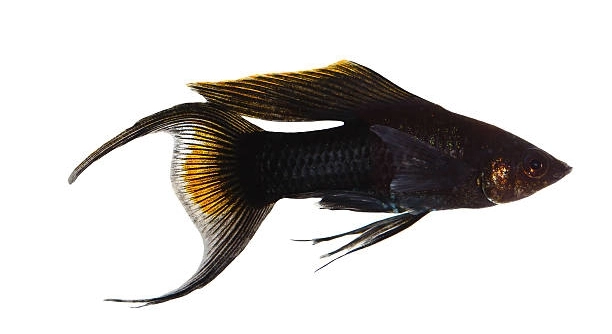
Do your Black Molly fish sometimes appear with eyes that seem unusually swollen or protruding? Many hobbyists notice this change and wonder if it signals a serious problem. Bulging eyes can be surprising even for experienced fish keepers.
Bulging eyes in Black Mollies are most commonly caused by a condition called exophthalmia, which can result from bacterial infections, poor water quality, physical injury, or internal organ issues. Early detection and proper care are essential to prevent worsening.
Understanding the reasons behind this eye swelling will help you protect your fish and maintain a healthier aquarium environment for them.
Common Causes of Bulging Eyes
Many Black Mollies develop bulging eyes due to changes in their environment or health. Poor water quality is a frequent factor, as high levels of ammonia, nitrites, or nitrates can stress fish and cause physical symptoms. Overfeeding or feeding low-quality food may also lead to internal organ issues, which sometimes show externally through eye problems. Physical injuries from tank decorations or aggressive tank mates can cause one or both eyes to swell. Bacterial infections are another frequent reason, especially when fish are exposed to contaminated water or sudden temperature changes. Stress plays a role, too, weakening the fish’s immune system and making them more susceptible to eye swelling. Observing your fish’s behavior, eating patterns, and swimming habits can provide early signs of trouble. Maintaining proper water conditions, a balanced diet, and a safe tank setup is essential to prevent this problem.
Regular water testing and careful feeding habits can greatly reduce the risk of bulging eyes in Black Mollies.
Monitoring your tank closely helps identify early signs of eye swelling. Treating infections quickly and improving water quality can restore your fish’s health. Consistent maintenance, proper nutrition, and a stress-free environment are key.
Prevention and Treatment
Preventing bulging eyes starts with keeping the tank clean and stable. Regular water changes, removing uneaten food, and using a reliable filtration system help maintain healthy conditions.
If your Black Molly develops bulging eyes, prompt action is necessary. Isolate affected fish to prevent spread of infection, and test water quality immediately. Treat bacterial infections with appropriate medication and ensure the fish receives a high-quality, balanced diet to strengthen its immune system. Avoid overcrowding and remove sharp decorations that could cause injury. Regularly monitor the fish for improvement or worsening symptoms, as persistent swelling may indicate internal issues or organ failure. Keeping the aquarium temperature steady and reducing sudden changes also prevents stress. Combining these measures with careful observation can help your Black Mollies recover and stay healthy. Prevention through routine care is always easier than treatment after the problem has escalated.
Water Quality and Its Impact
Dirty or unstable water is one of the main reasons Black Mollies develop bulging eyes. High ammonia, nitrite, or nitrate levels irritate their eyes and stress their immune system, making infections more likely. Regular water testing is essential to keep levels safe.
Maintaining proper water parameters is critical for preventing eye swelling. Ammonia and nitrite should always be at zero, while nitrates should remain below 20 ppm. Sudden changes in pH or temperature can also trigger stress, weakening the fish’s defenses. Using a reliable filtration system, performing weekly partial water changes, and avoiding overcrowding all contribute to a stable environment. Monitoring water clarity and removing uneaten food prevents bacteria growth. Even small improvements in water quality can reduce the risk of bulging eyes and improve overall fish health. Consistency in maintenance matters more than occasional deep cleaning.
If water issues are not addressed promptly, bulging eyes can worsen and lead to other health problems. Long-term exposure to poor water conditions weakens the immune system, making fish more vulnerable to secondary infections. Swollen eyes can sometimes indicate internal issues caused by toxins accumulating in the water. Careful observation of fish behavior, such as reduced activity or changes in appetite, can indicate early water-related problems. Correcting water quality and maintaining a clean tank environment is the most effective way to prevent further complications and ensure your Black Mollies remain healthy and active over time.
Nutritional Factors
A poor or unbalanced diet can contribute to eye swelling in Black Mollies. Low-quality food or overfeeding affects their internal health and immune response.
Proper nutrition supports strong eyes and overall health. High-quality flake or pellet food supplemented with live or frozen foods ensures essential vitamins and minerals are available. Vitamin deficiencies, particularly vitamin A, can lead to weakened tissues and make eyes more prone to swelling. Overfeeding can cause digestive issues, internal organ stress, and obesity, all of which may reflect externally in bulging eyes. Providing a varied diet with occasional plant matter, like blanched spinach or zucchini, helps maintain digestive health and eye function. Observing how your fish eat and adjusting portions accordingly prevents excess waste and reduces water contamination. A balanced feeding routine plays a key role in preventing health problems and supporting a longer, healthier life for your Black Mollies.
Physical Injuries
Physical injuries can cause one or both eyes of Black Mollies to swell. Sharp decorations, rough surfaces, or aggressive tank mates often lead to trauma that shows externally.
Even minor collisions with tank ornaments can result in eye swelling. Observing fish interactions and removing hazards helps prevent injuries.
Bacterial and Parasitic Infections
Bacterial and parasitic infections are common causes of bulging eyes. When fish are exposed to contaminated water or stressed by poor conditions, bacteria can enter the body and infect the eyes. Parasitic infestations, though less common, also contribute to swelling. Signs often include redness, cloudiness, or lethargy. Early treatment with appropriate medication, isolation of affected fish, and improved tank hygiene are critical. Maintaining a stress-free environment and monitoring water quality helps prevent infection. Combined with proper nutrition, these steps support the fish’s immune system and reduce the likelihood of recurrence, ensuring long-term eye and overall health.
Stress Factors
Stress from overcrowding, sudden water changes, or aggressive tank mates can trigger eye swelling in Black Mollies. Reducing stress improves their immune response and overall health.
FAQ
What are the first signs of bulging eyes in Black Mollies?
The first signs are usually a slight protrusion of one or both eyes. You may notice cloudiness, redness, or the fish appearing more lethargic than usual. Changes in swimming patterns or reduced appetite can also indicate early problems, so it’s important to watch your fish closely.
Can poor water quality alone cause bulging eyes?
Yes. High levels of ammonia, nitrites, or nitrates can irritate the eyes and weaken the immune system, making infections more likely. Even small, unnoticed fluctuations in pH or temperature can trigger stress, which often shows externally as swollen eyes.
How do I treat bulging eyes caused by infection?
Isolate the affected fish to prevent spread and maintain excellent water quality. Use appropriate antibacterial or antiparasitic medications as directed. Monitor the fish daily for improvement, and provide a high-quality diet to strengthen its immune system. Stress reduction is equally important.
Can diet influence eye swelling?
Absolutely. A poor diet lacking essential vitamins and minerals can weaken internal organs and tissue health. Vitamin A deficiency is particularly linked to eye problems. Feeding high-quality flake or pellet foods with occasional live or frozen supplements supports overall health and helps prevent bulging eyes.
Is bulging in one eye different from both eyes swelling?
Swelling in one eye often indicates physical injury or localized infection. When both eyes swell, it’s more likely linked to water quality issues, internal organ stress, or systemic infection. Observing other signs like lethargy, appetite loss, or abnormal swimming helps determine the cause.
How long does it take for eyes to return to normal?
Recovery depends on the cause and how quickly treatment starts. For mild cases caused by stress or water quality, improvements can appear within a few days. Infection-related swelling may take one to two weeks with proper treatment. Persistent swelling requires veterinary advice.
Should I remove tank mates if one fish has bulging eyes?
Yes. Isolating the affected fish prevents the potential spread of infection. Aggressive or curious tank mates can also worsen injuries, so a quarantine tank or a separate tank section helps recovery. Maintaining a peaceful environment supports the fish’s healing.
Can overfeeding contribute to eye swelling?
Yes. Overfeeding can cause digestive issues, internal organ stress, and poor water quality, all of which can lead to bulging eyes. Feeding smaller, balanced portions and removing uneaten food reduces stress on the fish and prevents nutrient-related problems.
Are there long-term effects if swelling is ignored?
Ignoring bulging eyes can lead to permanent vision damage, worsening infection, or organ failure. Chronic stress weakens the immune system, making the fish more susceptible to other health problems. Early intervention is essential for long-term health.
Can stress alone cause bulging eyes?
Yes. Stress from overcrowding, sudden water changes, aggressive tank mates, or poor environmental conditions can lead to physical symptoms, including eye swelling. Reducing stress and maintaining consistent, clean conditions often prevents the problem from developing or worsening.
Is it possible to prevent bulging eyes entirely?
While not every case is preventable, consistent water maintenance, a balanced diet, careful tank setup, and observation greatly reduce risk. Minimizing stress and addressing minor health issues early makes a significant difference in preventing eye problems in Black Mollies.
What should I do if bulging eyes return after treatment?
Re-evaluate water quality, diet, and tank conditions. Persistent swelling may indicate an underlying infection, internal organ issue, or chronic stress. Continuing treatment and consulting a veterinarian specializing in fish health can help identify and address the root cause effectively.
Can eye swelling affect fish behavior?
Yes. Affected Black Mollies may swim awkwardly, hide more often, or show reduced appetite. Observing these changes helps identify early signs of bulging eyes and other health issues. Providing a safe, low-stress environment encourages normal behavior and supports recovery.
Are some Black Mollies more prone to bulging eyes?
Certain factors, like age, weakened immune systems, or genetic predispositions, can make some fish more susceptible. Younger or older fish often have weaker defenses, making them more vulnerable to infections, injuries, or environmental stress that can lead to eye swelling.
How can I support recovery at home?
Maintain pristine water quality, provide a nutrient-rich diet, isolate the affected fish if necessary, and remove potential hazards. Avoid sudden changes in temperature or pH and reduce interactions with aggressive tank mates. Patience and consistent care are key to full recovery.
Are medications always necessary?
Not always. If swelling is caused by minor stress or temporary water quality issues, improving conditions may resolve the problem. However, infections usually require medication, and early intervention prevents more serious complications. Observation and proper diagnosis guide treatment decisions effectively.
How often should I monitor my Black Mollies?
Daily observation is ideal. Check swimming patterns, appetite, and eye appearance. Regular water testing at least weekly ensures safe conditions. Early detection of abnormalities makes treatment simpler and prevents serious health issues from developing.
Can other fish species in the tank affect bulging eyes?
Yes. Aggressive or large tank mates can injure Black Mollies, leading to swelling. Additionally, sick fish may introduce infections that spread. Careful selection of compatible species and monitoring interactions helps reduce risk and maintain a healthy community tank.
Is quarantine necessary for new fish?
Quarantine is strongly recommended. New fish may carry bacteria or parasites that cause bulging eyes or other illnesses. A separate tank for two to four weeks allows observation and treatment if needed, preventing potential outbreaks in the main tank.
What environmental changes should I avoid?
Avoid sudden temperature shifts, abrupt pH changes, overcrowding, or introducing sharp decorations. Rapid changes stress fish and can trigger immune suppression, increasing the likelihood of bulging eyes and other health issues. Gradual adjustments help maintain stability and prevent complications.
How important is tank cleanliness in prevention?
Tank cleanliness is critical. Accumulated waste increases bacteria, parasites, and toxins in the water. Regular siphoning, water changes, and filter maintenance minimize these risks, helping prevent eye swelling and other health problems in Black Mollies.
Can eye swelling indicate serious internal issues?
Yes. Sometimes, bulging eyes reflect organ problems, fluid buildup, or systemic infection. Persistent or worsening swelling requires close monitoring and possibly professional guidance to identify the underlying cause and prevent long-term damage.
What role does temperature play in eye swelling?
Temperature fluctuations stress Black Mollies, weaken immunity, and increase susceptibility to infection. Keeping the tank within the recommended 75–82°F range and avoiding sudden changes promotes stability, reduces stress, and helps prevent eye swelling and other health problems.
Are there natural remedies for mild swelling?
Improving water quality, reducing stress, and providing a balanced diet are the safest natural approaches. Some keepers use aquarium salt in moderation to reduce minor inflammation, but careful measurement is essential to avoid harming the fish. Observation and environmental care often work best.
How do I know if treatment is working?
Improvement usually appears as reduced swelling, clearer eyes, and normal behavior. Appetite returns, swimming becomes stable, and coloration improves. Lack of improvement or worsening symptoms indicates a need for stronger treatment or professional consultation to ensure recovery.
Can stress from frequent handling cause bulging eyes?
Yes. Frequent netting, tank rearrangements, or rough handling can trigger stress, leading to physical symptoms like eye swelling. Minimizing handling and maintaining a calm environment supports health and reduces the chance of recurring problems.
How long should I isolate a sick fish?
Isolation continues until swelling resolves, the fish is eating normally, and water conditions are stable. This usually takes one to two weeks for mild cases but may require longer for infections. Monitoring progress daily ensures recovery and prevents spreading disease.
Does age affect susceptibility to bulging eyes?
Older fish may have weaker immune systems, while very young fish are still developing resistance to stress and infection. Both age groups are more prone to eye swelling, so careful observation and proactive care are necessary to prevent issues.
Can overcrowding trigger bulging eyes?
Yes. Overcrowding increases stress, waste accumulation, and the risk of injury, all of which contribute to eye swelling. Maintaining proper stocking levels and sufficient hiding spaces reduces stress and helps Black Mollies stay healthy.
Are chemical treatments harmful to the tank ecosystem?
Some medications can affect beneficial bacteria or sensitive species. Using treatments as directed, isolating the sick fish, and monitoring water parameters helps minimize risks while effectively addressing eye swelling and infection.
Is eye swelling reversible?
In most mild or early cases, yes. Correcting water quality, treating infections, and reducing stress can restore eye appearance and function. Persistent or severe cases may cause permanent damage, so early action is crucial for recovery.
What should I avoid while treating bulging eyes?
Avoid sudden water changes, overhandling, overfeeding, or introducing untreated new fish. Using medications incorrectly or neglecting water maintenance can worsen the problem. Consistent, careful care is essential for effective treatment and long-term prevention.
How can I support eye health long-term?
Maintain clean, stable water, provide a balanced diet, reduce stress, and monitor fish behavior regularly. Quarantining new fish and minimizing injuries or aggressive interactions also support eye and overall health. Consistent care prevents many causes of bulging eyes before they develop.
Can eye swelling affect reproduction?
Severe or persistent swelling may impact mating behavior or overall health, reducing fertility. Maintaining healthy conditions, proper nutrition, and stress-free environments supports reproductive success and minimizes risks associated with eye problems.
Is there a difference in treatment between mild and severe cases?
Yes. Mild swelling often resolves with improved water quality and reduced stress, while severe or infection-related cases require isolation, medication, and closer monitoring. Timely intervention is key to preventing long-term damage and supporting recovery.
What are common mistakes fishkeepers make regarding bulging eyes?
Common mistakes include ignoring early signs, poor water maintenance, overfeeding, and failing to isolate sick fish. Delayed treatment or inconsistent care often leads to worsening symptoms and complicates recovery. Prevention through observation and routine maintenance is always easier than treating advanced problems.
How important is observation in prevention?
Daily observation is crucial. Noticing subtle changes in behavior, appetite, or eye appearance allows early intervention. Consistent monitoring, combined with proper water quality and diet, prevents most causes of bulging eyes and keeps Black Mollies healthy over time.
Can temperature swings be mitigated naturally?
Yes. Using a reliable heater, avoiding direct sunlight on the tank, and limiting drafts help maintain stable water temperature. Stability reduces stress and supports immune function, which helps prevent bulging eyes and other health issues.
Do tank decorations influence eye swelling?
Yes. Sharp, rough, or unstable decorations can injure fish, leading to bulging eyes. Smooth surfaces, safe hiding spots, and careful placement minimize the risk of trauma while creating a comfortable environment for Black Mollies.
Are all bulging eye cases caused by disease?
No. Some cases result from injury, stress, or poor water quality without infection. Identifying the cause through observation, water testing, and behavior monitoring ensures appropriate treatment and avoids unnecessary medication.
Can overmedication be harmful?
Yes. Using too much medication or applying it too frequently can damage fish organs, beneficial bacteria, and water chemistry. Always follow directions carefully and monitor water conditions during treatment to avoid additional problems.
Does light exposure affect bulging eyes?
Indirectly. Too much light can stress fish, while too little may affect behavior and feeding. Providing a consistent day-night cycle supports overall health and reduces stress-related eye swelling.
Is it necessary to change the diet during treatment?
Yes. Providing easily digestible, nutrient-rich food helps strengthen the immune system and supports recovery. Avoid overfeeding, as excess waste can worsen water quality and delay healing.
How often should I test water during treatment?
Daily testing is recommended for ammonia, nitrite, nitrate, and pH. Frequent monitoring ensures conditions remain safe, prevents worsening of symptoms, and helps track the effectiveness of treatment measures.
Can genetic factors play a role in eye swelling?
Some fish may be more prone due to genetic traits affecting immune response or tissue structure. While environment and care are key, awareness of potential susceptibility helps guide preventive measures and monitoring.
How do I differentiate between temporary swelling and a serious problem?
Temporary swelling often resolves quickly after minor stress or environmental adjustment. Persistent, worsening, or accompanied by behavioral changes usually indicates infection, injury, or internal issues. Early observation and monitoring help determine severity and guide appropriate treatment.
Can stress from tank cleaning cause bulging eyes?
Yes. Sudden or aggressive cleaning can stress fish, triggering physical symptoms like eye swelling. Gentle maintenance, partial water changes, and minimal disturbance help reduce stress and support health.
What signs indicate improvement during treatment?
Eyes appear less swollen, clear, and normal in shape. The fish becomes more active, regains appetite, and resumes regular swimming patterns. Gradual improvement over days to weeks signals effective care and recovery.
Are there preventive medications for bulging eyes?
Routine medications are not necessary if water quality, diet, and tank conditions are optimal. Prevention relies on consistent maintenance, stress reduction, and observation rather than frequent chemical use, which can cause harm if unnecessary.
Can seasonal changes affect eye swelling?
Yes. Temperature fluctuations, water source changes, or altered daylight cycles can stress fish. Maintaining stable conditions, even during seasonal shifts, reduces the risk of bulging eyes and supports overall health.
How long should water improvements continue after swelling resolves?
Continued maintenance is essential. Regular water changes, testing, and observation should remain consistent to prevent recurrence. Stable conditions reinforce immune health and prevent future bulging eye episodes.
Does overcrowding make treatment less effective?
Yes. Stress from too many fish increases the chance of reinfection or injury, slowing recovery. Reducing stocking density and providing sufficient space ensures treatment is more effective and fish remain healthy.
Can stress from other species trigger bulging eyes?
Yes. Aggressive or territorial fish can injure or stress Black Mollies, causing eye swelling. Careful selection of compatible species and monitoring interactions help prevent stress-related health issues.
Is early detection more effective than treatment later?
Absolutely. Catching swelling early allows simple fixes like water adjustments, isolation, or dietary improvements. Delayed treatment often requires medication and can lead to permanent damage or secondary infections, making early observation crucial.
What role does tank size play in prevention?
Larger tanks reduce stress, allow adequate swimming space, and dilute waste, lowering the risk of eye swelling. Overcrowding in small tanks increases aggression, stress, and poor water quality, all contributing to bulging eyes.
Can sudden changes in lighting trigger eye swelling?
Yes. Abrupt light changes can stress fish, affecting immune function and making eyes more prone to swelling. A stable lighting schedule with gradual adjustments prevents stress-related symptoms.
Are there signs of permanent damage?
Persistent cloudiness, misshapen eyes, or ongoing swelling after treatment may indicate permanent damage. Early intervention reduces the risk, but severe cases sometimes leave lasting effects. Observation and careful care remain essential for recovery and prevention.
How do I know if quarantine is complete?
The fish should show normal behavior, healthy appetite, and clear eyes after the isolation period. Water conditions must remain stable, and no signs of infection should appear before reintroducing it to the main tank.
Can minor injuries heal on their own?
Yes, minor scratches or bumps may resolve without medication if water quality is good and stress is minimized. However, monitoring is necessary to ensure swelling does not worsen or infection develops.
Are frequent water changes necessary for recovery?
Yes. Frequent partial water changes remove toxins, bacteria, and waste, improving overall tank conditions. Maintaining clean water supports immune response and speeds recovery from bulging eyes.
Can tank mates help or worsen the condition?
Peaceful tank mates reduce stress and allow the fish to recover, while aggressive or large fish may worsen injuries or increase stress. Careful observation ensures the environment supports healing and prevents further problems.
Is eye swelling reversible without medication?
Mild cases caused by stress or poor water quality often reverse with improved conditions alone. Infections or injuries typically require treatment. Early detection and proper environmental care are key to recovery without medication.
What daily routines help prevent bulging eyes?
Daily observation, feeding controlled portions, monitoring behavior, and ensuring clean water maintain overall health. Prompt action at the first sign of swelling prevents escalation, keeping Black Mollies active and healthy.
Can water hardness or pH affect eye health?
Yes. Sudden shifts in pH or hard water conditions can stress fish, contributing to bulging eyes. Maintaining stable, appropriate water chemistry is important for overall health and eye protection.
Are there signs that indicate serious internal problems?
Persistent bilateral swelling, lethargy, loss of appetite, or unusual swimming often signals internal issues. Professional advice may be necessary if symptoms continue despite improved care.
How do I balance medication with tank ecosystem safety?
Use medications as directed, isolate the affected fish if possible, and monitor water chemistry. Avoid overuse and unnecessary treatment to protect beneficial bacteria and other species while effectively addressing the problem.
Is long-term monitoring necessary after recovery?
Yes. Even after eyes return to normal, ongoing observation, proper feeding, and water maintenance help prevent recurrence. Consistency in care ensures continued health and reduces future risks.
Can stress from transportation cause bulging eyes?
Yes. Moving fish between tanks or during shipping can stress them. Minimizing handling, providing stable conditions, and monitoring post-transport help prevent swelling and support immune function.
Are there environmental signs that predict swelling?
Cloudy water, strong odors, high waste levels, or aggressive tank interactions often precede eye swelling. Addressing these signs promptly reduces risk and supports fish health.
Does the type of filtration affect eye health?
Yes. A reliable filtration system removes waste and maintains water quality, reducing stress and preventing conditions that lead to bulging eyes. Proper filter maintenance is equally important for long-term health.
Can temperature drops at night cause swelling?
Sudden night-time temperature drops can stress fish and trigger eye swelling. Using a stable heater and monitoring temperatures minimizes these fluctuations, supporting immune function and overall health.
Are live plants helpful in prevention?
Yes. Live plants improve water quality by absorbing nitrates, providing oxygen, and reducing stress by offering hiding spots. They contribute to a healthier environment that lowers the risk of bulging eyes.
Can seasonal feeding changes affect eye health?
Yes. Reducing or changing feeding routines suddenly can stress fish and impact nutrient intake. Maintaining consistent, balanced feeding helps prevent nutritional deficiencies that could contribute to swelling.
How does quarantine help long-term prevention?
Quarantine allows observation for early signs of disease or injury. Treating issues before introducing new fish prevents spread, protects existing tank inhabitants, and reduces the likelihood of bulging eyes in the main tank.
Can minor water imbalances trigger swelling?
Yes
Black Mollies are beautiful, active fish, and keeping them healthy requires attention to detail. Bulging eyes can be alarming, but it is often a sign that the fish is experiencing stress, infection, injury, or poor water conditions. Early recognition of these signs is essential for preventing more serious problems. Observing the fish’s behavior, appetite, and swimming patterns gives a clear idea of their overall health. Taking action as soon as you notice swelling can make a significant difference in recovery. It is important to remember that minor changes in the tank environment, such as water quality, diet, or interactions with other fish, can have noticeable effects on the health of your Black Mollies. Being consistent in care helps maintain a stable environment and reduces the risk of eye swelling.
Maintaining proper water quality is one of the most effective ways to prevent bulging eyes. Regular water testing, partial water changes, and using a reliable filtration system are crucial. Water parameters such as ammonia, nitrites, nitrates, and pH should remain within safe ranges to prevent stress and potential infections. Overfeeding and leftover food can increase waste and contribute to toxic buildup, which also affects eye health. Diet plays an important role as well; a balanced, nutrient-rich diet strengthens the immune system and supports overall well-being. Providing live, frozen, or high-quality flake foods ensures that the fish receive essential vitamins and minerals. In addition to nutrition and clean water, reducing stress by avoiding overcrowding, sudden changes, and aggressive tank mates is essential. A calm environment allows Black Mollies to thrive, making them less susceptible to physical or disease-related issues that could cause eye swelling.
Treatment and prevention work best when combined. If a fish shows bulging eyes, isolation in a quarantine tank, medication for infections, and careful monitoring are all necessary steps. Observing daily improvements helps determine whether the approach is working and if adjustments are needed. Even after recovery, continued attention to tank conditions, diet, and behavior is important to prevent recurrence. Learning from each situation allows for better management in the future. By maintaining clean water, providing proper nutrition, reducing stress, and taking timely action, you can help your Black Mollies live healthy, active lives. Consistent care, attention to small details, and patience are key to minimizing the risk of bulging eyes and ensuring that these fish remain a vibrant and enjoyable part of your aquarium.

Hello,
If you enjoy the content that we create, please consider saying a "Thank You!" by leaving a tip.
Every little bit helps us continue crafting quality advice that supports the health, happiness, and well-being of pets around the world, for pets of all shapes, sizes, and species.
We really appreciate the kindness and support that you show us!