
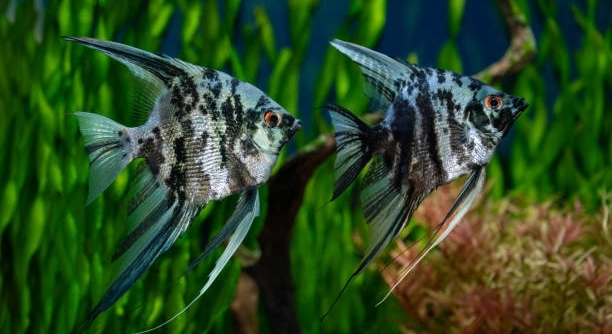
A properly maintained aquarium is essential for keeping angelfish healthy. Water temperature plays a major role in their well-being, and maintaining it at the right level is crucial. Too much heat can lead to various problems for these delicate fish.
Angelfish thrive best in temperatures between 75-80°F (24-27°C). If the water is too warm, it can cause stress, weaken immune systems, and even lead to premature death. Monitoring temperature closely is necessary to avoid these issues.
Recognizing these signs early can help prevent further complications and ensure your angelfish remain healthy in a stable environment.
Increased Aggression Among Angelfish
Angelfish are generally peaceful creatures, but higher temperatures can cause them to become more aggressive. This change in behavior may be more noticeable if they start fighting with each other or other tank mates. Elevated heat can stress them, making them more territorial and hostile, leading to unnecessary disputes. Stress-related aggression may also interfere with their ability to eat properly, which further affects their overall health.
When the water temperature is too high, angelfish may behave out of character. They might chase, nip, or display defensive postures that are not typical. Monitoring the temperature regularly and adjusting as needed can help avoid this behavioral shift. You can use a thermometer to ensure the tank stays within the optimal range.
If you notice a significant increase in aggression among your angelfish, it may be a sign that the tank’s temperature is too high. Reducing the temperature can help restore harmony and ensure the fish feel safe again.
Reduced Appetite
Higher temperatures can also lead to a loss of appetite in angelfish. They may become lethargic, refusing to eat as much as usual. This change is a direct result of stress caused by heat. When the water is too warm, their metabolism speeds up, and they may feel less inclined to eat.
Fish that are under stress from high temperatures may stop eating altogether, which weakens them over time. Malnourishment from not eating enough can make them more susceptible to diseases. Keeping the water temperature stable helps maintain their appetite, which is essential for keeping them healthy.
Consistently monitoring your tank’s temperature is key to ensuring your angelfish remain active and hungry. Adjusting the temperature can bring back their appetite, keeping them well-fed and less stressed.
Changes in Swimming Patterns
When the water temperature is too high, angelfish may change their swimming behavior. They could become more sluggish, often hovering near the surface or hiding in corners. This behavior is a sign that they are uncomfortable and stressed from the heat.
Angelfish are usually active swimmers, gracefully moving around the tank. However, higher temperatures can make them lethargic or less willing to explore. When you notice a shift in their usual swimming patterns, it could mean the water has become too warm. A sudden reduction in movement may also indicate that they are trying to find cooler areas to rest in.
The stress from excessive heat can lead to longer periods of immobility. This inactivity can result in decreased oxygen intake and a lack of energy, making it harder for your angelfish to maintain their health. Keeping the water temperature in the proper range helps prevent these troubling behaviors.
Cloudy or Discolored Skin
High water temperatures can also affect the appearance of your angelfish. If the water is too warm, their skin may become cloudy or discolored, signaling distress. This may be accompanied by changes in the fish’s overall condition.
Cloudy skin could indicate that your angelfish are struggling to adjust to the high temperature, as it can affect their immune systems. A weakened immune system makes them more susceptible to diseases and skin infections. Discoloration may also be a sign of poor water quality, which is exacerbated by heat.
By maintaining a stable and appropriate temperature, you ensure your angelfish can maintain their bright colors and healthy skin. Regular water changes, coupled with temperature control, can help avoid these issues.
Increased Mortality Rates
When the temperature rises too high, angelfish can experience a higher mortality rate. The stress from the heat weakens their immune systems, leaving them vulnerable to diseases. If the temperature remains consistently high, it can result in premature death.
Fish that are subjected to excessive warmth for extended periods may struggle to recover from illnesses, even with treatment. The stress caused by the high water temperature makes it harder for their bodies to fight off infections. If left unaddressed, this can lead to the sudden death of your angelfish.
Monitoring your tank’s temperature regularly and ensuring it stays within the proper range can prevent the loss of your angelfish. Consistent care and attention to temperature will help keep them healthy and thriving.
Reduced Oxygen Levels
High water temperatures can lead to lower oxygen levels in the tank. Warmer water holds less oxygen, which is crucial for your angelfish’s well-being. This can cause stress and make it harder for them to breathe properly.
As the temperature increases, your angelfish may start swimming closer to the surface, gasping for air. This behavior suggests that they are struggling to get enough oxygen. In a tank with reduced oxygen levels, fish may become lethargic and even develop respiratory issues.
Maintaining the proper water temperature ensures that your angelfish receive adequate oxygen. Adding aeration or a filter to the tank can also help improve oxygen exchange, preventing breathing issues.
FAQ
What is the ideal temperature for an angelfish tank?
The ideal water temperature for angelfish is between 75°F and 80°F (24°C to 27°C). Keeping the water within this range ensures the fish are comfortable and healthy. Temperatures above or below this range can lead to stress and other health issues. A reliable aquarium thermometer can help maintain the right temperature.
Can I use a heater to control the tank’s temperature?
Yes, using a heater is one of the best ways to control the water temperature in your tank. A reliable aquarium heater will help keep the water within the ideal range. It’s important to choose a heater that’s the right size for your tank and has a thermostat for temperature regulation.
How can I tell if the water is too warm for my angelfish?
If your angelfish show signs of increased aggression, lethargy, or swim near the surface, the water may be too warm. Additionally, cloudy or discolored skin, loss of appetite, and irregular swimming patterns are common signs of stress caused by high water temperatures.
What happens if my angelfish tank gets too warm?
If the tank becomes too warm, your angelfish can become stressed, leading to weakened immune systems, reduced appetite, and behavioral changes like aggression. Prolonged exposure to high temperatures can even lead to death due to the increased strain on their bodies.
Can I adjust the temperature gradually?
Yes, it’s important to adjust the temperature gradually to avoid shocking your angelfish. Rapid temperature changes can stress them further. A slow increase or decrease of about 1-2°F per hour is ideal for avoiding thermal shock.
How do I lower the temperature in my tank?
To lower the water temperature, you can reduce the temperature setting on your aquarium heater. If the tank is still too warm, you might consider adding cooler water in small amounts. You can also increase aeration with a filter or air stone, as this can help reduce the temperature.
Should I remove the heater if the water is too warm?
If the water temperature is too high, you may want to turn off the heater temporarily. However, it’s important to avoid turning it off completely, as fluctuations can stress your angelfish. Instead, adjust the heater or rely on other methods to cool the tank down gradually.
Can high temperatures cause diseases in angelfish?
Yes, high temperatures can make angelfish more susceptible to diseases. The heat weakens their immune system, making it harder for them to fight off infections. Maintaining stable temperatures within the recommended range helps prevent these health risks.
Can I use fans to cool down my tank?
Using fans can help cool down the water, but it’s not as effective as adjusting the temperature of the water directly. Positioning fans to blow air across the surface of the water can increase evaporation, which in turn can help lower the temperature slightly.
How often should I check the temperature?
It’s a good idea to check the water temperature at least once a day. If you live in an area with frequent weather changes, you may need to check it more often. A good aquarium thermometer with an external display can help you monitor temperature changes easily.
Is it safe to keep angelfish with other species in the same tank?
Yes, angelfish can be kept with other species, but it’s important to ensure that tank mates are compatible. Avoid aggressive or fast-moving species that may stress your angelfish. Always monitor water temperature and make sure all fish can thrive within the same conditions.
Can I use a cooling system in my tank?
Yes, a cooling system or chiller can be used to maintain the water temperature. These devices can be especially useful in warmer climates where high temperatures may be persistent. However, they can be more expensive and are usually recommended for larger aquariums.
How do I prevent temperature fluctuations in my tank?
To prevent fluctuations, keep your tank in a stable environment, away from direct sunlight, air conditioners, or heating vents. Using a high-quality heater with a built-in thermostat can help maintain a consistent temperature. Additionally, make sure the tank is not too crowded, as this can affect temperature stability.
What other signs should I watch for in stressed angelfish?
In addition to changes in swimming patterns and skin color, stressed angelfish may exhibit heavy breathing, rapid gill movement, or a decrease in activity. They may also hide more often or refuse to interact with other fish. All of these are signs that something in their environment is affecting them negatively.
What should I do if my angelfish are stressed from high temperatures?
If your angelfish are stressed due to high temperatures, begin by lowering the water temperature gradually. Check your filtration system to ensure it’s working properly. If the temperature doesn’t decrease on its own, consider adding cool water in small increments to bring it down safely.
Final Thoughts
Maintaining the right temperature in your angelfish tank is crucial for their overall well-being. Angelfish thrive in a water temperature range between 75°F and 80°F. If the water becomes too warm, they can experience stress, which leads to weakened immune systems, behavioral changes, and even death. Regularly monitoring the temperature with a reliable thermometer can help ensure that your fish remain healthy and active. Proper temperature control, combined with good water quality and a stable environment, is essential for maintaining a thriving aquarium.
Adjusting the water temperature is an important aspect of tank care. If you notice signs of stress in your angelfish, such as sluggish swimming, loss of appetite, or unusual skin changes, it’s worth checking the temperature. Keeping the temperature stable and avoiding rapid fluctuations is key. Use a heater with a thermostat to maintain consistent water conditions. In case of high temperatures, try using fans, increasing aeration, or adjusting your heater. If the water is too cold, you can slowly increase the temperature, but always avoid sudden changes to prevent additional stress on your fish.
While temperature is a primary factor in angelfish health, other environmental factors should not be overlooked. Good filtration and regular water changes help maintain a healthy environment. Additionally, keeping an eye on the behavior and condition of your fish allows you to address any issues early. Understanding the needs of your angelfish, including the importance of proper temperature regulation, can help you create a balanced, stress-free environment for them to thrive. By staying proactive and attentive, you can ensure that your angelfish live long, healthy lives in your aquarium.

Hello,
If you enjoy the content that we create, please consider saying a "Thank You!" by leaving a tip.
Every little bit helps us continue crafting quality advice that supports the health, happiness, and well-being of pets around the world, for pets of all shapes, sizes, and species.
We really appreciate the kindness and support that you show us!