
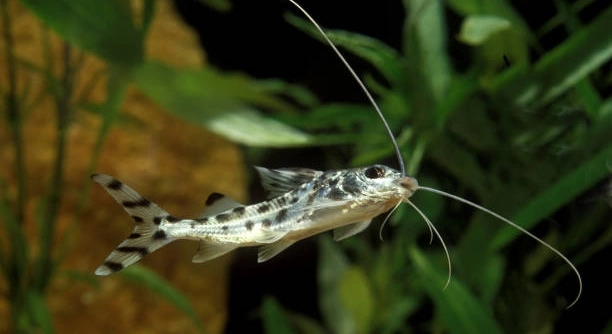
Introducing a second Pictus catfish to your aquarium can be a delicate process. These fish are known for their peaceful nature but may become stressed or territorial if introduced improperly. Careful steps help ensure harmony between them.
The safest way to introduce a second Pictus involves gradual acclimation, providing ample hiding spots, monitoring water quality closely, and observing fish behavior regularly. These measures reduce stress and aggression, promoting a balanced environment for both fish to coexist.
Following these guidelines will help maintain a peaceful tank and support your Pictus fish’s health and well-being. The right approach can make all the difference in a smooth introduction.
Prepare the Tank Properly
Before introducing a second Pictus, ensure the tank is well-established and spacious enough. A tank size of at least 30 gallons is recommended to provide enough room for both fish. Add plenty of hiding places such as caves, plants, or decorations. These create safe spots where fish can retreat if they feel threatened. Make sure the water conditions are stable, with proper filtration and regular maintenance. Pictus catfish are sensitive to sudden changes, so keeping the water clean and parameters consistent reduces stress. Check temperature, pH, and ammonia levels to match the needs of your fish. This preparation creates a comfortable environment, making the introduction process smoother and safer for both Pictus catfish.
Tank readiness is essential to avoid territorial disputes. Crowded or unprepared tanks often lead to stress and aggression.
A proper tank setup not only minimizes conflicts but also promotes the natural behavior of Pictus catfish. Providing hiding places and stable water conditions helps both fish feel secure. This setup supports their health and encourages peaceful coexistence. Taking time to prepare the tank carefully can prevent many common issues when introducing a new fish. It allows your Pictus to adjust gradually and settle into their environment without unnecessary stress or competition. Observing your fish’s reactions during this stage will guide your next steps in ensuring they thrive together.
Introduce Gradually and Monitor Closely
Start by placing the new Pictus in a separate container inside the tank for a few days. This allows both fish to see and smell each other without direct contact. This period helps them become familiar and reduces aggression when fully introduced. After this quarantine, slowly release the new fish into the tank while watching their behavior closely. Look for signs of stress or bullying, such as chasing or hiding excessively. Be ready to intervene by separating them if aggression becomes too intense. Frequent monitoring during the first week is critical to ensure the transition is smooth and both fish adapt well to sharing their space.
Maintain Water Quality Consistently
Clean water is vital for both Pictus catfish to stay healthy and reduce stress. Perform regular water changes and monitor parameters closely. Use a good filtration system to keep the tank environment stable and free from toxins.
Maintaining water quality prevents many common health problems in fish. Pictus catfish are especially sensitive to ammonia, nitrite, and nitrate levels, so these must be kept near zero. Regular water testing helps detect any imbalances early. Aim for weekly water changes of 20 to 30 percent, depending on tank size and bioload. Removing waste and uneaten food promptly also helps maintain water clarity and quality. A clean tank reduces the risk of disease and aggression caused by poor conditions, supporting peaceful coexistence between your fish.
Water temperature and pH should also remain stable. Sudden changes can cause stress and aggression. Keeping the environment consistent ensures both fish feel secure and behave naturally. Regular tank maintenance is essential when housing multiple fish, especially a new addition.
Provide Adequate Food and Feeding Space
Feeding time can cause competition, so offer enough food to prevent aggression. Spread food across different areas of the tank.
Feed a varied diet including sinking pellets, live or frozen foods like bloodworms and brine shrimp. Pictus catfish are bottom feeders, so sinking pellets are ideal. Distribute food evenly to ensure both fish get their share without fighting. Overfeeding should be avoided, as excess food pollutes the water and may increase aggression. Feeding small amounts multiple times a day can help manage food competition.
Ensure feeding areas are calm and not overcrowded. Observing feeding behavior can help detect if one fish is being bullied or not eating enough. If aggression occurs during feeding, try feeding the fish separately or using feeding rings to contain food in specific spots. Proper feeding practices support both fish’s health and reduce stress, making coexistence easier.
Watch for Signs of Stress
Stress can lead to health problems and aggression in Pictus catfish. Watch for hiding, loss of appetite, or unusual swimming patterns. Early detection helps prevent serious issues.
If one fish appears stressed, consider adjusting tank conditions or separating them temporarily. Reducing stress supports a peaceful environment and better health for both fish.
Avoid Overcrowding the Tank
Too many fish in one tank increase competition and territorial behavior. Keep the number of fish appropriate for the tank size to reduce conflict.
Overcrowding can cause poor water quality and stress. Providing enough space allows Pictus catfish to establish their own areas and minimizes aggressive encounters.
Use Hiding Spots Strategically
Place hiding spots evenly throughout the tank. This gives both fish safe retreats and reduces competition for shelter.
Hiding places help fish feel secure and lower stress levels. Distributing them properly prevents territorial disputes and encourages peaceful coexistence.
Be Patient During Introduction
Adjusting to a new tankmate takes time. Allow both fish to settle at their own pace without rushing the process.
FAQ
How long should I quarantine a new Pictus before introducing it?
Quarantine for at least two weeks in a separate tank or container before introducing the new Pictus. This period helps ensure the fish is healthy and free from diseases that could spread. It also gives both fish time to get used to each other’s presence without direct contact.
What tank size is ideal for two Pictus catfish?
A minimum of 30 gallons is recommended for two Pictus catfish. This size provides enough swimming space and territories, reducing the chance of stress or aggression. Larger tanks offer even more room to avoid territorial disputes.
Can Pictus catfish live peacefully with other fish species?
Yes, Pictus catfish are generally peaceful and can coexist with other non-aggressive fish. Avoid housing them with very small fish that could be seen as prey or very aggressive species that may harm them. Compatible tank mates include tetras, danios, and corydoras.
How do I know if the fish are getting along?
Signs of peaceful coexistence include relaxed swimming, sharing hiding spots without conflict, and normal feeding behavior. If you notice chasing, nipping, or one fish constantly hiding, it may indicate stress or aggression, requiring intervention.
What should I do if the fish fight?
If fighting occurs, separate the fish immediately to prevent injury. Check the tank setup for adequate hiding places and space. Try reintroducing them gradually after improving the environment. If aggression continues, consider keeping them in separate tanks.
How often should I feed two Pictus catfish?
Feed small amounts twice a day. This prevents overfeeding, which can pollute the water and cause health issues. Offering sinking pellets along with occasional live or frozen foods meets their nutritional needs.
Is it necessary to rearrange the tank before introducing a new Pictus?
Yes, rearranging decorations and hiding spots can help reduce territorial behavior. Changing the layout gives both fish a chance to establish new territories without feeling the need to defend previous ones.
What water parameters are best for Pictus catfish?
Ideal water temperature is between 72°F and 79°F (22°C to 26°C). The pH should be slightly acidic to neutral, around 6.5 to 7.5. Keep ammonia and nitrite levels at zero and nitrates below 20 ppm for optimal health.
Can Pictus catfish be introduced directly without acclimation?
No, direct introduction often leads to stress and aggression. Gradual acclimation, such as keeping the new fish in a separate container inside the tank for a few days, helps both fish adjust to each other’s presence safely.
What are the signs of illness in Pictus catfish after introduction?
Look for lethargy, loss of appetite, clamped fins, unusual swimming patterns, or visible spots and discoloration. Illness can be caused by stress or poor water conditions. Promptly addressing these signs helps prevent serious health problems.
How important are hiding spots for Pictus catfish?
Hiding spots are very important. They provide safety and reduce stress, especially during the introduction phase. Multiple hiding places prevent competition and allow fish to retreat if needed, supporting a calm tank environment.
What should I do if one Pictus is bullying the other?
Increase hiding places and feeding spots to reduce competition. If bullying persists, separate the fish temporarily. Sometimes, reintroducing them after some time apart helps, but in extreme cases, keeping them in different tanks is necessary.
How do I maintain water quality with two Pictus catfish?
Perform regular water changes of 20-30% weekly, use a good filter, and avoid overfeeding. Test water parameters frequently to ensure safe levels. Clean substrate and remove uneaten food promptly to keep water clean.
Are Pictus catfish nocturnal?
Pictus catfish are mostly active during the evening and night. They may hide during the day and become more active when lights are dimmed, so provide hiding spots where they can rest comfortably.
Can Pictus catfish tolerate a range of pH levels?
They prefer a stable pH between 6.5 and 7.5. Sudden changes or extreme pH levels can cause stress and health issues. Maintaining consistent water conditions is crucial for their well-being.
Is it normal for Pictus catfish to chase each other briefly?
Brief chasing may happen as part of establishing territory but should not be prolonged or aggressive. If chasing leads to injury or constant hiding, it is a sign of ongoing conflict that needs to be addressed.
This FAQ covers the most common concerns when introducing a second Pictus catfish. Following these guidelines helps maintain a healthy, peaceful aquarium environment for your fish.
Introducing a second Pictus catfish to your aquarium requires careful planning and patience. Ensuring that the tank is properly prepared and spacious enough helps reduce stress for both fish. Gradual acclimation and monitoring their behavior closely during the introduction phase are essential steps. Providing plenty of hiding spots and maintaining stable water conditions contribute significantly to a peaceful environment. Taking these precautions will help the new fish settle in without causing unnecessary tension or aggression.
Maintaining good water quality and feeding practices is equally important. Regular water changes and proper filtration keep the tank clean and healthy, which reduces the chance of disease and stress. Feeding both fish enough food in different areas of the tank prevents competition and aggression around feeding times. Observing their behavior during feeding and throughout the day allows you to spot any signs of stress or conflict early. If problems arise, acting quickly by adjusting the tank or separating the fish can prevent injury and long-term issues.
Overall, patience is key when introducing a new Pictus catfish. Every fish adapts at its own pace, and rushing the process can lead to unnecessary stress and conflict. By creating a stable, comfortable environment with enough space and hiding places, you give both fish the best chance to coexist peacefully. Careful observation and consistent maintenance will support their health and well-being. Taking the time to do things correctly will result in a calm, thriving aquarium where your Pictus catfish can live happily together.

Hello,
If you enjoy the content that we create, please consider saying a "Thank You!" by leaving a tip.
Every little bit helps us continue crafting quality advice that supports the health, happiness, and well-being of pets around the world, for pets of all shapes, sizes, and species.
We really appreciate the kindness and support that you show us!