
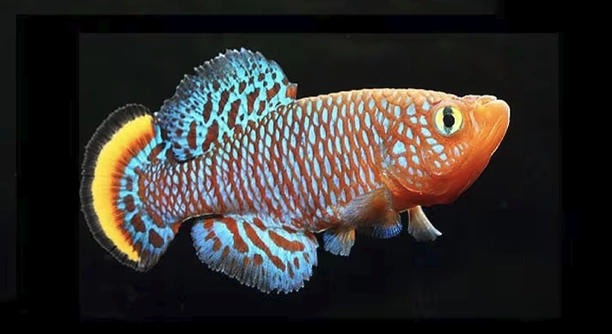
Many killifish owners enjoy watching their fish spawn, but sometimes the activity suddenly stops. This change can be confusing and disappointing after seeing such hopeful signs. Understanding why this happens helps keep your killifish healthy and happy.
Killifish may stop spawning due to changes in water conditions, stress, insufficient nutrition, or the natural breeding cycle ending. Maintaining stable temperature, clean water, and a balanced diet supports continuous spawning behavior.
Knowing these key factors will help you manage your tank better and encourage your killifish to spawn more consistently. This article will explain the common reasons behind spawning stops and how to address them.
Understanding Killifish Spawning Behavior
Killifish have unique spawning habits that can vary depending on their species and environment. They typically lay eggs on plants, substrate, or spawning mops in the tank. These fish are sensitive to water quality, temperature, and lighting changes, all of which affect their willingness to spawn. When conditions are stable, they often show clear signs of breeding activity, like chasing and nest building. However, even small shifts in their surroundings can cause them to stop spawning. Sometimes, the stop is natural, as killifish have breeding cycles and rest periods. Recognizing these cycles and maintaining good care practices is essential. Feeding a varied diet rich in live or frozen foods can boost their breeding drive. Patience and attention to detail are necessary because killifish do not spawn continuously, and their behavior can change with age or stress.
Stress plays a big role in halting spawning. Sudden tank changes, overcrowding, or aggressive tank mates may cause it.
Keeping track of your killifish’s environment helps you spot issues early. Consistency is key to encouraging repeat spawning.
Water Quality and Its Impact on Spawning
Water quality is one of the most important factors affecting killifish spawning. Ammonia, nitrites, or high nitrate levels can stress the fish and prevent breeding. Frequent water changes and proper filtration are necessary to keep the tank clean and stable. The water temperature should also be within the species’ preferred range, often between 72°F and 78°F (22°C to 26°C). Sudden fluctuations in temperature or pH can disrupt their spawning cycle. Regular testing helps catch any water issues before they become a problem. Using soft, slightly acidic water often works best for many killifish species. Clean, well-maintained water mimics their natural habitats and promotes healthy behavior. By focusing on water quality, you create a safe space that encourages your killifish to spawn regularly. Avoiding chemicals like copper-based medications is also important, as these can harm eggs and fry.
Proper water management will support a successful breeding environment and reduce the chance of spawning stopping unexpectedly.
Nutrition and Its Role in Spawning
Killifish need a nutritious diet to stay healthy and breed. Poor nutrition can cause spawning to stop.
Providing live foods like brine shrimp, daphnia, or bloodworms boosts their energy and breeding readiness. Frozen foods are a good alternative if live options aren’t available. Feeding small amounts several times a day mimics their natural feeding habits and keeps them in good condition. A varied diet ensures they get enough protein, vitamins, and minerals. Overfeeding should be avoided, as leftover food can harm water quality. Proper nutrition supports egg development and increases spawning frequency. Sometimes, adjusting the diet can restart spawning after a pause.
If your killifish stop spawning, improving their diet is a simple, effective step. This change often leads to quicker recovery and renewed activity in the tank.
Tank Setup and Spawning Success
Tank conditions affect spawning more than many realize. Overcrowded tanks or lack of hiding spots increase stress, causing spawning to stop. Including plenty of plants or spawning mops gives fish safe places to lay eggs. Keeping males and females in the right ratio prevents aggression and helps breeding. Lighting should mimic natural day and night cycles to encourage normal behavior. A quiet, stable environment reduces stress and improves overall health. Small tanks need careful management, as water quality can decline fast. Regular tank maintenance and thoughtful setup directly support spawning success and fish well-being.
Breeding Cycle and Rest Periods
Killifish naturally have breeding cycles with rest periods. These breaks help them recover and prepare for the next spawn.
Forcing continuous spawning can stress the fish and harm their health. Patience during rest times is important for long-term success.
Stress Factors Affecting Spawning
Stress from loud noises, sudden movements, or aggressive tank mates can stop spawning. Minimizing disturbances creates a calmer environment, which encourages breeding.
Temperature Fluctuations and Spawning
Consistent water temperature is essential. Sudden drops or rises can interrupt spawning behavior and cause stress. Maintaining stable temperature helps keep killifish active and ready to breed.
Importance of Patience
Killifish don’t always spawn regularly. Sometimes, it takes time for conditions to improve and for fish to resume breeding naturally.
FAQ
Why did my killifish spawn and then stop suddenly?
Killifish often stop spawning due to changes in water quality, stress, or natural breeding cycles. Even small shifts in temperature, pH, or tank conditions can cause them to pause. Stress from tank mates, overcrowding, or loud noises can also play a role. Sometimes, they simply need rest to recover energy before spawning again.
How long do killifish rest between spawning periods?
Rest periods vary depending on the species and environment. Some killifish may rest for a few days to a few weeks before spawning again. This break helps them rebuild energy and maintain health. Forcing them to breed continuously can cause stress and shorten their lifespan.
Can poor water quality stop spawning?
Yes, poor water quality is one of the most common reasons spawning stops. High ammonia or nitrite levels are toxic and stressful for fish. Even elevated nitrates can discourage breeding. Regular water changes and proper filtration are key to maintaining a healthy environment.
What’s the ideal water temperature for killifish spawning?
Most killifish prefer temperatures between 72°F and 78°F (22°C to 26°C). Temperature outside this range can slow metabolism and reduce breeding behavior. Stability is crucial, so avoid sudden changes that might stress your fish.
How important is diet in killifish spawning?
Diet is very important. Killifish need a balanced mix of proteins and nutrients to support egg production. Live foods like brine shrimp or bloodworms stimulate spawning behavior. Frozen or high-quality pellet foods can supplement their diet but should not be the only source.
Can tank setup affect killifish breeding?
Definitely. Killifish need places to hide and lay eggs, such as plants or spawning mops. Overcrowded tanks increase stress and can stop spawning. Having the right male-to-female ratio reduces aggression, improving breeding chances.
Is it normal for killifish to stop spawning after a while?
Yes, this is normal. Killifish have natural cycles and may stop spawning for rest or due to age. As they get older, spawning frequency can decrease. Proper care can extend their breeding life but some pauses are expected.
Should I separate killifish eggs after spawning?
Separating eggs depends on the species and your goals. Some killifish are egg layers and don’t eat their eggs, while others might eat them. Using spawning mops makes it easier to collect eggs and protect them from adults.
How can I reduce stress in my killifish tank?
Keep the environment calm by avoiding sudden loud noises or rapid movements near the tank. Maintain stable water conditions and avoid overcrowding. Choose peaceful tank mates or keep killifish in a species-only tank for less stress.
What if my killifish spawn but eggs don’t hatch?
Failed hatching can be due to poor water conditions, fungal infections, or eggs not being fertilized properly. Ensuring clean water and proper temperature helps. Sometimes, eggs need specific drying or soaking cycles depending on species.
Can lighting affect spawning?
Yes, natural day-night lighting cycles help regulate killifish behavior. Too much light or inconsistent schedules can disrupt breeding patterns. Using a timer to mimic natural light cycles supports regular spawning.
Is it necessary to mimic the natural habitat for spawning?
Mimicking natural conditions, like soft, slightly acidic water and dim lighting, improves spawning success. Killifish come from diverse habitats, so researching your specific species’ needs helps create the best environment.
How often should I feed my killifish during spawning periods?
Feeding small amounts two to three times daily is best. This keeps them nourished without overfeeding. Live foods are especially beneficial during breeding to encourage energy and fertility.
Will changing water too often affect spawning?
Frequent water changes are important but doing them too abruptly or with water that has different parameters can stress fish. Use water conditioners and match temperature and pH to the tank to avoid shocks.
Can temperature drops during the night affect spawning?
Slight temperature drops at night are natural and often beneficial. However, large or sudden drops can stress killifish and interrupt spawning. Keep nighttime temperatures steady and close to daytime levels.
How long does it take for killifish eggs to hatch?
Egg hatching times vary by species, usually between 7 to 21 days. Some species have eggs that can survive drying for a while before hatching when placed in water again. Knowing your killifish species’ specifics helps in caring for eggs properly.
Killifish spawning can be exciting to watch, but it is normal for them to stop at times. This pause is often part of their natural cycle or a response to changes in their environment. Understanding the reasons behind this behavior helps you take better care of your fish. By keeping water quality stable, providing good nutrition, and reducing stress, you create conditions that encourage your killifish to spawn regularly. It is important to remember that killifish are sensitive creatures and their behavior can be affected by small changes you might not notice right away. Patience and attention are key to keeping them healthy and active.
Taking care of killifish means maintaining a balanced environment where they feel safe and comfortable. This includes regular water changes, proper tank setup, and feeding them a varied diet that supports their energy needs. Sometimes, even when everything seems right, they may stop spawning for a while. This could be due to rest periods, which help them recover and prepare for the next spawning cycle. Trying to rush or force spawning can cause unnecessary stress and harm their health. It is better to provide consistent care and give them time to adjust naturally.
Overall, killifish spawning requires a thoughtful approach and patience. Observing your fish closely and understanding their needs will help you recognize when changes are needed. Spawning stops are not always a problem but often a signal that something in their environment needs attention or that they simply need a break. Keeping a calm, stable tank environment and feeding well will give your killifish the best chance to breed successfully over time. With steady care, you can enjoy watching your killifish grow and reproduce at their own healthy pace.

Hello,
If you enjoy the content that we create, please consider saying a "Thank You!" by leaving a tip.
Every little bit helps us continue crafting quality advice that supports the health, happiness, and well-being of pets around the world, for pets of all shapes, sizes, and species.
We really appreciate the kindness and support that you show us!