
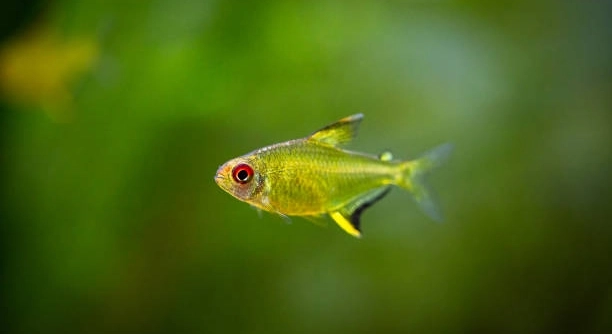
Lemon tetras are small, lively fish that brighten any freshwater aquarium. Their playful swimming and bright colors make them popular among hobbyists. Observing them can be enjoyable, though sometimes their behavior may seem a little aggressive.
Lemon tetras nip at each other primarily due to establishing hierarchy, limited space, or stress. Crowded conditions or lack of hiding spots often trigger minor aggression, while natural schooling instincts can lead to occasional chasing and fin nipping.
Understanding these behaviors can help you maintain a calmer, healthier aquarium. Adjusting tank conditions and observing their interactions closely can improve harmony among your lemon tetras.
Common Reasons Lemon Tetras Nip
Lemon tetras often nip at each other because of social dynamics in their tank. These small fish have natural pecking orders, and establishing dominance is normal, especially among males. Overcrowding can make this behavior worse, as limited swimming space increases tension. Stress from sudden changes in water conditions, such as temperature swings or poor filtration, can also make them more irritable. Even diet can play a role—if they lack proper nutrition, they may become restless or aggressive. Providing enough plants, hiding spots, and open swimming areas can reduce nipping incidents. Observing your tetras carefully helps you notice patterns and adjust tank conditions. Sometimes, minor fin nipping is harmless, but if it escalates, it can injure fish or make them more susceptible to disease. Creating a stable environment with consistent care is key to keeping lemon tetras calm and social.
Lemon tetras are generally peaceful, and most nipping is temporary if their tank environment is suitable.
Maintaining proper tank size, keeping water clean, and avoiding overcrowding are essential steps. Adding decorations and plants gives them security. Feeding a varied diet helps reduce stress, keeping their interactions mostly playful rather than aggressive.
Managing Aggression
Observing which fish are most aggressive can help prevent ongoing issues.
Separating overly aggressive fish or adjusting tank layout can ease tension. Regular monitoring ensures fin damage doesn’t become serious.
When aggression persists, small changes in the tank setup can make a big difference. Adding more space or rearranging decorations can disrupt established territorial patterns. Grouping tetras in slightly larger schools helps spread out aggression, while keeping the water temperature and chemistry stable reduces stress. Avoid sudden changes in lighting or décor, which can trigger chasing behavior. Feeding consistently and providing hiding spots keeps all fish occupied and less likely to pick on each other. Even introducing new plants or decorations gradually can help maintain peace. If a particular tetra continues to nip excessively, temporary isolation may be necessary until behavior stabilizes. Understanding their natural instincts and carefully managing their environment ensures lemon tetras remain healthy, vibrant, and relatively peaceful companions in your aquarium.
Tank Conditions That Affect Nipping
Water quality directly impacts lemon tetra behavior. Dirty water or incorrect pH levels can make them stressed and more likely to nip at each other. Maintaining clean, stable water is crucial to keep aggression low and fish healthy.
Proper filtration, regular water changes, and consistent monitoring reduce stress significantly. Temperature swings or sudden changes in water parameters can trigger chasing behavior. Tank decorations like plants, rocks, and hiding spots give fish areas to retreat, reducing confrontations. Even lighting matters; too bright or inconsistent light can make tetras skittish. Overcrowding is another common issue, so ensure enough space for all fish to swim comfortably. Adjusting these conditions can help reduce fin nipping over time.
Feeding habits also influence aggression. Underfed tetras or inconsistent feeding schedules can lead to restlessness and more nipping. Providing a balanced diet in small, frequent portions keeps them engaged and reduces stress. Observing their behavior regularly helps identify problems early.
Group Dynamics and Social Behavior
Schooling size affects how lemon tetras interact. Small groups tend to show more aggression, while larger schools spread out dominance behaviors and reduce overall nipping.
A minimum of six to eight lemon tetras is recommended to encourage natural schooling behavior. In small groups, dominant fish focus aggression on weaker individuals, which can lead to injuries. Adding extra fish disperses attention and creates a calmer environment. Each tetra has its own personality, and observing interactions helps determine if any fish need temporary isolation. Proper group size, combined with enough swimming space, hiding spots, and stable tank conditions, ensures the school remains balanced. Monitoring their behavior over time allows adjustments to tank setup and group composition to minimize stress and maintain harmony within the aquarium.
Diet and Its Role in Aggression
An inconsistent or poor diet can make lemon tetras restless and more likely to nip at each other. Feeding them a balanced mix of flakes, frozen, or live foods keeps them healthy and reduces stress-related aggression.
Overfeeding can also cause issues. Uneaten food pollutes the water, increasing stress levels and tension among fish. A consistent feeding routine ensures all tetras get enough nutrition without overwhelming the tank with debris. Monitoring how much they eat and adjusting portions helps maintain calm behavior and supports overall health.
Signs of Stress
Stress in lemon tetras can trigger fin nipping. Rapid swimming, hiding, or color fading are common indicators.
Monitoring behavior closely allows for early intervention. Adjusting tank conditions or providing more space helps calm stressed fish.
Introducing New Fish
Adding new tetras can disrupt the social balance. Newcomers may be chased or nip at existing fish until the school adjusts.
Proper quarantine and gradual introduction reduce aggression. Observing interactions ensures no fish are injured during integration.
Providing Hiding Spots
Hiding spots help lemon tetras escape aggressive peers. Plants, caves, and decorations create safe spaces for retreat.
Why do lemon tetras nip at each other so often?
Lemon tetras nip mainly because of social hierarchy and stress. In smaller groups, dominant fish may chase others to assert control. Stress from poor water quality, overcrowding, or lack of hiding spots can make them more aggressive. Even minor changes in tank setup can trigger brief nipping episodes.
Is fin nipping dangerous for lemon tetras?
Minor fin nipping usually isn’t dangerous and can stop on its own. However, constant or severe nipping can damage fins, leading to infections or slow healing. Observing the tank closely helps catch serious injuries before they become a problem.
How can I reduce nipping in my tank?
Providing enough space and hiding spots is essential. Larger schools spread out aggression and reduce stress. Keeping water clean and consistent, feeding a balanced diet, and avoiding sudden changes in temperature or décor also helps maintain calmer interactions.
Does tank size affect aggression?
Yes, smaller tanks increase competition for space, which often leads to more nipping. Lemon tetras need open swimming areas combined with plants or decorations to feel secure. A spacious tank allows natural schooling behavior and lowers tension.
Can diet influence nipping behavior?
A proper diet reduces restlessness. Underfed tetras may chase others out of hunger, while overfeeding pollutes the water, causing stress. Feeding small, frequent portions of varied foods keeps fish engaged and healthy, which limits aggressive behavior.
Do all lemon tetras behave aggressively?
Not all tetras nip frequently. Some are naturally calmer, and aggression often depends on group size, tank conditions, and individual personalities. Observing interactions over time helps identify which fish need extra attention or temporary isolation.
How should I introduce new fish to a lemon tetra school?
New fish should be quarantined first to prevent disease. Introduce them gradually, preferably with visual barriers at first. Monitor closely to ensure no one is overly harassed. Rearranging decorations slightly can help reset territories and reduce early conflicts.
Are plants and decorations really necessary?
Yes, they create hiding spots and break lines of sight, helping fish escape aggression. Dense plants or small caves allow timid tetras to feel safe, which lowers stress levels and reduces nipping incidents.
When should I separate fish due to aggression?
If a fish is constantly chased, injured, or bleeding, temporary separation is necessary. Use a small divider or separate tank until behavior calms. Most tetras adjust over time, but persistent aggression may require permanent changes in tank setup or group composition.
Can stress alone trigger nipping?
Stress is a major factor in fin nipping. Sudden changes in water, temperature, lighting, or overcrowding can trigger aggressive behavior. Keeping a stable environment and monitoring behavior regularly minimizes stress and helps maintain a peaceful aquarium.
Is schooling size important for reducing nipping?
Yes, lemon tetras do best in groups of six or more. Smaller groups concentrate aggression on weaker fish, while larger schools distribute social pressure more evenly. Adequate group size combined with enough space keeps interactions mostly playful rather than harmful.
How often should I monitor my tank for signs of aggression?
Daily observation is ideal. Watch for chasing, fin damage, or hiding behavior. Early detection allows quick adjustments, whether changing tank layout, feeding routines, or isolating aggressive fish, which helps keep the community healthy and reduces injuries.
Does water quality have an immediate effect on behavior?
Poor water quality can quickly stress fish. Elevated ammonia, nitrite, or nitrate levels, or sudden pH changes, often trigger chasing or fin nipping. Regular testing, partial water changes, and good filtration keep the tank stable and fish calm.
Can rearranging the tank help reduce nipping?
Yes, rearranging plants, rocks, or décor can disrupt established territories, giving dominant fish less control and reducing harassment. Even small changes can reset social dynamics and help new or timid fish integrate safely.
How long does it take for aggressive behavior to calm down?
It depends on group size, tank setup, and individual personalities. Minor nipping may stop in days once the environment stabilizes, while persistent aggression might take weeks. Patience and careful adjustments usually resolve most issues without drastic measures.
Is it normal for males to be more aggressive?
Yes, male lemon tetras often establish dominance through chasing and nipping. Providing adequate space, hiding spots, and larger schools can reduce male-on-male aggression and prevent injuries.
What should I do if a fish is injured from nipping?
Remove the injured fish if bleeding or fin damage occurs. Treat with aquarium-safe antibacterial solutions if needed. Ensure the tank remains clean, and monitor the fish’s recovery to prevent infections or further attacks.
Do nipping behaviors ever stop completely?
Most nipping decreases once the school establishes a stable hierarchy and environmental stressors are managed. Occasional chasing may continue but usually doesn’t harm fish if water quality, tank size, and group dynamics are maintained.
Can lighting affect aggression?
Yes, sudden bright lights or inconsistent lighting can stress fish, making them more likely to nip. Stable, moderate lighting helps maintain normal behavior patterns and reduces tension among tetras.
Is it necessary to change tank setup when aggression appears?
Often small adjustments, like adding hiding spots or rearranging décor, are sufficient. Major changes are rarely needed if water quality, group size, and feeding routines are already adequate. Observing how fish respond to modifications helps guide further actions.
How do I know if aggression is natural or a problem?
Minor chasing within a school is normal. Problematic aggression involves repeated fin damage, constant chasing, or injured fish. Observing interactions and noting injuries or stress behaviors allows you to distinguish normal social behavior from harmful aggression.
Can lemon tetras live peacefully with other fish despite nipping tendencies?
Yes, peaceful community fish are usually fine if tank conditions are stable, group size is adequate, and hiding spots are available. Ensuring compatible species and monitoring interactions helps maintain a calm, mixed aquarium.
How can I prevent future nipping incidents?
Maintaining water quality, adequate space, balanced diet, hiding spots, and proper group size are key. Gradual introductions of new fish and careful observation ensure a stable environment, reducing stress and the likelihood of aggressive behavior recurring.
Are there signs that indicate a fish may always be aggressive?
Some fish display consistent dominance or fin biting. Persistent aggression despite ideal conditions may indicate an incompatible personality. Temporary isolation or permanent separation from the group may be necessary to protect other fish and preserve a healthy tank environment.
How does schooling behavior affect feeding times?
In large schools, competition is distributed, reducing stress-related nipping. Feeding small portions to different areas of the tank ensures all fish eat, preventing aggressive chasing or crowding during meals. This helps maintain calm and balanced interactions.
Can stress from other species trigger nipping?
Yes, aggressive tankmates or fast-moving species can stress lemon tetras. Timid fish may chase or nip others as a defensive response. Choosing compatible species and providing hiding spots reduces stress and minimizes secondary aggression.
Is it necessary to treat minor fin damage immediately?
Minor tears often heal on their own in clean, stable water. Observation is key, and treatment is only needed if damage worsens or infection occurs. Maintaining optimal tank conditions supports natural recovery.
Do lemon tetras establish permanent hierarchies?
They establish temporary hierarchies that adjust over time. New fish or environmental changes can temporarily disrupt dominance, causing short-term nipping, which usually settles once the group stabilizes.
Can water temperature fluctuations increase aggression?
Yes, sudden temperature changes stress tetras, making them more prone to chasing and fin nipping. Keeping water stable within the ideal range ensures calmer interactions and reduces incidents of aggression.
Is it normal for nipping to increase during breeding?
Yes, breeding behavior can heighten aggression as males compete for mates or territory. Providing extra hiding spots and space helps reduce injuries and allows natural breeding behavior without serious harm.
What is the best way to monitor aggression over time?
Regular observation, noting chasing incidents, fin damage, and hiding behavior, helps track aggression trends. Adjusting tank conditions or social dynamics based on these observations maintains a calm, healthy environment for lemon tetras.
How long should new fish be quarantined?
A two-week quarantine is standard to prevent disease and allow adjustment. This period also reduces stress-related aggression when they enter the main tank, helping maintain harmony within the school.
Does adding more plants always help reduce nipping?
Generally, yes. Plants provide hiding spaces and reduce line-of-sight dominance, lowering aggression. Dense plant arrangements help timid fish feel secure and give aggressive fish less direct control over the tank environment.
How can I tell if aggression is caused by stress or social hierarchy?
Stress-induced aggression often appears suddenly after environmental changes, poor water quality, or overcrowding. Social hierarchy aggression is usually consistent and involves chasing to establish dominance within the school. Observing timing and patterns helps determine the cause.
Can aggressive behavior affect overall health?
Yes, constant stress or injuries can weaken the immune system, making fish more prone to disease. Addressing aggression quickly and maintaining optimal tank conditions supports both physical and mental health for lemon tetras.
Do lemon tetras ever resolve conflicts naturally?
Yes, once hierarchies stabilize and environmental stressors are minimized, minor chasing usually decreases. Most schools settle into a balanced social structure, with occasional playful chasing that doesn’t harm other fish.
What role does water flow play in aggression?
Strong currents can stress tetras, increasing nipping and chasing. Moderate, consistent water flow helps fish swim naturally without triggering unnecessary aggression or stress.
Can rearranging tank mates reduce aggression?
Sometimes moving more active or aggressive species to another tank reduces stress on tetras. Separating incompatible fish or adjusting school composition ensures a calmer, healthier community environment.
How important is consistent tank maintenance in controlling nipping?
Regular water changes, filter cleaning, and monitoring parameters are crucial. Consistency reduces stress, minimizes aggression, and supports healthy behavior, making nipping incidents less frequent and less severe.
Are there behavioral signs that predict future aggression?
Persistent chasing, constant fin biting, and territorial behavior often indicate a fish may remain aggressive. Early observation allows for preventative measures, including isolation or tank adjustments, to protect the school and prevent injury.
Can temperature, lighting, and water quality combined influence aggression?
Yes, multiple stressors together intensify nipping. Stable temperature, consistent lighting, and clean water collectively reduce stress, helping maintain peaceful social dynamics and minimizing conflicts within the aquarium.
Do lemon tetras ever become aggressive for no reason?
Most aggression has a cause, like social hierarchy, stress, or environmental changes. Observing patterns usually reveals triggers, allowing you to address them and reduce unnecessary nipping incidents effectively.
Is it normal for aggression to fluctuate over time?
Yes, periods of increased nipping often correspond to environmental changes, growth, or introduction of new fish. Calm periods usually follow once the group adjusts and stressors are minimized.
How long does it take for a tank to stabilize after adding new fish?
Stabilization typically takes a few days to weeks. Providing hiding spots, gradual introduction, and monitoring behavior helps the school settle and reduces aggression over time.
Can tank layout changes cause temporary aggression spikes?
Yes, rearranging décor can disrupt territories and provoke short-term chasing. This usually settles once fish adjust to the new setup, and minor aggression often diminishes without intervention.
Are there signs that aggression has become dangerous?
Bleeding, torn fins, constant chasing, and hiding indicate serious aggression. Immediate action, such as isolation, tank adjustments, or medical care, may be necessary to protect affected fish.
Do all lemon tetras eventually learn their place in the hierarchy?
Yes, most fish adapt over time. Once hierarchies are established and the environment is stable, chasing decreases, and fish coexist peacefully with only occasional minor skirmishes.
Can stress from other tanks or external factors affect nipping?
Yes, vibrations, loud noises, or sudden movements outside the tank can startle fish and trigger temporary aggression. A stable, quiet environment helps reduce these incidents.
How can I maintain a peaceful lemon tetra community long-term?
Consistent water maintenance, proper diet, adequate space, hiding spots, appropriate group size, and careful observation of fish interactions keep aggression low. Early intervention when problems arise ensures a calm, healthy aquarium for lemon tetras to thrive.
Do lemon tetras respond differently to aggression at different ages?
Younger tetras may be more playful but less harmful. Adults tend to establish stable hierarchies, and aggression usually becomes more predictable. Observing age-related behaviors helps manage tank dynamics and prevents injuries.
How does disease affect nipping behavior?
Sick or weak fish may be chased more often, while illness can also make a fish more irritable. Maintaining a healthy tank and quarantining new fish prevents disease-related aggression.
Can adding decorations temporarily increase aggression?
Yes, adding new items can disrupt established territories, triggering short-term chasing. However, this usually settles as fish adjust, and the decorations provide long-term hiding spots and security.
Is it better to intervene immediately or wait when nipping occurs?
Minor, occasional nipping can often resolve naturally. Intervene if injuries occur or aggression persists. Monitoring behavior ensures timely action without unnecessary stress to the fish.
Do water parameters need to be perfect to reduce aggression?
Perfect conditions aren’t necessary, but stability is crucial. Sudden changes in temperature, pH, or cleanliness trigger stress-related aggression, while consistent conditions support calmer, healthier social interactions.
Can environmental enrichment reduce aggression?
Yes, plants, caves, and varied swimming spaces provide stimulation and reduce boredom. Engaged fish are less likely to nip, promoting a peaceful and balanced aquarium community.
Does tank color or background influence behavior?
Yes, darker backgrounds and muted colors can make fish feel more secure. Brighter environments may increase stress or visibility of rivals, potentially triggering chasing or nipping behaviors.
How often should I check for fin damage?
Daily observation is ideal, especially in new setups or after adding fish. Early detection prevents infections and allows intervention before aggression escalates or injuries worsen.
Can aggression in lemon tetras ever be completely eliminated?
While minor chasing is natural, proper care, stable environments, and adequate group size minimize harmful aggression. Most tanks achieve calm social behavior without eliminating occasional playful nipping.
Does aggression impact feeding behavior?
Yes, stressed or aggressive fish may chase others during feeding. Providing multiple feeding spots and consistent portions helps prevent competition and reduces nipping during meals.
Are male tetras more likely to nip than females?
Males often show more dominance and chasing behavior. Providing extra space, hiding spots, and larger schools helps balance male aggression and prevents excessive injuries.
How long should new tank setups be monitored for aggression?
At least the first few weeks. Fish need time to establish territories and social hierarchies. Consistent observation ensures minor issues don’t escalate into serious problems.
Can adding too many plants backfire?
Overcrowding with plants can reduce swimming space, causing stress and competition. Balance decorations with open areas to allow free movement while providing hiding spots for security.
Do lemon tetras ever display aggression toward their own reflection?
Some fish may react to reflections in glass, especially under strong lighting. Minimizing reflective surfaces or adjusting lighting reduces this type of stress-induced nipping.
Is temporary isolation stressful for fish?
If done carefully, isolation reduces injuries and allows recovery. Provide proper hiding, stable water, and minimal disturbance to limit stress during temporary separation.
How long should aggressive fish remain isolated?
Until injuries heal or behavior stabilizes, usually several days to a week. Monitor closely and reintroduce gradually to prevent renewed aggression.
Does tank shape affect aggression?
Yes, long or narrow tanks can create bottlenecks, increasing competition. Square or well-planted tanks with open swimming areas help disperse aggression and allow natural schooling behavior.
Can different species coexisting influence nipping frequency?
Yes, fast-moving or territorial species can increase stress and trigger nipping. Choosing compatible species and providing hiding spots minimizes interspecies aggression.
Is monitoring water temperature more important than other parameters?
Temperature is one of several crucial factors. Stability in pH, ammonia, nitrite, and nitrate levels is equally important for preventing stress-related aggression in lemon tetras.
How can I tell if aggression is due to overcrowding?
Frequent chasing, fin damage, and limited swimming space indicate overcrowding. Reducing fish numbers or increasing tank size alleviates stress and lowers aggression levels.
Do lemon tetras ever fight over territory?
Yes, especially males or new fish. Providing ample space, hiding spots, and plant cover helps diffuse territorial disputes and reduces injury risk.
Can regular observation change fish behavior?
Observing daily helps you detect subtle signs of stress or aggression. Adjustments made based on these observations often prevent minor nipping from escalating into serious problems.
How important is consistency in feeding times?
Very important. Regular feeding reduces stress and prevents competition-related aggression, keeping social dynamics calmer and interactions more predictable.
Does tank water movement influence aggression?
Strong currents can stress fish and provoke chasing. Moderate, stable flow allows natural swimming behavior without unnecessary conflict.
Are there signs that aggression is worsening over time?
Increasing fin damage, constant chasing, hiding, and visible injuries indicate escalating aggression. Immediate adjustments in tank setup or temporary isolation are needed to prevent harm.
Can lemon tetras recover from repeated nipping?
Yes, if injuries are minor and water conditions are stable. Providing hiding spots, proper diet, and monitoring interactions ensures recovery and prevents long-term health issues.
Is group size more important than tank size?
Both matter. Adequate space prevents crowding, while proper group size spreads out social pressure. Together, they reduce aggression and support natural schooling behavior.
Does lighting intensity affect fin nipping?
Bright or inconsistent lighting can stress fish and increase nipping. Moderate, steady lighting supports calm behavior and helps maintain peaceful interactions.
How can I tell if nipping is playful or harmful?
Playful chasing is brief and rarely causes injury. Harmful nipping involves repeated biting, fin damage, or visible bleeding. Observation helps distinguish between normal social behavior and aggression needing intervention.
Do lemon tetras always nip during breeding?
Breeding can increase chasing, especially among males. Providing extra hiding spots and space allows natural breeding behavior without causing serious injury to the school.
Are there long-term consequences of repeated aggression?
Yes, repeated stress and injuries can weaken immunity, slow growth, and increase susceptibility to disease. Maintaining stable conditions and reducing aggression protects health.
Can rearranging decorations frequently cause stress?
Yes, constant changes disrupt territories and can trigger chasing. Minimal, gradual adjustments are best to avoid unnecessary aggression.
Do water hardness and pH influence aggression?
Sudden changes in pH or water hardness can
Lemon tetras are small fish, but they have strong personalities. Watching them swim in a well-maintained tank can be very rewarding. At the same time, their occasional nipping can be frustrating for anyone who wants a peaceful aquarium. It is important to remember that nipping is a natural behavior. It usually happens because of social hierarchy, stress, or environmental factors. Not all nipping is harmful, and many minor incidents are part of how lemon tetras interact with each other. Understanding why they nip helps you respond appropriately and create a calmer, healthier tank.
Maintaining good tank conditions is one of the most effective ways to reduce aggression. Clean water, stable temperature, and proper filtration keep fish healthy and less stressed. Providing enough swimming space and hiding spots allows fish to establish their territories without constantly chasing each other. Group size also matters—smaller groups tend to show more aggression, while larger schools spread out social pressure. Feeding a balanced, consistent diet is equally important. Underfed fish may become restless, while overfeeding can pollute the water and increase tension. By paying attention to these details, many nipping problems can be prevented before they start.
Even with the best care, some nipping is normal and will continue occasionally. The goal is to manage aggression so it does not lead to injuries or stress. Observing the fish closely, noticing patterns, and adjusting the tank as needed are all part of responsible care. New additions or changes in decorations may temporarily increase nipping, but fish usually adapt over time. Sometimes temporary isolation of aggressive individuals is necessary, but it should be done carefully to minimize stress. Ultimately, keeping lemon tetras requires patience and attention to their needs. With consistent care, proper tank conditions, and observation, your lemon tetras can live together peacefully, allowing their colors and movement to brighten your aquarium without ongoing problems.

Hello,
If you enjoy the content that we create, please consider saying a "Thank You!" by leaving a tip.
Every little bit helps us continue crafting quality advice that supports the health, happiness, and well-being of pets around the world, for pets of all shapes, sizes, and species.
We really appreciate the kindness and support that you show us!