
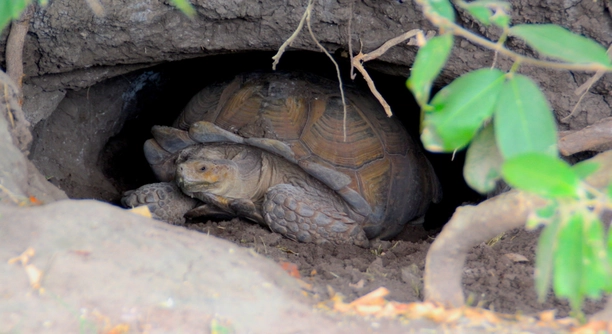
Sulcata tortoises are hardy animals, but keeping them in humid climates presents unique challenges. Their care requires extra attention to environmental factors like temperature and humidity. Ensuring their well-being in such conditions is crucial.
When keeping Sulcata tortoises in humid climates, it is important to manage their habitat’s temperature, humidity, and shelter. Providing a dry area for basking, proper ventilation, and appropriate substrate are key to maintaining a healthy living space for the tortoise.
Proper care and attention to these factors will create a more comfortable environment for your tortoise, helping to maintain their health and happiness.
Humidity Control Is Key
Keeping the right humidity level in your tortoise’s habitat is essential. In a humid climate, it’s easy for the environment to become too wet, which can lead to health issues like shell rot or respiratory infections. The humidity level should be closely monitored, ideally between 50% and 70%. Too much moisture can create a breeding ground for bacteria, while too little can cause dehydration.
Humidity can be controlled through a combination of techniques. Using a humidity gauge can help you monitor the levels and adjust accordingly. A simple way to increase humidity is by adding a shallow water dish, or by misting the enclosure with water. However, excessive moisture can still lead to issues, so it’s important to create a balance.
Another important factor is proper ventilation. Make sure there’s enough airflow to prevent the enclosure from becoming too humid. Adding ventilation holes or a small fan can help with air circulation. Keeping the right balance of humidity and airflow can prevent many common health issues for your tortoise.
Shelter and Basking Area
Providing an appropriate basking area is essential for Sulcata tortoises in humid climates. This allows them to regulate their body temperature. A dry, warm spot in the habitat lets them get the heat they need while avoiding excess moisture.
Proper Substrate Choices
Choosing the right substrate can help maintain the balance of humidity in your tortoise’s habitat. It should retain some moisture without becoming soggy, which could lead to problems like mold or excess humidity. Natural materials such as coconut coir or cypress mulch are often preferred for their ability to hold moisture without staying too wet.
Cypress mulch, in particular, is an excellent option as it maintains a good level of moisture while preventing mold growth. It also provides a natural environment that mimics the tortoise’s natural habitat. Avoid using substrates like sand or gravel, as they can dry out the environment too much or cause issues with your tortoise’s health.
If you prefer a more natural approach, you can also use a combination of substrates to keep the right moisture levels. Adding a layer of leaves or grass hay on top of your main substrate can help absorb excess moisture while keeping the habitat comfortable for your tortoise.
Temperature Regulation
Maintaining the right temperature is equally as important as humidity. Tortoises are cold-blooded and rely on their environment to regulate their body temperature. In humid climates, you’ll need to monitor both the basking area and the cooler parts of the enclosure.
A heat lamp can provide the necessary warmth in one section of the enclosure, typically the basking area. This will allow the tortoise to move between hot and cool areas as needed. Ensure that the temperature gradient ranges from 80°F to 95°F in the basking area and stays cooler in the rest of the habitat.
Thermometers placed in different areas of the enclosure will help ensure that the tortoise has a proper range of temperatures to choose from. This prevents overheating while allowing your tortoise to regulate its body temperature.
Clean Water Supply
Fresh, clean water is a must for Sulcata tortoises. In humid climates, you may need to change the water more often to prevent bacteria buildup, especially with the higher moisture levels. Keep a shallow water dish that’s easy for your tortoise to drink from.
Consider placing the water dish away from the basking area to prevent it from getting too dirty. Water should be cleaned daily, and the dish should be sanitized regularly to prevent any mold or bacteria growth. Fresh water also aids in digestion, ensuring that your tortoise stays healthy.
Adequate Shelter
A well-designed shelter helps protect your tortoise from excessive moisture and provides a place to rest. A hide can give your tortoise a break from the heat or humidity, allowing it to feel safe and secure. Proper shelter also helps maintain temperature regulation.
Ensure that the shelter has proper ventilation to allow airflow without letting too much humidity build up. The material should be durable and easy to clean, like wood or a plastic tub, which prevents moisture retention. A shelter that’s too humid can cause skin or respiratory issues.
UVB Lighting
In humid climates, natural sunlight can sometimes be limited, so adding UVB lighting is essential. UVB light helps your tortoise synthesize vitamin D3, which is needed for calcium absorption. Without proper UVB exposure, your tortoise can suffer from bone disease.
Place the UVB light in the basking area, where your tortoise spends most of its time. Make sure it’s close enough for your tortoise to benefit from the UVB rays but not too close to cause overheating. Change the bulb regularly to ensure its effectiveness.
FAQ
What should the humidity level be for Sulcata tortoises in humid climates?
The ideal humidity for Sulcata tortoises in humid climates should be between 50% and 70%. This range allows your tortoise to stay hydrated without causing excess moisture that could lead to health problems. Monitoring the humidity regularly with a gauge will help you stay on track.
How can I prevent shell rot in a humid climate?
Shell rot is a common issue in humid climates if moisture levels aren’t managed properly. To prevent it, ensure that your tortoise’s shelter stays dry and that it has a warm, dry basking area. Keep the substrate at a good moisture level—moist but not soaking wet—and remove any wet bedding immediately. Regularly check your tortoise’s shell for signs of decay or infection, such as soft spots or unusual discoloration.
Can I use sand or gravel as a substrate for Sulcata tortoises in humid climates?
It’s not recommended to use sand or gravel as the primary substrate in humid climates. Sand can dry out the environment, leading to dehydration or difficulty regulating humidity. Gravel doesn’t retain moisture and can create an uneven humidity level, which isn’t ideal for your tortoise’s health. Instead, use moisture-retaining substrates like cypress mulch or coconut coir, which help maintain the right humidity.
How often should I clean my Sulcata tortoise’s water dish in a humid climate?
In humid climates, it’s crucial to clean your tortoise’s water dish daily. Higher humidity can cause moisture to gather in the dish, leading to bacterial growth or algae buildup. A clean water dish not only keeps the water fresh but also ensures your tortoise remains healthy and hydrated. Be sure to scrub the dish regularly to keep it free of bacteria.
What temperature should I maintain for Sulcata tortoises in a humid climate?
In a humid climate, maintaining a proper temperature gradient is essential. The basking area should range from 85°F to 95°F, and the cooler side of the enclosure should be around 75°F to 80°F. This gradient allows your tortoise to regulate its body temperature, moving to cooler or warmer areas as needed. A thermometer should be placed in various parts of the enclosure to ensure the proper temperature range is maintained.
Can I keep multiple Sulcata tortoises in the same habitat in a humid climate?
Sulcata tortoises are generally solitary creatures, so it’s not recommended to house multiple tortoises in the same enclosure. They can become territorial and may fight over space, food, or basking spots. If you do plan to house them together, make sure there is plenty of space and separate basking areas for each tortoise to prevent stress and conflict.
Do I need to supplement UVB lighting in a humid climate?
Yes, UVB lighting is essential even in humid climates. If natural sunlight is limited, adding a UVB bulb will ensure that your tortoise gets the necessary exposure to vitamin D3 for calcium absorption. Without it, your tortoise could develop metabolic bone disease, leading to weak bones and other health issues. Replace UVB bulbs every 6-12 months, as they lose effectiveness over time.
How can I control excess humidity in the enclosure?
Excess humidity can be controlled by adjusting your substrate, adding proper ventilation, and monitoring moisture levels. If you notice the humidity is too high, reduce misting and use a dehumidifier if necessary. Ensure your enclosure has adequate airflow to prevent moisture from accumulating, which can create a damp environment. Check the humidity levels regularly to prevent it from getting too high or low.
What are the signs of dehydration in Sulcata tortoises?
Signs of dehydration in Sulcata tortoises include sunken eyes, dry skin, and lethargy. Your tortoise may also become less active and stop eating. If you notice these symptoms, provide fresh water and increase humidity in the habitat to encourage drinking. In severe cases, you may need to soak your tortoise in warm water for a short period to help rehydrate it.
Is it necessary to provide a hide for my Sulcata tortoise in a humid climate?
Providing a hide is important for your Sulcata tortoise, regardless of climate. A hide gives your tortoise a place to retreat when it wants privacy, rest, or relief from excessive humidity or heat. It helps your tortoise feel secure and lowers stress levels. Ensure the hide is dry and provides enough space for your tortoise to move around comfortably.
How do I keep my Sulcata tortoise’s habitat clean in a humid climate?
Maintaining a clean habitat is essential to prevent health issues. Remove any soiled bedding or waste daily, as excess moisture can contribute to mold growth or bacterial infections. Clean the water dish every day and sanitize the enclosure once a week. Ensure proper ventilation to keep the air fresh and dry. Keeping the habitat clean will create a healthy living environment for your tortoise.
What should I do if my Sulcata tortoise starts showing signs of respiratory infection?
If your tortoise starts showing signs of a respiratory infection, such as wheezing, nasal discharge, or lethargy, consult a veterinarian immediately. Respiratory infections can be triggered by improper humidity or temperature. To prevent them, make sure the habitat conditions are consistent and optimal. Infected tortoises may require antibiotics or other treatments, so early intervention is crucial for a full recovery.
Final Thoughts
Taking care of a Sulcata tortoise in a humid climate requires some adjustments to create a healthy and comfortable environment. Maintaining the right humidity levels, temperature gradient, and proper ventilation are key factors in ensuring your tortoise stays happy and healthy. Monitoring these environmental conditions regularly will help you avoid common issues such as dehydration, shell rot, and respiratory infections. By staying attentive to their needs, you can create a habitat where your tortoise feels safe and thrives.
Along with providing the proper habitat, it’s essential to focus on other aspects of care like diet and hydration. Ensure your Sulcata tortoise is getting the right balance of foods, such as leafy greens, grasses, and occasional fruits. Keeping their water dish clean and making sure they are drinking regularly is also important, especially in a humid climate where they may be more prone to dehydration. Regularly soaking your tortoise in warm water can help maintain hydration and prevent any health issues. Additionally, offering a variety of safe, natural substrates can help regulate humidity and provide a more comfortable space.
Remember, the key to keeping a Sulcata tortoise in a humid climate is creating a balanced environment that mimics their natural habitat. With the right precautions and a little effort, your tortoise can live a long, healthy life. Regularly monitor their health, adjust the humidity levels when needed, and provide them with enough space and enrichment. Over time, you’ll become more familiar with their specific needs, making it easier to care for them in the long run.

Hello,
If you enjoy the content that we create, please consider saying a "Thank You!" by leaving a tip.
Every little bit helps us continue crafting quality advice that supports the health, happiness, and well-being of pets around the world, for pets of all shapes, sizes, and species.
We really appreciate the kindness and support that you show us!