
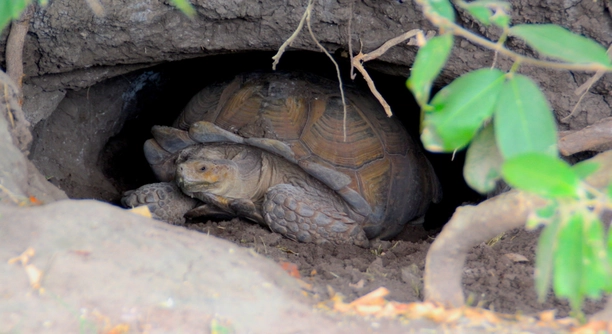
Sulcata tortoises are unique creatures, known for their size and distinct personalities. If your tortoise has started showing interest in eating rocks, this behavior may be more common than you think. It’s important to understand why this happens.
The primary reason your Sulcata tortoise may be eating rocks is likely due to a lack of necessary nutrients in its diet. Tortoises, particularly those in captivity, may ingest non-food items as a way to fulfill mineral deficiencies, especially calcium.
Understanding the possible causes of this behavior will help you address it and keep your tortoise healthy.
Reasons Behind Rock Eating Behavior
Sulcata tortoises, like other reptiles, rely heavily on their environment to meet their nutritional needs. When they start eating rocks, it can signal an imbalance in their diet. These tortoises require a variety of nutrients, particularly calcium, which is vital for their shell and bone health. If they aren’t receiving enough calcium from their food, they may instinctively seek out rocks to satisfy that need. Similarly, their diets might be lacking other important minerals, causing them to ingest non-food items as a form of self-regulation.
Calcium deficiencies in tortoises can lead to severe health issues, including metabolic bone disease, which affects their ability to grow properly and may cause deformities. It’s crucial to monitor their food intake and ensure it includes the right balance of nutrients.
Regularly feeding your Sulcata tortoise calcium-rich foods, such as leafy greens like collard greens and dandelion greens, and providing supplements can help prevent this behavior. In some cases, adding cuttlebone or a calcium block to their habitat can also aid in meeting their calcium needs.
Environmental Factors Influencing Rock Eating
In addition to dietary issues, the environment can play a role in encouraging your tortoise to eat rocks. If your Sulcata tortoise feels stressed or bored, it may resort to strange behaviors, including rock consumption. For example, a lack of space to roam or insufficient stimulation in their habitat could cause them to exhibit more unusual behaviors.
To address this, make sure your tortoise’s habitat offers a variety of enrichment. This includes space to explore, hiding places, and the opportunity to engage with different textures and objects. Providing natural elements, such as logs and plants, may encourage healthy foraging behavior and reduce the likelihood of rock consumption. A tortoise that feels secure and entertained is less likely to engage in harmful eating habits.
By enhancing their environment, you not only prevent rock eating but also promote overall well-being and happiness for your tortoise. Keep their surroundings interesting and comfortable to avoid behaviors caused by boredom or stress.
Signs Your Sulcata Tortoise Needs More Calcium
If your Sulcata tortoise is eating rocks, it’s often a sign of calcium deficiency. A key symptom of this is irregular or slow shell growth. If the shell feels soft or you notice any deformities, it’s time to reassess their diet. Weakness in their limbs or difficulty moving are also signs of calcium shortages.
Sulcata tortoises need a consistent calcium intake for proper shell and bone health. Without enough calcium, they might turn to alternative sources, like rocks, in a misguided attempt to fulfill that need. Inadequate sunlight or poor calcium supplementation can contribute to this problem.
An easy way to prevent calcium deficiency is to provide leafy greens, such as kale or mustard greens, and include a calcium supplement in their diet. You can also add a cuttlebone to their enclosure, which they can nibble on as needed. These changes should help correct the issue.
Managing Stress to Prevent Rock Eating
Stress can exacerbate unusual behaviors in tortoises, including eating rocks. If your Sulcata tortoise is stressed, it may begin displaying destructive behaviors, including chewing on objects that are not food. This stress might come from environmental factors like temperature fluctuations or the presence of predators.
To minimize stress, it’s important to maintain a stable and safe habitat. Ensure the temperature is within the correct range, and provide proper humidity levels. Sulcata tortoises also need a quiet space to retreat when feeling overwhelmed. By offering a secure environment, you reduce the chances of your tortoise turning to non-food items like rocks.
Consider adding hiding spots or visual barriers to reduce stress. A calm environment not only prevents rock eating but improves overall health and well-being for your tortoise. Keep their habitat as natural and stress-free as possible to ensure a happier, healthier life.
Proper Diet to Prevent Rock Eating
A balanced diet is essential to prevent your Sulcata tortoise from eating rocks. Ensure their meals include high-fiber plants and calcium-rich foods. Without the right nutrients, they may look elsewhere for what they’re missing, like rocks. A varied diet is key to their health.
Providing fresh, leafy greens, such as dandelion greens and collard greens, will support calcium levels. Offering a small amount of fruit occasionally can also provide variety. Avoid overfeeding high-protein foods like animal-based products, as they can lead to imbalances. It’s best to focus on natural, plant-based foods that mimic their natural diet.
Monitoring Your Tortoise’s Behavior
If your tortoise continues eating rocks, it’s important to monitor their behavior closely. Sudden changes in appetite or rock consumption might be a sign that something is wrong. Keep an eye on their overall health, shell condition, and activity levels to spot any worrying signs early on.
Changes in their behavior, such as lethargy or lack of movement, may indicate that there is a deeper issue at play, such as an underlying illness or imbalance in their diet. These signs are not to be ignored. It’s essential to consult with a veterinarian if symptoms persist.
Keeping the Habitat Clean and Safe
Regularly cleaning your Sulcata tortoise’s habitat will reduce the chances of them eating inappropriate items. Rocks and other debris can build up, making it tempting for your tortoise to chew on them. Ensure their enclosure is safe and free of harmful objects that they might try to consume.
FAQ
Why does my Sulcata tortoise eat rocks?
Sulcata tortoises may eat rocks if they are lacking essential nutrients, particularly calcium. This behavior is often a sign of calcium deficiency. When they don’t get enough calcium from their food, they might try to satisfy that need by ingesting non-food items like rocks. Inadequate nutrition or insufficient UVB light can also contribute to this issue.
What are the signs of calcium deficiency in a Sulcata tortoise?
Signs of calcium deficiency include soft or deformed shells, difficulty moving, and weakness in the limbs. If your tortoise’s shell is soft or has irregularities, it’s a clear indication that something is wrong with their calcium intake. They may also appear lethargic or show signs of discomfort when moving.
How can I prevent my Sulcata tortoise from eating rocks?
To prevent rock eating, ensure your tortoise is getting a balanced diet rich in calcium. Feed them calcium-rich leafy greens such as collard greens, dandelion greens, and kale. You can also add a calcium supplement to their food or provide a cuttlebone in their enclosure. Additionally, maintaining proper UVB lighting will help with calcium absorption.
Is it safe for my Sulcata tortoise to eat rocks?
No, eating rocks is not safe for Sulcata tortoises. Rocks can cause gastrointestinal blockages, digestive problems, or even physical injuries to their internal organs. The behavior is a sign that the tortoise is not getting the proper nutrition it needs, and addressing the underlying issue is crucial for their health.
How much calcium should I be giving my Sulcata tortoise?
A Sulcata tortoise should receive a calcium supplement at least twice a week. For a more natural approach, offering calcium-rich leafy greens daily should help. You can also provide a calcium block or cuttlebone in their enclosure so they can nibble on it as needed. The right balance of calcium is vital for their shell health.
Can stress cause my Sulcata tortoise to eat rocks?
Yes, stress can lead to abnormal behaviors in Sulcata tortoises, including rock eating. A stressed tortoise may engage in behaviors like chewing on non-food objects as a way to cope. Stressors could include improper temperatures, loud environments, or lack of space to roam. Reducing stress in their environment can help prevent this behavior.
What type of diet is best for my Sulcata tortoise?
A proper diet for a Sulcata tortoise includes high-fiber plants, leafy greens, and grasses. Avoid feeding them high-protein or high-fat foods. Foods like dandelion greens, collard greens, and hay should make up the bulk of their diet. Limited fruits are fine as occasional treats. Calcium-rich foods are particularly important.
How do I know if my Sulcata tortoise is getting enough UVB light?
If your Sulcata tortoise is not getting enough UVB light, it may develop calcium deficiency symptoms, such as a soft shell or poor bone health. Ensure their enclosure is equipped with a proper UVB light that covers the entire habitat. The light should be replaced every six months, as it loses effectiveness over time.
How can I improve my Sulcata tortoise’s environment to stop rock eating?
To prevent rock eating, create a suitable environment that includes ample space to roam and hide. Provide natural elements like logs, rocks, and plants to simulate their natural habitat. Make sure the temperature and humidity levels are within the proper range. A well-structured habitat will help keep your tortoise comfortable and reduce the likelihood of stress-induced behaviors.
What should I do if my Sulcata tortoise continues eating rocks despite dietary changes?
If dietary changes and environmental improvements don’t stop your Sulcata tortoise from eating rocks, it’s important to consult with a veterinarian. Continuous rock eating may indicate a more serious health issue, such as a digestive problem or an underlying illness. A vet can help diagnose and address the problem.
Final Thoughts
It’s important to recognize that when your Sulcata tortoise is eating rocks, it’s likely trying to fulfill a need that’s not being met through its diet. Often, this behavior stems from a lack of essential nutrients, especially calcium. A proper, balanced diet that includes high-calcium greens like collard greens, dandelions, and kale is essential. You should also consider providing a calcium supplement or a cuttlebone in their enclosure. This ensures that your tortoise is getting the right nutrients to maintain its health.
Along with a well-balanced diet, proper lighting is just as crucial. UVB light helps with calcium absorption and supports overall health. Ensure that your tortoise is getting enough UVB exposure to maintain its bone structure and avoid deficiencies. If you’re unsure whether your setup is adequate, check the UVB light’s output and replace it regularly to make sure it stays effective. Regular veterinary check-ups are also important to catch any potential issues early, especially if your tortoise continues to exhibit unusual behaviors like eating rocks.
Finally, maintaining a stress-free environment is key. Sulcata tortoises are sensitive to changes in their surroundings. A noisy environment or improper temperature and humidity levels can cause stress, which may lead to unusual behaviors, including eating rocks. Create an environment where your tortoise feels safe and comfortable by giving it enough space to roam and explore. Monitor your tortoise’s behavior and overall health regularly. If the behavior persists despite dietary and environmental adjustments, a visit to the vet can help ensure there are no underlying medical concerns. Taking these steps will help ensure that your tortoise stays healthy and happy for years to come.

Hello,
If you enjoy the content that we create, please consider saying a "Thank You!" by leaving a tip.
Every little bit helps us continue crafting quality advice that supports the health, happiness, and well-being of pets around the world, for pets of all shapes, sizes, and species.
We really appreciate the kindness and support that you show us!