
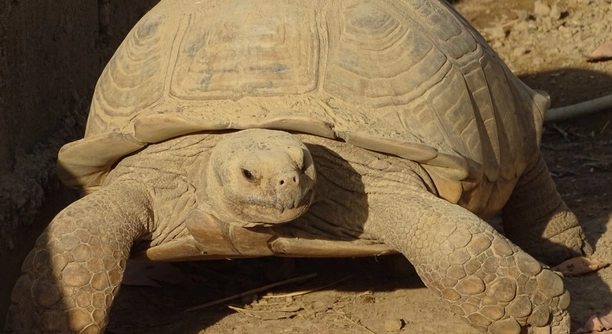
Can sulcata tortoises eat dates, or should they be avoided? Understanding their dietary needs is essential to keeping them healthy. If you are considering adding dates to their diet, it is important to know whether they are safe.
Sulcata tortoises should not eat dates. These fruits contain high amounts of sugar, which can cause digestive issues and contribute to obesity. A diet high in fiber and low in sugar is crucial for maintaining a healthy digestive system in sulcata tortoises.
Feeding the right foods helps prevent long-term health problems. While some fruits are safe in moderation, dates are best avoided. Learning which foods support a sulcata tortoise’s well-being ensures they receive the proper nutrition for a balanced diet.
Why Dates Are Not Suitable for Sulcata Tortoises
Dates contain a high concentration of sugar, which makes them unsuitable for sulcata tortoises. Their digestive systems are designed for fibrous, low-sugar foods like grasses and hay. Too much sugar can lead to digestive upset, fermentation in the gut, and potential long-term health issues. Additionally, the sticky texture of dates can be difficult for tortoises to chew and digest properly. This can lead to choking hazards or blockages in their digestive tract. While many fruits are safe in small amounts, dates do not provide the necessary nutrients sulcata tortoises need. It is best to focus on foods that align with their natural diet.
A diet high in sugar can cause weight gain and metabolic problems in sulcata tortoises. Their bodies are not adapted to process sugary foods, making it essential to avoid feeding them fruits like dates.
If you want to give your tortoise occasional treats, stick to safe fruits like small amounts of berries or cactus pads. These options have lower sugar content and offer some nutritional benefits without harming digestion. Always prioritize fiber-rich foods that support gut health and overall well-being.
Safe Alternatives to Dates
Sulcata tortoises thrive on a diet that closely resembles what they would eat in the wild. Instead of dates, offer them leafy greens, grasses, and edible weeds. These provide the fiber and nutrients they need without the risks associated with sugary fruits.
High-fiber foods like Timothy hay, dandelion greens, and hibiscus leaves are excellent choices for sulcata tortoises. Cactus pads are another great option, as they contain essential vitamins and hydration without excess sugar. Some vegetables, such as squash and bell peppers, can also be included occasionally. If you want to offer fruit as a rare treat, opt for small amounts of strawberries, apples (without seeds), or melons. These contain less sugar than dates and are easier for tortoises to digest. However, even safe fruits should only be fed sparingly to prevent imbalances in their diet.
Providing the right diet ensures your sulcata tortoise stays active and healthy. By choosing fibrous, nutrient-rich foods and avoiding high-sugar options like dates, you help support their long-term well-being.
Risks of Feeding Dates to Sulcata Tortoises
Dates contain excessive sugar, which can disrupt a sulcata tortoise’s digestive system. Their bodies are not built to handle sugary foods, leading to bloating, diarrhea, or an imbalance in gut bacteria. Regular consumption can also contribute to obesity, making movement and overall health more difficult.
The sticky texture of dates poses a choking hazard, especially for tortoises that struggle with chewing tougher foods. When ingested, the dense sugar content ferments in the gut, potentially leading to gas buildup and discomfort. Unlike their natural diet of dry, fibrous plants, dates offer little nutritional value and can increase the risk of dietary imbalances. Sulcata tortoises rely on high-fiber foods to maintain proper digestion, and feeding them sugary fruits can disrupt this balance. It is best to avoid offering dates entirely to prevent unnecessary health issues.
A diet too rich in sugar can also affect their shell development. Excess sugar reduces calcium absorption, which can lead to metabolic bone disease. Over time, this can result in shell deformities, making movement more difficult and causing long-term damage. To ensure your tortoise stays healthy, focus on nutrient-dense foods that support strong bones, proper digestion, and overall well-being.
How to Maintain a Balanced Diet for Your Sulcata Tortoise
A proper diet consists mostly of high-fiber, low-sugar foods that support digestion and overall health. Grasses, hay, and leafy greens should make up the majority of their meals. Occasional vegetables provide variety, while calcium sources like cuttlebone help with shell strength. Fruits should be extremely limited.
Feeding a wide range of safe plants prevents nutritional deficiencies. Bermuda and orchard grass are excellent daily staples, while weeds like dandelion and plantain offer additional vitamins. Vegetables like squash and zucchini can be included in small amounts, adding moisture and beneficial nutrients. Proper hydration is also essential, so always provide fresh water. Cactus pads are a great option, offering both hydration and fiber. Supplements like calcium powder can help prevent deficiencies, ensuring strong bones and a well-formed shell. Consistently providing a balanced diet will promote longevity and prevent unnecessary health complications.
Signs of Poor Diet in Sulcata Tortoises
A diet high in sugar or low in fiber can cause digestive issues like diarrhea, bloating, or loss of appetite. Weight gain or lethargy may indicate an imbalance, while a lack of calcium-rich foods can result in soft shells or improper growth.
Shell deformities, weak limbs, and sluggish movement can signal nutritional deficiencies. If a tortoise shows signs of malnutrition, adjusting its diet quickly is essential. Providing a fiber-rich diet with proper calcium levels helps maintain a strong shell, healthy digestion, and an active lifestyle.
Adjusting Your Tortoise’s Diet for Better Health
Making dietary changes gradually prevents digestive upset. Slowly introduce more grasses, hay, and leafy greens while reducing fruits or starchy vegetables. Avoid processed foods, high-sugar fruits, or excessive protein, as these can cause long-term health problems. Ensuring proper hydration and adding calcium supplements will further support their growth and overall well-being.
Final Thoughts on Feeding Dates
Dates do not offer the nutrients sulcata tortoises need and can cause digestive problems. Sticking to a high-fiber, low-sugar diet is the best way to maintain their health. Prioritizing the right foods will keep them active, strong, and free from unnecessary health risks.
FAQ
Can sulcata tortoises eat dried dates?
Dried dates are even higher in sugar than fresh ones, making them an unhealthy choice for sulcata tortoises. Their digestive systems are not designed to process sugary foods, and consuming dried dates can cause bloating, diarrhea, and weight gain. It is best to avoid them entirely.
What happens if my sulcata tortoise eats a date by accident?
A single date is unlikely to cause severe harm, but it may lead to temporary digestive issues. Keep an eye on your tortoise for signs of bloating, diarrhea, or reduced appetite. Ensure they have access to fresh water and plenty of fiber-rich foods to help their digestion return to normal.
Are there any safe fruits for sulcata tortoises?
Fruits should be extremely limited in a sulcata tortoise’s diet due to their sugar content. If given at all, occasional small pieces of cactus fruit, prickly pear, or berries are better options. These fruits have a lower sugar content compared to dates and provide hydration. However, a diet focused on grasses and leafy greens is always the best choice.
How often should I feed my sulcata tortoise?
Sulcata tortoises should have access to fresh grasses and hay daily. Leafy greens and vegetables can be provided a few times per week in small amounts. Overfeeding rich foods, including fruits, can lead to health problems, so it’s important to keep portions balanced.
Can baby sulcata tortoises handle sugar better than adults?
No, baby sulcata tortoises have even more sensitive digestive systems and require a strictly fiber-rich diet for proper growth. Too much sugar can disrupt their digestion, interfere with calcium absorption, and increase the risk of metabolic bone disease. Avoid feeding them any dates or other sugary foods.
Why do tortoises need a high-fiber diet?
Sulcata tortoises are natural grazers, meaning their bodies are built to digest fibrous plants. Fiber helps maintain a healthy digestive system, prevents bloating, and supports overall gut health. Without enough fiber, they may develop digestive blockages or other complications.
What should I do if my sulcata tortoise refuses to eat grasses?
If your tortoise is avoiding grasses, try mixing them with small amounts of leafy greens to encourage eating. Slowly reducing the greens over time can help them adjust. Ensuring they are properly hydrated and have access to different types of grass may also improve their eating habits.
Can sulcata tortoises eat store-bought hay?
Yes, high-quality hay such as timothy, orchard, or Bermuda grass is a great dietary staple. Make sure it is free from pesticides, mold, and additives. Hay provides essential fiber and mimics their natural grazing habits, keeping their digestive system healthy.
Are there any common foods that are toxic to sulcata tortoises?
Yes, certain foods can be harmful to sulcata tortoises. Avoid feeding them spinach, iceberg lettuce, rhubarb, avocado, and processed foods. These can interfere with calcium absorption or contain toxic compounds that may harm their health. Stick to safe, natural plants.
How can I provide enough calcium for my sulcata tortoise?
Calcium is crucial for shell and bone health. Offering cuttlebone, calcium powder, or calcium-rich greens like dandelion and turnip greens can help prevent deficiencies. Ensuring proper UVB lighting is also essential, as it allows them to absorb calcium effectively.
Final Thoughts
Sulcata tortoises thrive on a diet rich in fiber, primarily consisting of grasses and hay. While they may be curious about sweet foods like dates, their digestive systems are not built to handle high sugar content. Feeding dates, even in small amounts, can lead to digestive discomfort, weight gain, and long-term health issues. Their diet should always focus on foods that mimic their natural grazing habits, ensuring they receive the proper nutrients to maintain a healthy shell, strong bones, and a well-functioning digestive system. Sticking to safe, low-sugar foods is the best way to support their long-term health.
A well-balanced diet plays a key role in preventing common health issues in sulcata tortoises. Foods that are too sugary, high in oxalates, or lacking in fiber can cause problems like metabolic bone disease, bloating, and poor digestion. By providing a consistent diet of nutrient-rich grasses, hays, and occasional leafy greens, you can help your tortoise maintain a strong immune system and proper shell growth. Fresh water should always be available to aid digestion and prevent dehydration. If you are ever unsure about a specific food, it is best to research thoroughly or consult a reptile veterinarian before offering it to your tortoise.
Caring for a sulcata tortoise means making thoughtful choices about their diet, habitat, and overall well-being. Avoiding foods like dates, which do not align with their natural dietary needs, is a simple yet important way to keep them healthy. Providing a proper diet, along with adequate UVB lighting and a spacious environment, allows them to thrive for many years. Paying close attention to their eating habits and adjusting their diet when necessary ensures they receive the nutrition they need. With the right care, a sulcata tortoise can live a long and healthy life, bringing enjoyment and companionship for decades.

Hello,
If you enjoy the content that we create, please consider saying a "Thank You!" by leaving a tip.
Every little bit helps us continue crafting quality advice that supports the health, happiness, and well-being of pets around the world, for pets of all shapes, sizes, and species.
We really appreciate the kindness and support that you show us!