
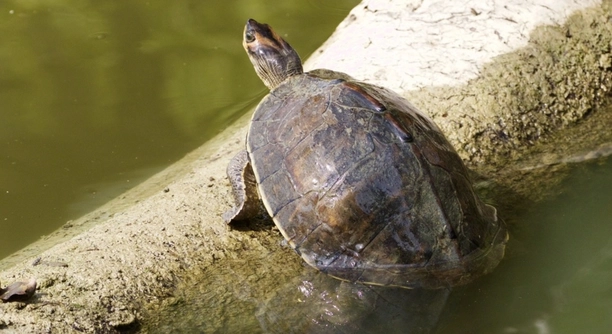
If you are caring for an Indian Roofed Tortoise, it’s essential to understand how to identify early signs of sickness. Early detection can make a significant difference in their health and well-being.
Recognizing early signs of illness in an Indian Roofed Tortoise involves observing for symptoms such as loss of appetite, lethargy, and unusual behavior. These signs may indicate underlying health problems, requiring prompt attention to ensure proper care and treatment.
Understanding these symptoms will help ensure that your tortoise remains healthy and happy. Recognizing changes early can make a significant difference in their recovery.
Identifying Symptoms of Illness
An Indian Roofed Tortoise may display subtle signs of illness. Pay attention to changes in their behavior, such as excessive hiding, slower movements, or a lack of interest in food. Shell discoloration or swelling can also be warning signs. Dehydration is another concern, which might manifest in dry skin or sunken eyes. These symptoms suggest that the tortoise might be dealing with an infection or environmental stress.
If you notice any of these signs, immediate action is necessary. Make sure to check the tortoise’s environment for temperature and humidity imbalances, which can contribute to health problems. A healthy habitat is essential for prevention.
In many cases, dehydration and improper diet lead to health complications. Tortoises depend on specific environmental conditions and a balanced diet to thrive. Ensuring proper hydration and the right food can prevent a number of illnesses. Regular check-ups with a veterinarian can also help catch potential problems early.
Environmental Factors Impacting Health
Proper habitat setup is crucial for the well-being of your Indian Roofed Tortoise. Ensure that they have a clean, spacious enclosure with access to both a dry area and a basking spot.
Inadequate lighting, temperature fluctuations, or poor substrate can cause stress or sickness in tortoises. They need access to UVB light to metabolize calcium and support shell growth. Without it, they may develop metabolic bone disease, which weakens their bones and shell. Maintaining the correct temperature gradient is also vital for their digestion. If it’s too cold, your tortoise may lose its appetite, become sluggish, or develop respiratory issues.
Regularly monitor your tortoise’s enclosure to ensure they have everything they need to remain healthy. Proper setup not only helps avoid illness but also promotes a happy, active life.
Recognizing Behavioral Changes
If your tortoise becomes unusually lethargic or stops eating, it could be a sign of illness. A healthy tortoise is active and shows interest in its surroundings. Lack of movement or interaction is a red flag, as this could indicate stress or discomfort.
Behavioral changes often point to underlying issues like temperature imbalances, stress, or infections. If a tortoise is not moving around or eating, check for external factors like humidity or improper lighting. Stress from handling, overcrowding, or noisy environments can also affect their behavior.
Changes in their movement may indicate pain or discomfort. Monitor the tortoise’s physical condition, especially their shell. If there are any signs of swelling, cracks, or changes in shape, it’s time to consult a vet. Early diagnosis can prevent further complications.
Shell Issues to Look Out For
A healthy tortoise should have a smooth, hard shell without any soft spots or cracks. If the shell becomes soft, it may be a sign of a calcium deficiency or poor nutrition. Infections can also cause the shell to become discolored or damaged.
Always keep an eye on the condition of your tortoise’s shell. It should be free of fungus, mold, or signs of injury. Regular exposure to proper lighting, particularly UVB, supports the hardening of the shell. If you notice any unusual changes, it’s essential to take immediate action to avoid permanent damage.
If shell issues persist, it’s vital to adjust your tortoise’s diet and habitat. A lack of UVB light or calcium can be corrected with supplements, but consistent care is necessary to restore their health.
Dehydration Signs
Dehydration in a tortoise can be easily spotted by dry skin, sunken eyes, or a lack of urination. A well-hydrated tortoise is more active and responsive.
Ensure your tortoise has constant access to fresh water. Additionally, misting the enclosure and providing a soaking dish can help maintain proper hydration. Dehydration can lead to severe health issues if not addressed.
Maintaining a Balanced Diet
A proper diet is crucial for your tortoise’s health. Offer a variety of leafy greens, occasional fruits, and the right type of pellets or supplements for a balanced meal.
Monitor your tortoise’s eating habits. A lack of appetite or refusal to eat certain foods may indicate health problems or deficiencies.
FAQ
What are the common signs that my Indian Roofed Tortoise is sick?
Common signs include lethargy, loss of appetite, unusual behavior, and changes in shell appearance. If your tortoise is avoiding food or is more inactive than usual, it might indicate health issues. Keep an eye out for any visible signs like swelling, cracks, or discoloration on the shell as well.
How do I know if my tortoise is dehydrated?
Dehydration in a tortoise is often marked by dry, flaky skin, sunken eyes, or a lack of urination. If your tortoise isn’t drinking or shows these signs, make sure they have access to water and a moist environment. Misting the habitat and offering a shallow water dish for soaking can help.
How can I prevent my tortoise from getting sick?
The best prevention includes maintaining a proper habitat with correct temperature, humidity, and UVB lighting. Providing a balanced diet rich in leafy greens and appropriate supplements is also key. Regularly clean the enclosure to prevent bacterial buildup and monitor your tortoise for any changes in behavior or health.
What should I do if my tortoise stops eating?
If your tortoise refuses food, check the temperature and humidity levels in their environment. An imbalance could be making them uncomfortable. If the issue persists, it could be a sign of illness or stress, and a vet visit may be necessary to rule out infections or other health problems.
Can stress affect my tortoise’s health?
Yes, stress can lead to a weakened immune system, making your tortoise more prone to illnesses. Stress may result from an overcrowded habitat, improper handling, or environmental changes. Ensuring a calm, stable environment is essential for their well-being.
How often should I check my tortoise’s shell?
Regularly inspect your tortoise’s shell for signs of damage, discoloration, or softness. Healthy shells should be smooth, hard, and without cracks. A soft shell can indicate a calcium deficiency, while visible cracks or injuries may require immediate veterinary attention.
What is the right temperature for my tortoise’s enclosure?
Indian Roofed Tortoises need a basking spot around 90°F (32°C) and a cooler area around 75°F (24°C). The temperature gradient allows them to regulate their body heat. The basking area should be well-lit with UVB light, as this supports their metabolism and overall health.
Is it necessary to give my tortoise supplements?
Yes, calcium and vitamin D3 supplements are often necessary to ensure your tortoise’s bones and shell stay strong, especially if they don’t have access to sufficient UVB light. However, always check with a veterinarian for the proper dosage and frequency.
Can I keep more than one tortoise in the same enclosure?
It’s best to house tortoises alone or in a larger space with enough room for each to have their own territory. Tortoises can become territorial and may fight over food or space, leading to stress or injuries. If you do house them together, ensure the enclosure is spacious and well-structured to prevent conflicts.
What should I do if I notice my tortoise is limping?
Limping may be a sign of injury or infection. Check for any visible wounds or swelling on the limbs. If the limping continues, it’s important to consult a vet for a proper diagnosis and treatment, as untreated injuries can worsen.
Final Thoughts
Caring for an Indian Roofed Tortoise requires attention to detail, consistency, and awareness of their health. These tortoises can live long and happy lives with the right environment, diet, and care. Monitoring their behavior and physical condition is essential in detecting early signs of sickness. If you notice any changes in appetite, activity, or shell condition, it’s important to act quickly. Early intervention can help prevent serious issues and ensure your tortoise remains healthy for years to come.
Maintaining the proper habitat is one of the most important factors in your tortoise’s well-being. The temperature, humidity, and lighting need to be carefully regulated to mimic their natural environment. UVB lighting is crucial for calcium absorption, while a temperature gradient allows the tortoise to regulate its body heat. It is essential to ensure that the enclosure is spacious enough for your tortoise to move around freely and that it has enough hiding spots to feel secure. A clean, well-maintained environment reduces the risk of infections and promotes overall health.
Lastly, it’s important to remember that every tortoise is unique. While some may be more resilient, others may need extra attention to thrive. Observing your tortoise closely, adjusting their care as needed, and consulting a vet when necessary will ensure they live a healthy, fulfilling life. Regular check-ups and a balanced diet will provide a strong foundation for their long-term health. By taking the time to meet their needs, you can enjoy watching your Indian Roofed Tortoise grow and thrive for many years.

Hello,
If you enjoy the content that we create, please consider saying a "Thank You!" by leaving a tip.
Every little bit helps us continue crafting quality advice that supports the health, happiness, and well-being of pets around the world, for pets of all shapes, sizes, and species.
We really appreciate the kindness and support that you show us!