
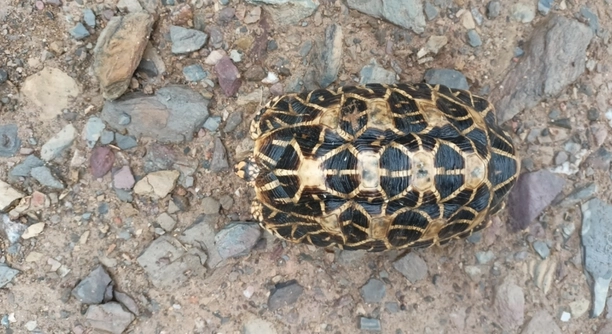
Creating a comfortable and secure outdoor space for your star tortoise is essential for their health and happiness. A well-designed enclosure allows them to explore, bask in the sun, and thrive in a safe environment.
The best outdoor enclosures for star tortoises should provide adequate space, natural elements, and shelter. Enclosures should have both sunny areas for basking and shaded spots for cooling down, along with escape-proof fencing and a secure ground layer.
The right enclosure is key to keeping your star tortoise safe and content. Explore the following options for creating an ideal habitat for your pet.
Enclosure Design: Creating a Safe, Comfortable Space
When designing an outdoor enclosure for your star tortoise, safety and comfort should be your top priority. Start by ensuring the enclosure is large enough for the tortoise to roam freely. Star tortoises can grow quite large, so a spacious area is essential for their physical and mental health. It should include a variety of textures and surfaces, such as grass, dirt, and rocks, to encourage natural behaviors like digging and climbing. Ensure the fencing is tall and strong enough to prevent escapes, as these tortoises are great climbers.
Adding natural elements like plants is a great way to mimic their natural habitat, but be mindful of the plants you choose. Avoid any toxic plants, as these can harm your tortoise if ingested. Make sure there are shaded areas available for when they need to cool off. Sunbathing is important for their health, but it’s equally important to provide shelter from extreme heat or rain. This balance will keep your tortoise safe and content.
Lastly, keep in mind that star tortoises are solitary creatures and should have enough space to roam without feeling crowded. Their habitat should allow them to feel secure, with hiding spots and areas to retreat when they feel the need to be alone.
Substrate Choices for Star Tortoise Enclosures
Choosing the right substrate is vital for your star tortoise’s habitat. The right material provides a safe and comfortable environment while helping to maintain humidity levels.
Wood chips, soil, or coconut coir are popular choices, as they allow for natural burrowing behavior. Make sure the substrate is deep enough for your tortoise to dig and explore. It’s also important to keep it clean by removing waste and spot-cleaning daily. Changing the substrate periodically helps maintain a healthy living space.
The substrate you select should also help with moisture regulation. It’s important to keep the area dry to prevent mold or bacteria growth. However, maintaining some humidity is crucial, especially in hotter climates. The proper balance of humidity and dryness can ensure your tortoise remains happy and healthy.
Fencing and Security
Strong fencing is crucial for preventing your star tortoise from escaping. Ensure the fence is tall enough, ideally around 18 to 24 inches, as tortoises can climb or push through low barriers. Consider using welded wire or solid panels to keep them secure.
Make sure the fence is buried a few inches into the ground to prevent your tortoise from digging underneath. This also helps keep other animals out, ensuring your tortoise stays safe. A secure top can be added to keep them from climbing out. Regularly check for any gaps or weak spots in the fence that could become an escape route.
By making the fencing escape-proof and durable, you will provide peace of mind and a safe environment for your star tortoise. Security is an essential aspect of any outdoor enclosure and helps maintain their wellbeing.
Temperature and Humidity Control
Temperature regulation is vital to your star tortoise’s health. During the day, the enclosure should reach between 85°F and 90°F, with a basking area at a higher temperature of 95°F to 100°F. Ensure there are cooler areas for your tortoise to retreat to when needed.
Humidity levels should be maintained between 50% and 70%. Too much humidity can lead to respiratory issues, while too little can cause dehydration. To manage this, provide a shaded area that’s cooler and naturally retains moisture, such as a shallow pool of water or damp substrate. This will allow your tortoise to stay hydrated.
Maintaining a balanced environment is key for keeping your star tortoise active and healthy. Both temperature and humidity directly affect their digestive and immune systems. With the right conditions, your tortoise will thrive and enjoy its outdoor space.
Shelter and Hiding Spots
Provide shelter for your star tortoise to rest and hide. A simple wooden box or plastic shelter will work, as long as it’s secure and spacious enough. Ensure it is sheltered from direct sunlight and extreme weather conditions.
Hiding spots give your tortoise a place to feel safe and protected. Place it in a shaded corner of the enclosure. This allows them to retreat when they feel threatened or need rest. Shelters should be easy for your tortoise to access, allowing them to find it whenever they need.
Water Source
A shallow water dish is essential for your star tortoise. It should be large enough for them to drink from but not deep enough to cause drowning risks. Keep the water clean and refresh it daily.
Adding a shallow pool or dish encourages hydration and helps with temperature regulation. Make sure the water is fresh and free from debris. This will support both their physical health and overall well-being.
Enrichment and Exploration
Star tortoises thrive when they have opportunities for enrichment. Adding rocks, logs, and small hills creates a more interesting environment. They’ll enjoy climbing and exploring, which helps mimic their natural behaviors.
Enrichment should include natural elements that allow your tortoise to dig, climb, and hide. Over time, your tortoise will become more active and engaged, improving their overall health.
FAQ
How much space does my star tortoise need in an outdoor enclosure?
Star tortoises need plenty of space to move around. A good rule of thumb is at least 10 square feet of space per tortoise. This allows them room to roam, dig, and explore, which is essential for their physical and mental health. The larger the enclosure, the better.
What temperature should I maintain in my star tortoise’s outdoor enclosure?
During the day, the temperature in the enclosure should be around 85°F to 90°F, with a basking area reaching 95°F to 100°F. At night, temperatures can drop to around 70°F to 75°F. These conditions mimic their natural habitat and are necessary for proper digestion and overall health.
Can I leave my star tortoise outside all year?
Star tortoises are native to warm climates, so they can stay outside most of the year, but only if the weather is appropriate. In colder months, you’ll need to bring them indoors or provide heating elements to maintain the proper temperature. If temperatures dip too low, they may become ill.
What type of food should I provide for my star tortoise?
Star tortoises are herbivores, so their diet should consist mainly of leafy greens, grasses, and some flowers. Foods like dandelion greens, clover, and cactus pads are great choices. Avoid feeding them high-protein foods, such as meats or processed items, as this can lead to health issues.
How can I prevent my star tortoise from escaping?
Ensure your enclosure has strong fencing at least 18 to 24 inches high. Bury the fence a few inches into the ground to prevent them from digging under it. If needed, add a top to the enclosure, especially if your tortoise has shown climbing tendencies. Regularly check the enclosure for gaps or weak spots.
Is it necessary to provide a water source in the enclosure?
Yes, providing a shallow water dish is essential. Star tortoises need access to clean water at all times for drinking and hydration. You should change the water daily to ensure it stays clean and free from debris. A shallow pool also helps with temperature regulation.
What kind of substrate should I use in the enclosure?
You can use a combination of soil, coconut coir, or wood chips. The substrate should be deep enough to allow your tortoise to dig, which is part of their natural behavior. Make sure it is easy to clean and dry to prevent mold or bacteria from developing.
Do I need to provide a hiding place for my star tortoise?
Yes, star tortoises appreciate having a hiding spot where they can retreat if they feel stressed or need rest. You can use a wooden box or a small shelter. Place it in a shaded area to offer them a cool and safe retreat when needed.
Can I keep multiple star tortoises together in the same enclosure?
Yes, you can keep multiple star tortoises in the same enclosure, but the space needs to be large enough to accommodate them without overcrowding. Keep an eye on their behavior as males can sometimes become territorial. If you notice any aggression, separate them to avoid stress or injury.
How often should I clean the outdoor enclosure?
You should clean the enclosure regularly to maintain a healthy environment. Spot clean daily by removing any waste, and do a more thorough cleaning every few weeks. Change the substrate as needed to keep it fresh and free from harmful bacteria.
Do I need to provide UVB lighting for my star tortoise in the enclosure?
If your tortoise spends most of its time outdoors and has access to natural sunlight, you generally don’t need additional UVB lighting. However, during cloudy days or in winter months when they’re indoors, UVB lighting can help them synthesize vitamin D3, which is crucial for calcium absorption.
What should I do if my star tortoise is not eating?
If your star tortoise is not eating, check the temperature and humidity levels of the enclosure. Stress, illness, or improper environmental conditions can cause a lack of appetite. If the problem persists, consult a veterinarian to rule out any health issues.
Can I use plants in the outdoor enclosure?
Yes, plants can be a great addition to your tortoise’s enclosure, as they provide shade, hideouts, and a natural environment. However, make sure to use non-toxic plants. Some safe options include hibiscus, clover, and dandelions. Avoid using poisonous plants like ivy or oleander.
How can I ensure my star tortoise is healthy?
To keep your star tortoise healthy, maintain a proper diet, provide a spacious and secure enclosure, and ensure the correct temperature and humidity levels. Regularly check for signs of illness such as lethargy or changes in eating habits. Routine vet checkups can also help monitor your tortoise’s health.
How long do star tortoises live in captivity?
In captivity, star tortoises can live for over 50 years with proper care. With a well-maintained enclosure, a balanced diet, and regular vet visits, they can live long, healthy lives, making them a lifelong companion for many pet owners.
What is the best way to handle my star tortoise?
Star tortoises generally don’t like being handled too often, but gentle interaction can help them become accustomed to humans. Always support their body fully, never pick them up by their legs or shell. Keep handling to a minimum to reduce stress.
What should I do if my star tortoise gets sick?
If your star tortoise shows signs of illness, such as lethargy, loss of appetite, or changes in behavior, it’s important to seek veterinary help immediately. A reptile vet will be able to diagnose and treat any health issues your tortoise may face. Early intervention is key.
Final Thoughts
Providing the right outdoor enclosure for your star tortoise is essential for their health and well-being. They need enough space to roam and explore, as well as the right temperature and humidity to stay comfortable. A proper enclosure can also help prevent stress, which can lead to health problems. By creating an environment that mimics their natural habitat, you give your tortoise the best chance at a long, healthy life.
Remember that the enclosure should have both open spaces and shaded areas, allowing your tortoise to regulate its body temperature. The addition of plants, rocks, and a water source will also make the space more natural and enjoyable for them. It’s important to regularly check the enclosure for safety, as star tortoises are good at escaping. Ensuring the structure is secure and free from hazards will help keep your tortoise safe.
Lastly, it’s essential to stay on top of the maintenance. Regular cleaning, providing fresh water, and monitoring temperature levels will make sure your star tortoise thrives in its outdoor environment. While it may take some time to get everything just right, the effort will be worth it when you see your tortoise living a happy, healthy life. Creating the perfect outdoor enclosure isn’t just about meeting basic needs; it’s about providing an enriching environment that helps your tortoise live its best life.

Hello,
If you enjoy the content that we create, please consider saying a "Thank You!" by leaving a tip.
Every little bit helps us continue crafting quality advice that supports the health, happiness, and well-being of pets around the world, for pets of all shapes, sizes, and species.
We really appreciate the kindness and support that you show us!