
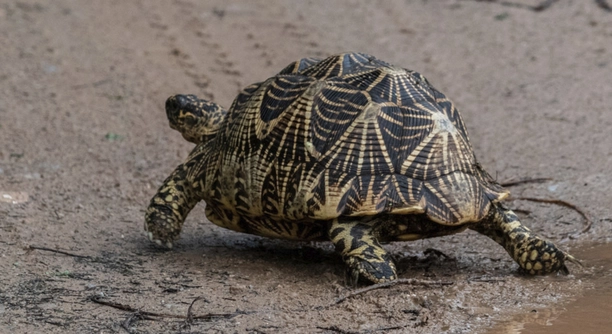
If your star tortoise gets injured, it’s important to act quickly and calmly to ensure its recovery. Understanding the steps to take can make a significant difference in your tortoise’s healing process.
In the case of an injury, it is essential to first assess the situation and ensure your tortoise is safe from further harm. Provide appropriate first aid if necessary and seek veterinary assistance promptly to ensure proper care and treatment.
Knowing how to respond properly will help your tortoise recover. The following steps will guide you through the process of handling and treating your injured star tortoise effectively.
Assessing the Injury
When your star tortoise is injured, it’s important to stay calm and assess the injury carefully. Start by checking if there are any visible wounds or signs of bleeding. If the injury is minor, you can manage it at home, but if it’s more serious, you should seek veterinary help immediately. Be sure to note any changes in its behavior, such as lethargy or difficulty moving. These signs can indicate the severity of the injury and help the vet determine the best course of treatment.
Handling an injured tortoise requires gentle care. Move it to a safe, quiet area, ensuring it won’t be disturbed. Avoid stressing the tortoise further, as this could delay its recovery.
Make sure to clean any wounds gently with clean water and a mild antiseptic if necessary. Keep the area clean and dry to prevent infection. If the injury appears more serious, wrap the tortoise in a towel and take it to the vet without delay.
Providing First Aid
First aid for your injured tortoise should be focused on controlling bleeding and preventing infection. Use clean gauze or cloth to gently apply pressure to a bleeding wound. Always avoid applying pressure directly to the tortoise’s shell or joints, as this can cause additional stress or injury.
Once the bleeding stops, apply a mild antiseptic ointment to the wound. It’s essential to keep the injury clean and dry to avoid further complications. If the tortoise is reluctant to move, keep it in a quiet, low-stress environment where it can rest and recover.
If the tortoise shows no improvement within a day or two, or if the injury appears more severe, consult your vet. Proper care and attention are crucial to prevent infection and ensure a full recovery.
Seeking Veterinary Assistance
In some cases, the injury may be beyond what you can treat at home. If your tortoise is suffering from severe injuries such as broken limbs or deep puncture wounds, professional help is necessary. A vet will be able to properly assess the damage and offer treatment options like bandaging, splints, or surgery if needed. A vet can also provide pain management, ensuring your tortoise isn’t in discomfort.
Don’t hesitate to seek help from an experienced reptile vet, as they can provide the necessary care for recovery. Taking your tortoise in for an exam may seem stressful, but it’s crucial for the healing process. The earlier you act, the better the chances for a full recovery.
Managing Pain
If your star tortoise has been injured, managing its pain is crucial for its recovery. Pain can lead to stress and hinder the healing process. A vet will likely prescribe medications to reduce pain and inflammation. Be sure to follow the prescribed dosage and instructions carefully to avoid any complications.
Make sure your tortoise has a quiet, stress-free environment where it can rest. Excessive movement can worsen the injury or cause additional strain. You can help keep the tortoise comfortable by ensuring its habitat has the right temperature and humidity levels. Keeping the space calm and consistent aids in overall healing.
In some cases, the vet may suggest physical therapy or a special diet to help with the recovery process. Consult with your veterinarian about what steps to take to promote comfort and healing. This can include adjustments to the tortoise’s diet or adding soft bedding for extra comfort.
Preventing Further Injury
Once your star tortoise is injured, the last thing you want is for it to hurt itself again. After any injury, it’s important to limit its movement to avoid putting stress on the affected area. Restricting its space and carefully monitoring its behavior is essential. This helps prevent any further complications or injuries.
You can also create a secure, enclosed space within the tortoise’s habitat. Consider placing it in a smaller area that minimizes the risk of further injury. Use soft materials like towels or bedding to prevent sharp objects from causing harm. Keeping your tortoise in a safe, controlled environment promotes healing and ensures its safety. Make sure the habitat is kept clean and free of obstacles that could worsen the injury.
Monitoring Recovery
Keep an eye on your tortoise’s condition after the injury. It’s essential to monitor its eating, drinking, and movement. Any changes in behavior could indicate complications or signs of pain. If you notice a decline in appetite or unusual lethargy, it’s time to contact your vet.
Tracking its behavior closely will give you early warning signs if the injury is not healing as expected. Take note of any changes, and ensure your tortoise is resting enough. If it seems restless or unwilling to move, it could mean more care or professional treatment is needed.
Providing Proper Nutrition
Proper nutrition plays a vital role in your tortoise’s recovery. Injured tortoises need a nutrient-rich diet to heal faster and strengthen their immune system. Include leafy greens, vegetables, and some fruits in their diet. You may also add calcium supplements if recommended by your vet.
Avoid giving foods that could irritate the digestive system, like those that are too acidic or hard to digest. Ensuring your tortoise is well-fed helps boost its energy and aids the healing process. A healthy, balanced diet will support its recovery and overall well-being during this time.
Managing Stress Levels
Stress can significantly slow down the healing process. Minimize your tortoise’s exposure to loud noises or other pets during its recovery. Keep its environment calm and quiet to encourage rest. Stress can increase the risk of complications or a slower recovery time.
Monitor the temperature and humidity in the habitat to keep it stable. A stressed tortoise may have difficulty adjusting to temperature changes, which can affect its health. Creating a consistent, quiet space will help your tortoise recover without unnecessary stressors hindering its progress.
FAQ
What are the signs that my star tortoise is in pain?
A tortoise in pain may display signs like decreased activity, lack of appetite, or excessive sleeping. If the injury is significant, your tortoise might avoid moving or appear unusually stressed. Look for behaviors like withdrawing into its shell frequently, as this is a sign of discomfort. Additionally, check for swelling or any visible wounds. If your tortoise is showing these signs, it’s best to get it checked by a vet.
How can I tell if my tortoise’s injury is serious?
If the injury involves broken bones, deep cuts, or if your tortoise shows signs of shock, such as rapid breathing or lethargy, the injury is serious. Any injury that causes the tortoise to stop eating or drinking for more than a day is concerning. If the injury seems to be worsening or not healing after a couple of days, it’s time to consult a veterinarian.
Can I treat my tortoise’s injury at home?
Minor injuries, like small cuts or abrasions, can sometimes be treated at home with proper care. Clean the wound gently with mild antiseptic, and apply a small amount of healing ointment if needed. However, for serious injuries like broken shells, puncture wounds, or deep cuts, seeking veterinary help immediately is necessary. Home treatment should not replace professional care.
How do I prevent my tortoise from getting injured in the first place?
Prevent injuries by creating a safe and secure environment. Ensure its enclosure is free from sharp objects or hazards. Avoid leaving your tortoise in places where it could fall or get stepped on. Keep its habitat at the right temperature and humidity to avoid health issues that may lead to weakness. Regularly check its surroundings to prevent accidents.
What should I do if my tortoise has a cracked shell?
A cracked shell is a serious injury that requires immediate veterinary attention. Depending on the severity, the vet might need to repair it with special bonding materials or even perform surgery. A cracked shell can cause internal injuries or infections, so proper care and timely treatment are crucial.
How can I help my tortoise feel less stressed during recovery?
Keep your tortoise in a quiet, calm area away from any noise or disturbances. Avoid handling it excessively, as stress can worsen its condition. Make sure the temperature and humidity are suitable for your tortoise’s species. Providing a comfortable, soft resting area will help it relax. Reducing stress speeds up the healing process.
Is it okay to bathe my tortoise if it’s injured?
Bathing can be helpful for hydration, but it should only be done if the injury is not severe. Avoid submerging your tortoise if it has any open wounds, as water can introduce bacteria and lead to infection. Always ensure the water is at the right temperature and allow your tortoise to dry off afterward to prevent any chilling.
How long will it take for my tortoise to recover from an injury?
Recovery time depends on the type and severity of the injury. Minor injuries may take a few days to a week to heal, while more serious wounds or fractures could take several weeks or even months. Consistent care, proper nutrition, and a stress-free environment can speed up the recovery process. Follow your vet’s advice for the best results.
Can I give my injured tortoise any special food to aid recovery?
Yes, feeding your tortoise nutritious food is important for its healing. Leafy greens, such as dandelion greens and kale, are excellent. High-calcium foods can help strengthen bones, especially if your tortoise has a shell injury. Be sure to offer food that’s easy to digest and avoid giving treats or food that could upset its stomach.
Should I keep my injured tortoise isolated from other pets?
Yes, isolating your injured tortoise from other pets is essential to prevent further stress or injury. Other animals may unintentionally harm your tortoise while it’s vulnerable. Keep it in a separate, calm space where it can rest and recover without the threat of being disturbed. Make sure it has everything it needs in this space.
What happens if my tortoise doesn’t eat after an injury?
Loss of appetite after an injury is not uncommon, but it’s important to monitor this closely. If your tortoise refuses food for more than 24 hours, it could be a sign of a more serious problem. It’s essential to offer food that’s easy to eat and rich in nutrients. If your tortoise continues to avoid food, a vet visit is recommended.
Can an injured tortoise recover without veterinary help?
Minor injuries, such as small cuts, may heal without veterinary help, as long as proper care is provided. However, for severe injuries, such as broken bones, shell fractures, or internal injuries, veterinary care is crucial. A vet will provide pain relief, prevent infection, and guide you through the proper recovery process. Ignoring serious injuries can lead to long-term damage or death.
Final Thoughts
Caring for an injured star tortoise requires attention, patience, and the right approach. Injuries can happen, but knowing what to do when they do occur can make a significant difference in your tortoise’s recovery. Ensuring that your tortoise has a calm and quiet environment, along with proper nutrition and monitoring, will help it heal faster. If the injury seems serious, don’t hesitate to contact a veterinarian. Professional care is sometimes necessary for more severe injuries, such as shell fractures or deep wounds.
It’s important to remember that tortoises are resilient animals, but they still need the right care to recover. If you follow the right steps, most tortoises will recover well from minor injuries. The key is to act quickly and provide them with the proper support to heal. Keep an eye on their behavior and habits. If something seems off, don’t wait to consult a vet. While minor injuries can often be treated at home, serious ones require professional treatment to avoid complications. Your tortoise’s recovery depends on how quickly and effectively you address the injury.
In the end, being proactive in your care routine and knowing what signs to watch for can go a long way in preventing long-term damage. Every tortoise is different, and recovery times can vary based on the injury and your pet’s overall health. The most important thing is to stay consistent with their care, avoid stress, and give them a safe space to recover. By doing this, you can ensure your star tortoise has the best chance for a full recovery and a healthy future.

Hello,
If you enjoy the content that we create, please consider saying a "Thank You!" by leaving a tip.
Every little bit helps us continue crafting quality advice that supports the health, happiness, and well-being of pets around the world, for pets of all shapes, sizes, and species.
We really appreciate the kindness and support that you show us!