
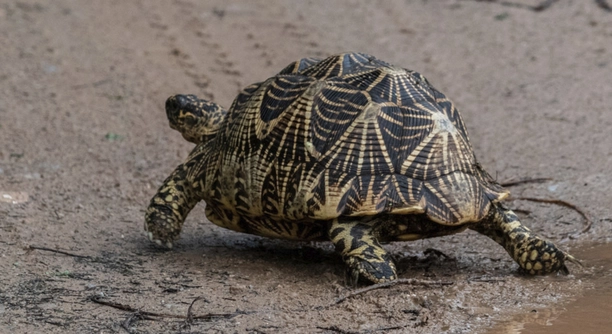
If you’ve noticed your star tortoise making clicking noises, you might be wondering what’s causing it. Understanding these sounds is important for your pet’s health. In this article, we’ll explore the potential reasons behind this behavior.
Clicking noises from a star tortoise can be caused by various factors, including respiratory infections, shell damage, or stress. It’s essential to monitor your tortoise’s behavior and environment to determine the root cause. Early diagnosis can prevent further complications.
These explanations will help you identify the cause of the clicking sounds and offer guidance on how to keep your star tortoise healthy.
Respiratory Infections
One of the main reasons why your star tortoise might be making clicking noises is a respiratory infection. This is common in reptiles, especially if the temperature and humidity are not properly maintained in their environment. Respiratory infections can cause your tortoise to wheeze, cough, or make clicking sounds as it tries to breathe. If your star tortoise is also showing signs of nasal discharge, lethargy, or a loss of appetite, a respiratory infection is likely the cause.
If you suspect a respiratory infection, it’s essential to get your tortoise checked by a vet. A vet will provide the right medication to help your pet recover. Keeping the temperature and humidity in check can prevent future infections.
When treating a respiratory infection in your tortoise, consider adjusting their habitat’s temperature and humidity levels. It’s also crucial to ensure your tortoise gets plenty of rest and proper nutrition to recover more quickly. If left untreated, respiratory infections can become more severe, so addressing the issue promptly is key.
Shell Damage
A tortoise’s shell can be damaged by rough handling, poor environmental conditions, or even accidents. When this happens, clicking noises can occur. Damaged shells might make noise when the tortoise moves, especially if there are cracks or other structural issues. If the clicking sound happens during movement, the shell might be rubbing or scraping in unusual ways.
Inspecting your tortoise’s shell regularly for signs of injury is vital to prevent further damage.
Stress
Stress can be another factor behind your tortoise’s clicking noises. Star tortoises are sensitive creatures, and any changes in their environment, such as noise, temperature fluctuations, or unfamiliar surroundings, can cause stress. This stress can affect their respiratory system, leading to unusual sounds like clicking.
To reduce stress, provide your tortoise with a quiet and stable environment. Avoid loud noises and handle them gently. Ensuring they have enough space to move around and feel secure is crucial in reducing stress-related symptoms. If stress continues, consulting a vet might help identify other underlying issues.
It’s also essential to provide your tortoise with a consistent and calming environment. Stress can lead to other health problems like poor appetite, irregular movements, or shell damage. By keeping their space calm and predictable, you can minimize stress and improve your tortoise’s overall well-being.
Poor Diet
A poor diet can contribute to clicking noises in star tortoises. If they’re not getting the proper nutrients, their respiratory system and shell health can be affected. A lack of calcium, for example, can cause issues with their bones and shell. When the body is stressed from a poor diet, it can lead to abnormal sounds like clicking.
Providing a balanced diet rich in fiber, calcium, and other essential nutrients is critical. Fresh greens, grasses, and occasional fruits should make up the majority of their food. By feeding them a varied and nutritious diet, you can help maintain their health and prevent issues that might lead to clicking sounds.
Dehydration
Dehydration can also lead to clicking noises in a star tortoise. When a tortoise isn’t getting enough water, it can affect its overall health and cause discomfort. Dehydration can make their movements sluggish and may lead to respiratory issues, which can result in clicking sounds.
Ensure your tortoise has constant access to fresh water. You can also mist the enclosure to maintain proper humidity levels. If your tortoise isn’t drinking enough water, try soaking them in lukewarm water to help with hydration. Keeping them hydrated is essential for their well-being and preventing further issues.
Mating Behavior
During mating season, star tortoises may make clicking noises as part of their courtship. These sounds can be produced as a way to communicate or signal interest. This is more common in males when they are trying to attract females or assert dominance.
If the clicking noise is only occurring during this time, it could simply be a natural behavior. However, it’s important to observe if there are other symptoms, such as aggressive behavior or health issues. Monitor the situation to ensure everything is normal.
Illness or Infection
Clicking noises can also indicate an illness or infection that is affecting your star tortoise’s breathing. If the clicking is accompanied by other signs like nasal discharge, lethargy, or difficulty breathing, it’s essential to consult with a veterinarian. Respiratory infections are common among reptiles and can cause these types of noises.
Having a professional check your tortoise is crucial for early diagnosis and treatment. Addressing infections promptly can prevent further complications. Always ensure that your tortoise’s environment is clean and that their health is regularly monitored to avoid illnesses.
FAQ
Why is my star tortoise making clicking noises when breathing?
Clicking noises while breathing can indicate a respiratory infection or other breathing issues. When a tortoise struggles with its respiratory system, it may produce clicking or wheezing sounds. This could be due to an infection caused by improper humidity or temperature in their environment. It’s important to monitor other symptoms like lethargy, nasal discharge, or labored breathing. If these symptoms appear, it’s best to take your tortoise to a vet to confirm the diagnosis and receive treatment.
How do I know if my star tortoise is stressed?
Stress in a star tortoise can be hard to spot, but some signs to look for include excessive hiding, lack of appetite, or erratic behavior. Environmental changes, loud noises, or improper temperature and humidity levels can cause stress. If you notice a sudden change in behavior or the tortoise seems agitated, you may want to assess their living conditions. Keeping a calm and consistent environment is key to reducing stress and maintaining a healthy tortoise.
What are the signs of dehydration in a star tortoise?
Dehydration in tortoises can manifest in a few ways. A dehydrated tortoise may become lethargic, have sunken eyes, and refuse food. Their skin may also appear dry and less elastic. In severe cases, they might exhibit difficulty in moving. To prevent dehydration, make sure your tortoise has access to fresh water at all times, and you can also soak them in warm water for extra hydration. Proper humidity levels are also vital in their enclosure to keep them hydrated.
How can I prevent respiratory infections in my star tortoise?
To prevent respiratory infections, it’s important to keep your tortoise’s habitat at the right temperature and humidity. The enclosure should be clean, dry, and free of drafts. A temperature of 80-85°F (27-29°C) during the day and a drop to 70-75°F (21-24°C) at night is ideal. Proper ventilation is necessary for air circulation, but avoid placing the tortoise in an area with direct drafts. Regularly cleaning their habitat and checking for any signs of illness can help prevent respiratory infections.
Can a poor diet cause clicking noises in my star tortoise?
Yes, a poor diet can lead to various health issues, including clicking noises. If your tortoise isn’t receiving the right nutrients, especially calcium and fiber, their respiratory system or shell health can be compromised, leading to abnormal sounds. A balanced diet is crucial for keeping your tortoise healthy. Provide fresh greens, vegetables, and grasses that are high in fiber, and offer calcium supplements if needed. Avoid processed foods or anything that lacks proper nutritional content.
Is it normal for my star tortoise to click when mating?
Yes, it can be normal for male star tortoises to make clicking or other vocalizations during mating behavior. These sounds are often part of their courtship rituals. Males may make clicking noises to attract females or assert dominance. If the clicking is only happening during mating and there are no other symptoms of illness, then it’s likely just a natural behavior. However, if you notice unusual aggression or other health issues, it’s important to observe them closely.
How can I help my star tortoise if it’s dehydrated?
If your tortoise is dehydrated, the first step is to offer fresh water immediately. You can soak them in lukewarm water for about 20-30 minutes, which helps hydrate them and encourages them to drink. Make sure the water is not too hot or cold, as this can stress them out. Regular soaking in warm water can also be part of their routine, especially in dry climates. Maintaining proper humidity in their enclosure and ensuring access to fresh water at all times are key to preventing dehydration.
What should I do if my star tortoise has a clicking sound and a nasal discharge?
A clicking sound along with nasal discharge is a sign of a respiratory infection. Respiratory infections are common in reptiles and can be caused by improper living conditions or environmental stress. If you notice these symptoms, it’s important to take your tortoise to the vet as soon as possible for a diagnosis and appropriate treatment. In the meantime, make sure their environment is at the correct temperature and humidity and that they are not exposed to drafts or cold conditions that could worsen their condition.
Can stress affect my star tortoise’s health?
Yes, stress can have a significant impact on your star tortoise’s health. Long-term stress can cause a weakened immune system, making it more susceptible to infections and other health issues. Stress may also lead to changes in appetite, sleep patterns, and behavior. Creating a stable and quiet environment with proper heating, humidity, and hiding spots is essential for reducing stress. If you notice signs of stress, try to identify and eliminate the stressors in their environment.
How can I make my star tortoise feel comfortable in its enclosure?
To make your star tortoise feel comfortable, create a stable and secure environment. Ensure that the enclosure is large enough for them to move around freely and provide hiding spaces where they can retreat if they feel threatened. The temperature should be consistent, with a warm basking spot and a cooler area for them to regulate their body temperature. The humidity level should also be carefully monitored to prevent dehydration. Regular cleaning and avoiding sudden changes will also help your tortoise feel at ease.
Final Thoughts
Understanding why your star tortoise is making clicking noises is crucial for its health. These sounds can indicate different issues, from normal behaviors like mating to more serious health concerns such as respiratory infections. If you hear clicking, it’s important to assess the overall well-being of your tortoise. Pay attention to other signs like lethargy, lack of appetite, or nasal discharge. Any of these symptoms combined with clicking noises may signal an underlying problem that requires prompt attention from a vet.
Proper care and habitat management play a large role in preventing many health issues in star tortoises. Ensuring that their enclosure has the right temperature, humidity, and ventilation is key to avoiding respiratory problems. The air should be neither too dry nor too humid, and the temperature should stay within a specific range to keep them comfortable. A stable environment will reduce stress and the likelihood of infections. Be mindful of food quality as well, as a poor diet can lead to various health problems, including respiratory difficulties.
If your star tortoise is showing signs of illness, it’s essential to address the issue as soon as possible. While clicking noises alone may not always indicate a problem, combining them with other symptoms should not be ignored. Early detection and treatment are crucial for preventing further complications. Regular vet checkups, a clean and consistent environment, and a balanced diet will help ensure that your tortoise stays healthy and active. With proper care and attention, your star tortoise can live a long, healthy life.

Hello,
If you enjoy the content that we create, please consider saying a "Thank You!" by leaving a tip.
Every little bit helps us continue crafting quality advice that supports the health, happiness, and well-being of pets around the world, for pets of all shapes, sizes, and species.
We really appreciate the kindness and support that you show us!