
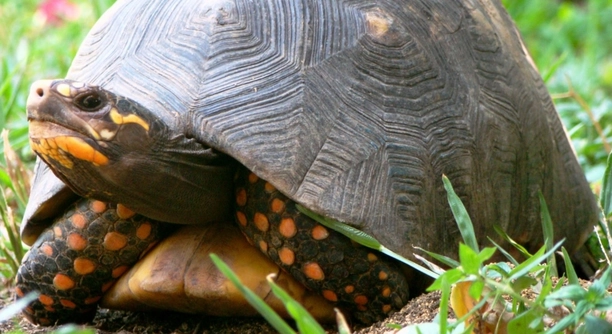
Keeping a Red-Footed Tortoise’s habitat clean is crucial for its health and comfort. A clean environment reduces the risk of illness and ensures your tortoise thrives in a safe, hygienic space.
Maintaining a clean habitat for a Red-Footed Tortoise involves natural cleaning methods that help eliminate waste and odors without harsh chemicals. These methods include using natural materials like sand, organic substrates, and regular water changes to maintain a healthy environment.
These natural techniques will help you keep your tortoise’s habitat in top shape without relying on artificial solutions. Understanding these practices will benefit both your pet and the environment.
Use Organic Substrates for Natural Cleanliness
Using organic substrates like coconut husk, organic soil, or grass helps in maintaining a cleaner habitat for your Red-Footed Tortoise. These materials are naturally absorbent, which helps to absorb waste and moisture. This keeps the habitat dry and reduces the growth of harmful bacteria. You can easily find these substrates at pet stores or online. Organic materials also create a more natural feel for your tortoise’s environment, mimicking its natural habitat in the wild. By providing a substrate that is both functional and comfortable, you help keep your pet healthy and happy.
The benefits of organic substrates go beyond cleanliness. They help regulate the humidity levels inside the tortoise’s enclosure, offering the perfect balance for your pet. Plus, they don’t contain chemicals or toxins that can be harmful.
In addition to cleanliness, organic substrates also encourage natural behaviors. Your tortoise will enjoy digging, burrowing, and foraging, which are all essential activities for its physical and mental well-being. Regularly changing and refreshing the substrate will help maintain its effectiveness, ensuring your tortoise’s habitat stays clean and odor-free.
Regular Water Changes
Changing the water regularly is one of the simplest ways to keep your tortoise’s habitat clean.
Red-Footed Tortoises need access to clean water for drinking and soaking, so it’s essential to change the water frequently. Make sure to remove any debris that might accumulate in the water bowl. Keeping it fresh will encourage your tortoise to drink more and help avoid bacterial growth.
Water changes should be done at least once every few days, especially in warmer climates. If the water gets cloudy or has an unpleasant odor, it’s time for a change. Using a shallow water dish makes it easier for your tortoise to soak and drink while ensuring the water stays clean longer.
Use Natural Cleaners
Vinegar is a great natural cleaner for your tortoise’s habitat. It’s safe, effective, and free from harsh chemicals.
Mixing equal parts of water and vinegar creates a cleaning solution that can be used on surfaces, water bowls, and accessories in your tortoise’s enclosure. Vinegar is naturally antibacterial, making it an excellent choice to eliminate germs and odors. When using vinegar, always rinse thoroughly after cleaning to avoid any residue that might irritate your tortoise’s sensitive skin.
Another option is baking soda. It’s gentle yet effective at absorbing odors and removing dirt. Simply sprinkle it on surfaces or in areas that need a little extra cleaning power. Using natural cleaners like vinegar and baking soda ensures your tortoise’s environment remains free of harmful chemicals.
Provide Proper Ventilation
Ventilation is key to keeping the habitat clean and healthy. It allows air to flow freely, preventing moisture buildup.
Ensure that your tortoise’s enclosure has proper ventilation by placing it in a location where airflow is consistent. Without good ventilation, humidity can quickly build up, leading to mold and bacteria. This not only makes the habitat smell but can also create unhealthy conditions for your pet.
Adding ventilation holes or small mesh screens to the enclosure allows air to circulate better. Make sure the holes are not too large to prevent escape, but big enough to keep the air fresh. Proper ventilation also helps maintain the right humidity levels, which is essential for your tortoise’s health.
Remove Waste Daily
It’s essential to clean up your tortoise’s waste every day to maintain a healthy habitat.
Red-Footed Tortoises produce waste regularly, and removing it promptly helps prevent buildup. This prevents odors and reduces the risk of infections or diseases. Use a scoop or shovel to remove droppings and any uneaten food left in the enclosure.
Regularly removing waste also keeps the substrate fresh. This simple step helps maintain the cleanliness of the habitat with minimal effort.
Keep the Habitat Dry
A dry habitat is vital for your tortoise’s health.
Excess moisture can lead to mold growth and increase the risk of skin infections. Make sure to dry any wet spots in the enclosure and avoid over-watering plants. Keep the substrate dry by spot cleaning when necessary to maintain a balanced, safe environment for your pet.
Clean Food and Water Bowls
Always clean the food and water bowls after each use.
Food bowls can trap debris and bacteria, while water bowls can get dirty quickly. By cleaning them regularly, you prevent the growth of harmful microorganisms. Scrub them with natural cleaners, rinse thoroughly, and replace the water or food every day to ensure your tortoise’s safety.
FAQ
How often should I clean my Red-Footed Tortoise’s habitat?
It’s important to clean your tortoise’s habitat regularly to ensure it stays safe and hygienic. You should remove waste daily and replace the substrate about once a month. Cleaning accessories like food and water bowls should be done after each use. A deep clean of the entire enclosure, including washing surfaces with a natural cleaner, should be done every few weeks. Consistent cleaning helps prevent bacteria buildup and keeps your pet healthy.
Can I use chemicals to clean my tortoise’s habitat?
It’s best to avoid harsh chemicals as they can harm your tortoise’s sensitive skin and respiratory system. Stick to natural cleaning options like vinegar and baking soda. These are safe, effective, and non-toxic. Always rinse thoroughly after cleaning to ensure no residues are left behind.
How can I prevent odors in my tortoise’s habitat?
Odors are often a sign of waste buildup or excess moisture. To prevent this, clean the habitat daily, removing droppings and uneaten food. Use absorbent, organic substrates like coconut husk to help control moisture. Proper ventilation also plays a role in preventing stagnant air, which can lead to unpleasant smells.
Is it okay to use sand as substrate for my Red-Footed Tortoise?
While sand can be used, it’s not the best option for Red-Footed Tortoises. It’s not as absorbent as organic substrates, and it can cause impaction if your tortoise accidentally ingests it. If you do choose sand, make sure it’s mixed with other organic materials, and monitor your tortoise closely to ensure it doesn’t eat it.
Should I provide plants in my tortoise’s enclosure?
Yes, providing live plants can benefit your tortoise’s habitat by offering natural hiding spots and extra food sources. However, make sure the plants are safe for your tortoise to consume. Avoid toxic plants like ivy, lilies, and daffodils. Always research before introducing new plants into the enclosure.
How do I maintain proper humidity for my Red-Footed Tortoise?
Red-Footed Tortoises need a moderate level of humidity to thrive. Keep humidity between 60-80% by misting the enclosure with water regularly. You can also use a humidifier or place a water dish in the enclosure to maintain moisture. Be careful not to overdo it, as excessive humidity can lead to mold growth.
Can I use a heat lamp to regulate temperature in the enclosure?
Yes, a heat lamp can help regulate the temperature in your tortoise’s habitat. Red-Footed Tortoises require a basking spot with temperatures around 85-90°F (29-32°C). Ensure the temperature gradient is right, with cooler areas around 75°F (24°C) for your tortoise to retreat to. Always monitor the temperature to avoid overheating.
How can I keep my tortoise’s habitat free of parasites?
Maintaining a clean and dry environment is key to preventing parasites. Regularly remove waste, clean surfaces, and change the substrate when necessary. You can also quarantine new plants or materials before introducing them to the habitat to avoid introducing parasites. If you notice signs of parasites, consult a vet for treatment.
Should I use a UVB light for my Red-Footed Tortoise?
Yes, Red-Footed Tortoises need UVB light to synthesize vitamin D3, which helps them absorb calcium. A UVB bulb should be placed over the basking area, ensuring your tortoise gets around 10-12 hours of light each day. Replace the bulb every 6 months as its UVB output diminishes over time.
Can I use a water dish for my tortoise to soak in?
Yes, it’s important to provide a shallow water dish for your tortoise to soak in. Red-Footed Tortoises naturally soak in water to stay hydrated and help with shedding. Make sure the water dish is large enough for your tortoise to climb in and out of easily. Change the water regularly to keep it clean and fresh.
What should I do if my tortoise refuses to eat?
If your tortoise refuses to eat, there could be several reasons, including improper temperature or humidity levels, stress, or illness. Ensure the enclosure is in the right conditions, and check for any signs of health problems. If your tortoise continues to refuse food, it’s best to consult a vet.
Final Thoughts
Keeping your Red-Footed Tortoise’s habitat clean is essential for their well-being and longevity. A clean environment helps prevent illness, reduces odors, and makes the enclosure more comfortable for your pet. By using natural cleaning methods and maintaining proper hygiene, you create a safe space that promotes your tortoise’s health and happiness. Regular waste removal, water changes, and substrate management are all simple steps that make a significant difference in your tortoise’s life. It’s also important to provide proper ventilation and humidity levels to ensure your pet stays healthy.
Taking care of your tortoise’s habitat doesn’t require much effort, but consistency is key. Small, daily tasks like removing waste and refreshing the water bowls can go a long way in maintaining a clean environment. Organic substrates, natural cleaners, and proper ventilation all play a role in creating a space where your tortoise can thrive. It’s not just about cleanliness, but also about replicating the conditions that would naturally exist in their native environment. These practices will help support your tortoise’s physical and mental well-being.
Remember that a clean habitat contributes to a happier, healthier tortoise. Following simple, natural methods to keep the habitat clean allows you to spend more quality time with your pet without worrying about their environment. Staying on top of daily tasks and making sure the enclosure is fresh and safe will keep your tortoise comfortable for years to come. Keeping things simple and natural is the best way to ensure your pet’s happiness and health in the long run.

Hello,
If you enjoy the content that we create, please consider saying a "Thank You!" by leaving a tip.
Every little bit helps us continue crafting quality advice that supports the health, happiness, and well-being of pets around the world, for pets of all shapes, sizes, and species.
We really appreciate the kindness and support that you show us!