
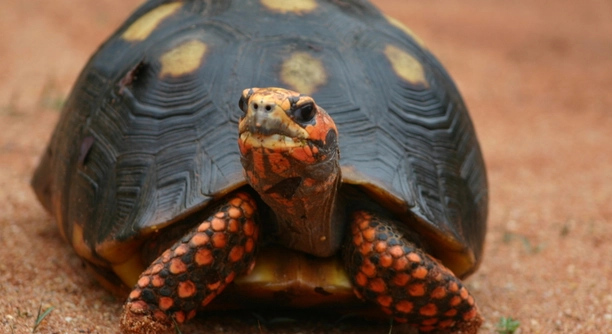
Red-footed tortoises are fascinating creatures, and as a pet owner, it’s natural to wonder about their behavior. One sound that may catch your attention is a squeak, which might leave you curious about its cause.
The squeaking sound your red-footed tortoise is making could be linked to a variety of reasons, including discomfort, stress, or an attempt to communicate. It is important to observe its environment and overall health to pinpoint the exact cause.
Understanding why your tortoise makes these sounds will help you address any potential issues. Knowing the possible reasons can also ensure your tortoise remains happy and healthy in its environment.
Common Causes of Squeaking Sounds
One of the main reasons your red-footed tortoise might be making squeaking sounds is discomfort. This could be related to its shell or limbs, especially if it is experiencing any physical pain. Tortoises have sensitive areas, and any pressure or injury can lead to noticeable sounds. If your tortoise is struggling to move properly, you might hear squeaks or even a hissing noise.
If your tortoise seems to be making these noises frequently, it could also be related to stress. Any change in its environment, such as a new enclosure, loud noises, or even a change in feeding habits, can cause discomfort. Tortoises can be sensitive to changes and may react with vocalizations as a form of communication. It’s essential to monitor its environment to ensure it feels safe and secure.
Tortoises communicate in subtle ways, and squeaking can be one of their methods to express discomfort or unease. Stress can stem from different things like improper temperature or humidity in the habitat, making it crucial to provide the right living conditions. Additionally, if the tortoise feels threatened, it might make noises as a defense mechanism. Being mindful of these elements will help in reducing stress and preventing squeaking. Regular health checks will also help rule out any health issues that could be causing pain or discomfort.
Checking Your Tortoise’s Health
If your tortoise’s squeaks persist, health problems may be the underlying factor. Make sure to check for any signs of respiratory or shell issues.
Infections, especially respiratory ones, can cause your red-footed tortoise to make unusual noises. These types of health problems often come with other symptoms such as nasal discharge or labored breathing. If these sounds seem to occur when your tortoise is breathing heavily or showing signs of fatigue, it’s time to take a closer look. Regular vet visits are essential for ensuring that your tortoise stays in good health.
Sometimes, tortoises may also make squeaky sounds if their shells are scratched or damaged. This could be from rough surfaces or an injury during interactions. Shell health is important because it provides protection and support for your tortoise. Keep an eye on any abrasions or cracks that could be causing discomfort. If any physical problems are identified, consulting with a vet will allow you to get treatment for your pet, making sure the squeaking stops and its overall well-being improves.
Environmental Factors
Temperature and humidity levels can significantly affect your red-footed tortoise’s behavior. If the enclosure is too hot or too cold, it can cause discomfort and stress, resulting in squeaking. Ensuring the environment is within the proper range will keep your tortoise comfortable.
Tortoises are cold-blooded animals, and they rely on their surroundings to regulate their body temperature. If the temperature in the enclosure isn’t right, your tortoise may become lethargic or stressed, and squeaking could be a result. The ideal temperature range for a red-footed tortoise is between 75°F and 85°F during the day, with a slight drop at night. Humidity is also important; these tortoises prefer humidity levels between 60% and 80%. If the air is too dry, it may affect their skin and respiratory system, causing discomfort that may be expressed through squeaks.
Adjusting the enclosure to meet the needs of your tortoise can help create a more comfortable environment. Use a thermometer and hygrometer to keep track of the temperature and humidity. Regularly changing the bedding and misting the enclosure can also improve the overall living conditions. If your tortoise continues to squeak, checking these factors should be one of the first steps in addressing the issue.
Diet and Hydration
If your tortoise isn’t getting the right nutrients, it may show signs of discomfort or stress, including squeaking. A balanced diet is crucial to your tortoise’s health and happiness.
A red-footed tortoise needs a variety of foods that include vegetables, fruits, and some protein. Overfeeding on one type of food, such as fruits, can upset their digestion. This could lead to discomfort, which they may express through squeaking. Hydration is just as important; a dehydrated tortoise might show signs of distress. You can ensure proper hydration by providing fresh water daily and occasionally offering water-rich foods like leafy greens or cucumbers.
A well-rounded diet not only promotes a healthy digestive system but also helps prevent other health issues like shell problems. When your tortoise is not properly hydrated, it may also become lethargic and stressed, which can lead to the squeaking sounds. Pay attention to what your tortoise eats and make sure it’s getting enough water. The right balance of food will keep your tortoise feeling energetic and satisfied, helping to reduce any unwanted vocalizations. Regularly monitor your pet’s intake to keep everything on track.
Interaction and Handling
If your red-footed tortoise feels threatened or stressed by handling, it may make squeaking sounds. These noises can be a way of expressing discomfort or a sign it wants to be left alone. Minimizing handling can help reduce this reaction.
Tortoises, like other reptiles, may squeak when they feel unsafe or uncomfortable. If they are picked up too frequently or handled roughly, they may feel vulnerable and react by making squeaking sounds. It’s important to handle your tortoise gently and with care to avoid causing stress. Red-footed tortoises are generally solitary animals and can be sensitive to physical contact, especially if not used to it.
Allowing your tortoise time to acclimate to its surroundings without too much disturbance will reduce stress. Handling should be kept to a minimum, focusing on interactions that are calm and brief. Over time, your tortoise will feel more comfortable and less likely to squeak due to handling.
Enclosure Size
The size of your tortoise’s enclosure plays a major role in its overall comfort. If the space feels too small, it might contribute to stress and squeaking.
Tortoises need plenty of room to roam and explore. A cramped environment can make them feel confined, leading to stress and anxiety. Make sure your tortoise’s enclosure is large enough for it to move around freely. The general recommendation is a minimum of 4×8 feet for an adult red-footed tortoise. Providing enough space will allow your tortoise to engage in natural behaviors, reducing stress and preventing squeaking sounds.
Aging and Physical Changes
As your tortoise ages, it may experience physical changes that lead to squeaking sounds. These could be related to joint stiffness or other age-related conditions.
Older tortoises may begin to show signs of wear on their joints, which can make movement more difficult. As a result, you might hear squeaking when they try to move or shift positions. Providing a soft, easy-to-move surface in their enclosure can help reduce the strain on their joints and minimize discomfort.
FAQ
Why is my red-footed tortoise squeaking?
Squeaking in a red-footed tortoise can happen for several reasons. It’s often a response to stress, discomfort, or even pain. Stress can be caused by environmental factors, such as a change in temperature or humidity, or by handling. A tortoise may also squeak if it’s injured, has an uncomfortable shell, or is dealing with respiratory issues. If the squeaking persists, checking your tortoise’s health and environment is the first step in figuring out what’s wrong.
How do I know if my tortoise is stressed?
Stress in tortoises can be identified by various behaviors. Besides squeaking, a stressed tortoise may become withdrawn, lethargic, or less active. If it’s not eating as much as usual or is hiding more often, these can also be signs of stress. Environmental changes, handling, and even loud noises can trigger stress in tortoises. Monitoring its behavior and adjusting the environment can help.
Can temperature affect my tortoise’s squeaking?
Yes, temperature plays a significant role in your tortoise’s comfort. If it’s too hot or too cold, it can cause stress, discomfort, or even health issues, which may lead to squeaking. Red-footed tortoises need a temperature range of 75°F to 85°F during the day and a slight drop at night. If your tortoise’s enclosure is too cold, it might be feeling too sluggish or uncomfortable. Too much heat can also cause distress. Ensure the temperature is consistent within this range for your tortoise’s well-being.
Is my tortoise squeaking because it’s in pain?
Pain could be a reason for squeaking. If your tortoise has an injury, shell issue, or any internal health problems, it might vocalize as a sign of discomfort. It’s important to check for signs like limping, difficulty moving, or visible injuries on the shell. If there’s any concern about its health, a visit to the vet is the best option to diagnose and treat the issue.
Should I be concerned if my tortoise is squeaking at night?
It’s not uncommon for tortoises to make sounds at night, especially if their living conditions are uncomfortable. If the squeaking happens when the tortoise is trying to rest, it might be signaling stress or discomfort from the temperature, humidity, or lack of space. Consider adjusting the temperature in the enclosure or checking for other possible environmental factors that could be affecting your tortoise’s sleep.
Can my tortoise squeak if it’s dehydrated?
Yes, dehydration can cause a tortoise to squeak. When a tortoise doesn’t get enough water, it can become lethargic, stressed, and uncomfortable. Dehydration can also lead to problems with digestion, which could make your tortoise feel unwell and cause vocalizations like squeaking. Make sure fresh water is always available, and offer water-rich foods to ensure your tortoise stays hydrated.
What should I do if my tortoise squeaks after eating?
If your tortoise squeaks after eating, it could indicate digestive issues or discomfort from the food. Sometimes overeating, especially fruits, can cause digestive upset. Ensure your tortoise is eating a balanced diet that’s appropriate for its species. Avoid feeding too many sugary fruits, and focus on leafy greens, flowers, and vegetables. If the squeaking persists, it could be worth consulting with a vet to ensure there are no underlying health concerns.
How can I make my tortoise’s environment more comfortable?
To reduce squeaking and make your tortoise more comfortable, you should start by adjusting the enclosure. Ensure the temperature and humidity are at the correct levels. Adding plenty of hiding spots, like logs or rocks, will give your tortoise a sense of security. Providing a larger space for it to roam can help, too. If possible, avoid moving the enclosure frequently, as tortoises are creatures of habit.
Can squeaking mean that my tortoise is lonely?
Tortoises are generally solitary animals, and while they may tolerate the company of other tortoises in some cases, they don’t rely on social interaction in the same way other pets, like dogs or rabbits, do. However, if your tortoise seems more vocal or stressed, it might not be related to loneliness but rather to environmental stressors. Make sure the tortoise has enough space and comfort, and if squeaking persists, check its health and living conditions.
What should I do if my tortoise squeaks during handling?
If your tortoise squeaks while being handled, it could indicate discomfort or stress. Handle it gently and avoid excessive handling. Tortoises don’t like being picked up often, so try to limit interaction to necessary moments. If your tortoise squeaks frequently when handled, reconsider how often you’re interacting with it and ensure you’re not causing undue stress.
Can squeaking be a sign that my tortoise is sick?
Yes, squeaking can sometimes be a sign that your tortoise is sick, especially if it’s paired with other symptoms like labored breathing, lethargy, or a lack of appetite. Respiratory infections are common in tortoises and could cause squeaking sounds. If your tortoise is also showing signs of illness, such as nasal discharge, wheezing, or changes in behavior, it’s essential to see a vet for a proper diagnosis and treatment.
Final Thoughts
Understanding why your red-footed tortoise is squeaking can help you address potential issues and ensure its well-being. The sounds can be a sign of discomfort, stress, or even health problems. By paying attention to the environment, handling, diet, and overall health of your tortoise, you can pinpoint the cause and make necessary adjustments. Tortoises are sensitive creatures, and small changes in their surroundings can significantly impact their behavior. If you notice squeaking, it’s important to look for other signs that may indicate stress or illness.
Providing the right temperature, humidity, and a spacious enclosure will help minimize stress and reduce squeaking. Tortoises need a balanced diet, enough space to roam, and a peaceful environment to thrive. Overhandling or making sudden changes to their setup can lead to anxiety, so it’s best to keep their environment consistent. If you think your tortoise might be experiencing pain, illness, or discomfort, it’s always a good idea to consult a vet. Addressing health problems early on can prevent them from becoming more serious issues.
While squeaking is often a sign of stress or discomfort, it can also just be a way for your tortoise to express itself. Once you understand the possible causes, you’ll be better equipped to provide your pet with the right care. Regularly observing your tortoise’s behavior, checking its habitat, and ensuring it has a proper diet are all ways to keep it happy and healthy. If the squeaking persists despite making changes to its environment and care routine, a visit to the vet will help determine whether there’s an underlying health problem that needs to be treated.

Hello,
If you enjoy the content that we create, please consider saying a "Thank You!" by leaving a tip.
Every little bit helps us continue crafting quality advice that supports the health, happiness, and well-being of pets around the world, for pets of all shapes, sizes, and species.
We really appreciate the kindness and support that you show us!