
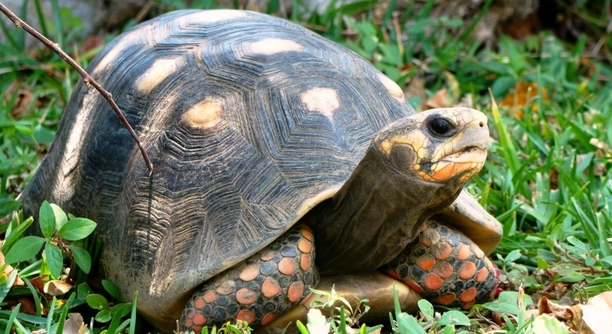
Red-footed tortoises are fascinating creatures that enjoy a variety of foods in their diet. Many owners wonder if these reptiles can safely eat strawberries and how much is suitable for them.
Yes, red-footed tortoises can eat strawberries in moderation. Strawberries are a good source of vitamins and antioxidants but should be given occasionally to avoid sugar overload and ensure a balanced diet.
Learning the right portion size and how often to offer strawberries can help your tortoise stay healthy and happy. Keep reading for more details on feeding this tasty treat to your pet.
Can Red-Footed Tortoises Eat Strawberries Safely?
Red-footed tortoises enjoy a variety of foods, including fruits like strawberries. These fruits can provide important nutrients such as vitamin C, antioxidants, and fiber. However, while strawberries are safe in small amounts, they should not be a regular part of their diet. Strawberries are high in sugar, and feeding them too often could cause health problems like obesity or digestive issues in your tortoise. Offering them occasionally as a treat will ensure that your tortoise gets the benefits of the fruit without the risks. Always remember to wash the strawberries well to remove any pesticides or chemicals before offering them to your tortoise.
Strawberries can be a refreshing treat, but moderation is key. They should not replace the regular leafy greens and other vegetables that should make up the bulk of your tortoise’s diet.
By sticking to occasional strawberry servings, you ensure that your red-footed tortoise gets the nutrients it needs while avoiding potential harm. A healthy balance of fruits, vegetables, and safe treats will keep your tortoise thriving.
How Often Can You Feed Strawberries to a Red-Footed Tortoise?
It’s best to give strawberries to your red-footed tortoise no more than once or twice a week. Offering too much fruit, especially high-sugar fruits like strawberries, can throw off the balance of their diet. This could lead to overweight tortoises or trouble with digestion.
When you do feed them strawberries, be sure to cut the fruit into small, manageable pieces. This helps your tortoise eat safely and avoid choking on larger chunks. Additionally, remember that strawberries should be part of a varied diet, not a main food source.
Tortoises thrive on a diet that’s rich in leafy greens, vegetables, and a small amount of fruit. Offering too many strawberries can lead to nutritional imbalance. This is because fruits like strawberries contain high sugar content, which can be harmful if overconsumed. Stick to a variety of fresh vegetables like collard greens, dandelion greens, and leafy lettuces. These offer essential vitamins, minerals, and fiber for your tortoise’s overall well-being.
Always aim to give your tortoise a diverse and balanced diet to ensure it stays healthy for years to come. Fruits like strawberries can still be a fun and healthy treat when fed in moderation.
Nutritional Value of Strawberries for Red-Footed Tortoises
Strawberries are rich in vitamin C, antioxidants, and fiber, all of which are beneficial for red-footed tortoises. However, the high sugar content in strawberries should be considered when incorporating them into their diet. The fruit can provide a small nutritional boost when fed sparingly.
Despite their benefits, strawberries should be viewed more as a treat than a staple. Red-footed tortoises require a variety of nutrients from different sources, especially leafy greens and vegetables. While strawberries contribute some vitamins and minerals, they lack the essential nutrients found in other foods, like calcium and fiber.
Feeding your tortoise strawberries occasionally adds variety to their diet without overloading them with sugar. It’s important to balance fruit intake with vegetables and other nutrient-dense foods. When used properly, strawberries can be a healthy, enriching addition to their meals.
Risks of Overfeeding Strawberries to Red-Footed Tortoises
Overfeeding strawberries to a red-footed tortoise can lead to several health issues. The high sugar content may contribute to obesity, a common problem in captive tortoises. Obesity can, in turn, lead to more serious health concerns like shell deformities or mobility issues. Additionally, an excess of sugar can cause digestive problems such as diarrhea.
These risks can be avoided by offering strawberries in moderation. Too much of any fruit can upset the balance of a tortoise’s diet. While they enjoy fruits like strawberries, the primary focus should be on leafy greens, vegetables, and fiber-rich foods that ensure long-term health. Keeping portions small will help avoid unwanted side effects and keep your tortoise happy and healthy.
Preparing Strawberries for Your Red-Footed Tortoise
When feeding strawberries to your red-footed tortoise, it’s important to wash them thoroughly. This removes pesticides and chemicals that may be harmful. After washing, cut the strawberries into small, bite-sized pieces to avoid choking hazards.
Always remove the stem and leaves of the strawberry before offering it to your tortoise. These parts can be tough to digest and may pose a risk. Serve the fruit in moderation alongside other vegetables or leafy greens, ensuring that it’s just an occasional treat rather than a regular meal.
Safe Alternatives to Strawberries for Red-Footed Tortoises
There are several other fruits that are safer and more beneficial for your tortoise. Apples, melons, and pears are good choices. These fruits, when given in small amounts, provide a similar boost of vitamins without as much sugar.
Leafy greens like kale, dandelion greens, and collard greens are also great staples for your tortoise’s diet. These options should make up the majority of their meals to provide necessary nutrients, such as calcium and fiber, that strawberries alone can’t offer.
Monitoring Your Tortoise’s Health
Keeping an eye on your red-footed tortoise’s health after offering strawberries is essential. Watch for any signs of digestive upset, such as diarrhea or changes in behavior. If these occur, reduce or eliminate strawberries from their diet for a while.
Regularly check your tortoise’s weight to ensure they aren’t gaining too much due to sugary treats. If you notice any significant changes in their appetite or overall well-being, consult a veterinarian for advice.
FAQ
Can I feed strawberries to my red-footed tortoise every day?
No, strawberries should not be fed every day. While they offer some nutritional value, they are high in sugar, which can be harmful in excess. Feeding strawberries daily can lead to obesity and other health problems. It’s best to give them as a treat once or twice a week to keep your tortoise healthy and balanced.
How many strawberries can I give my tortoise at once?
When offering strawberries, give only a small amount at a time. A couple of small pieces should be enough. Keep in mind that fruit should only be a small part of their overall diet, with the majority of their food consisting of leafy greens and vegetables.
Are strawberries safe for baby red-footed tortoises?
Strawberries can be given to baby red-footed tortoises in the same way as adult tortoises, but in smaller portions. Baby tortoises are more sensitive to changes in their diet, so it’s important to introduce fruits like strawberries slowly. Stick to occasional, small servings to avoid digestive problems.
Can strawberries cause diarrhea in red-footed tortoises?
Yes, if your tortoise eats too many strawberries or any fruit that’s too sugary, it could lead to diarrhea. Overfeeding sugary fruits can upset their digestive system. To avoid this, offer strawberries only occasionally and ensure that the rest of their diet is balanced with fiber-rich vegetables and greens.
Are the leaves and stems of strawberries safe for my tortoise?
No, the leaves and stems of strawberries are not safe for your tortoise. These parts are tough to digest and could cause digestive upset or choking. Always remove the leaves and stems before offering strawberries to your tortoise, and serve only the fruit itself.
What other fruits can I feed my red-footed tortoise besides strawberries?
In addition to strawberries, you can offer your red-footed tortoise fruits like apples (without seeds), pears, melons, and papayas. These fruits are lower in sugar and offer a variety of vitamins and minerals. Always ensure that fruits are cut into small, manageable pieces and serve them in moderation.
Can strawberries help with hydration in red-footed tortoises?
Yes, strawberries contain a high water content, which can help with hydration. Offering them occasionally can contribute to keeping your tortoise hydrated, especially if they are not drinking enough water. However, they should not replace regular access to fresh water, which is essential for your tortoise’s health.
Is it okay to feed frozen strawberries to my red-footed tortoise?
While fresh strawberries are best, frozen strawberries can also be offered to your tortoise as a treat. However, ensure they are thawed before feeding them to avoid any risk of choking. Frozen strawberries may not have the same texture as fresh ones, but they still provide similar nutritional value when fed occasionally.
Can strawberries improve my tortoise’s shell health?
Strawberries are rich in antioxidants and vitamin C, which can help boost your tortoise’s immune system. While they are not the primary source for shell health, incorporating strawberries occasionally into a balanced diet can support overall well-being. For shell health, it’s important to prioritize a diet rich in calcium, which is found in leafy greens and vegetables.
What signs should I look for if I overfeed strawberries to my tortoise?
If you overfeed strawberries to your tortoise, watch for signs such as diarrhea, lethargy, or a decrease in appetite. Overconsumption of sugar can upset their digestive system and lead to other health issues. If you notice these symptoms, reduce or eliminate fruits like strawberries from their diet and consult a vet if needed.
Should I feed my tortoise strawberries with the skin on?
Yes, you can feed your tortoise strawberries with the skin on. The skin is safe and contains beneficial fiber and nutrients. Just make sure to wash the strawberries thoroughly to remove any pesticides or chemicals. Cut them into small pieces for easy digestion.
What should I do if my tortoise refuses to eat strawberries?
If your tortoise refuses to eat strawberries, it’s not a problem. Tortoises can be picky eaters and may prefer other foods. Try offering different fruits, vegetables, or leafy greens instead. Ensure that the food you’re offering is fresh and properly prepared. If your tortoise is not eating at all, consult a veterinarian to rule out any health issues.
Can strawberries be harmful to tortoises if they’re not ripe?
Strawberries that are not fully ripe can be harder for your tortoise to digest. It’s best to feed ripe, fresh strawberries. Unripe strawberries can be more acidic, which could cause stomach upset. Always check the fruit for ripeness before offering it to your tortoise.
Can strawberries help prevent vitamin deficiencies in red-footed tortoises?
Strawberries contain vitamin C, which can help prevent vitamin C deficiencies in tortoises. However, they should not be the primary source of vitamin C. Leafy greens like kale, collard greens, and dandelion greens are much richer in nutrients and should make up the bulk of your tortoise’s diet.
Are there any fruits I should avoid feeding my red-footed tortoise?
Yes, some fruits should be avoided because they are too high in sugar or contain substances harmful to tortoises. Grapes, citrus fruits, and cherries, for example, should be avoided. These fruits can cause digestive issues or even kidney problems in some tortoises, especially if fed too frequently. Always research any new food before offering it to your pet.
What are some other treats I can offer my red-footed tortoise?
Other than strawberries, you can offer your tortoise safe treats like dandelion greens, hibiscus flowers, and even small amounts of cooked sweet potato. These can be nutritious and enjoyable for your tortoise without posing risks like sugary fruits. Always ensure the treats you offer are safe and appropriate for their species.
Final Thoughts
Feeding your red-footed tortoise strawberries can be a fun and healthy treat when done in moderation. While strawberries offer some beneficial nutrients like vitamin C and antioxidants, they are high in sugar, which can cause health issues if overfed. It’s important to remember that strawberries should not be a staple food for your tortoise. Instead, they should be offered occasionally, along with a balanced diet of leafy greens, vegetables, and other fruits that are lower in sugar. This will ensure that your tortoise gets a variety of nutrients to stay healthy and thrive.
When offering strawberries, always wash them thoroughly to remove any harmful pesticides or chemicals. Additionally, cut them into small pieces to make it easier for your tortoise to eat. Removing the stems and leaves is also important, as these parts can be difficult for your tortoise to digest. By taking these simple steps, you can safely include strawberries in your tortoise’s diet without risking any health problems. Just be sure to keep the portion size small and avoid feeding strawberries too often. Moderation is key to maintaining a balanced diet for your pet.
Overall, strawberries can be a fun treat for your red-footed tortoise as long as they are fed responsibly. By keeping their diet varied and focused on leafy greens and vegetables, you will ensure that your tortoise gets all the essential nutrients it needs. If you’re ever unsure about what to feed your tortoise or notice any health changes, don’t hesitate to consult with a veterinarian. Their expert advice can help you make the best choices for your pet’s diet and well-being.

Hello,
If you enjoy the content that we create, please consider saying a "Thank You!" by leaving a tip.
Every little bit helps us continue crafting quality advice that supports the health, happiness, and well-being of pets around the world, for pets of all shapes, sizes, and species.
We really appreciate the kindness and support that you show us!