
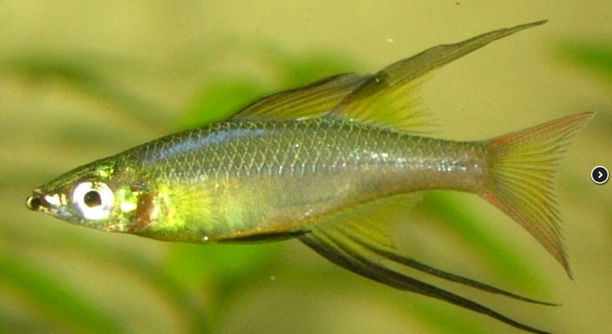
Do you ever find yourself adjusting your aquarium filters without thinking about how it affects your fish? Threadfin Rainbowfish are sensitive creatures that respond to even small changes in their environment. Proper care helps them thrive.
Certain filter settings can disturb Threadfin Rainbowfish by creating excessive water flow, inconsistent oxygen levels, and unnecessary vibrations. Maintaining gentle, stable filtration ensures their comfort and reduces stress, supporting their overall health, natural behavior, and longevity in a home aquarium.
Understanding these filter settings is important for keeping your fish calm and healthy. We will outline practical ways to avoid disturbing your Threadfin Rainbowfish.
High Water Flow
Threadfin Rainbowfish prefer gentle water movement. Strong currents can tire them out and cause stress, making them hide more often. In aquariums with powerful filters, fish may struggle to swim freely or maintain position. This constant effort can affect their appetite and overall behavior. Adjusting the flow using filter settings or baffles allows the water to circulate without overwhelming your fish. Observing how your Rainbowfish interact with the current can help determine the right balance. Over time, fish exposed to excessive flow may show signs of stress like faded colors or erratic swimming. Providing areas with calmer water, like behind decorations or plants, lets them rest when needed. Maintaining a consistent flow also supports proper oxygenation and prevents debris from settling while keeping fish comfortable. Small changes in filter speed can make a big difference, ensuring your Threadfin Rainbowfish remain healthy and active without unnecessary stress.
Gentle flow is key to keeping Threadfin Rainbowfish active and stress-free, promoting natural behavior and optimal health in the tank environment.
Observing your fish for signs of stress, like clamped fins or constant hiding, helps you fine-tune water movement. A well-adjusted filter benefits both fish and tank maintenance, creating a stable, peaceful environment.
Excessive Noise
Threadfin Rainbowfish are sensitive to vibrations and sounds in their aquarium. Loud or constant noises from filters can startle them, causing anxiety or hiding. Even small hums or rattles may affect their comfort over time. Placing filters on soft pads or adjusting settings to reduce vibration can help. Fish that feel secure in a quieter tank are more likely to eat well and display natural swimming patterns. Noise reduction also benefits other tank inhabitants, promoting a calmer environment overall. Monitoring your fish’s behavior when introducing new equipment ensures they adapt without stress. Filters that are properly maintained and cleaned tend to operate more quietly. Choosing low-noise models and positioning them thoughtfully reduces disturbance. Over time, the small adjustments in sound levels can significantly improve your fish’s quality of life, helping them stay active, vibrant, and healthy in their tank.
Threadfin Rainbowfish respond positively to calmer tank conditions, which reduces stress and encourages normal behavior.
Managing filter noise requires regular maintenance, careful placement, and attention to tank acoustics. Some filters produce low-frequency vibrations that humans barely notice but can unsettle sensitive fish. Using rubber pads or foam beneath equipment dampens vibrations effectively. Additionally, avoiding over-tightening parts prevents mechanical buzzing. Observing how your Rainbowfish react after any changes is important; sudden starts or frantic swimming indicate the noise level is still high. Consistent, gentle filtration combined with minimal disturbance creates a stable environment, allowing fish to swim naturally and feed without hesitation. Over time, quieter conditions also reduce stress-related health issues, such as weakened immune systems or slowed growth. Paying attention to subtle signs of discomfort ensures that your fish remain comfortable and vibrant, and that the tank maintains a balanced ecosystem that benefits all inhabitants.
Sudden Temperature Fluctuations
Threadfin Rainbowfish are highly sensitive to temperature changes. Rapid shifts in water temperature can stress them, leading to weakened immunity and reduced activity. Maintaining stable warmth helps them swim calmly and feed normally, keeping their colors vibrant.
Even small fluctuations caused by heater malfunctions or placement near windows can disturb these fish. Sudden cold or hot spots in the tank make them hide or gasp at the surface. Using a reliable heater with consistent settings prevents temperature swings. Checking water temperature daily ensures stability and allows you to adjust before it impacts your fish. Gradual changes are essential if you need to raise or lower the tank’s temperature. A thermometer placed near their swimming areas gives a clear picture of water consistency, while layering plants or decorations can help buffer small changes. Stability in temperature supports overall health and reduces stress, letting Threadfin Rainbowfish display normal behaviors without interruption.
Monitoring your tank regularly is key to preventing sudden temperature shocks. Even minor adjustments should be made slowly to protect your fish’s well-being.
Overfiltering
Excessive filtration can create strong currents that disturb Threadfin Rainbowfish, making them anxious and less likely to explore their tank. Properly balanced filtration ensures a healthy environment without overexerting your fish.
Overfiltering can lead to constant water movement, which forces Rainbowfish to swim continuously, tiring them out. It may also interfere with oxygen distribution, as water rushes past surfaces too quickly, limiting proper gas exchange. Fish may struggle to maintain position near plants or decorations, reducing their ability to rest comfortably. Adjusting the filter output to match the tank size and stocking density allows water to circulate efficiently while keeping stress minimal. Gentle flow zones, along with calmer areas behind rocks or plants, create natural refuges. Using flow diffusers or partially covering intakes can soften water movement. Monitoring your fish’s behavior over time is crucial; signs of fatigue or hiding indicate overfiltration. Proper filter management balances cleanliness, oxygenation, and comfort, promoting overall health and natural activity for Threadfin Rainbowfish.
Inconsistent Filtration
Threadfin Rainbowfish rely on steady water conditions. Irregular filter performance can create uneven water quality, stressing the fish and affecting their feeding habits. Consistency is key to keeping them healthy.
Filters that stop and start or fluctuate in output can cause sudden changes in water clarity and oxygen levels. Maintaining steady filtration ensures a stable environment where Rainbowfish can swim freely and remain active.
Strong Suction
Strong filter suction can trap or injure small Rainbowfish. Positioning intake areas carefully prevents accidents and keeps fish safe. Filters with adjustable flow or protective guards reduce the risk of stress or harm in the aquarium.
Overcleaned Filter
Excessive cleaning of aquarium filters removes beneficial bacteria needed for water balance. Frequent full cleaning disrupts the biological filtration, leading to sudden spikes in ammonia or nitrites. Maintaining partial, gentle cleaning preserves the ecosystem while keeping water safe for Threadfin Rainbowfish.
Sharp Water Currents
Excessively fast water currents push Rainbowfish into tank walls or decorations, causing stress or injury. Creating calmer zones within the tank helps them navigate comfortably and maintain natural swimming behavior.
FAQ
How do I know if my filter is stressing my Threadfin Rainbowfish?
Signs of stress include hiding, clamped fins, erratic swimming, or faded colors. Fish may avoid strong currents or areas near filter intakes. Observing daily behavior helps detect problems early. Ensuring gentle, consistent water flow reduces stress and allows your fish to swim naturally.
Can adjusting the filter flow really make a difference?
Yes. Threadfin Rainbowfish are small and sensitive to water movement. High flow tires them out and disrupts feeding. Lowering the flow or using diffusers creates calm zones where fish can rest while still maintaining proper filtration. Small adjustments often produce noticeable improvements in activity and comfort.
Is filter noise harmful to Rainbowfish?
Constant vibrations or loud hums can disturb them. Fish respond to subtle sounds humans might not notice. Reducing noise through soft pads, proper placement, and regular maintenance helps maintain a calm tank environment and prevents stress-induced behavior changes.
How often should I clean my filter?
Partial cleaning every few weeks is usually enough. Overcleaning removes beneficial bacteria that maintain water quality. Only rinse media in tank water to preserve bacterial colonies. Keeping biological filtration intact prevents sudden spikes in ammonia or nitrites, which can stress fish.
What temperature should I keep for Threadfin Rainbowfish?
Stable temperatures between 24–28°C (75–82°F) are ideal. Sudden changes cause stress and reduce immunity. Using a reliable heater and thermometer, along with monitoring placement of lights or windows, ensures consistent warmth for healthy, active fish.
Can overfiltration damage my fish?
Excessive filtration produces strong currents that force Rainbowfish to swim continuously. This increases stress and may reduce growth or color vibrancy. Balancing filter strength to match tank size and stocking density ensures circulation without overexerting the fish.
Are there ways to soften strong currents?
Yes. Flow diffusers, partially covering intakes, and creating plant or rock zones slow water movement in specific areas. Providing calmer spaces lets Rainbowfish rest and swim naturally, improving comfort while maintaining filtration efficiency.
Will sudden filter shutdowns harm my fish?
Short periods without filtration are usually safe, but frequent or prolonged stops disrupt water quality. Oxygen levels can drop and waste may accumulate. Ensuring steady operation minimizes stress and keeps the tank environment stable for your Rainbowfish.
How do I handle filter maintenance without stressing the fish?
Perform partial cleaning gradually. Avoid cleaning all media at once. Rinse sponges or cartridges in old tank water, not tap water. This preserves beneficial bacteria and prevents sudden water parameter changes that could upset your fish.
What other adjustments can help reduce filter-related stress?
Position intakes away from swimming areas, use gentle outlets, and create calm zones with plants or décor. Monitoring fish behavior daily ensures changes are effective. Consistent observation allows timely tweaks, keeping Threadfin Rainbowfish active, colorful, and healthy.
How can I tell if water quality is stable after filter adjustments?
Regular testing for ammonia, nitrite, nitrate, and pH ensures water remains safe. Stable results indicate the filter provides proper biological, chemical, and mechanical filtration. Combining careful observation with testing maintains an environment where Rainbowfish thrive.
Are certain filters better for Threadfin Rainbowfish?
Filters designed for gentle flow, low noise, and adjustable output are ideal. Canister or sponge filters often suit their needs well. Selecting equipment that balances efficiency with minimal disturbance helps protect delicate fish from stress.
Can small tweaks in filter placement make a difference?
Yes. Even minor changes in intake or output location can reduce direct currents or vibrations affecting the fish. Positioning filters strategically ensures comfortable swimming paths and resting areas while keeping water clean.
Is it safe to use multiple filters in one tank?
Multiple filters are safe if flow is balanced. Too much combined output can overwhelm Rainbowfish. Using adjustable filters and creating zones with moderate currents ensures efficiency without stressing fish.
How long does it take for Rainbowfish to adapt to new filter settings?
Adaptation varies by individual. Some adjust within hours, others take days. Observing behavior like normal swimming, feeding, and color brightness indicates successful acclimation to new settings. Gradual adjustments are always better than sudden changes.
What role does vegetation play with filter stress?
Plants or decorations provide refuge from strong currents, reduce turbulence, and allow Rainbowfish to rest. They also help disperse water flow, creating calmer zones. Properly arranged plants improve comfort while supporting tank filtration efficiency.
How do I balance oxygenation with gentle flow?
Moderate circulation ensures oxygen reaches all areas without producing strong currents. Adding surface agitation carefully, using diffusers, or adjusting output direction allows adequate oxygenation while keeping Rainbowfish stress-free.
Can filter settings affect breeding behavior?
Yes. Strong currents or noisy filters can prevent spawning, disturb fry, or stress adults. Providing calm, stable water conditions encourages natural breeding behavior and improves survival of eggs and fry.
How often should I monitor fish after changing filters?
Daily observation for at least a week helps track reactions to new settings. Watch for hiding, reduced feeding, or erratic swimming. Consistent monitoring ensures changes support health without causing long-term stress.
Are certain filter media better for Rainbowfish tanks?
Sponge or fine mechanical media is gentle on water flow while maintaining cleanliness. Biological media supports beneficial bacteria, keeping ammonia and nitrite levels low. Combining both ensures fish safety and a balanced ecosystem.
Can temperature and flow interact to stress fish?
Yes. Cold water combined with strong currents can tire fish quickly, while warm, fast-moving water may overstimulate them. Maintaining stable temperature and gentle flow together creates optimal conditions for Threadfin Rainbowfish to thrive.
Do all Threadfin Rainbowfish respond the same to filters?
Individual sensitivity varies. Some tolerate moderate flow or minor noise, others react strongly. Observing each fish and making small, gradual adjustments ensures all tank inhabitants remain comfortable.
Is it safe to run filters at night?
Yes, but some fish may prefer calmer conditions while resting. Using low-noise or reduced-flow settings at night supports their sleep patterns while still maintaining water quality.
How do I know if changes are improving fish health?
Active swimming, bright colors, normal feeding, and social behavior indicate positive responses. Reduced hiding or stress behaviors shows that filter adjustments are effective, keeping Threadfin Rainbowfish healthy and comfortable.
Can I combine different methods to reduce filter stress?
Absolutely. Adjusting flow, reducing noise, creating calm zones, and using plants together provides multiple layers of comfort. This integrated approach ensures your Rainbowfish experience minimal disturbance while the tank remains clean and stable.
How long should each adjustment period last before making another change?
Wait several days to a week between adjustments. This allows fish to acclimate and lets you observe effects. Gradual, patient changes are safer than multiple rapid modifications that could increase stress.
Are there signs that my fish are permanently stressed from filter settings?
Chronic hiding, faded colors, loss of appetite, or illness can indicate prolonged stress. Early detection and correcting environmental factors, including filtration, are essential to prevent long-term health issues.
Can filter adjustments improve fish growth and lifespan?
Yes. Stable, gentle filtration reduces stress, supports proper feeding, and maintains water quality. Healthy, calm fish often display better growth, vibrant colors, and a longer lifespan compared to those in disturbed conditions.
How important is observation compared to measuring water parameters?
Both are critical. Testing water ensures chemical safety, while observation detects behavioral stress signs. Combining monitoring and testing provides a complete picture of how filter settings affect Threadfin Rainbowfish health and comfort.
What is the simplest first step to reduce filter stress?
Start by lowering flow slightly and observing fish behavior. Small, incremental changes can prevent overexertion, improve comfort, and reveal whether further adjustments are needed without risking water quality or fish health.
Threadfin Rainbowfish are delicate and sensitive fish that respond strongly to changes in their environment, especially filtration settings. Gentle water flow, stable temperatures, and minimal noise are all essential to keeping them calm and healthy. Small adjustments to filters can make a noticeable difference in their behavior. Fish that are stressed by strong currents or vibrations may hide more, eat less, or display duller colors. On the other hand, a well-maintained filter that provides steady, moderate flow helps Rainbowfish swim naturally, feed properly, and interact comfortably with their surroundings. Observing them regularly allows you to understand what works best in your specific tank and prevents long-term health issues.
Maintaining proper filtration goes beyond just keeping the water clean. Filters also affect oxygen levels, current strength, and tank stability. Overly powerful filters can tire fish, while inconsistent filtration can lead to sudden changes in water quality, which are stressful. Proper filter placement and the use of flow diffusers or protective guards can reduce these issues. Including plants, rocks, or decorations creates calmer areas where Rainbowfish can rest and avoid strong currents. Regular maintenance is also crucial, but it should be done carefully. Partial cleaning of filter media in old tank water preserves beneficial bacteria that keep water chemistry stable. By balancing cleanliness, flow, and noise, you create a comfortable environment that supports the fish’s health and natural behavior.
Ultimately, caring for Threadfin Rainbowfish requires attention to both their environment and their behavior. Small details, like adjusting the filter’s speed, reducing vibration, or ensuring temperature stability, all contribute to their well-being. Regular observation and testing allow you to detect stress early and make improvements before it affects the fish’s health. By creating a calm, steady tank environment, you give Rainbowfish the best chance to display vibrant colors, swim actively, and thrive long-term. Understanding the relationship between filter settings and fish behavior helps ensure that your aquarium is both functional and supportive for its delicate inhabitants. These steps may seem minor, but they significantly improve comfort and reduce stress, allowing Threadfin Rainbowfish to live happy, healthy lives in a balanced tank.

Hello,
If you enjoy the content that we create, please consider saying a "Thank You!" by leaving a tip.
Every little bit helps us continue crafting quality advice that supports the health, happiness, and well-being of pets around the world, for pets of all shapes, sizes, and species.
We really appreciate the kindness and support that you show us!