
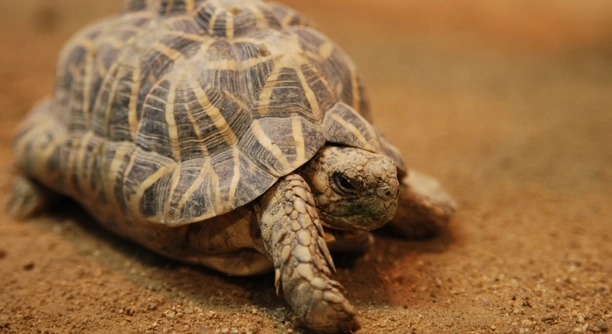
Turtles need places to hide in their tanks, offering them a sense of security. These hiding spots help reduce stress and improve their well-being. This article will cover seven of the best hiding spots you can add to your turtle tank.
The best hiding spots for turtles should provide a safe, dark area where they can retreat when they feel threatened. Common options include cave structures, submerged plants, and DIY hideouts. These spots mimic natural habitats, promoting healthy turtle behavior.
A variety of hiding options can be found to create a comfortable environment for your turtle. Adding these elements will not only help with their health but also make their habitat more enjoyable.
1. Natural Rock Caves
Rock caves are one of the most natural hiding spots for turtles. These caves replicate the turtle’s natural environment, giving them a dark, sheltered area to retreat to when they feel stressed. The texture and structure of the rocks make turtles feel safe, as it mimics the rocky habitats they may find in the wild. These caves should be large enough for the turtle to move around comfortably but small enough to provide a sense of security. You can find various artificial rock caves designed for aquariums that mimic this effect.
Many commercial rock caves are available that fit well into turtle tanks. The size of the cave should match your turtle’s size for proper comfort and security. These hides help keep your turtle stress-free, which is vital for overall health.
Additionally, placing the rock cave near the tank’s basking area can create a nice balance between hiding and sun exposure. Having a secure space helps your turtle feel at ease and reduces unwanted stress in their environment.
2. Floating Platforms
Floating platforms are another great addition to your turtle tank. These provide a place for your turtle to rest above the water while offering a secure spot to hide. Floating platforms often feature small, sheltered areas underneath them, providing a dark, secluded space for the turtle.
A floating platform is especially beneficial for aquatic turtles who need easy access to both land and water. The platform can be placed in areas that give your turtle the option to quickly hide or bask as needed. This versatility makes it a useful addition to any tank setup.
Adding floating platforms with a slight overhang allows your turtle to hide underneath. This space helps them feel less exposed and more comfortable in their tank. It also keeps them from feeling overwhelmed by constant movement in the tank.
3. Submerged Driftwood
Submerged driftwood offers an ideal hiding place for turtles. The natural look of driftwood in the water creates a more comfortable, realistic environment. Turtles often seek out these types of structures for hiding. Driftwood can also provide surfaces for climbing or resting, adding to the tank’s enrichment.
The size of the driftwood should be suitable for your turtle, allowing it to crawl underneath or around it. Turtles naturally hide in crevices or submerged objects when they need a break from their tank’s activity. The driftwood’s uneven texture also allows the turtle to feel secure while staying hidden from view.
Place the driftwood in a quiet corner of the tank, away from heavy activity. The added benefit of driftwood is that it offers both hiding and basking opportunities. When positioned well, driftwood can serve as a multipurpose element, supporting both the turtle’s need for shelter and its natural behavior.
4. Plastic Hideouts
Plastic hideouts are simple, effective, and easy to clean. They are lightweight, making them easy to move around the tank. These hideouts come in various shapes and sizes to fit different tank setups. They provide a reliable, affordable option for creating hiding spots.
A plastic hideout can be placed near the bottom of the tank, allowing the turtle to access it when it feels the need to retreat. It also serves as a safe space from tank mates if you have multiple turtles. The smooth, easy-to-clean surface is especially useful for keeping your turtle’s habitat sanitary.
Choose a hideout with small, secure entrances to avoid your turtle feeling exposed. It should be large enough for your turtle to enter comfortably, but not too spacious that it loses its sense of security.
5. PVC Pipes
PVC pipes are a practical and affordable option for turtle tanks. They provide a simple, effective hiding space that is easy to clean. Turtles love hiding in dark, enclosed spaces, and PVC pipes offer this comfort. They also mimic the natural tunnels turtles may find in the wild.
You can easily place a PVC pipe horizontally or vertically in the tank. The tube should be large enough for the turtle to move in and out without difficulty. Make sure the pipe is smooth to avoid injuring your turtle while it explores. These pipes are lightweight and can be rearranged easily.
6. Plants and Aquatic Vegetation
Plants not only provide hiding spots for turtles but also help improve the overall tank environment. Submerged plants, such as water grasses or aquatic ferns, offer great cover for your turtle. They also help with water quality by absorbing excess nutrients.
Choose live plants for added benefits like oxygenation and natural filtration. You can mix floating and rooted plants to create layers of hiding spots. Turtles will use these plants to hide, rest, or even forage for food. Ensure the plants are safe and non-toxic for your turtle.
7. Terracotta Pots
Terracotta pots are another effective and simple way to create hiding spaces. The material offers a cool, safe environment for turtles, especially if they need to retreat from the heat. The open-ended design provides easy access, but still feels cozy and private for your turtle.
The pots should be placed on their side to create an entrance. You can bury them partially in the substrate to make them feel more secure. Terracotta pots are durable, and their weight helps prevent them from shifting easily in the tank.
FAQ
What are the benefits of having hiding spots for turtles?
Hiding spots are essential for a turtle’s well-being. They help reduce stress and provide a safe space where turtles can retreat when feeling threatened or overwhelmed. Turtles are naturally shy creatures, and a hiding spot gives them a place to relax. Stress from being constantly exposed can lead to health problems, so providing these spaces promotes better behavior and overall health.
Additionally, hiding spots mimic natural environments, allowing turtles to feel more at home. When they have a place to retreat, they are less likely to exhibit signs of stress, such as pacing or hiding at the tank’s surface. These spaces also provide opportunities for turtles to sleep and bask in a quiet, secure area.
How many hiding spots should I have in my turtle tank?
Having multiple hiding spots in your turtle tank is a good idea, especially if you have more than one turtle. Each turtle should ideally have access to its own space where it can retreat. This is particularly important if you have multiple turtles that may compete for hiding areas, as having several spots can help reduce territorial disputes.
You don’t need to go overboard with hiding spots, but having at least two or three is a safe bet. Space them out throughout the tank, so your turtles have options no matter where they are. This setup helps keep the environment peaceful and balanced.
Can turtles use caves or tunnels in their tanks?
Yes, turtles love caves or tunnels, especially if they feel secure inside. Caves are perfect because they offer shelter and a quiet place for the turtle to retreat. Tunnels are also a great option, as they mimic the burrowing behavior turtles may use in the wild to escape predators.
When choosing caves or tunnels, ensure they are large enough for your turtle to enter and exit easily. The entrance should not be too narrow, as it could restrict movement. Adding a few tunnels or caves at different locations in the tank gives your turtle various options, so it always has a safe spot available.
Are artificial hiding spots as good as natural ones?
Artificial hiding spots can be just as effective as natural ones, as long as they meet your turtle’s needs. Many commercial hideouts are designed with turtles in mind and can offer the same benefits as natural objects like rocks or driftwood. The most important thing is that the hiding spot provides shelter, security, and comfort.
Natural hiding spots like rocks, plants, or driftwood may have an added benefit of helping to simulate the turtle’s natural habitat. These types of hides often provide a more natural feel for your turtle, which can help with its overall stress levels. However, artificial options are easier to clean and often more durable.
Can I use plants as hiding spots for my turtles?
Yes, plants can make excellent hiding spots for turtles. Submerged aquatic plants provide plenty of coverage and give turtles a place to hide, rest, and even forage for food. Floating plants also create shaded areas that turtles can use for hiding. Plants not only serve as hiding spots but also help improve water quality by filtering the tank.
Make sure that any plants you choose are safe for turtles, as some plants may be toxic or cause harm. You can use a mix of floating and rooted plants to create layers of hiding spaces. The plants should be sturdy enough to withstand your turtle’s movements without being uprooted.
Do turtles need access to both land and water to hide?
Yes, turtles are semi-aquatic and need access to both land and water to feel comfortable. While they spend a significant amount of time in the water, turtles also need dry spots to rest, bask, or hide. A tank setup that includes both aquatic and terrestrial areas gives your turtle the flexibility to choose where it feels most secure at any given time.
If you’re creating hiding spots, make sure to have options both in the water and on land. This way, your turtle can retreat to a secure hiding spot in either area, depending on its needs. A basking platform near the water can offer both a place to hide and a spot to soak up warmth.
How often should I clean the hiding spots?
Cleaning hiding spots is crucial for maintaining a healthy tank. You should clean the hiding spots at least once a week to remove any waste, algae, or debris that could accumulate. If your turtle frequently uses a particular hiding spot, it may need to be cleaned more often.
To clean, use an aquarium-safe cleaner or just rinse the hides with warm water. Avoid using harsh chemicals, as they could harm your turtle. Make sure the hiding spots dry completely before placing them back in the tank. Regular cleaning helps prevent bacteria buildup and keeps the turtle’s environment fresh.
Can I make my own hiding spots for the turtle tank?
Yes, you can create your own hiding spots using safe, natural materials. For example, you can use large rocks, PVC pipes, or even terracotta pots to create customized hiding spaces. DIY options can be more affordable and allow you to design the tank layout in a way that works best for your turtle.
When making your own hiding spots, make sure to use materials that are safe for your turtle and won’t harm it. Smooth edges are important to avoid injury, and ensure the materials are durable enough to withstand the turtle’s activities. DIY hides can also be a fun way to personalize your turtle’s tank.
Final Thoughts
Creating a comfortable and secure environment for your turtle is essential for its well-being. Providing various hiding spots helps reduce stress and promotes healthier behavior. Turtles, like many animals, feel safer when they have a place to retreat, especially when they feel threatened or overwhelmed. These hiding spots mimic natural environments, allowing your turtle to feel more at ease in its tank. The right setup can make a big difference in your turtle’s overall happiness and health.
There are many options available for hiding spots, ranging from simple materials like PVC pipes to more elaborate designs like rock caves and floating platforms. Each type of hiding spot serves a different purpose, whether it’s offering shade, creating a place to rest, or simply giving your turtle a safe space to hide. It’s a good idea to incorporate a variety of hides in your tank, as this gives your turtle the freedom to choose which spot works best for it at any given time. The more choices your turtle has, the more likely it is to feel secure in its environment.
Remember, the key to a healthy and happy turtle is providing a tank that closely resembles its natural habitat. Offering the right hiding spots, along with a balanced tank environment, ensures that your turtle can thrive. Regular cleaning and maintenance of these spots are also important to keep the tank fresh and free from harmful bacteria. By taking the time to set up a comfortable and secure habitat, you help ensure your turtle has a long, healthy life.

Hello,
If you enjoy the content that we create, please consider saying a "Thank You!" by leaving a tip.
Every little bit helps us continue crafting quality advice that supports the health, happiness, and well-being of pets around the world, for pets of all shapes, sizes, and species.
We really appreciate the kindness and support that you show us!