
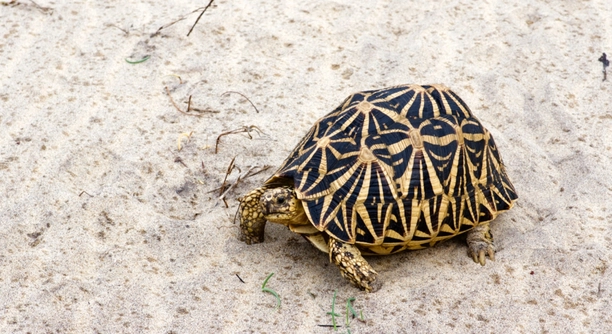
Turtles are fascinating creatures, and like all pets, they require proper care to stay healthy. If you’ve noticed hard bumps forming on your turtle’s shell, it’s important to understand what might be happening.
Hard bumps on a turtle’s shell can be caused by a variety of factors, including nutritional imbalances, bacterial or fungal infections, or natural growth patterns. These bumps can sometimes indicate health issues that may need professional attention.
Identifying the cause behind these bumps will help you provide better care for your turtle and ensure they stay healthy.
Common Causes of Hard Bumps on Your Turtle’s Shell
Hard bumps on a turtle’s shell can develop due to several reasons, but they are often linked to issues with diet, environmental factors, or shell infections. Nutritional imbalances, especially a lack of calcium, can lead to the formation of these bumps. Without enough calcium, a turtle’s shell may not grow properly, and abnormal lumps can appear. Another common cause is shell infections, where bacteria or fungi enter through cracks or soft spots in the shell. These infections can cause swelling and bumps. Finally, age can be a factor; as turtles grow, they may naturally develop bumps or ridges on their shells.
It’s essential to look at your turtle’s diet, habitat, and overall health when assessing the cause.
Keeping your turtle’s shell healthy is a combination of providing the right food and maintaining a clean, safe living space. Regularly inspect their shell for cracks or injuries that could invite infections. If you notice hard bumps, take action right away. Consult a vet to check if your turtle needs a special diet or medication to clear up infections. This approach helps ensure that your turtle remains healthy and that their shell develops correctly without complications.
How to Prevent Hard Bumps from Developing
One of the best ways to prevent bumps from forming on your turtle’s shell is by feeding them a balanced diet that includes the right amount of calcium. A lack of calcium can cause shell deformities. Regular exposure to natural sunlight is also crucial, as UV rays help turtles process calcium effectively. If your turtle is kept indoors, a UVB lamp should be used to simulate sunlight. Regularly cleaning your turtle’s habitat and changing their water also prevents the buildup of harmful bacteria and fungus.
It’s easy to overlook the importance of these simple measures, but they make a big difference in keeping your turtle healthy.
Diagnosing Shell Infections
Shell infections can occur if there is a crack or injury in your turtle’s shell, allowing bacteria or fungi to enter. Infections often cause swelling, discharge, and sometimes hard bumps. If left untreated, these infections can become severe and cause long-term damage to the shell.
It’s important to regularly inspect your turtle’s shell for any signs of injury. If you notice cracks or soft spots, be sure to clean the area gently to avoid infection. Keeping your turtle’s habitat clean is crucial in preventing bacteria or fungi from spreading. If you see any discharge or swelling around the bumps, it’s time to consult a veterinarian. They may prescribe antibiotics or antifungal treatments depending on the type of infection. Prompt treatment will help your turtle recover quickly.
The best way to prevent shell infections is by maintaining a clean environment. Regularly change the water and remove waste from the tank. Make sure your turtle has a safe area to bask in, as proper basking can prevent fungal growth and maintain overall health. Avoid handling your turtle roughly, as this can lead to shell injuries.
The Role of Diet in Shell Health
A balanced diet is vital for your turtle’s overall health and shell development. Turtles need sufficient amounts of calcium, protein, and vitamins to grow properly. Without a proper diet, your turtle may develop abnormal growths or hard bumps on its shell.
Providing calcium-rich foods like dark leafy greens, cuttlebone, or calcium supplements will help your turtle maintain a healthy shell. Avoid overfeeding protein, as this can cause imbalances in their diet. Consider a varied diet of vegetables, fruits, and a few commercial turtle pellets to ensure they are getting all the necessary nutrients.
In addition to calcium, your turtle needs vitamins like Vitamin D3 to properly absorb calcium. Without enough Vitamin D3, your turtle might not fully benefit from the calcium in its diet. Ensure that your turtle receives enough UVB light for proper vitamin D synthesis. Keep an eye on their eating habits and adjust their diet as needed to avoid any nutritional deficiencies.
The Impact of Temperature on Shell Health
Temperature plays a significant role in your turtle’s health. If their environment is too cold or too hot, it can lead to stress, poor shell growth, and the development of hard bumps. Maintaining a stable temperature is key.
Turtles need a warm area to bask and a cooler zone for swimming. The basking spot should be around 85-90°F, while the water temperature should be between 75-80°F. A drastic temperature change can weaken your turtle’s immune system, making it more prone to shell issues. Check the temperature regularly to ensure it’s within the proper range.
Proper Habitat Maintenance
A clean habitat is essential for keeping your turtle’s shell healthy. Dirty water or a cluttered tank can lead to bacteria and fungus growth, increasing the chances of infection. Regular cleaning will keep harmful microorganisms at bay.
Make sure to replace the water frequently and remove any debris. Filtration systems can help maintain water quality, but you should still clean the tank regularly. Providing a proper basking area is equally important, as it helps keep the turtle dry and encourages proper shell growth. Regular habitat maintenance reduces the risk of health problems for your turtle.
Stress and Shell Growth
Stress can affect your turtle’s overall health, including its shell. Stress factors like overcrowding, improper lighting, or constant handling can hinder shell growth and lead to deformities. Ensuring a calm and safe environment will help prevent this.
Keeping stress levels low by providing appropriate tank space, a balanced environment, and minimizing excessive handling will encourage proper shell development. Always monitor your turtle for signs of stress such as erratic behavior, lack of appetite, or excessive hiding. Addressing these factors will promote a healthier and more stable shell growth process.
FAQ
What should I do if my turtle’s shell has hard bumps?
If your turtle’s shell has developed hard bumps, it’s important to assess their overall health first. Check for any signs of injury or infection, such as swelling or discharge. If you notice cracks, consult a vet to prevent further damage or infection. If the bumps are linked to poor nutrition, adjusting their diet can help. Make sure your turtle is receiving enough calcium and other essential nutrients. Regularly monitor their shell for any changes and keep their habitat clean. If the bumps persist, a visit to the vet for proper diagnosis and treatment is recommended.
Can hard bumps be a sign of shell rot?
Hard bumps can sometimes be linked to shell rot, but they are not always the direct cause. Shell rot often results from a bacterial or fungal infection that affects the shell’s outer layers, leading to soft, decayed spots. However, hard bumps might be a sign of other issues like growth abnormalities, calcium deficiency, or age-related changes. If the bumps are accompanied by visible signs of damage or infection, it’s important to take action immediately by cleaning the affected area and consulting a veterinarian to determine the exact cause and treatment.
How can I prevent my turtle from developing hard bumps?
Preventing hard bumps starts with maintaining a balanced diet and providing proper care. Ensure your turtle receives adequate calcium, which is vital for shell health. If your turtle is housed indoors, use a UVB light to help them absorb calcium from their food. Keep their tank clean, change the water regularly, and provide enough space for basking. Avoid rough handling, which can lead to injuries. Also, make sure your turtle’s environment is set at the right temperature. Consistently following these steps will greatly reduce the likelihood of shell issues developing.
Are hard bumps on my turtle’s shell normal as they age?
Yes, it is normal for older turtles to develop bumps or ridges on their shells. As turtles grow, their shells naturally change shape and develop patterns. These bumps are often a sign of healthy shell growth and can be expected over time. However, if these bumps become larger, cause discomfort, or are accompanied by signs of infection, it is important to have them evaluated by a vet. Pay close attention to your turtle’s behavior and shell health, and ensure they are living in the right environment for their age.
Could stress cause my turtle to develop hard bumps on its shell?
Yes, stress can potentially affect your turtle’s overall health, including its shell. When turtles are stressed, it can lead to weakened immune systems, making them more susceptible to infections and other health issues. Stress factors can include overcrowded tank conditions, improper water temperature, lack of UVB light, or excessive handling. To reduce stress, ensure that your turtle’s habitat is spacious, well-lit, and clean. Monitor their behavior and avoid situations that may cause anxiety. Keeping your turtle in a calm, stable environment will help prevent shell problems, including hard bumps.
How often should I check my turtle’s shell for bumps or other issues?
You should regularly inspect your turtle’s shell during routine care, ideally once a week. This allows you to catch any changes or issues early. Look for signs of bumps, cracks, discoloration, or soft spots. During this time, check the overall condition of the shell and make sure it’s clean and free of debris. If you notice anything unusual, like hard bumps or swelling, take action immediately by cleaning the affected area and observing any other symptoms. Regular check-ups help prevent small problems from turning into bigger ones.
Can I treat hard bumps on my turtle’s shell at home?
In some cases, mild bumps may not require immediate professional attention and could resolve with proper care. If the bumps are due to poor nutrition, adjusting your turtle’s diet to include more calcium-rich foods might help. You can also use a soft cloth to gently clean the shell and remove any debris. However, if the bumps are hard, persistent, or accompanied by swelling, discharge, or visible cracks, it’s best to consult a veterinarian. Self-treatment without proper guidance can lead to complications, so seeking expert advice is the safest option.
What type of food helps prevent shell issues?
To prevent shell issues, feed your turtle a diet rich in calcium, which is crucial for shell development. Dark leafy greens like kale, collard greens, and dandelion greens are excellent sources of calcium. You can also provide calcium supplements or cuttlebone. Additionally, offering a balanced diet that includes vegetables, fruits, and a small amount of protein will ensure your turtle receives all the necessary nutrients. Avoid feeding them too much protein, as this can lead to an imbalance in their diet and affect their shell health.
What should I do if my turtle’s shell is soft or damaged?
A soft or damaged shell is a sign of poor health and needs immediate attention. A soft shell often indicates a calcium deficiency or other health issue. Begin by ensuring your turtle is getting enough calcium through their diet, supplements, or UVB light exposure. If the shell has visible damage or cracks, take your turtle to a vet immediately. Shell damage can lead to infections if not treated promptly. The vet may provide medication, a special diet, or suggest changes to their habitat to encourage healing.
Is it normal for a turtle’s shell to grow in uneven patterns?
Turtles may have uneven shell growth at times, but this is generally a natural process. However, if the unevenness is accompanied by hard bumps, it could be a sign of a health issue such as nutritional deficiencies or infections. As long as the shell is growing in a generally healthy and smooth manner, minor imperfections or irregularities can be normal. If you notice significant changes or deformities, it’s best to consult a vet for further evaluation to rule out underlying health concerns.
Final Thoughts
Turtles are resilient creatures, but like any pet, they need proper care to stay healthy. If you notice hard bumps on your turtle’s shell, it’s important to first understand the potential causes. Nutritional imbalances, shell infections, and natural growth patterns can all lead to these bumps. While some minor changes to the shell can be part of normal development, others may signal a health issue that requires attention. Regularly inspecting your turtle’s shell, providing a balanced diet, and maintaining a clean environment are all key steps to ensure their well-being.
When dealing with hard bumps, taking early action is essential. If you’re unsure of the cause, it’s always best to consult a veterinarian. They can diagnose any underlying health issues and recommend treatment if necessary. Keep in mind that small bumps due to growth or age may not require intervention, but if the bumps are persistent, painful, or associated with other symptoms like swelling or discharge, professional care is necessary. Taking the time to understand your turtle’s needs and seek appropriate help will ensure they stay healthy for years to come.
In the end, the health of your turtle’s shell depends largely on the care you provide. Regular check-ups, a balanced diet, proper habitat conditions, and stress management all play a role in keeping your turtle’s shell in the best shape possible. Remember that turtles, like all pets, require attention and care to thrive. By staying proactive and attentive to your turtle’s health, you can help them live a long, happy life with a strong and healthy shell.

Hello,
If you enjoy the content that we create, please consider saying a "Thank You!" by leaving a tip.
Every little bit helps us continue crafting quality advice that supports the health, happiness, and well-being of pets around the world, for pets of all shapes, sizes, and species.
We really appreciate the kindness and support that you show us!