
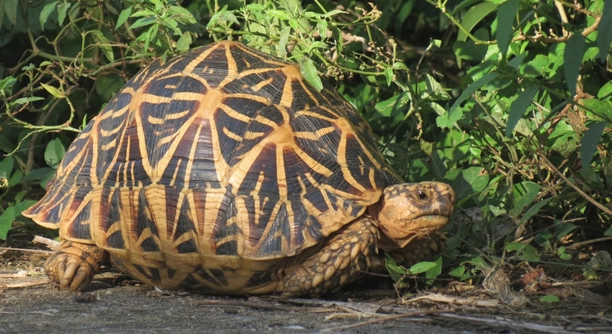
Turtles are fascinating creatures, and many turtle owners have noticed their pets staring at them. It’s a curious behavior that might make you wonder what’s going on inside their little heads.
Turtles may stare at their owners as a way to observe their environment or communicate. This gaze often indicates interest, curiosity, or a desire for food or attention. It’s a behavior tied to their natural instincts.
Understanding why your turtle stares at you can help improve your bond with it. By recognizing the reasons behind this behavior, you can ensure your turtle feels secure and comfortable in its environment.
Why Turtles Stare at You: The Basics
Turtles are naturally curious creatures. When they stare at you, it’s likely because they are trying to understand their surroundings or learn more about what you’re doing. Unlike pets like dogs or cats, turtles are more reserved in their interactions, often preferring to observe from a distance. Staring can be a sign that your turtle is intrigued or simply getting comfortable with its environment. If you’ve just brought your turtle home, this behavior may be a way of adjusting to its new space. Turtles are also intelligent and have great eyesight, allowing them to pick up on small details, like your movements or the sound of a door opening. They might also be watching you to figure out what’s happening next in their environment, such as when food will be offered.
Being aware of your turtle’s body language can help you understand its needs better. When a turtle stares, it’s not always a bad sign—it can also be an opportunity to bond with it, even if it’s more passive than active.
Turtles take time to adjust to new people and situations. While it may seem like they are staring, they might simply be observing to feel more at ease. Over time, they may become more comfortable and stop staring so intently.
Does Your Turtle Want Food or Attention?
Sometimes, turtles stare because they are expecting something. If they associate you with feeding time, they may lock eyes with you in anticipation. This is a natural response when they’re hungry, as they quickly learn to associate their owners with food. Turtles are not the most active animals when it comes to seeking attention, but they do respond well to food cues.
Your turtle may have learned to expect food when it sees you approach. If you’ve created a consistent routine of feeding them at certain times of day, your turtle may be waiting for its next meal. While some reptiles, like iguanas, actively beg for food, turtles are more likely to wait and observe until they sense that it’s time to eat. This behavior is often based on the turtle’s instincts to conserve energy and only expend effort when necessary.
In addition to food, turtles might also be staring at you if they seek interaction. Even though they are more independent, some turtles enjoy human company. You might notice your turtle following your movements or staring in your direction. Offering a gentle touch or moving its food closer may prompt your turtle to show more interest in you. While turtles may not jump for joy when you walk into the room, they often enjoy being familiar with their surroundings and the people around them.
Curiosity and Observation
Turtles are naturally curious and enjoy observing their surroundings. If your turtle is staring at you, it could simply be watching to understand what’s happening around it. This observation helps them assess the safety of their environment.
They may also be noticing small movements you make, like when you move your hand or walk around the room. Turtles rely heavily on their vision to make sense of the world. In the wild, they need to be cautious and aware of predators, so they often observe for long periods. By observing you, your turtle may be learning your patterns and how to interact with you.
This behavior is often harmless and not something to worry about. It’s just a way for them to stay aware of their surroundings. If your turtle is healthy and active, staring is likely just a sign of natural curiosity. It could be waiting for you to move or even just interested in your presence. The longer you have your turtle, the more comfortable it will become with your movements and less focused on staring.
Communication Through Staring
Turtles may stare at their owners to communicate or express a need. If they’re not hungry, they could simply be seeking attention. Their behavior is often more subtle compared to other pets, but it is still a form of interaction.
Turtles can’t communicate with sounds, so they use body language, including staring, to express what they want. If your turtle gazes at you for long periods, it might be trying to make a connection or even asking for more space. Their behavior might change depending on the time of day or how they feel. For example, in the mornings when they’re more active, they may look at you more often in hopes of getting food or seeing something new.
Stress or Discomfort
Turtles may stare when they feel stressed or uncomfortable. This could happen if their environment changes or if they are not feeling well. They might look at you for reassurance or to gauge the situation.
If their habitat isn’t ideal, such as poor lighting, incorrect temperature, or an overcrowded tank, turtles may become stressed. This can lead to staring as a way to process the discomfort. It’s important to monitor their environment to ensure they feel safe and secure. Stress in turtles can affect their health, so try to keep their living space consistent and calm.
Health Concerns
Staring could also signal that your turtle is unwell. If the behavior is new or seems excessive, it may be worth checking for signs of illness. Look for changes in their eating habits, activity level, or shell condition.
If your turtle has been staring more than usual or seems unusually passive, it could be showing signs of stress or illness. Keep an eye on other behaviors, such as changes in eating or swimming patterns, which can help identify any potential health issues. Early detection can lead to better treatment outcomes.
FAQ
Why does my turtle keep staring at me?
Turtles may stare at you for a variety of reasons, including curiosity, hunger, or as a way of getting familiar with their surroundings. They might also stare because they associate you with feeding time or other positive interactions. In some cases, staring can be a form of communication, as they may be trying to tell you something, like needing attention or comfort. If your turtle seems particularly focused on you, it’s most likely observing you to learn more about its environment or waiting for something, such as food.
Can my turtle stare at me because it’s stressed?
Yes, turtles may stare when they are stressed. This behavior can occur if their environment is not ideal—like having incorrect tank temperature, poor water quality, or lack of hiding places. They may stare at you to assess whether things are safe or to gauge your reaction to their discomfort. Stress can also make them more cautious and reserved, leading them to stay still and observe instead of interacting normally. If your turtle’s staring is paired with other signs of stress, like lack of appetite or changes in behavior, it could be a signal that something is wrong in their environment.
Should I be worried if my turtle is staring for a long time?
Generally, a turtle staring for an extended period is nothing to worry about, especially if it is part of its normal behavior. However, if the staring is excessive and accompanied by other signs of distress, such as lethargy, loss of appetite, or strange swimming patterns, it could indicate that the turtle is unwell. It’s important to observe its overall behavior. A turtle’s eyes and body language can tell you a lot about its health, so make sure it has everything it needs in its habitat to feel comfortable.
How do I know if my turtle is staring because it wants food?
Turtles are very good at associating you with food. If your turtle has learned that you feed it at certain times, it may stare at you in anticipation when it’s hungry. The staring may happen more frequently around feeding time or when it sees food being prepared. If your turtle is staring at you and seems particularly focused on the action around food (even when you’re not directly feeding it), it’s likely because it’s hoping for a meal.
Can my turtle be staring at me because it’s bored?
Yes, boredom can cause your turtle to stare. Turtles are more likely to get bored if they have limited enrichment in their environment, such as a lack of new objects to explore or areas to hide in. In the wild, turtles are constantly exploring and foraging, so they may start staring at you or their surroundings out of boredom. Offering new things to interact with, like plants, rocks, or a more varied habitat setup, could help keep them mentally stimulated and prevent them from staring in search of something interesting.
What if my turtle is staring at me and not moving?
If your turtle is staring at you but not moving, it might be trying to assess its environment. It could also indicate that the turtle is feeling cautious or uncertain. If this behavior occurs in a new or unfamiliar environment, it’s a way for the turtle to become accustomed to its surroundings. However, if the lack of movement is prolonged and paired with signs like lethargy or a lack of appetite, it might be a health concern. Turtles can be slow movers by nature, but a total lack of movement may require further observation or a vet checkup.
Is it normal for my turtle to stare at me while I’m doing something else?
Yes, it’s normal. Turtles are observant creatures and will watch their surroundings, including you. If you’re doing something, like moving around or handling objects, your turtle might focus on you out of curiosity or to monitor any potential changes in its environment. This behavior isn’t usually a sign of distress, but more of the turtle simply trying to understand what’s going on. Turtles feel secure when they know their environment is stable, and watching you is part of their instinctual need to assess everything around them.
How can I make my turtle feel comfortable so it stops staring at me?
Making your turtle feel secure can reduce excessive staring. First, ensure its habitat is clean, with the proper temperature, humidity, and lighting for its species. Turtles also need a comfortable place to hide, like a log or a cave, where they can retreat when feeling overwhelmed. Minimizing stress in its environment by avoiding sudden movements and loud noises can help as well. Over time, as the turtle gets accustomed to you and its home, it may stop staring as much and engage in more natural behaviors.
Does my turtle stare because it likes me?
While turtles don’t form bonds in the same way as more social pets like dogs, they do recognize their owners, especially if you’ve been consistent with feeding and care. The staring might be a sign of recognition and familiarity, rather than affection. Turtles are naturally curious, so they may also be staring because they’re interested in what you’re doing. Over time, as your turtle becomes more comfortable with you, it may start showing more passive affection, like following you with its eyes or showing interest in your movements.
How can I tell if my turtle’s staring is due to health issues?
If your turtle’s staring seems out of the ordinary, especially if it’s accompanied by other signs like lack of appetite, abnormal swimming, or discolored skin, it could be an indication of a health issue. Illnesses like respiratory infections, shell rot, or parasites can affect a turtle’s behavior. Staring, in this case, may be a sign that your turtle is feeling unwell or lethargic. Always observe their activity levels and consult a vet if you suspect something is wrong. The earlier you identify the problem, the better the chances of helping your turtle recover.
Final Thoughts
Turtles are fascinating creatures with unique behaviors. While it might seem odd when they stare at you, it’s important to remember that this is a natural part of their character. Whether they’re observing you out of curiosity, waiting for food, or simply adjusting to their environment, their staring is often a sign that they are trying to understand what’s happening around them. Turtles rely heavily on their vision to interact with the world, and observing their surroundings is an essential part of their daily routine. As they get to know you and their home, you might notice the staring decrease or become less intense.
It’s also crucial to remember that staring can sometimes be a way for turtles to communicate their needs. Whether they’re asking for food, attention, or even signaling stress, they can’t speak like other pets. Their behavior is a form of non-verbal communication that helps them express themselves. If you notice your turtle staring for long periods, and it seems more focused than usual, it’s worth considering whether they are feeling stressed or uncomfortable in their habitat. Ensuring that their environment is calm, well-maintained, and properly set up can go a long way in reducing stress and making them feel secure.
In most cases, staring isn’t something to worry about. It’s just one of the many ways turtles interact with their surroundings and learn about their environment. By observing their behavior and understanding the reasons behind it, you can create a more comfortable and positive experience for your turtle. Whether your turtle is simply curious or signaling a need, paying attention to their habits will help you provide the best care. Over time, as you become more familiar with your turtle’s behaviors, you’ll develop a better understanding of its personality and needs.

Hello,
If you enjoy the content that we create, please consider saying a "Thank You!" by leaving a tip.
Every little bit helps us continue crafting quality advice that supports the health, happiness, and well-being of pets around the world, for pets of all shapes, sizes, and species.
We really appreciate the kindness and support that you show us!