
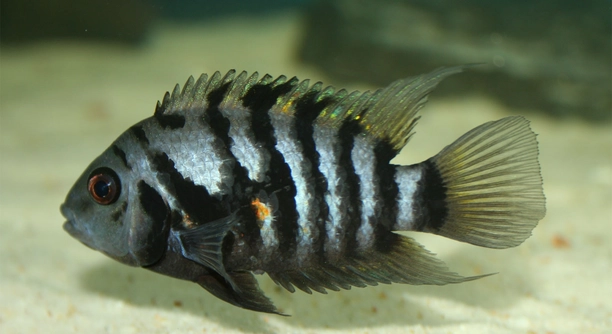
Are your cichlids showing signs of stress or unusual behavior due to water quality issues in their tank? Choosing the right filter can make a big difference in their overall health and comfort.
The best filters for cichlid water conditions provide strong mechanical, biological, and chemical filtration. These systems manage high bioloads efficiently, maintain water clarity, and stabilize pH levels, all of which are essential for the well-being of cichlid species.
Selecting the right filter will help create a stable, healthy environment where your cichlids can thrive with ease and confidence.
Choosing the Right Filter for Cichlids
Cichlids are known for their vibrant colors and territorial behavior, but they also produce a lot of waste. This makes filtration especially important. A proper filter will support water clarity, maintain oxygen levels, and help prevent dangerous ammonia spikes. Canister filters and sponge filters are both excellent options for cichlid tanks. Canister filters provide strong mechanical and biological filtration, ideal for larger tanks and heavy waste loads. Sponge filters are great for fry tanks or as a secondary filter in community setups. When selecting a filter, make sure it’s rated for more than your tank’s actual size. Cichlids need well-oxygenated, clean water to thrive, and underpowered filters often fall short. Routine maintenance also plays a role—cleaning media and checking for blockages ensures the system keeps running smoothly. Investing in the right filter is not just about equipment—it’s about keeping your fish healthy and stable in their environment.
Choose a filter that matches your tank size, fish load, and maintenance style.
Keeping the water clean with consistent filtration helps your cichlids feel less stressed, behave more naturally, and display better colors. Reliable filters reduce the chance of harmful spikes in ammonia or nitrites, especially in heavily stocked tanks.
Best Filters for Cichlid Tanks
Not all filters handle the demands of cichlid tanks equally.
A few filters stand out when it comes to supporting the specific needs of cichlid habitats. The Fluval FX6 is a top choice for large setups, offering powerful flow, multi-stage filtration, and high media capacity. It’s designed to manage heavy waste loads without compromising water clarity. The AquaClear HOB filter is ideal for medium-sized tanks and allows easy customization of media. Its flow control is helpful for sensitive species. The Seachem Tidal 110 provides surface skimming and a self-priming feature, making it user-friendly and effective. For smaller tanks or fry, sponge filters are reliable and gentle, promoting biological filtration without disturbing delicate fish. Canister filters like the Eheim Classic are also known for quiet operation and durability. Each filter has its strengths, so it’s important to pick one based on tank size, budget, and the number of cichlids. A strong, consistent filtration system lays the foundation for healthier fish and clearer water.
Maintaining Water Quality with Proper Filtration
Strong filtration is key, but maintenance matters just as much. Even the best filters won’t work well if the media is clogged or the parts aren’t cleaned regularly. Keeping a schedule helps avoid sudden drops in water quality.
Rinse mechanical filter media every two weeks to remove trapped debris. Biological media should never be cleaned with tap water—use tank water to protect the beneficial bacteria. Replace chemical media like activated carbon monthly, or as needed. Always check for reduced water flow, which can signal a clog or buildup inside the filter. Most filters benefit from a full check every four to six weeks. This includes cleaning the impeller and replacing worn parts. Cichlid tanks need stable water parameters, and small maintenance steps go a long way in preventing problems. Consistent care keeps the filter efficient and helps avoid sudden stress on your fish.
Monitor ammonia, nitrite, and nitrate levels weekly. If levels rise, clean the filter, remove uneaten food, and perform a partial water change. Overfeeding is a common issue, especially with active fish like cichlids. Dirty gravel also traps waste, so use a gravel vacuum during water changes. A strong filter can’t do all the work—routine care keeps everything balanced. Even a minor drop in water quality can stress cichlids and make them more aggressive.
Signs Your Filter Isn’t Working Properly
Reduced water flow and cloudy water are early signs your filter may not be performing well. Odd smells, visible debris, or unusual fish behavior can also point to filtration problems that need quick attention.
If the filter becomes noisy or the water seems stagnant, inspect it right away. Check the intake and output for clogs or buildup. If fish are gasping at the surface, oxygen levels may be dropping due to poor circulation. Cleaning or replacing media, or adjusting the flow rate, can fix the issue quickly. Don’t wait until the water turns murky—small problems often grow fast in cichlid tanks. Filters that run too slowly may not remove waste effectively, which can lead to ammonia spikes and fish stress. Watch for aggression or hiding behavior as well. These often signal discomfort tied to poor water quality or filter failure. Keep a backup sponge filter on hand in case repairs take longer than expected.
How Filter Size Impacts Performance
A filter that’s too small won’t handle the waste cichlids produce. It may struggle to maintain clear water or stable parameters. Always choose a filter rated for a larger tank than you actually have.
Larger filters move more water, offer more media space, and support stronger biological filtration. This helps reduce stress and aggression in fish.
Importance of Water Flow Rate
Cichlids need strong, steady water movement to mimic their natural habitats and ensure oxygenation. Filters with adjustable flow rates are ideal because they let you control the water movement based on species needs. African cichlids, for example, thrive in fast-moving water, while others may prefer gentler flow. Always avoid dead spots, especially in larger tanks. Use the filter output to break surface tension and promote gas exchange. Proper flow also keeps waste particles in motion so they can be trapped by the filter. If debris settles on the bottom, it may rot and impact water quality. Strong water movement works hand-in-hand with filtration for a clean tank.
When to Replace Your Filter
If your filter can’t maintain water quality despite regular cleaning, it may be time for a new one. Old filters can lose performance or stop circulating water evenly.
FAQ
What type of filter is best for cichlids?
Canister filters are generally the best choice for cichlids due to their strong mechanical, biological, and chemical filtration capabilities. They handle heavy waste loads well and can be customized with different filter media. Sponge filters are useful for fry tanks or as supplemental filtration but may not be enough for larger or heavily stocked tanks. Hang-on-back (HOB) filters are also effective for medium-sized tanks and allow easy media replacement and flow control. Choosing a filter depends on tank size, the number of fish, and maintenance preferences, but a reliable canister filter often provides the most stable environment for cichlids.
How often should I clean my filter for cichlids?
Regular cleaning is essential to keep the filter working efficiently. Mechanical filter media should be rinsed every two weeks to remove trapped debris, but biological media needs gentler care. Use tank water—not tap water—to rinse biological media, protecting beneficial bacteria that break down harmful waste. Chemical media like activated carbon should be replaced monthly or as needed. Every four to six weeks, inspect the whole filter system, including the impeller and tubing. Overcleaning can damage bacteria colonies, while neglecting maintenance causes clogs and poor water flow.
Can I use multiple filters for my cichlid tank?
Yes, using multiple filters can improve water quality, especially in larger tanks or those with many fish. Combining a strong canister filter with a sponge filter is a popular approach. The canister handles heavy filtration, while the sponge filter provides gentle biological filtration and aeration. Multiple filters can create redundancy, so if one fails, the other still supports the tank. It also helps distribute water flow more evenly, reducing dead spots. However, make sure the combined flow is not too strong for the fish, as excessive current can stress them.
What happens if the filter stops working suddenly?
If the filter stops, harmful waste builds up quickly, leading to toxic ammonia and nitrite spikes. Fish may show signs of distress such as gasping at the surface, hiding, or aggressive behavior. In this case, perform an immediate partial water change to reduce toxins. Remove uneaten food and debris to limit waste. If you have a backup filter or sponge filter, set it up to maintain filtration while you fix or replace the main filter. Regular monitoring of water parameters will help you detect issues early and avoid serious harm to your cichlids.
Is it okay to turn off the filter at night?
Turning off the filter at night is not recommended for cichlid tanks. Continuous filtration maintains water quality, oxygen levels, and circulation. Cichlids produce waste constantly, so stopping the filter even briefly can cause harmful waste to build up and reduce oxygen availability. Some hobbyists worry about noise or energy use, but modern filters are usually quiet and energy-efficient. Keeping the filter running 24/7 ensures a stable environment and reduces stress for the fish.
How can I reduce noise from my filter?
Noise often comes from air trapped in the filter, loose parts, or worn impellers. To reduce noise, check for trapped air bubbles and remove them by tilting the filter or adjusting the intake. Tighten loose screws or fittings. Cleaning the impeller regularly prevents it from catching debris and making sounds. Placing a filter on a soft surface or adding a noise-absorbing mat underneath can also help. If the filter remains noisy, it might be time to replace worn parts or consider a quieter model designed for home aquariums.
Does filter media need to be replaced regularly?
Not all filter media require frequent replacement. Mechanical media like sponges or floss should be rinsed regularly and replaced when they start to degrade. Biological media, such as ceramic rings or bio balls, should rarely be replaced since they house beneficial bacteria essential for breaking down waste. Chemical media like activated carbon or phosphate removers lose effectiveness over time and should be replaced monthly or as directed by the manufacturer. Using a mix of media types helps maintain balanced filtration and a healthy tank.
Can over-filtering harm my cichlids?
Over-filtering is rare but possible if water flow becomes too strong. Some cichlid species prefer calmer water and can get stressed or injured by excessive current. Filters with adjustable flow rates are useful to tailor water movement to your fish’s needs. Placing filter outputs against the tank walls or adding decorations can help diffuse strong currents. It’s important to balance filtration power with the comfort of your fish, ensuring clean water without causing stress.
How do I know if my filter is working properly?
A properly working filter maintains clear water, stable water parameters, and good oxygen levels. Regularly observe water flow; it should be steady and consistent without sputtering. Fish should behave normally without signs of stress like gasping or hiding. Test ammonia, nitrite, and nitrate levels weekly to ensure waste is being processed effectively. If water becomes cloudy, smells bad, or parameters spike, inspect the filter for clogs, worn parts, or media needing replacement. Routine maintenance checks keep your filtration running smoothly.
Can I use natural materials in my filter media for cichlids?
Natural materials like bio balls, ceramic rings, and lava rock are excellent for biological filtration because they provide surface area for beneficial bacteria to grow. Some hobbyists also use peat moss or botanicals to soften water or adjust pH, which may suit certain cichlid species. However, avoid materials that can alter water chemistry negatively or release harmful substances. Always research compatibility with your specific cichlids and monitor water parameters carefully when using natural media. Proper selection enhances filtration without risking the tank’s balance.
Choosing the right filter for a cichlid tank is an important step in keeping your fish healthy and happy. Cichlids produce a lot of waste, so their tanks need strong filtration that can handle mechanical, biological, and chemical cleaning. It’s not just about buying an expensive filter, but about picking one that fits your tank size and the number of fish you have. Filters that are too small or weak won’t keep the water clear or stable, which can cause stress and illness in your fish. Paying attention to the filter’s flow rate and ability to maintain water quality helps create a better environment for your cichlids.
Maintaining the filter regularly is just as important as choosing the right one. Cleaning mechanical media, rinsing biological media with tank water, and replacing chemical media when needed keeps the system working well. Ignoring maintenance can lead to clogged filters, reduced water flow, and poor filtration. These problems often show up as cloudy water, strange smells, or changes in fish behavior. Routine checks and cleaning will keep your filter performing at its best and prevent sudden water quality issues. Good filtration and regular care together help create a stable home where your cichlids can thrive.
Remember that every tank is different, so what works well for one may not be ideal for another. You may need to adjust filter type, size, or maintenance routines based on your specific setup and fish needs. Watching your fish closely and testing water parameters regularly will give you clues about how well your filter is doing. If problems arise, addressing them quickly can protect your cichlids from stress and health issues. Overall, a good filter combined with consistent care is key to a healthy cichlid tank that stays clean and balanced over time.

Hello,
If you enjoy the content that we create, please consider saying a "Thank You!" by leaving a tip.
Every little bit helps us continue crafting quality advice that supports the health, happiness, and well-being of pets around the world, for pets of all shapes, sizes, and species.
We really appreciate the kindness and support that you show us!