
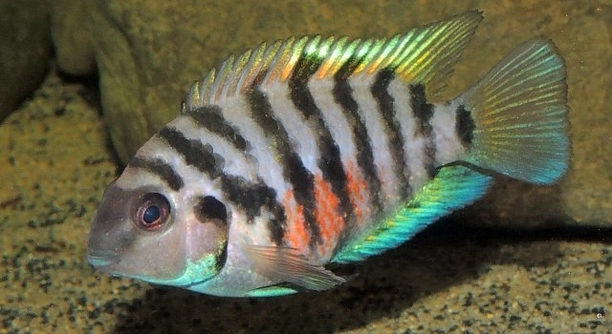
Are your cichlids constantly circling their tank, swimming faster than usual, or hiding more often than before? Bright colors, moving parts, and busy tank layouts might be doing more than just decorating their space.
Cichlids can be overstimulated by tank decorations, especially when colors are too bright or the layout is overly complex. This overstimulation may lead to stress, aggression, or withdrawn behavior, which can negatively affect their health and well-being.
Understanding how to balance decoration with comfort can help create a safer, more peaceful environment for your cichlids to thrive.
How Decorations Can Impact Cichlid Behavior
Cichlids are intelligent and reactive fish, and their environment plays a major role in how they behave. Decorations can offer hiding spaces, territories, and stimulation, which are all important for their mental and physical health. However, when a tank becomes too busy or overly bright, these same features can start to cause stress. Flashing lights, mirrors, or constantly moving elements can confuse or overwhelm them. Bright or clashing colors can increase aggression or lead to excessive hiding. For territorial species, too many structures packed closely together might encourage more fighting than settling. It’s important to choose items that mimic their natural environment—muted tones, open swimming areas, and a few reliable hiding spots. Think more about balance than appearance. Each cichlid species has different needs, so researching what suits your specific type is key. A calm, thoughtfully decorated tank will support more stable behavior and better long-term health outcomes.
Too many bold decorations can trigger anxiety or defensive behaviors, especially in smaller or more sensitive species.
Simplifying your tank layout doesn’t mean making it boring. Natural-looking rocks, soft lighting, and gentle filtration can still offer an engaging space without overwhelming your fish. The goal is to make the tank feel safe, not stimulating.
Signs Your Cichlids Might Be Overstimulated
Fast swimming, excessive hiding, or sudden aggression can be signs that the tank environment is too stimulating.
Overstimulation doesn’t always look dramatic. Sometimes, it’s subtle—your cichlids may start hiding more often or swimming in repetitive patterns. They may lose interest in food or begin acting aggressively without clear cause. These changes in behavior can sometimes be mistaken for illness or mood swings, but the environment is often the key factor. If your fish used to be active and are now reserved, or were peaceful but now chase others constantly, it’s worth reassessing the layout. Too much clutter or light can increase tension. Loud bubbling decorations or flashy LED lighting may be causing more harm than good. Instead, think about providing consistent lighting, natural cover, and fewer artificial objects. Cichlids do better in spaces where they can claim territories without feeling like they’re always being watched or challenged. Watching your fish closely and making small changes can help you find the right balance.
What to Avoid When Decorating Their Tank
Avoid decorations with sharp edges, bright flashing lights, or loud bubbling features. These can cause stress or injury. Overcrowding the tank with too many ornaments also limits swimming space and can increase territorial fights among cichlids. Simplicity often leads to a more stable tank environment.
Cichlids need room to swim and space to hide, but too many objects can make the tank feel cramped. Decorations that move constantly, such as spinning wheels or bubbling treasure chests, may seem fun but can overwhelm sensitive fish. Loud bubbling can also disrupt their natural behavior. Mirrors should also be avoided, as they can cause confusion and aggressive reactions. Stick to items that provide function—like caves, smooth rocks, or driftwood—without overloading the tank visually. A calm layout helps cichlids feel secure, which supports healthier interactions between them. Less stimulation allows them to form territories more easily and helps reduce stress-related illness.
Artificial plants with stiff plastic leaves or unnatural colors should be used with caution. They can cause fin tears or create too much visual noise in the tank. Bright reds, neons, or flashing LEDs tend to overexcite some species. Stick with soft plants, real or silk, and neutral colors like brown, green, or gray. Even decorative backgrounds can overstimulate if they are too bold or detailed. Go for calm patterns or solid tones. Focus on textures and layouts that mimic nature—this helps your cichlids stay relaxed. Creating a calm, structured tank helps prevent aggressive chasing or chronic hiding that comes from feeling overstimulated or unsafe in their space.
How to Choose the Right Decorations
Start with function over appearance. Look for decorations that give your cichlids places to hide, establish territory, and rest. Smooth rocks, soft artificial plants, or natural-looking caves help create a safe and calming tank environment without overstimulating their senses or crowding their space.
Use decorations that reflect the natural habitat of your cichlid species. African cichlids from Lake Malawi, for example, do well with rocky setups and open swimming areas. South American cichlids might prefer driftwood and soft leaf cover. Always research your specific species. Neutral-toned objects—like beige stones or dark wood—can help reduce aggressive behavior caused by overstimulation. Arrange items so that fish can establish their own space but still move freely throughout the tank. Leave open areas for swimming and avoid blocking the entire floor. A well-balanced tank should look peaceful, not packed. Fewer but well-placed decorations tend to keep your fish happier, calmer, and easier to observe.
How to Rearrange a Tank Without Causing Stress
Move decorations slowly and avoid making too many changes at once. Rearranging the entire tank can confuse cichlids, especially if they’ve already claimed territories. Try shifting only one or two items at a time and watch how your fish react.
Always keep some familiar objects in place to help your cichlids feel grounded. Removing everything at once can cause panic and disrupt their sense of safety. Small, gradual changes allow them to adjust without feeling threatened or displaced in their own environment.
When to Reassess Your Tank Setup
If your cichlids are constantly hiding, acting aggressively, or seem unusually restless, it may be time to reevaluate your tank layout. Watch how they use the space—if they avoid certain areas or compete too often, your decorations may be contributing to the problem. A few small adjustments can often make a big difference.
Keep It Balanced
Too many decorations can be just as harmful as too few. Focus on function, spacing, and keeping the setup calm and natural.
FAQ
Can overstimulation from decorations make cichlids sick?
Yes, overstimulation can lead to stress, which weakens a cichlid’s immune system. When stressed, fish may stop eating, hide more often, or develop illnesses like ich or fin rot. Stress also increases cortisol levels, which impacts their overall health over time. A busy tank with loud, bright, or moving decorations can disrupt their natural rhythms, making them more vulnerable to sickness. It’s important to watch for behavior changes and simplify the setup if needed. A calm, stable environment helps them stay healthy and alert without pushing their stress limits.
How do I know if my decorations are causing problems?
Watch your cichlids closely. If they avoid certain areas of the tank, swim frantically, or show aggressive behavior more than usual, it may be due to their surroundings. Decorations that move, reflect light, or take up too much space can create tension. Also, if your fish suddenly stop eating, hide all the time, or act skittish, these could be signs they feel overwhelmed. It’s a good idea to remove or adjust one item at a time and see if their behavior improves. Subtle changes often give you the answers you need.
Do all cichlids react the same way to decorations?
No, different species react differently. Some cichlids are naturally more territorial and active, while others are more shy or peaceful. African cichlids tend to be more aggressive and may become more territorial in crowded or overly decorated tanks. In contrast, South American cichlids might become withdrawn if the space feels too chaotic. It’s important to research the natural habitat and behavior of your specific species so you can design a setup that works for them. There’s no one-size-fits-all when it comes to decoration and tank design.
Should I use real or artificial plants in a cichlid tank?
Both can work, but each has pros and cons. Real plants help improve water quality and offer natural shelter, but many cichlids dig or nip at them. Artificial plants are more durable, especially if you choose soft, silk ones. Avoid stiff plastic versions, as they can tear fins or damage scales. If you choose artificial plants, stick with natural-looking greens or browns. Overly bright colors may overstimulate your fish. The key is to make sure whatever you use doesn’t crowd the tank or disrupt the flow of space.
How many decorations should I use in a cichlid tank?
There’s no exact number, but it’s best to focus on open space and balance. Try to provide enough cover for hiding—like a few caves or rocks—while leaving plenty of room for swimming. Cichlids need territory, so having separate areas helps reduce aggression. Still, avoid filling every inch with decorations. A good rule is to step back and look at the tank: if it feels too full or chaotic to your eyes, it’s probably the same for your fish. Less is often better when it comes to overstimulation.
Can lighting be overstimulating on its own?
Yes, lighting plays a big role in tank stress. Lights that are too bright, change colors rapidly, or flicker can overstimulate cichlids. Flashing LED lights, in particular, can trigger aggression or frantic swimming. Stick with steady, soft lighting on a consistent schedule—about 8 to 10 hours a day. If possible, mimic a natural day-night cycle. Cichlids need calm, dark periods to rest, just like they would in nature. Avoid lights that run all night, as this can throw off their rhythm and cause long-term stress.
What’s the best way to test if a decoration is safe?
Before adding anything new, check that it has no sharp edges, doesn’t float, and is aquarium-safe. Run your fingers over all sides—if it feels rough, your cichlids could get scratched. Avoid painted or coated items unless they are clearly labeled as non-toxic and designed for fish tanks. Rinse new items thoroughly with warm water, but never use soap or chemicals. Watch your fish closely for the first few days after adding anything new. If behavior changes or aggression increases, consider removing the item.
Can too much stimulation cause long-term changes in behavior?
Yes, long-term overstimulation can lead to lasting stress-related behavior. Fish that live in high-stress conditions may become more aggressive or withdrawn even after the problem is fixed. They might stay in hiding, refuse to interact, or act defensive around tankmates. Chronic stress can also shorten their lifespan. That’s why it’s important to address overstimulation early. A peaceful, consistent environment supports more natural behavior, better social interaction, and stronger health over time. It’s not just about looks—it’s about how your cichlids feel in their home.
Final Thoughts
Creating the right environment for your cichlids is about more than just how the tank looks. Decorations should support your fish’s natural behavior, not overwhelm them. When a tank has too many bright, moving, or crowded elements, cichlids may become stressed. This stress can lead to hiding, aggression, or even sickness over time. Choosing the right items and placing them carefully helps keep your fish calm and healthy. A peaceful space gives your cichlids the chance to explore, rest, and interact more naturally. It’s not about having the most colorful or exciting setup—it’s about what feels safe and balanced for your fish.
Many people decorate tanks with good intentions but may not realize how it affects their fish. A setup that looks fun or eye-catching to us might feel noisy and confusing to a cichlid. Fish do not have the same response to colors and movement as humans do. They rely on calm patterns and predictable surroundings. Overstimulating environments can lead to long-term problems. Watching your fish closely can tell you a lot—changes in their behavior are often signs something in the environment needs to be adjusted. Even small changes, like softening the lighting or removing one decoration, can help them feel more secure.
Keeping cichlids happy isn’t just about feeding them and cleaning the tank. Their environment plays a big role in how they feel every day. A few well-placed rocks, some soft plants, and enough space to swim can make all the difference. It may take a bit of trial and error to get things just right, and that’s okay. Every species—and sometimes every fish—reacts a little differently. The more you learn about what works for your tank, the better you’ll be able to support your fish’s health and behavior. In the end, a calm and balanced tank setup leads to less stress, fewer problems, and a better life for your cichlids.

Hello,
If you enjoy the content that we create, please consider saying a "Thank You!" by leaving a tip.
Every little bit helps us continue crafting quality advice that supports the health, happiness, and well-being of pets around the world, for pets of all shapes, sizes, and species.
We really appreciate the kindness and support that you show us!