
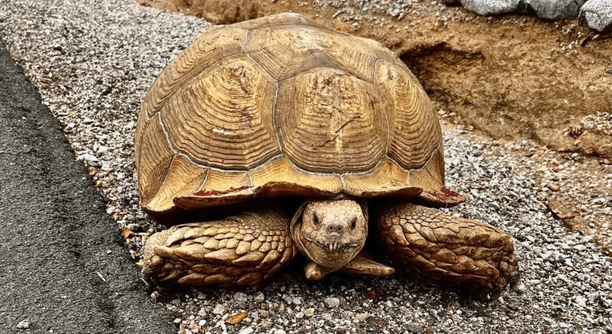
When setting up an enclosure for a sulcata tortoise, choosing the right fencing is essential. A proper fence ensures safety and comfort while providing a secure space for your pet to thrive. Let’s explore the best fencing options.
The most suitable fencing for sulcata tortoises should be sturdy, tall enough to prevent escapes, and able to withstand the outdoor elements. Materials like welded wire, hardware cloth, or solid wood are effective for creating a secure and durable enclosure.
Choosing the right fencing will help ensure your tortoise remains safe and comfortable in its outdoor home. Explore the best options to create an ideal space.
Welded Wire Fencing for Durability and Security
Welded wire fencing is a top choice for sulcata tortoise enclosures because of its strength and longevity. The sturdy wires, welded together at each intersection, offer solid protection against potential escapes and predators. This fencing can be found in various sizes, ensuring it can be tailored to suit your enclosure’s needs. It also holds up well against weathering, making it suitable for both hot and cold climates. A height of at least 4 feet is typically recommended to prevent your tortoise from climbing or pushing through.
Welded wire is easy to work with, allowing you to customize your enclosure’s size and shape.
If you’re considering a more affordable fencing solution, welded wire remains a great option. However, be mindful of any gaps in the wire that could be large enough for smaller tortoises to escape through. Also, make sure to secure the edges tightly to avoid any potential issues with loose wires. While this material is reliable, adding a solid base or buried wire can further reinforce the structure to prevent digging and escape attempts.
Hardware Cloth for Flexibility
Hardware cloth offers great flexibility when creating a fence.
Made from galvanized steel, it’s durable and versatile for building a customized space for your tortoise. The small gaps make it ideal for keeping smaller tortoises inside while preventing predators from entering. It can be used in a variety of ways: wrapped around posts, attached to frames, or buried underground.
Solid Wood Fencing for Privacy and Protection
Solid wood fencing offers both privacy and security, making it a reliable choice for sulcata tortoises. It keeps your pet safe from predators and provides a sense of enclosure. The sturdy, dense material also helps shield the tortoise from wind and harsh weather conditions.
Wooden fences can be customized to fit your enclosure’s design and can be treated for added durability. One of the main advantages of using wood is its ability to block the view of potential threats, which helps reduce stress for your tortoise. However, it’s important to ensure the wood is thick enough to withstand the tortoise’s strength and any environmental elements. Regular maintenance is required to ensure that it remains sturdy over time.
While it provides a strong barrier, it’s essential to check for potential rot or damage. Ensure that the wood is treated to resist moisture, especially in damp climates. Additionally, securing the bottom of the fence is important to prevent digging. A wood fence can be paired with metal mesh along the bottom to provide extra protection.
PVC Fencing for Low Maintenance
PVC fencing is a low-maintenance option that offers great durability and ease of cleaning.
Unlike wood, PVC does not rot, fade, or require frequent treatment. This makes it a great option for those who prefer an easy-to-maintain fencing solution. PVC is also a lightweight material, making it easier to install and move when needed. The smooth surface prevents your tortoise from trying to climb or push against the fence, and it’s available in various designs to suit your needs.
Electric Fencing for Added Security
Electric fencing can be an effective deterrent for keeping sulcata tortoises contained. It delivers a mild shock, which teaches the tortoise to stay away from the fence without causing harm. This option is often used in combination with other materials to create a more secure enclosure.
It’s important to ensure the voltage is low enough to be safe for your tortoise but still effective in preventing escapes. Regular maintenance and checking the fence’s functionality are necessary to ensure it continues to work properly.
Chain Link Fencing for Long-Term Use
Chain link fencing is a popular and long-lasting option for tortoise enclosures. It is made from strong, galvanized steel that can withstand wear and tear. Its open weave allows for good visibility while keeping your tortoise safely contained. Additionally, chain link fencing can be securely installed at the proper height to prevent escapes.
Its durability makes it a reliable choice, but it’s important to ensure that the bottom is secured properly to avoid any digging or attempts to escape.
Bamboo Fencing for a Natural Look
Bamboo fencing offers a unique and natural aesthetic for your sulcata tortoise’s enclosure. Its lightweight nature makes it easy to install, and it blends well with outdoor environments, creating a more visually pleasing space.
FAQ
What is the best type of fencing for a sulcata tortoise enclosure?
The best fencing for a sulcata tortoise enclosure is one that is durable, secure, and tall enough to prevent escapes. Welded wire, chain link, and solid wood are popular options. Each has its benefits, such as welded wire being strong and durable, chain link providing long-term security, and wood offering privacy and weather resistance.
How high should the fence be for a sulcata tortoise enclosure?
The fence should be at least 4 feet high. Sulcata tortoises are strong and can push against lower fences, so a higher fence will help prevent them from escaping. Additionally, taller fences help deter potential predators.
Can sulcata tortoises climb fences?
Sulcata tortoises are not known for climbing, but they can try to push or knock over weaker fences. Materials like welded wire and chain link are ideal because they are hard for tortoises to move or climb.
Do I need to bury the fence to prevent digging?
Yes, it’s highly recommended to bury the bottom of the fence or extend it underground. Sulcata tortoises are excellent diggers and can burrow underneath a fence if it’s not properly secured. Burying the fence about 6-12 inches deep can prevent them from escaping.
How do I maintain the fence?
Fence maintenance depends on the material. For wood, check for signs of rot, and for metal or PVC, inspect for any rust or damage. Regularly ensure that the fence is properly secured, and replace damaged sections to maintain its strength and effectiveness.
Can I use electric fencing for a sulcata tortoise?
Electric fencing can be used for added security, but it should be combined with other materials like welded wire or chain link. The electric current is mild and will deter the tortoise from trying to escape. However, it’s essential to ensure that the voltage is low enough to be safe.
How do I prevent predators from getting into the enclosure?
To prevent predators, ensure the fencing is solid and secure, with no gaps large enough for smaller animals to slip through. Burying the bottom of the fence helps keep predators like raccoons from digging under. Additionally, solid materials like wood or PVC can block the view of predators.
Is PVC fencing strong enough to contain a sulcata tortoise?
PVC fencing can be a good option for low-maintenance enclosures, but it may not be as strong as metal options like welded wire or chain link. If using PVC, make sure it is thick enough and secured firmly. It may also be beneficial to reinforce it with another material for added strength.
How much space should I provide for a sulcata tortoise?
Sulcata tortoises need a large space to roam, as they are naturally expansive creatures. A minimum of 100 square feet is recommended for one adult tortoise, with even more space preferred to allow for their full growth and natural behaviors.
Can I use bamboo fencing for a sulcata tortoise enclosure?
Bamboo fencing can provide a natural look, but it may not be strong enough to contain a sulcata tortoise long-term. If using bamboo, ensure it is reinforced with stronger materials like wire mesh or metal at the base and around the edges to prevent escapes.
How often should I check the fence for damage?
It’s important to check the fence at least once a month for any signs of damage, especially after storms or harsh weather. Regular inspections ensure that any issues, such as loose wires or rotting wood, are addressed before your tortoise can escape.
Can I use a chain link fence for my sulcata tortoise enclosure?
Chain link fencing is a great option for sulcata tortoises. It is durable, secure, and allows for visibility. Make sure the fence is at least 4 feet high and secure the bottom to prevent digging. Chain link is an excellent choice for long-term use and safety.
How do I secure the bottom of the fence?
To secure the bottom of the fence, you can bury it 6 to 12 inches deep or extend the fence outward at the base in an L-shape. This prevents your tortoise from digging under the fence. Alternatively, you can install a solid barrier along the bottom, like a wooden or metal board.
What material should I use for the top of the enclosure?
If you need a cover for your sulcata tortoise enclosure, choose a material that will protect from predators and harsh weather. Solid wood or metal mesh is a good option. Ensure the cover is securely attached to prevent escape attempts.
Should I use wire mesh or solid panels?
Wire mesh is great for ventilation and visibility but may not be as secure as solid panels. If you choose wire mesh, make sure the gaps are small enough to prevent escape. Solid panels like wood or PVC provide more privacy and protection from the elements but limit visibility.
Final Thoughts
Choosing the right fencing for your sulcata tortoise enclosure is crucial to ensuring its safety and comfort. Sulcata tortoises are strong and curious, which means they require a secure space where they can roam without the risk of escaping or encountering predators. When selecting fencing, consider both durability and height. The material should be tough enough to withstand the tortoise’s movements and protect it from any potential dangers outside the enclosure. Whether you go for chain link, welded wire, or solid panels, make sure it is well-constructed and sturdy.
One important aspect to keep in mind is that sulcata tortoises can dig. To prevent them from burrowing under the fence, it’s essential to secure the bottom. Burying the fence a few inches into the ground or extending it outward at the base can help prevent escapes. Additionally, regular maintenance is important. Always check the fence for wear and tear, ensuring that there are no gaps or damage. This will ensure that the enclosure remains secure over time.
Finally, remember that the size of the enclosure is just as important as the material you choose for the fence. Sulcata tortoises need plenty of space to roam and graze, so ensure that the enclosure is large enough to accommodate them comfortably. Along with a well-built fence, your tortoise will have a safe, secure home where it can thrive.

Hello,
If you enjoy the content that we create, please consider saying a "Thank You!" by leaving a tip.
Every little bit helps us continue crafting quality advice that supports the health, happiness, and well-being of pets around the world, for pets of all shapes, sizes, and species.
We really appreciate the kindness and support that you show us!