
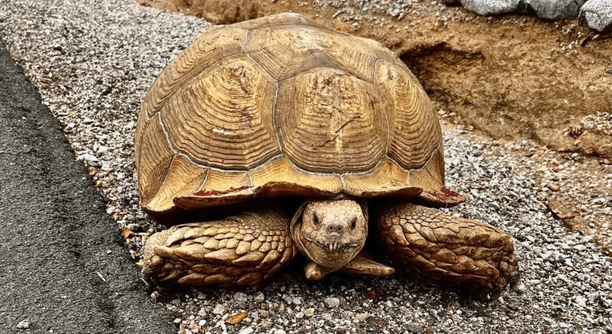
Sulcata tortoises are known for their herbivorous diet, which typically consists of grasses and leafy greens. However, pet owners may wonder if it’s safe to introduce fruits like grapes into their diet occasionally.
Grapes should be given to sulcata tortoises only in moderation. While they are not toxic to tortoises, their high sugar content can cause digestive issues and lead to obesity if fed too frequently. Grapes should be considered a treat, not a staple.
Understanding the risks and benefits of feeding grapes to your tortoise will help you make informed decisions about their diet.
Can Sulcata Tortoises Eat Grapes Safely?
Grapes can be a fun treat for sulcata tortoises, but it’s important to offer them sparingly. While tortoises enjoy the sweetness, the high sugar content in grapes isn’t ideal for their digestive system. Sulcata tortoises are primarily herbivores and thrive on a diet made up mostly of grasses, hay, and leafy greens. Overfeeding sugary fruits like grapes can upset their digestive health, and the excess sugar can lead to obesity or other complications. If you want to give your tortoise grapes, ensure they are given in moderation and as a special snack, not as a regular part of their diet.
Fruit treats should be limited to less than 10% of a sulcata tortoise’s overall diet. When choosing fruits, opt for those lower in sugar, such as strawberries or melon. By following these guidelines, your tortoise can enjoy an occasional grape without risk to its health.
Providing variety in their diet, with proper portions, keeps your sulcata tortoise healthy and happy. Stick to vegetables and grasses as their primary food source, keeping grapes as an occasional indulgence.
Health Risks of Feeding Grapes to Sulcata Tortoises
Grapes can cause digestive issues in sulcata tortoises when fed in excess. Due to their high sugar content, grapes can lead to diarrhea or other stomach problems. Over time, a sugar-heavy diet can lead to obesity, making it harder for tortoises to stay active and healthy.
Since sulcata tortoises are primarily grazers, their digestive system is not designed to process large amounts of sugar. Grapes may also contribute to kidney problems if given too frequently. Moderation is key when offering grapes. Stick to only a small portion once in a while to minimize health risks.
Other fruits like bananas or apples, while also sugary, are often safer in small amounts. However, it’s essential to focus on providing fresh, leafy greens and hay as the mainstay of their diet. Fruits should only complement their daily meals, never replace the essentials. Too much fruit can quickly unbalance their nutritional intake.
Health Benefits of Grapes for Sulcata Tortoises
Grapes contain antioxidants and hydration that can benefit a sulcata tortoise when fed occasionally. They provide a small amount of vitamins and help with hydration, especially in warm weather. While their sugar content is high, in moderation, grapes can be a refreshing treat.
Along with hydration, grapes offer some vitamins like Vitamin C, which may support overall health. They can act as an occasional source of variety, adding some natural sweetness to their diet. This can help stimulate a tortoise’s appetite, especially if they are feeling less enthusiastic about their usual food. However, the key is moderation.
It’s important to balance grape treats with healthier options. Offering a variety of leafy greens and high-fiber vegetables should remain a priority. While grapes can offer some benefits, their place in your sulcata tortoise’s diet should be minimal. Feeding grapes too often could outweigh the advantages.
How Often Should You Feed Grapes to a Sulcata Tortoise?
Grapes should be an occasional treat, not a regular part of their diet. Offer grapes only once every couple of weeks. This ensures they get the benefit of the occasional fruit without the negative effects of sugar buildup.
A small portion, roughly the size of a grape or two, is plenty. Feeding them too often could lead to weight gain or other health issues. Be mindful of their overall intake of fruit. Stick to the 10% rule for treats, and keep the rest of their diet focused on greens and hay.
Other Safe Fruit Options for Sulcata Tortoises
When introducing fruit to a sulcata tortoise’s diet, always focus on those lower in sugar and higher in fiber. Strawberries, melon, and kiwi are better choices compared to grapes. These fruits are safer in moderation, providing nutrients without the risks associated with excessive sugar intake.
Even with these fruits, limit them to only a small portion of their overall diet. The majority of their food should consist of high-fiber vegetables and grasses, which are better suited to their digestive system. Stick to a diverse, nutrient-rich diet, and reserve fruits as occasional rewards.
How to Serve Grapes to a Sulcata Tortoise
To ensure your sulcata tortoise benefits from grapes without overindulgence, serve them in small, bite-sized pieces. Removing the skins or seeds will help avoid any choking hazards. Cutting the grapes into manageable sizes also makes it easier for the tortoise to digest.
Always monitor their reaction after feeding grapes, especially if it’s their first time. Watch for any signs of discomfort, such as diarrhea or lethargy. If these symptoms occur, reduce or eliminate grape offerings. It’s essential to observe your tortoise’s response to ensure they’re tolerating the treat well.
FAQ
Can grapes be toxic to sulcata tortoises?
Grapes are not toxic to sulcata tortoises, but they should still be given in moderation. The primary concern with grapes is their high sugar content, which can lead to digestive issues and obesity if consumed too frequently. Toxicity is not a major risk, but overfeeding grapes can cause health problems, so always limit their intake.
Are there any fruits that sulcata tortoises should avoid?
Yes, some fruits should be avoided because they contain excessive amounts of sugar or other compounds that may harm sulcata tortoises. Citrus fruits like oranges and lemons can upset their digestive system. Avocados should be completely avoided, as they contain a toxin that is harmful to tortoises. High-sugar fruits like grapes should only be given in small amounts. It’s best to focus on fruits that are lower in sugar and high in fiber.
How can I tell if my sulcata tortoise is getting too many grapes?
If your sulcata tortoise starts showing signs of weight gain or sluggishness, it may be a sign that they are consuming too many sugary fruits like grapes. Diarrhea or a change in stool consistency can also indicate an upset stomach from overfeeding fruit. If you notice these signs, reduce their intake of grapes and other fruits and focus on providing more greens and hay.
Can grapes help with hydration for sulcata tortoises?
Yes, grapes contain a significant amount of water, which can help hydrate a sulcata tortoise, especially during warmer weather. However, fruits like cucumber or watermelon are better sources of hydration, as they are lower in sugar. While grapes can contribute to hydration, they should not replace water or other hydrating vegetables in their diet.
How do I properly prepare grapes for my sulcata tortoise?
Grapes should be washed thoroughly to remove any pesticides or harmful chemicals. It’s important to cut them into small, manageable pieces to avoid choking hazards. Removing the skins or seeds is a good practice, though not always necessary, depending on the tortoise’s size and eating habits. Always serve them in moderation.
How often can I feed my sulcata tortoise grapes?
Grapes should be treated as an occasional treat, not a regular part of their diet. A small portion once every two weeks is ideal. This allows your tortoise to enjoy the benefits of fruit without overloading their system with sugar. Stick to a primarily herbivorous diet made up of grasses and leafy greens to keep them healthy.
What other treats can I give to my sulcata tortoise?
Aside from grapes, sulcata tortoises can enjoy other safe treats in moderation. Some good options include strawberries, melon, and hibiscus flowers. It’s important to remember that treats should not make up more than 10% of their diet. The majority of their food should be high-fiber, low-calcium vegetables, and grasses.
Can feeding grapes affect the shell health of a sulcata tortoise?
While grapes do not directly affect the health of a sulcata tortoise’s shell, an improper diet can lead to imbalances that may affect shell growth. Feeding a variety of vegetables and grasses will ensure that your tortoise gets the right nutrients for a healthy shell. Fruits like grapes, if fed too frequently, could contribute to an imbalanced diet, potentially affecting their overall health.
What should I do if my sulcata tortoise refuses to eat grapes?
If your sulcata tortoise refuses to eat grapes, there’s no need to worry. Tortoises are often selective with their food. If they’re not interested in grapes, try offering other fruits or veggies. If they continue to refuse food, it could indicate a health issue, so you might want to consult with a vet. However, as long as they are eating their staple foods like grasses and greens, refusing grapes isn’t usually a concern.
Is it okay to feed grapes to baby sulcata tortoises?
It’s best to avoid feeding grapes to baby sulcata tortoises, especially in large quantities. Their smaller digestive systems are more sensitive to sugar, and their diet should mainly consist of high-fiber greens and grasses. If you do offer grapes, make sure they are cut into small pieces and given sparingly. Overfeeding sugary fruits at a young age can cause digestive issues and hinder their healthy growth.
Final Thoughts
Grapes can be a tasty treat for sulcata tortoises, but they should be given carefully and in moderation. These tortoises, like many other species, benefit from a varied diet, with a strong focus on high-fiber foods like grasses and leafy greens. Grapes are high in sugar, so while they aren’t toxic, overfeeding can cause health issues, including obesity and digestive problems. For this reason, it is essential to offer grapes only occasionally, ensuring they don’t make up a large portion of your tortoise’s diet.
When feeding grapes, it’s best to wash them thoroughly to remove pesticides and cut them into small pieces to prevent choking. This will also help with digestion, as sulcata tortoises can be sensitive to large chunks of food. Always observe your tortoise after offering grapes for any signs of discomfort, such as diarrhea or lethargy. If these symptoms appear, you should cut back on the number of grapes or avoid them altogether, as each tortoise’s tolerance to fruit can vary.
In conclusion, grapes can be a fun and hydrating treat for your sulcata tortoise, but they should never replace the primary foods that make up their diet. Stick to giving them fruits like grapes sparingly, and prioritize their health by focusing on fiber-rich vegetation. By offering a balanced and thoughtful diet, you can ensure your tortoise remains healthy, happy, and well-nourished. Always keep a close eye on how your tortoise reacts to new foods, and make adjustments as necessary.

Hello,
If you enjoy the content that we create, please consider saying a "Thank You!" by leaving a tip.
Every little bit helps us continue crafting quality advice that supports the health, happiness, and well-being of pets around the world, for pets of all shapes, sizes, and species.
We really appreciate the kindness and support that you show us!